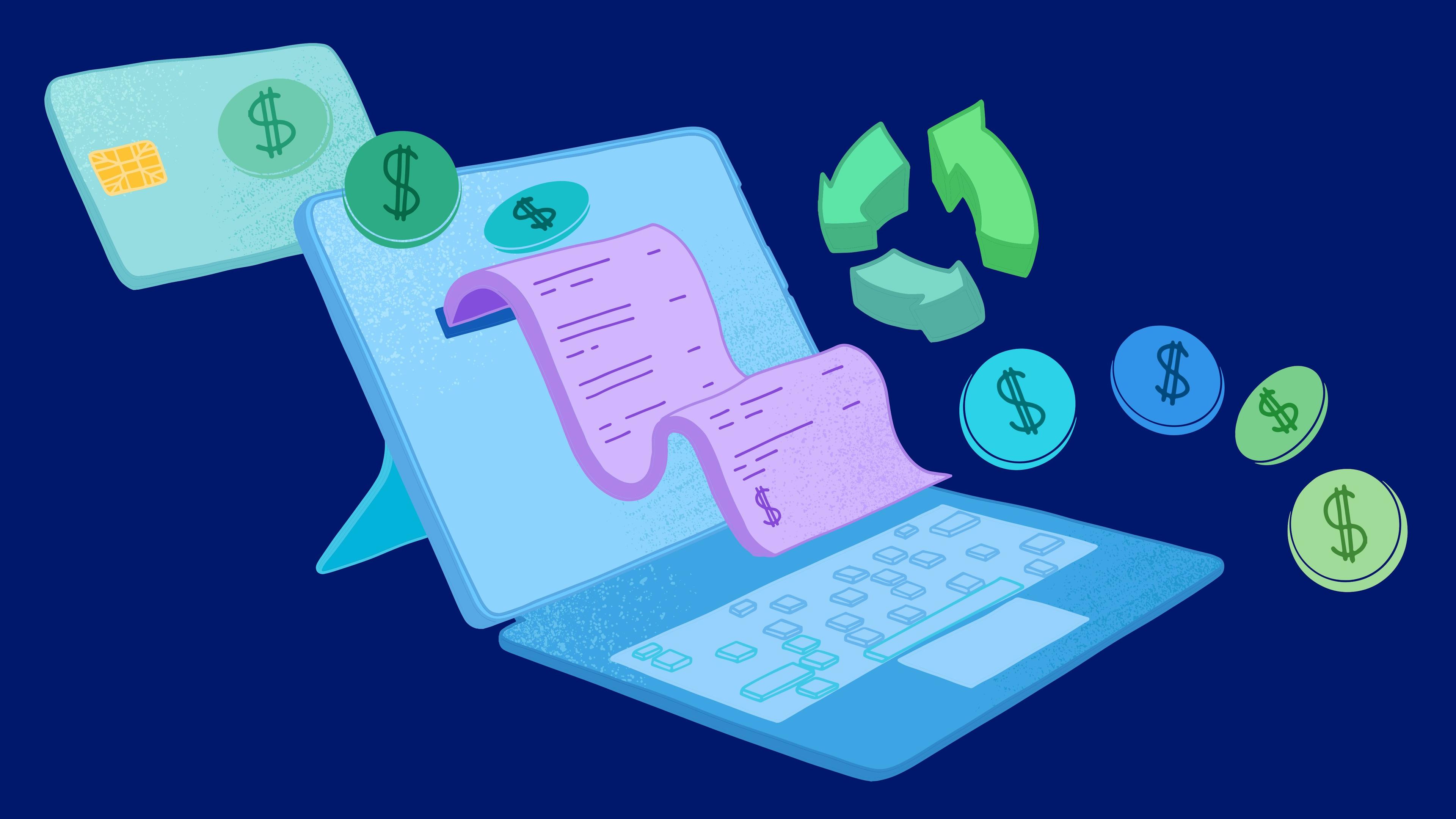
Revenge has always carried a certain drama in how people talk about it. Many imagine it as a flashy comeback, the sort of thing you see in a TikTok montage: new clothes, new hair, expensive dinners, impulsive trips, and a string of purchases meant to say, “Look how well I am doing without you.” The problem is that this style of revenge burns through money fast and often leaves people worse off than before, especially when the credit card bills arrive. Revenge savings for your financial future offers a very different path. Instead of proving your worth through spending, you channel that same emotional energy into building stability, options, and quiet power through money that works for you over time.
Revenge savings usually begins with a trigger. It might be a breakup where someone made you feel small or financially inferior. It might be a toxic workplace where a manager insisted you were not worth a promotion or a raise. It might even be a friend who constantly flexes their lifestyle in a way that makes you feel like you are falling behind. In the traditional script, those moments push you into trying to keep up. You swipe your card to join expensive dinners, buy things you cannot comfortably afford, and turn to spending as a way to restore pride. The relief is temporary, and the financial hangover lingers long after the emotions settle.
With revenge savings, the script changes entirely. The moment that hurt you becomes a wake up call instead of a reason to overspend. You decide that you will not allow yourself to be placed in that same powerless position again. Rather than trying to make anyone jealous, you commit to building a version of yourself who is no longer dependent on their approval or their money. The “revenge” lies in becoming so financially steady and self sufficient that their opinions, comparisons, and judgments no longer carry any weight.
This shift relies on understanding how emotional energy and long term habits work. At the beginning of a revenge savings journey, emotions run high. Fresh after a painful comment or a breakup, you might feel incredibly motivated. You swear you will overhaul your whole life in a week. Maybe you delete food delivery apps, cancel subscriptions, cook every meal at home, and vow to invest aggressively. That intense burst of energy can be useful, but it does not last forever. Feelings naturally fade. What stays are the systems you build while the motivation is strong.
The smartest way to use that emotional surge is to design habits that keep moving even after the initial sting is gone. You might open a separate savings account specifically for your new goals and schedule transfers to move money there automatically right after every payday. You might decide on a realistic percentage of your income to save each month, something challenging but sustainable, rather than pushing yourself to a level that feels like punishment. You might choose a simple, beginner friendly investing option and commit to contributing regularly instead of chasing every new, glamorous opportunity you see online. The point is not to be perfect but to make sure that your actions continue even when you no longer feel fired up.
In the short term, revenge savings immediately starts to reduce financial fragility. When your finances are fragile, any unexpected event can become a crisis. One medical bill, a car breakdown, or a sudden job loss can send your stress through the roof. By redirecting your energy into building savings instead of flexing publicly, you begin to create a buffer between you and the next emergency. Even a few hundred dollars sitting in a separate account changes the way you experience stress. An unexpected expense becomes inconvenient, not catastrophic. You sleep a little better because you are not constantly counting the days until the next paycheck.
As your revenge savings grows, your relationship with everyday choices changes too. Instead of reacting in panic whenever a bill arrives, you respond more calmly because you know there is some room to maneuver. You are less likely to say yes to social invitations or purchases purely out of embarrassment or pressure. When someone suggests an expensive outing that does not fit your budget, it becomes easier to say no because you are already proud of what you are doing behind the scenes. You carry a quiet confidence that does not need to be advertised on social media.
Over time, the real power of revenge savings for your financial future reveals itself in the longer term layers you build. The first layer is usually the emergency fund, followed by what some people call a “walk away” fund. This is the money that grants you the ability to leave a toxic job, step out of an unhealthy living situation, or take a breather if life demands a pause. Just knowing that you have a few months of expenses saved can dramatically shift the way you negotiate at work or set boundaries in your personal life. You are no longer stuck in environments that drain you simply because you cannot afford to leave.
The second layer might involve paying down high interest debt. Instead of using your credit card to prove a point, you start redirecting your spare cash to clear what you owe. Every debt you eliminate frees up future income. Interest that once worked against you now stops draining your budget. It is not glamorous, but it is one of the strongest forms of financial revenge. You are essentially taking back money you would have given to lenders in the future and reclaiming control over your cash flow.
The third layer is investing. This is where your revenge savings truly transforms into a long term wealth building engine. You do not need a complex strategy or advanced knowledge at the start. You might begin with a simple, diversified fund or a basic portfolio recommended by a robo advisor. The magic is in consistency. Every contribution, no matter how small, harnesses time and compounding. You are no longer just working for your money. Your money starts working for you, even while you live your everyday life. At this stage, revenge savings evolves beyond the original situation that triggered it. You are no longer trying to send a message to anyone else. You are building a foundation for your own freedom.
Of course, the temptation to go back to visible spending never completely disappears. It is normal to want quick validation, especially when you are hurting. Many people initially see revenge spending as a shortcut to feeling better. A new trip, a makeover, or a luxury dinner can create a burst of confidence. But once the emotion fades, the financial strain remains. Revenge savings flips the timeline. At first, it feels slow and almost invisible. You are quietly moving money into accounts, paying off balances, and avoiding unnecessary purchases. The rewards are subtle. But over months and years, the impact compounds. Real confidence grows when you know you can handle an emergency, fund your goals, and walk away from situations that do not respect you.
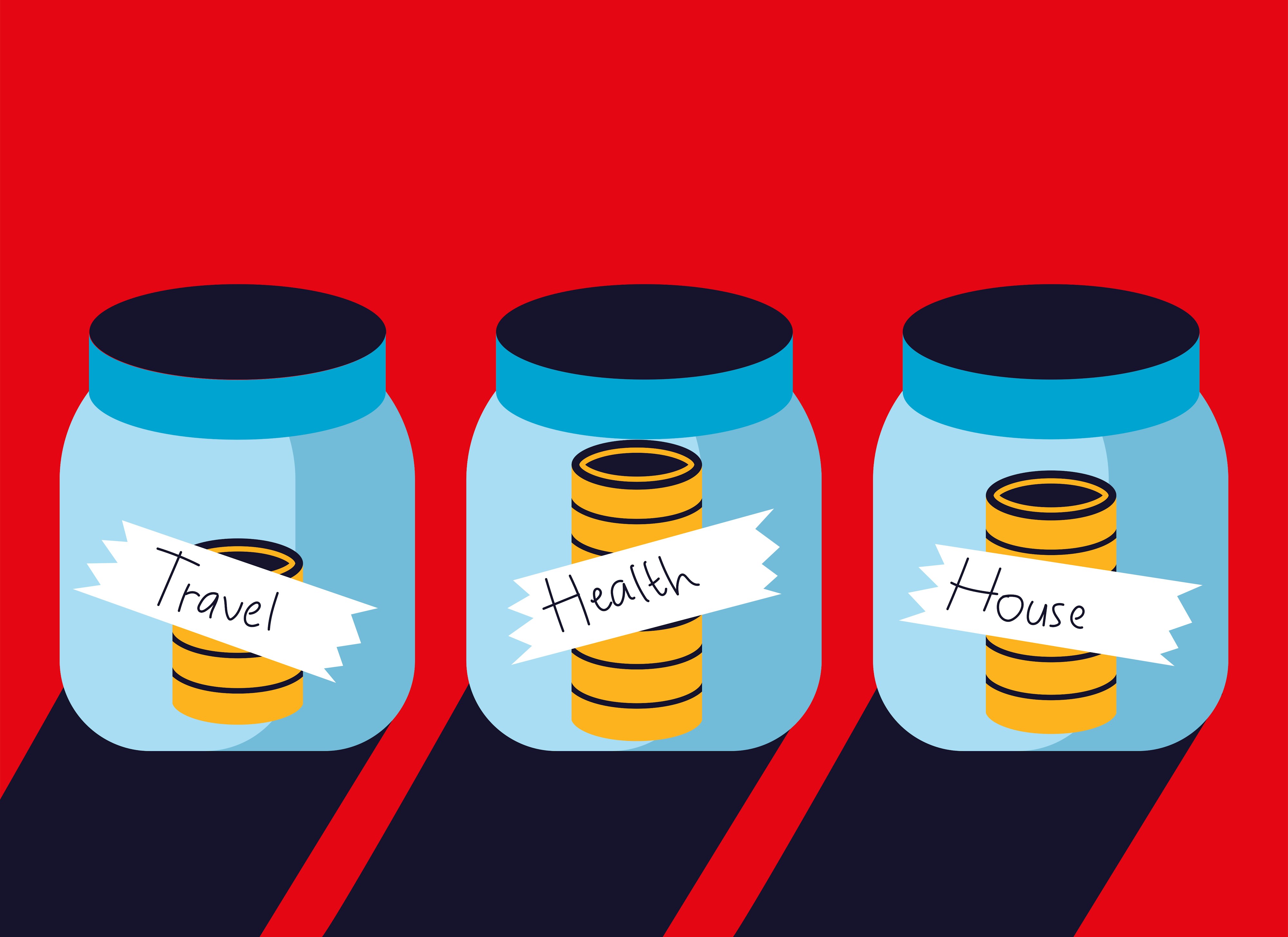
To keep revenge savings on track, it helps to use tools and structures that reduce your reliance on willpower. Automated transfers are one of the simplest yet most effective tools. When part of your pay automatically moves into savings or investments, you remove the need to make a fresh decision every single month. If your income fluctuates, you can choose a percentage instead of a fixed amount, such as deciding that a fixed slice of every payment you receive will go toward your future. Many bank and fintech apps also allow you to create sub accounts for different purposes. You might label them “walk away fund,” “debt clean up,” or “future home,” which keeps your motivation clear.
Notifications and spending summaries can be helpful as well. Regular reminders about how much you have saved so far or how much debt you have paid off reinforce that you are making progress, even if it feels slow. At the same time, it is important to choose tools that you genuinely understand and feel comfortable with. If a financial product or app seems overly complicated, it might not be right for you at this stage. The process of building revenge savings should feel like stacking steady wins, not participating in a confusing game where you are unsure of the rules.
Because revenge is such a charged emotion, there are also risks if it is not managed carefully. One common trap is going too far in the direction of restriction. You might feel so determined to prove something that you cut out every bit of enjoyment from your life. You refuse all small treats, avoid social activities, and measure your worth solely by the size of your bank balance. While discipline and sacrifice have their place, turning money management into self punishment can burn you out and damage your mental health. Healthy revenge savings still allows space for joy, connection, and rest.
Another trap involves swinging from reckless spending into reckless investing. The same impulsive energy that once pushed you to overspend can push you into chasing high risk, poorly understood investments. Huge promises of quick returns, complicated schemes, or trends promoted by strangers online can be tempting when you want to “catch up” fast. The danger is that if you do not understand how an investment really works, you might be the one taking on most of the risk without realizing it. Revenge savings works best when the vehicles you choose are boring, transparent, and aligned with your actual risk tolerance and knowledge.
A subtler trap is tying your entire identity to being the responsible, financially disciplined one. When you start winning in this area, it can become your main source of validation. That might feel better than being the person who is always in chaos, but it still gives your self worth to something external. The deeper purpose of revenge savings is not to turn you into a machine that only cares about numbers. It is to build a life where you have choices, boundaries, and the ability to walk away from situations that are not good for you.
To avoid these traps, it helps to set guardrails in advance. You might decide on a minimum monthly amount you will allow yourself to spend on simple pleasures, and then refuse to feel guilty about it. You might create a personal rule that you will not invest in anything you cannot clearly explain in simple language. You might set a line in your emergency fund that you will not cross unless there is a genuine crisis, and if you do cross it, you commit to replenishing it as soon as possible. These rules act like a protective barrier against your own extremes, whether that is overspending or over restricting.
In the end, revenge savings for your financial future is less about being petty and more about being purposeful. There is nothing shallow about using a painful moment as the starting point for serious change. Many people only confront their finances after something hurts badly enough. What matters is what you do with that moment. You can continue the old pattern of proving your worth through quick, expensive gestures that leave you exposed. Or you can take that spark and use it to fuel a long term plan.
With revenge savings, you choose the second path. You build a cushion so you never feel trapped again. You clear debt that once held your future profits hostage. You invest steadily so that months and years from now, your money supports a life that feels like yours, not one you are performing for other people. In the beginning, the story may be “I will show them.” Over time, as your accounts grow and your options widen, the story transforms into “I built this for me.” That quiet confidence, that ability to shape your own choices, is the most powerful kind of revenge you can have, and you do not need to broadcast it. Your financial stability, your peace of mind, and your freedom will speak for you.
 WhatsApp
 Instagram
 Threads