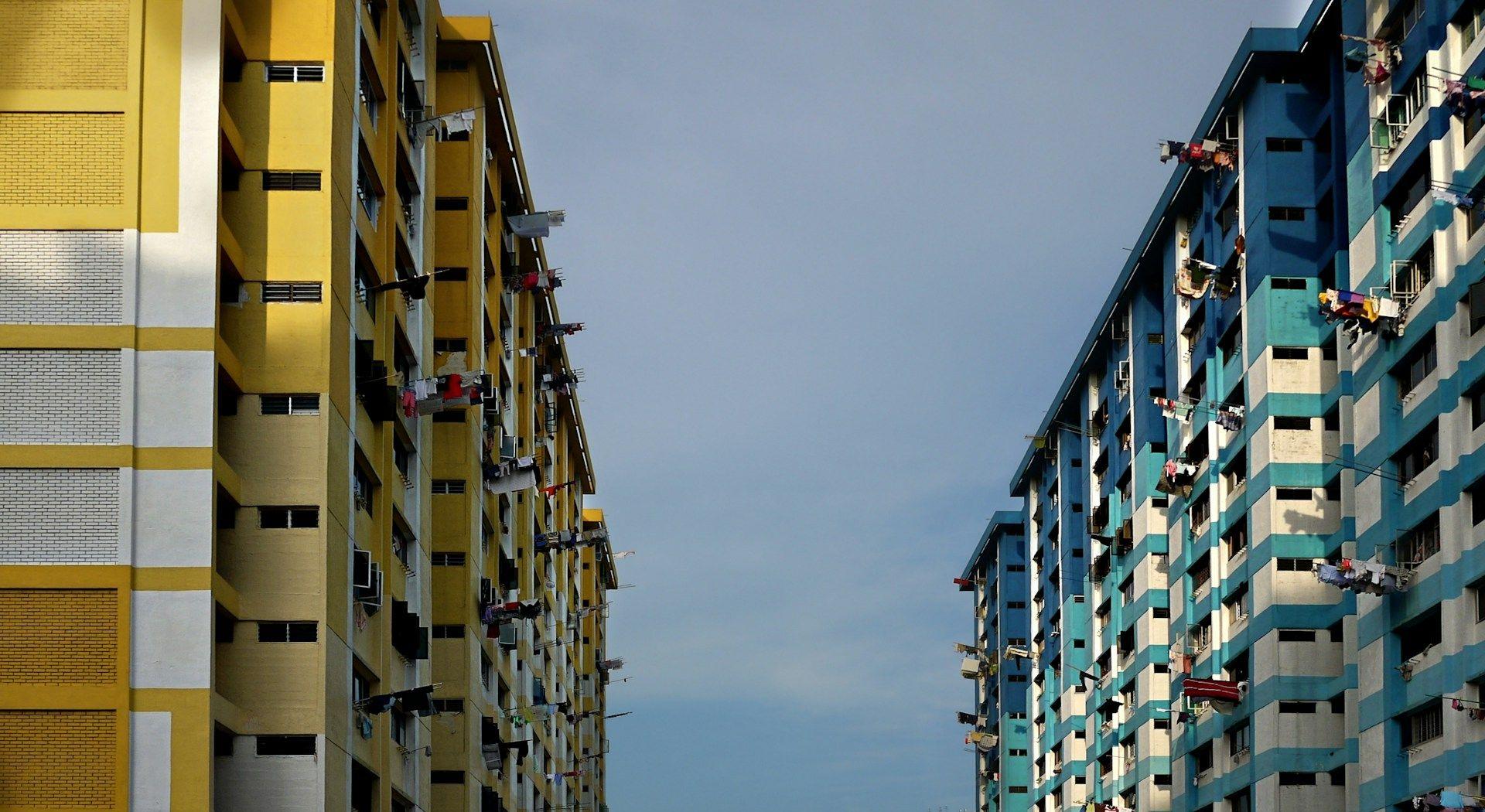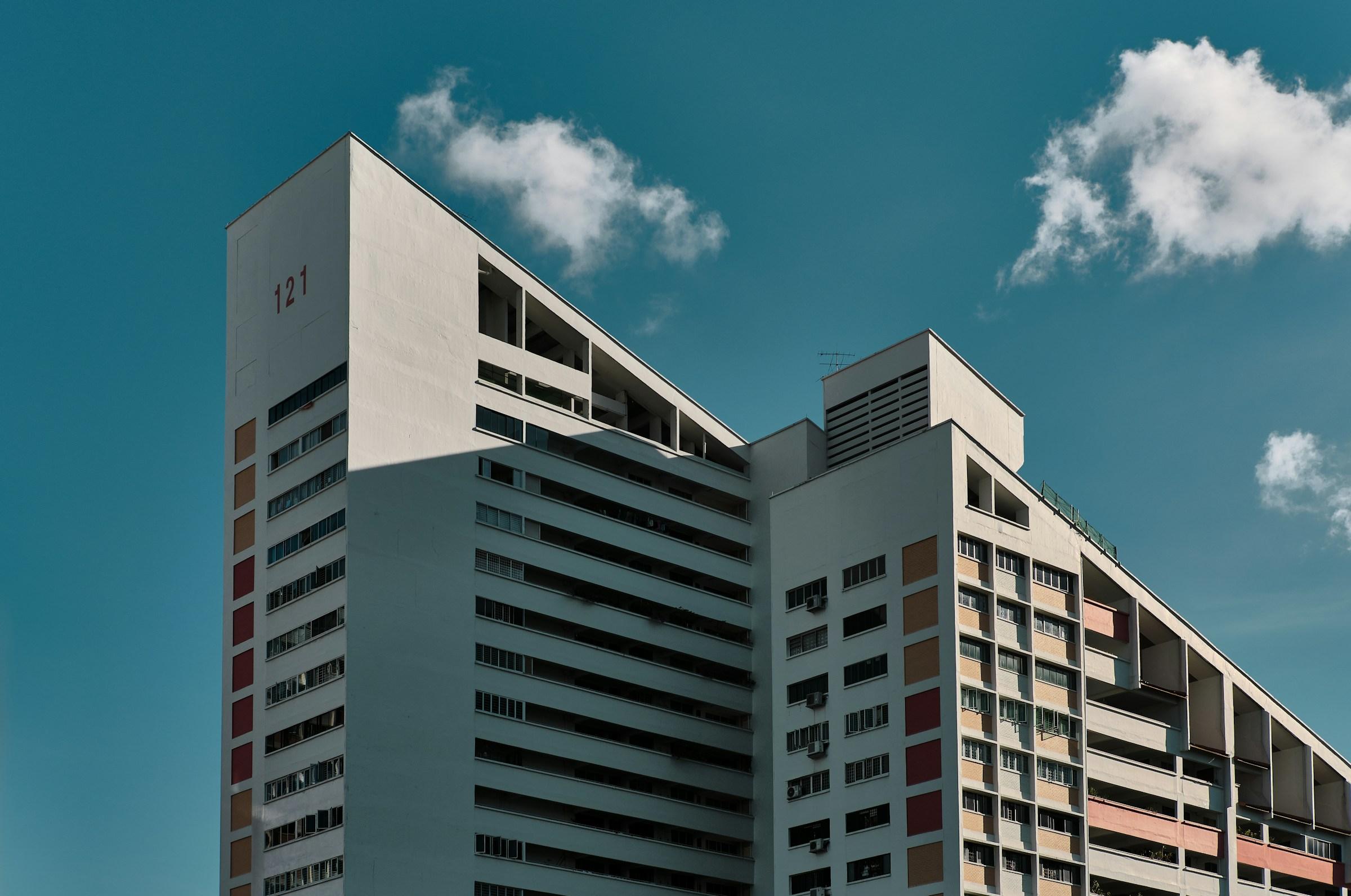
In Singapore, the toughest part of housing is often not the final move into a permanent home. It is managing the period in between major milestones, when life shifts faster than housing timelines. This is where HDB rental can function as a temporary housing solution. Rather than replacing long-term homeownership, it helps households bridge gaps created by construction lead times, administrative processes, renovations, job moves, and unexpected life changes. The value of renting in these moments is less about finding a forever home and more about gaining stability while a longer plan is still taking shape.
One reason HDB rental works well as a temporary solution is that it reduces commitment at a time when certainty is low. Buying a home is a high-stakes decision with long financial consequences. Renting, by contrast, gives households a reversible option. When you are waiting for a flat to be completed, deciding whether to stay near a school catchment, or trying to keep costs controlled during a transition, flexibility becomes a practical form of security. A rental arrangement lets you meet immediate needs without forcing a permanent decision before you have the information or readiness to make it.
The waiting period for a new flat is one of the clearest examples of why temporary housing matters. Families who have already committed to a new home can still face months, sometimes longer, before the unit is ready. During that time, they still need a place that supports daily life, work, childcare, and routines. In these circumstances, renting is not a sign of indecision. It is a way to keep life functioning while the housing pipeline catches up. Some households turn to structured arrangements such as provisional housing schemes, while others rent in the open market. In both cases, the underlying purpose is the same: to avoid being trapped between an old home you can no longer stay in and a new home you cannot yet occupy.
Renovations create a similar mismatch between what a home is on paper and what it is in reality. A flat under major renovation may be physically unlivable, or living in it may slow down works and increase stress. Dust, noise, constant access needs for contractors, and disrupted routines can turn a renovation into a long period of discomfort. Renting temporarily can help households treat renovation as a focused project with a clearer timeline. The rent becomes part of the cost of reducing delays and preserving wellbeing, especially for families with children, elderly parents, or demanding work schedules.
Work and caregiving transitions also make HDB rental a useful bridge. Not every move is meant to be permanent. Some relocations are tied to a short assignment, a probation period in a new role, or a temporary arrangement to live closer to ageing parents. Renting allows people to respond to these changes without immediately locking themselves into a property purchase in a location they may not want long term. It also provides time to evaluate practical factors such as commute patterns, transport access, neighbourhood amenities, and how a household actually uses its space. In a dense city, the difference between a workable daily routine and a draining one often comes down to details you only understand by living there.
There is also a more sensitive but important reality: housing transitions are sometimes triggered by crises. Separation, divorce, family conflict, sudden income loss, or medical events can create urgent housing needs. In these moments, speed and stability matter more than ideal preferences. A temporary rental option, whether through public rental support or the wider rental market, can serve as a stabilising step. It helps households regain footing and prevents short-term disruption from turning into long-term hardship. Seen this way, temporary rental is not merely a convenience. It can be part of a broader social and economic safety net that keeps families functioning while they rebuild.
From a practical planning perspective, HDB rental as a temporary solution is valuable because it buys time in a controlled way. Time is not an abstract benefit. Time reduces rushed decisions, and rushed decisions are often expensive. When households scramble for last-minute housing, they may accept poor layouts, inconvenient locations, higher rents, or unfavourable terms simply to avoid being without a roof. A planned rental bridge, even if it feels like an extra expense, can prevent larger hidden costs caused by poor timing. It also reduces the risk of ending up with overlapping commitments, such as paying rent while still servicing a mortgage or being stuck with storage and transport costs due to poor coordination.
Temporary renting can also serve as a trial period for future decisions. Many people assume they know what they want in a neighbourhood until they experience it. Living near a particular MRT line, market, school, or workplace can confirm whether a location truly fits your lifestyle. Noise levels, crowd patterns, access to childcare, even the time it takes to run simple errands can change how a household feels about a place. Renting lets you learn these realities before committing to a purchase or a long-term plan. In that sense, it is not only a stopgap. It is also an information-gathering phase that can lead to better long-term choices.
Of course, renting is not automatically easy. Temporary solutions often come with constraints such as availability, eligibility conditions in some schemes, and market price pressures in the open rental segment. These limitations are part of why households should treat temporary renting as a timing tool rather than an emotional fallback. The goal is to use the rental period with intention, aligning it to the expected completion of a new home, the likely end of a renovation, or the timeline of a job change. When the rental period is planned like a project, it does what it is meant to do: protect the household from instability while the next housing step is being prepared.
Ultimately, HDB rental can be a temporary housing solution because it solves the most common problem households face during transitions: the gap between immediate needs and long-term readiness. It offers shelter, routine, and continuity at moments when a permanent home is not yet available or not yet wise to commit to. The flat itself is important, but the deeper value lies in what renting provides beneath the surface. It provides breathing room. It creates a bridge between phases of life. When used deliberately, it turns an uncertain period into a manageable one, allowing households to move forward without being forced into premature, costly decisions.
 WhatsApp
 Instagram
 Threads