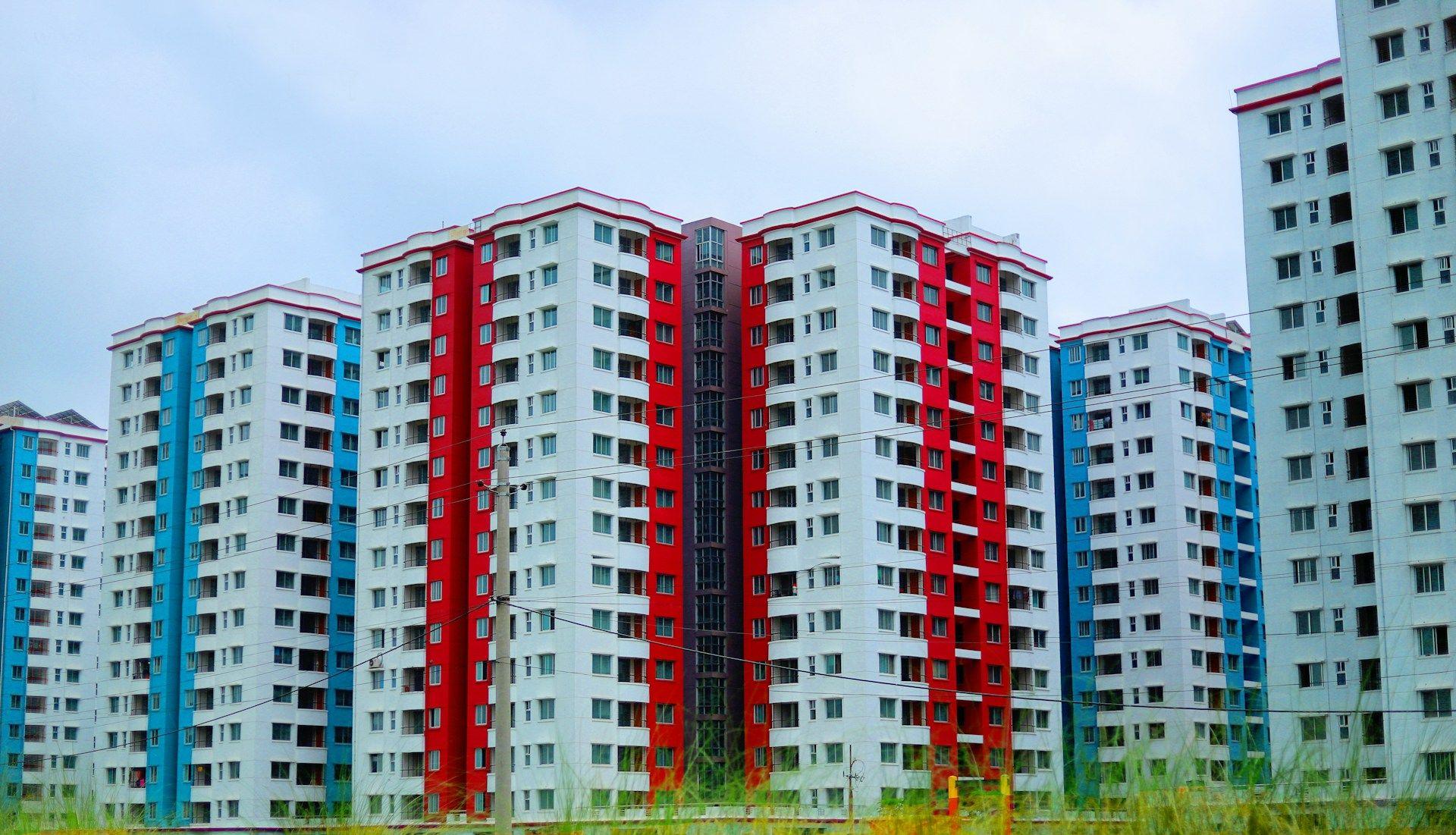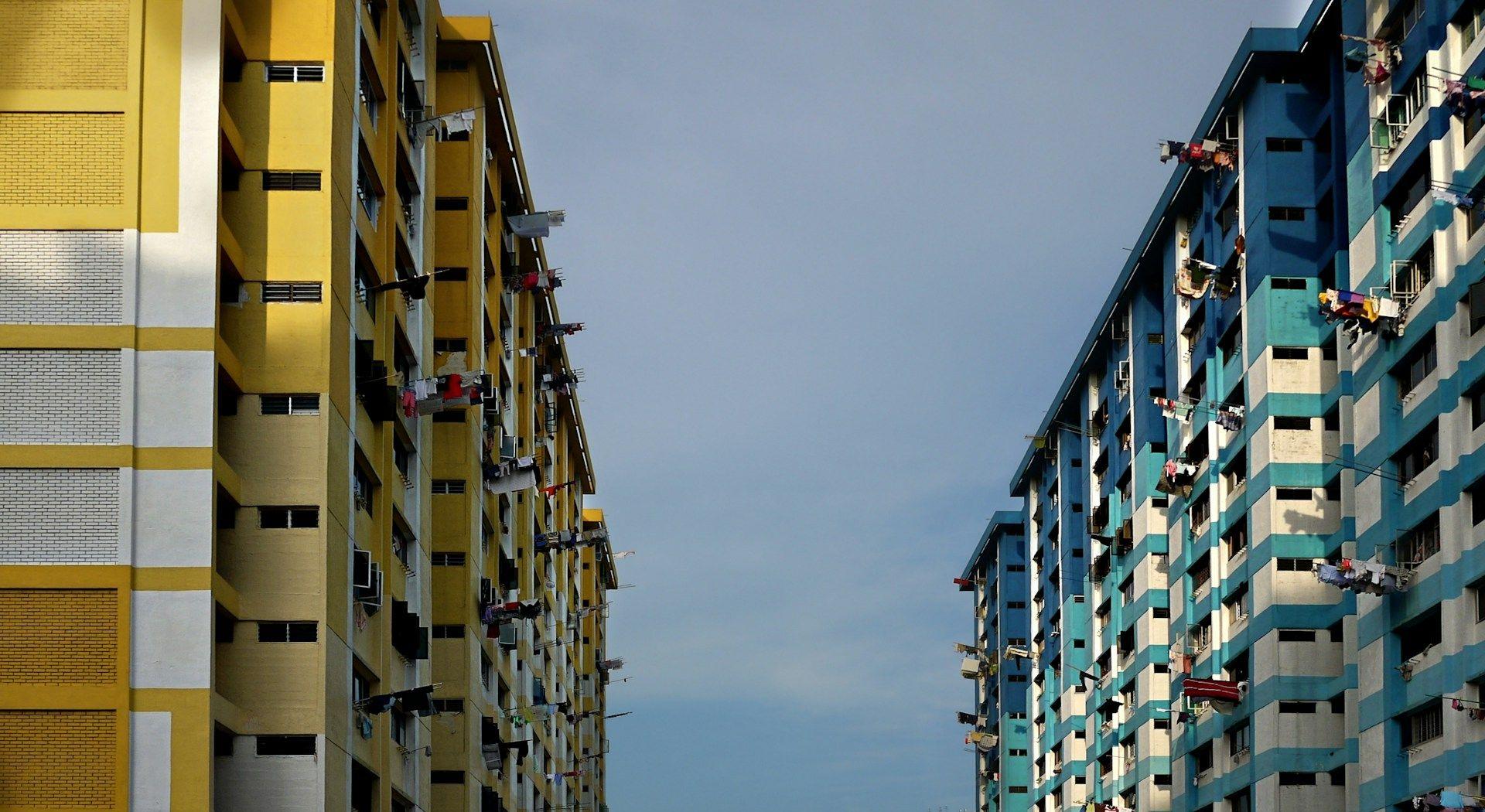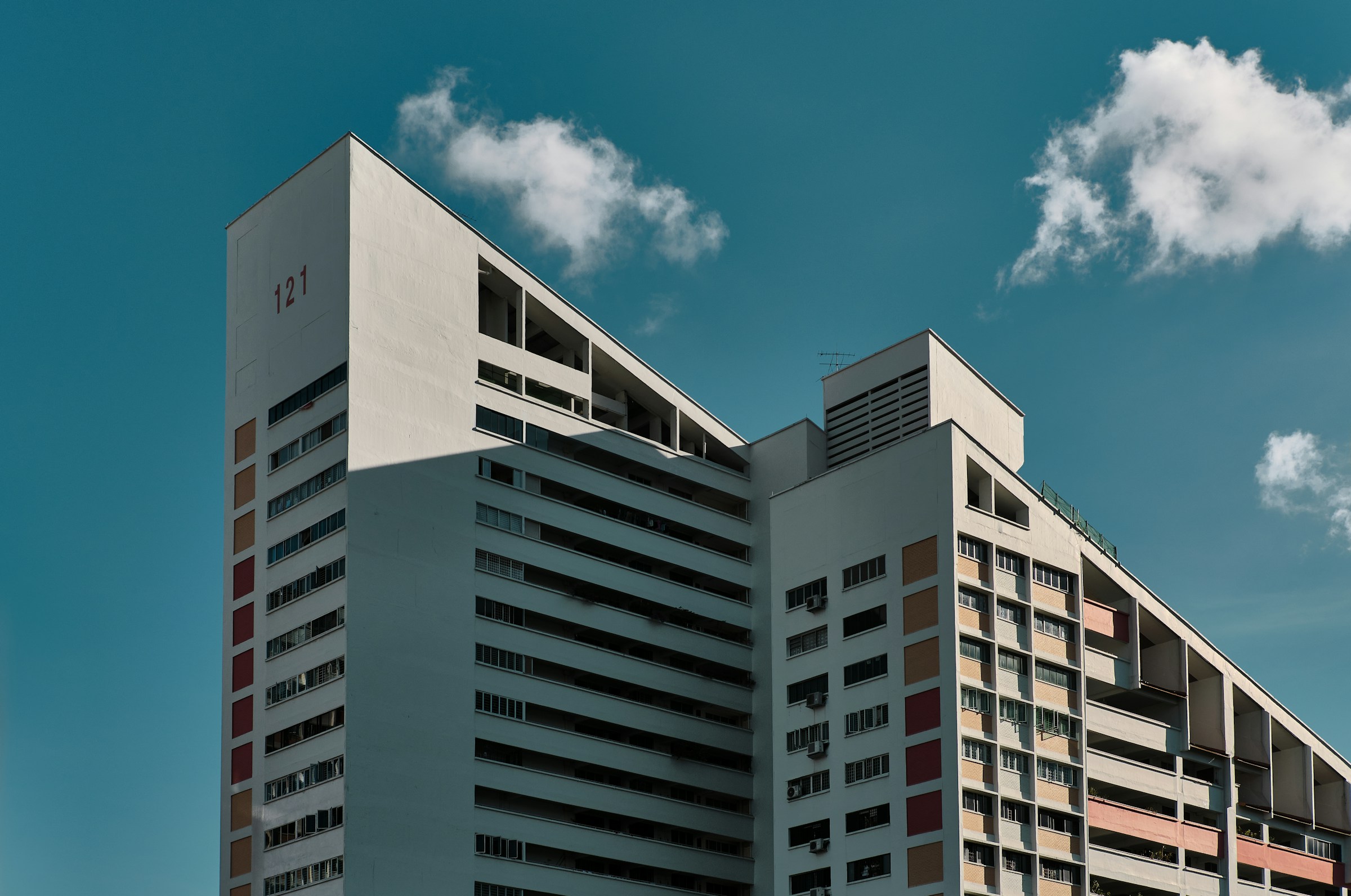
HDB rental in Singapore sits at a distinctive intersection of public policy and everyday market realities. When people say they are “renting an HDB,” they may mean two different arrangements that shape the benefits in slightly different ways. One is renting directly from HDB under the Public Rental Scheme, which is designed as a social safety net for eligible low income Singaporean households. The other is renting an HDB flat or bedroom from an owner in the open market, which functions more like a conventional rental decision but within a regulated public housing framework. Although the pathways differ, both are tied to the same institutional design that makes HDB rental feel more predictable than many rental markets in other global cities.
One of the clearest benefits is cost control relative to private housing options. HDB rental is not always “cheap” in an absolute sense, especially during periods of strong demand, but it typically offers a more affordable entry point than renting a private condominium. The reason is not only the absence of condo facilities. It is also because HDB flats represent a large, standardized housing stock that is less shaped by lifestyle branding and speculative pricing. In practice, tenants are paying for function and access, not for the premium associated with private developments. During rental upswings, this difference can matter greatly, because private rents can reprice quickly while the HDB segment often adjusts with less dramatic swings.
Price is only one side of value. Another major advantage is location, and it is more structural than it looks on paper. HDB towns were planned around transport connectivity and essential amenities, which means many estates offer practical access to MRT stations, bus interchanges, schools, clinics, hawker centres, wet markets, and neighbourhood retail. This reduces the friction cost of daily life. Commuting time, childcare logistics, and access to affordable food and services become easier to manage when a home sits within a mature, well serviced ecosystem. Renting an HDB flat can therefore deliver a high “livability per dollar” outcome, especially for tenants who prioritise convenience and routine stability over facilities like gyms or pools.
The regulatory framework around HDB renting is another benefit, even though it can feel restrictive. Clear rules reduce uncertainty, and uncertainty is a hidden cost in any rental decision. Requirements such as minimum rental periods discourage short stay arrangements that can destabilise living environments and push landlords to chase higher turnover pricing. When short term renting is not part of the model, tenants are less exposed to situations where leases are constantly renegotiated at short intervals. This does not eliminate rent increases, but it makes the rental relationship less vulnerable to rapid repricing tactics that can be common in markets dominated by short leases and transient demand.
This structured environment can also support a sense of neighbourhood continuity. Singapore deliberately manages the social composition of HDB estates, including rules that shape how many non citizens may live in a given neighbourhood or block. For many tenants, this can translate into more consistent community norms and fewer abrupt shifts in a block’s character. It also reflects a broader policy intention to keep public housing estates integrated rather than segmented into highly transient enclaves. The tradeoff is that availability may become uneven in popular locations, and some tenants may face additional search time when quotas tighten supply in specific blocks. Still, from a system perspective, these constraints are part of why HDB estates often retain a stable residential identity.
A related advantage is enforcement clarity. HDB renting operates within a framework where key conditions are publicly stated and compliance expectations are straightforward. In many cities, tenants must navigate ambiguous building rules, uneven enforcement, and informal landlord practices that complicate dispute resolution. In Singapore, the presence of clear guardrails tends to reduce the space for grey area arrangements. Tenants can check whether a unit is legally rentable and understand what kinds of arrangements are permitted. Landlords also face clearer compliance expectations. The result is a more standardised rental experience, which lowers the risk premium that tenants often pay in markets where uncertainty is high.
For eligible households who rent directly from HDB under the Public Rental Scheme, the benefits become more fundamental. This scheme is designed to provide a secure housing baseline for citizens who have limited resources and limited housing alternatives. In that context, the primary benefit is not only affordability, but the reduction of extreme housing insecurity. When a society has a strong rental safety net, economic shocks are less likely to push vulnerable households into unstable living arrangements. This stability can ripple into health outcomes, school continuity for children, and the ability of adults to stay engaged in work or retraining without the constant stress of precarious housing.
For households renting in the open market, the benefits often revolve around flexibility and timing. Singapore’s housing system strongly supports home ownership, but modern life stages are not always compatible with immediate ownership. Early career workers, people in transition after a relationship change, caregivers managing family responsibilities, and newcomers to Singapore may need a home before they can make longer term decisions. Renting can be the correct financial instrument when uncertainty is high. It avoids premature leverage, reduces exposure to interest rate sensitivity tied to housing loans, and allows households to maintain mobility while they clarify their plans. In this sense, the value of renting is not in “beating” ownership, but in matching housing decisions to life horizon and risk tolerance.
There is also a broader market benefit that becomes most visible when rents rise across the city. HDB rentals act as a partial pressure valve for the overall rental ecosystem. When private rents surge, some tenants shift their expectations and choose HDB because the tradeoff between price, space, and location remains attractive. This does not solve affordability challenges on its own, but it can moderate extremes by providing a large alternative segment that is not identical to the private market. The existence of meaningful substitution options reduces the likelihood that one single market clears at the highest possible price under tight supply conditions.
At the same time, it is important to recognise that HDB rental is not frictionless. Popular mature estates can be competitive, and tenants may need patience to find a suitable unit within budget. Open market HDB rents can still rise meaningfully during periods of strong demand. Eligibility conditions, occupancy rules, and compliance expectations also require attention, particularly for tenants who are unfamiliar with how public housing regulations shape renting. Yet these constraints are intertwined with the benefits. They are part of what keeps the segment anchored to residential use, reduces extreme volatility, and maintains a level of predictability that is increasingly rare in global rental markets.
Ultimately, the benefits of HDB rental in Singapore come from more than cost. They come from the way housing is treated as infrastructure, where rules and planning shape daily outcomes for tenants. Renting an HDB flat can offer an efficient mix of location access, amenity convenience, and a clearer regulatory environment. For those eligible for public rental, it can provide crucial stability and a secure foundation. For those renting in the open market, it can be a practical choice that supports mobility and risk management. In a city where housing decisions influence not only personal budgets but also labour mobility and social cohesion, HDB rental stands out because it is designed to be predictable, functional, and integrated into the broader life of the city.
 WhatsApp
 Instagram
 Threads