Starting a 401(k) later in life can stir a complicated mix of urgency, regret, and cautious hope. If you are in your forties or fifties and only now considering your first 401(k), it is easy to look at colleagues who began in their twenties and feel as if the race has already been decided. Yet a late start is not the same as no start at all. It simply means the strategy must be sharper, the priorities clearer, and the tradeoffs more deliberate. A 401(k) can still be one of the most powerful tools available to you, but you need to understand what it is designed to do, how its rules affect late savers, and how to fit it sensibly into the rest of your financial life.
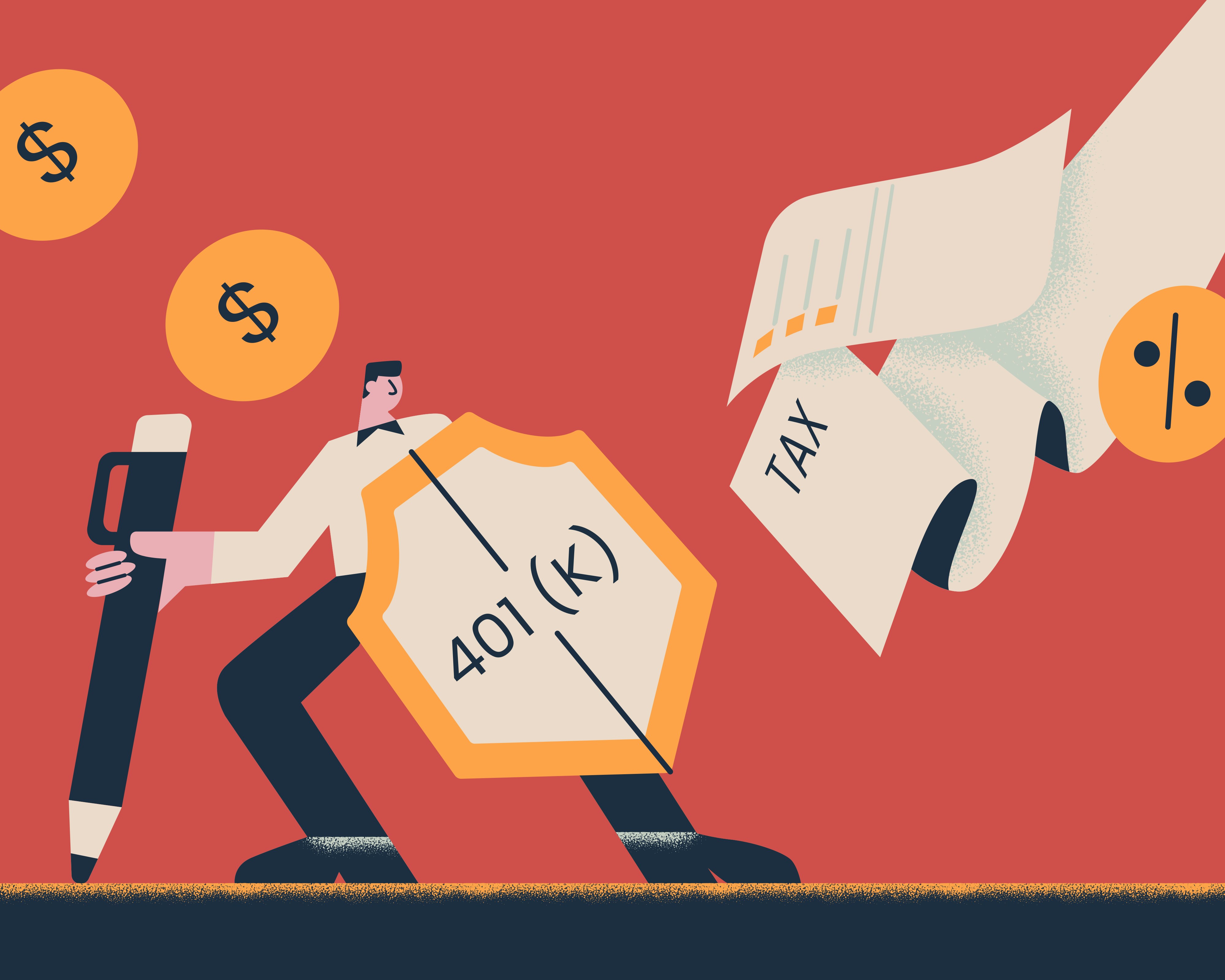
At its core, a 401(k) is an employer sponsored retirement plan that channels a portion of your salary into investments. With a traditional 401(k), contributions are made with pre tax income, which lowers your taxable income today. The money grows tax deferred and you pay income tax when you withdraw it in retirement. With a Roth 401(k), contributions are made with after tax income, so there is no tax break today, but qualified withdrawals in retirement are tax free. The mechanics may sound technical, but the intent is simple. The structure nudges you into long term saving by making contributions automatic through payroll and by restricting early access to the money.
For late savers, this structure can be both a blessing and a constraint. On one hand, automatic deductions help you stay consistent. Once contributions begin, you do not have to remake the decision every month. On the other hand, money inside a 401(k) is not meant to serve as an emergency wallet. Withdrawals before age 59½ often trigger income tax and penalties. If you already feel financially stretched, you must be honest with yourself about liquidity. Building retirement savings is important, but it cannot come at the cost of having no buffer for emergencies and being forced into high interest debt every time life turns unpredictable.
The fact that you are starting late changes the questions you need to ask yourself. Someone who began at twenty five could afford to contribute modestly at first because they had decades of compounding ahead. You, in contrast, have fewer years left before retirement and fewer market cycles to smooth out volatility. Instead of focusing only on which fund looks attractive, you have to think carefully about three linked issues. How many years are realistically left before you want to ease off full time work. How much can you contribute each year without destabilising your current commitments to housing, children, or parents. And how much market ups and downs you can tolerate without panicking and making abrupt changes.
This is why contribution rate becomes a central decision. With less time left, every year of delay has a visible impact on your projected retirement income. You may need to make more deliberate lifestyle tradeoffs than an early starter, because your savings now must work harder to make up for the years when contributions were absent. The good news is that the 401(k) rules do offer tools designed specifically for people in your position.
Each year, there is a maximum amount you are allowed to contribute to your 401(k), and from age fifty onward you are allowed to add extra catch up contributions above the standard limit. For late savers, these catch up allowances can be extremely valuable because they let you channel more of your peak earning years into retirement savings. You do not have to jump to the maximum overnight. Many people increase their contribution one or two percentage points at a time, often aligning those increases with salary raises or the payoff of a major loan so that the change is less painful.
At the same time, your employer may be offering you free money that you have not yet claimed. Many companies match a portion of employee contributions up to a certain percentage of salary. If you contribute less than that threshold, you are leaving part of your compensation on the table. For a late saver, capturing the full employer match is usually the first non negotiable target. Only after you reach that point does it make sense to debate how aggressively you should push toward the annual maximum.
Another decision that becomes more involved when you start late is the choice between traditional and Roth contributions. If you are in your peak earning years and paying a high income tax rate, traditional contributions can provide immediate relief by reducing your taxable income. That extra room in your monthly budget can help you increase savings elsewhere or accelerate debt repayment. However, if you expect to have substantial income in retirement as well, or if you anticipate higher tax rates in the future, Roth contributions can offer valuable flexibility by creating a pool of tax free retirement income.
Many plans allow you to split your contributions between traditional and Roth. Late savers can use this to build tax diversification. Some people choose to prioritise traditional contributions during their highest earning years and gradually shift part of their savings into Roth contributions as their income stabilises or trends down toward retirement. There is no single perfect formula, and tax rules can change, but the principle is to avoid putting your entire future retirement income into only one tax bucket if you can sensibly diversify.
Investment choices inside the 401(k) are another area where late savers face a delicate balance. You still need growth to close some of the gap created by a late start, yet you also have fewer years to recover if markets fall sharply just before you plan to retire. Most 401(k) plans offer target date funds that automatically adjust their mix of stocks and bonds as the chosen retirement year approaches. These funds are often marketed as a simple default and, for many people, they are a reasonable starting point because they remove the pressure of constant decision making.
However, it is worth looking under the hood. Some target date funds become conservative at a pace that does not match your reality. If you expect to work part time well into your sixties or seventies, or are comfortable with moderate volatility, a fund that shifts too quickly into bonds and cash could limit your potential growth more than necessary. Alternatively, if you are very risk averse, you may prefer a smoother path than the default equity exposure that some funds maintain.
If you decide to build your own mix of investments, the core idea is straightforward. You want enough exposure to equities to allow for long term growth, paired with bonds and cash like holdings that cushion short term shocks. The precise allocation depends on your age, your tolerance for fluctuations, your job security, and whether you have other assets, such as a paid off home, rental property, or taxable investment accounts. What matters most is consistency. Constantly shifting your allocation in response to market headlines can hurt returns, particularly when your time horizon is shorter. Even a simple written statement of your own investment rules can help you stay calm during periods of volatility.
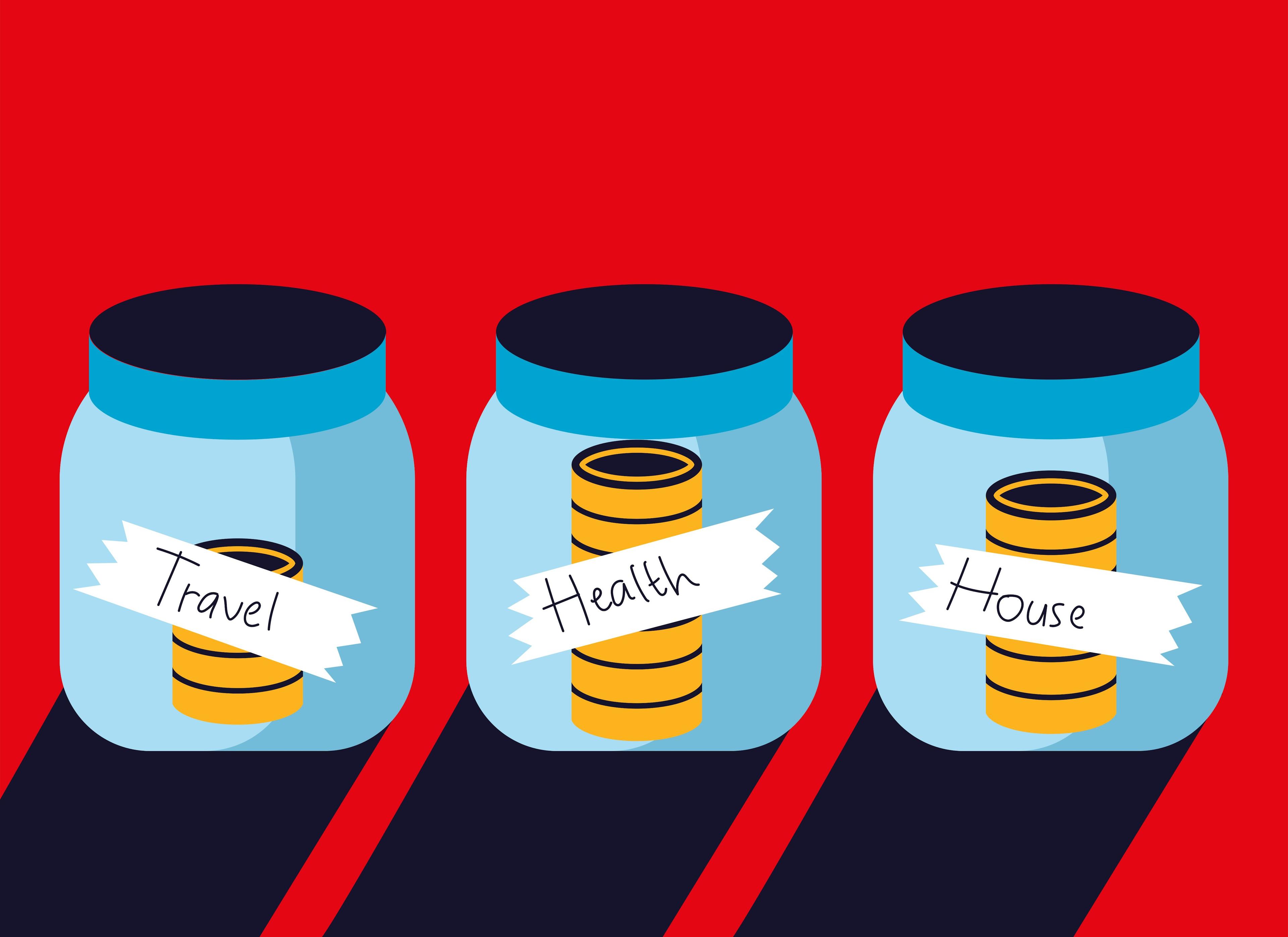
No 401(k) exists in isolation. Late savers often juggle mortgage payments, personal loans, education costs, and sometimes support for ageing parents. Before you commit to a high contribution rate, it is useful to sketch your finances in layers. The first layer covers essential living expenses and an emergency fund that can keep you afloat for several months if your income is disrupted. The second layer addresses medium term goals, such as clearing high interest debt and funding children’s education. The third layer is your long term retirement saving, where the 401(k) sits.
If your first layer is fragile, with no emergency buffer at all, pushing every spare dollar into your 401(k) might backfire. A single medical bill or job loss could push you into expensive borrowing, undoing progress. If your second layer includes large balances on high interest debt, ignoring those in favour of extra 401(k) contributions may cost you more in interest than you gain in potential investment returns, especially in the early years. A balanced approach for late savers often means securing the employer match in the 401(k) while aggressively paying down the most expensive debts and slowly building an emergency fund, then shifting more cash flow into retirement once those foundations are stronger.
Because you are starting late, you cannot afford to treat your 401(k) as a black box. It is important to read the details of your specific plan. You should understand the employer matching formula, the range of investment options, and the fees charged by both the funds and the plan itself. Higher fees erode returns over time, and when you are trying to catch up, you want as much of each contribution as possible working in the market rather than covering costs. You should also look at vesting rules. Some plans require you to work for a certain number of years before employer contributions fully belong to you. If you are considering a job change, this affects how much of the match you will actually keep.
It is equally important to consider how your new 401(k) interacts with any existing retirement arrangements. You may have individual retirement accounts, old employer pensions, or government schemes from previous jobs, especially if you have worked in different countries. Late savers benefit from consolidating information about these accounts, even if they remain separate in practice. Having a clear picture of all your retirement resources makes it easier to decide how aggressively you must save in your current 401(k) and whether your investment mix as a whole is aligned with your goals.
Beyond the technicalities, there are emotional realities that are often overlooked. Starting a 401(k) late can trigger a sense of failure, as if the only story available is that you should have started earlier. While that feeling is understandable, it can push people into one of two extremes. Some respond by taking outsized risks, chasing very aggressive investments in the hope of a quick catch up. Others feel paralysed and delay decisions further because facing the numbers feels too uncomfortable. Both reactions make the situation harder rather than easier.
A more constructive mindset is to treat your 401(k) as one instrument in a wider toolkit. You can combine higher contributions with other levers, such as adjusting your desired retirement age, considering part time work beyond your main career, revisiting housing choices, or rethinking spending expectations in retirement. None of these choices are simple, but they expand your options. You are not limited to a single income target. You are designing a whole lifestyle trajectory.
It can also be helpful to think about your retirement planning in the same structured way that policymakers and large organisations think about long term programs. Your contribution rate is your personal budget allocation toward your future self. Your investment mix is your risk policy. Your emergency fund is your stabilisation reserve that keeps the system functioning during shocks. Each time you adjust these elements, you are not just reacting to anxiety about the past, you are deliberately shaping a more stable future path.
You cannot rewrite the years when you were not contributing to a 401(k). What you can control is the strategy you use from this point forward. By understanding how 401(k)s work, making full use of employer matches and catch up contributions, choosing an investment approach that respects both your need for growth and your comfort with risk, and integrating the plan thoughtfully into the rest of your financial life, you give yourself a realistic chance at a more secure and flexible retirement than you might expect. Starting late is not ideal, but it is still a start, and that decision to begin is the turning point that matters most.
 WhatsApp
 Instagram
 Threads