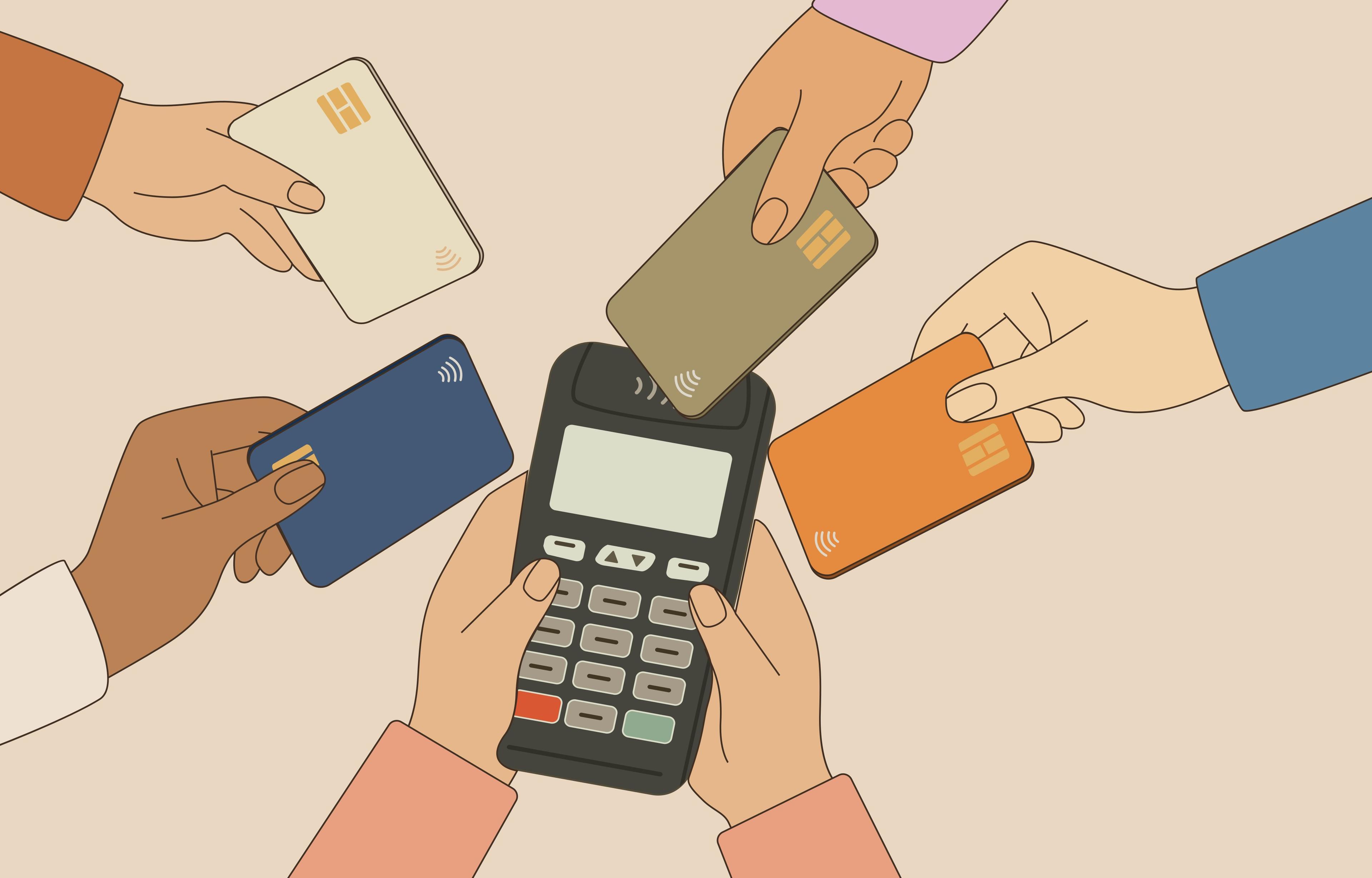
Buy now, pay later often appears at the bottom of a checkout page as a convenient little button, but what it really does is rearrange the way money flows through your life. Instead of one large sum leaving your account today, the total cost of a purchase is chopped into smaller pieces and spread over the coming weeks or months. That structure can look like a smart way to manage short term expenses. Your account balance feels healthier, your current month’s budget looks less squeezed, and you avoid swiping a credit card with a high interest rate. Yet the reality is more nuanced. BNPL does not erase the cost of what you buy. It simply shifts that cost forward and quietly reserves parts of your future paychecks.
To understand how BNPL can help, it is useful to think about the timing of money. Most people receive income at regular intervals and face a mix of fixed and variable expenses. Rent, utilities, insurance, and loan payments come with predictable due dates. Groceries, transport, gifts, and small treats move around from week to week. When an unexpected expense lands in a month that is already crowded, the budget can feel like it is bursting at the seams. In that moment, the option to split a payment into several instalments can act like a release valve. You preserve cash for essentials such as rent and food, while committing to cover the purchase in future pay cycles.
There are situations where this structure genuinely helps. Imagine a work laptop that suddenly dies or a refrigerator that fails without warning. These are not luxury splurges but tools that keep your daily life functioning. Paying for a replacement in one shot might drain the cash you rely on for other obligations. If the BNPL plan is genuinely interest free and the instalments fit comfortably within your upcoming income, spreading the cost out can protect your basic needs and prevent you from resorting to more expensive forms of borrowing. In that sense, BNPL becomes a simple cash flow tool rather than a trap.
BNPL can also be useful for people with irregular income. Freelancers, gig workers, and commission based professionals often experience uneven inflows of money. One month can be strong while the next feels thin. In those cycles, a single large purchase can be risky if it collides with a slow period. By stretching that cost across several pay cycles, BNPL can soften the bumps between high and low income months. The key, however, is that the total amount should still fit within an honest view of what you expect to earn, not a hopeful guess.
Some people also find that structured instalments give them a sense of order. Instead of confronting one intimidating figure at checkout, they see a series of smaller payments with fixed dates. For shoppers who already have a clear budget and who know that the instalments will fit within their essential or lifestyle spending categories, this breakdown can make it psychologically easier to commit to purchases that are reasonable but slightly larger than usual. The finite schedule of many BNPL plans can be another advantage. Unlike a credit card, where the balance can grow if you keep charging new items, a BNPL plan has a beginning and an end. Once the final instalment is paid, that commitment vanishes. For people who struggle with rolling credit card balances from month to month, this fixed structure may feel safer.
However, the same characteristics that make BNPL look helpful can also work against you if you are not deliberate. The main danger lies in how easy it becomes to underestimate the total burden of your commitments. A single instalment of twenty, fifty, or even one hundred dollars rarely feels threatening. Several instalments across multiple platforms can add up quickly, especially when they all draw from your account around the same time. Instead of thinking “I have spent eight hundred this month,” you find yourself looking at a handful of apps, each with its own schedule and deduction amounts. The real picture of your spending becomes fragmented.
Another issue is how BNPL can subtly encourage you to upgrade your choices. Instead of buying a basic appliance that you can comfortably afford, you might start to consider a more expensive model because the monthly instalments still look manageable. The purchase feels similar, because the immediate cash outlay is not much higher. What truly changed is the total cost, which now eats into more of your future income. Over time, this behaviour becomes a form of lifestyle inflation. Your standard of spending rises, but it is masked by how small the instalments appear.
Late fees are an additional risk. Many BNPL providers advertise “zero interest” but rely on penalties when payments fail or arrive late. If your account balance often sits close to zero or your income is inconsistent, there is a real possibility that an instalment will collide with a tight week. One or two late fees can quickly erode the benefit you hoped to gain from avoiding credit card interest. In those moments, the BNPL plan that once looked like a helpful bridge turns into an extra cost.
There is also a less visible consequence. Every BNPL instalment represents a slice of your future pay that has already been promised away. The more commitments you stack, the less flexibility you have when something unexpected happens. A medical bill, family emergency, or sudden travel need will feel heavier if next month’s income is already heavily precommitted to past purchases. Even positive surprises, such as an opportunity to invest, take a course, or boost your savings, may be harder to seize when BNPL instalments are already standing in line ahead of those goals.
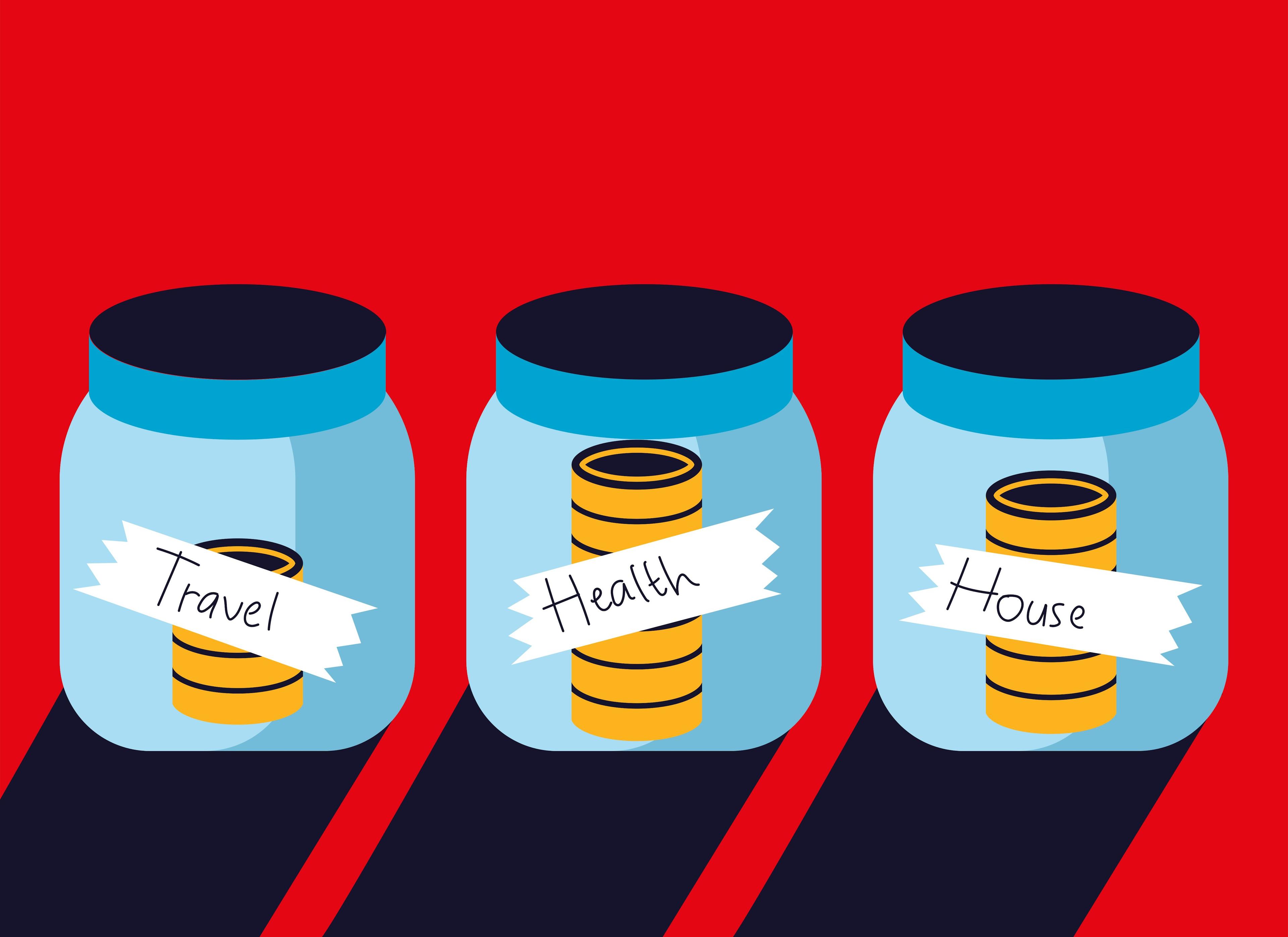
To use BNPL as a genuine short term tool rather than an automatic reflex, it helps to fold it into your overall plan instead of treating it as a separate universe. Start by looking at the structure of your monthly budget. Many people use a simple approach where income is divided into essentials, lifestyle spending, and money reserved for saving or debt repayment. BNPL instalments need to sit inside this structure, not float above it like extra money. If the plan pays for something essential, such as a work device or a home repair, the instalment should be counted in your essentials category for the months it runs. You still need to be able to afford rent, groceries, and other basic bills after including it. If the plan covers non essential items such as fashion, gadgets, or décor, the instalments belong in your lifestyle bucket. That means dining out, entertainment, or other treats should be consciously reduced while the plan is active, so that your total lifestyle spending does not quietly climb.
Setting a personal limit on the number of active BNPL plans can be another protective measure. Some people decide that they will never have more than one or two running at the same time, regardless of how many offers they see at checkout. This rule creates a built in pause. To accept a new plan, you either have to wait until an existing one finishes or pay it off early. The point is not self punishment, but clarity. It prevents your future months from becoming cluttered with overlapping commitments that are easy to forget until the deductions arrive.
It is also wise to keep all BNPL plans visible in the same place where you track your money. For each plan, note the total purchase price, the size of each instalment, the dates on which payments will be deducted, and the category of spending it belongs to. Whether you use a notebook, a spreadsheet, or a budgeting app, viewing all this information side by side makes it easier to see whether your upcoming months are still comfortable or already stretched. If adding a new BNPL instalment would push you to cut back savings or squeeze essentials, that is a signal to reconsider.
Your savings and emergency fund should act as anchors in this decision, not as an afterthought. Suppose a plan spreads a three hundred dollar purchase over four instalments of seventy five dollars. Compare those seventy five dollar chunks to the amount you normally save each month. If taking the plan means you will pause contributions to your savings for several months, ask whether the item is important enough to justify slowing down your longer term goals. BNPL should not quietly replace the habit of paying yourself first.
Because BNPL appears in such a casual way at checkout, it helps to insert your own mental checklist before you click. One useful question is whether you would still buy the item if you had to pay in full today from your available cash. If the honest answer is no, and the only reason you are tempted is the instalment option, that is a sign that BNPL is encouraging a purchase that your budget is not ready to carry. Another question is how many instalments you already have scheduled for the next couple of months. If you cannot answer easily without checking multiple apps, your future cash flow is probably more crowded than you realize.
It is also worth imagining a small setback. If you earned less next month, faced an urgent bill, or needed to support a family member, would these instalments still feel manageable. If the only way to cope would be to borrow more or open another BNPL plan, then your structure is fragile. Tools that work only in perfect conditions are not truly helping you manage expenses. They are adding another layer of risk. Reading the fine print helps too. Understanding how late fees work, whether there are account charges, and whether your behaviour is reported to credit bureaus allows you to see how BNPL fits into your broader financial life.
In the end, the question of how BNPL helps shoppers manage short term expenses is really about how you choose to align spending with income over time. Used thoughtfully, BNPL can act as a flexible bridge between necessary purchases and the rhythm of your paychecks. It can protect your essentials in tight months and help you avoid more expensive forms of debt. Used on autopilot, it can scatter your focus, crowd out savings, and turn future paydays into a series of obligations that arrive before you have even had the chance to plan. The goal is not to avoid BNPL altogether, but to make sure that every instalment you accept fits clearly within a budget that reflects the life you are trying to build.
 WhatsApp
 Instagram
 Threads