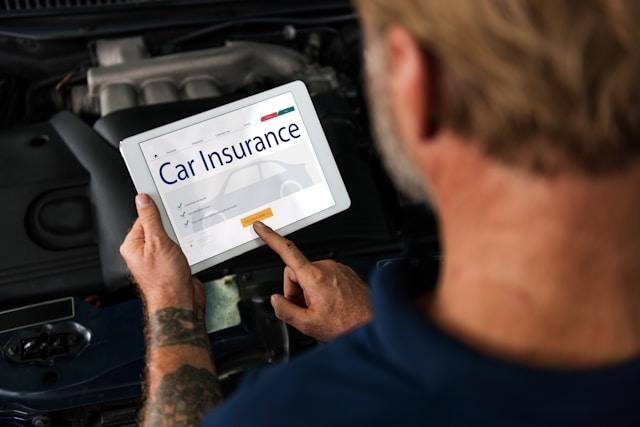
Car insurance coverage is easiest to understand when you stop thinking of it as a single product and start seeing it as a set of protections designed to handle different kinds of financial shocks. A crash or loss can create obligations to other people, damage to your own vehicle, and a chain of personal costs that follow you for weeks or months. The point of a policy is to prevent those costs from turning one bad moment on the road into a long, expensive detour that drains savings, disrupts routines, and forces difficult tradeoffs.
For many drivers, the first layer of coverage they encounter is the one required by law, and that is usually liability insurance. Liability coverage exists to pay for injuries or property damage you cause to others, and it is often the foundation of a policy because it addresses the most legally serious part of an accident. If you are responsible for a crash, the other party’s repair bills and medical expenses can escalate quickly, and the financial consequences can extend beyond what most people expect. Liability coverage typically includes bodily injury liability, which relates to medical costs and related claims for the other person, as well as property damage liability, which covers repairs to things you damage, such as another vehicle or structures along the road. The part that many people overlook is that liability coverage comes with limits, and those limits act like a ceiling. If a claim exceeds the maximum your policy will pay, you may be responsible for the rest, which is why liability choices are not merely about meeting a minimum requirement but about protecting your financial life from unusually large claims.
Beyond what you may owe others, a second category of coverage focuses on your own vehicle. Collision coverage is designed to pay for repairs to your car after an accident, and it is especially important because it can respond even when you are at fault or when fault is not immediately clear. It is the coverage that turns “my car is undrivable” into “my car can be repaired” without requiring you to rely on the other party’s insurer or wait for a long dispute over responsibility. Like many protective features of insurance, collision coverage usually comes with a deductible, meaning you pay an initial amount before the insurer pays the remaining repair costs. This deductible is one of the most important planning decisions in a policy because it directly shapes your out of pocket burden after a real event. A deductible that looks manageable on paper can feel heavy if it arrives during a month when cash flow is tight.
Comprehensive coverage serves a different role because it is meant to handle losses that do not come from a typical traffic collision. This is the part of a policy that often surprises drivers because it covers events like theft, vandalism, fires, floods, severe weather damage, and collisions with animals. Comprehensive is the protection for the risks that can harm your car while it is parked, or while you are driving but not colliding with another vehicle in the usual sense. Like collision, comprehensive usually includes a deductible, and its value becomes clearer in places where theft is common, flooding is a recurring threat, or weather events can cause significant damage. In practical terms, comprehensive coverage is what prevents a non driving event from forcing you into a sudden replacement decision.
Car insurance can also include coverage that follows people rather than the vehicle itself, particularly in the form of medical related benefits. Depending on the jurisdiction, policies may offer medical payments coverage or personal injury protection, commonly called PIP. Medical payments coverage is often structured to help pay medical bills for you and passengers after an accident regardless of fault, while PIP may extend further by covering additional costs such as lost wages, rehabilitation, and certain daily support needs if an injury disrupts your ability to work or function normally. Even when a driver has health insurance, these auto related medical coverages can still matter because health plans may involve deductibles, copayments, network limits, and administrative complexities when injuries are accident related. In that sense, auto medical coverage can be a useful buffer that reduces financial friction during recovery.
One of the most important protections in a policy is also one of the least appreciated until it is needed: uninsured and underinsured motorist coverage. This coverage exists because not every driver on the road is properly insured, and even those who are insured may carry limits that are too low to fully cover the harm they cause. If you are hit by an uninsured driver, or by someone whose coverage cannot realistically pay for the damage and injuries involved, uninsured and underinsured motorist coverage helps protect you from being forced to absorb the gap yourself. It addresses a risk that is not about your own driving behavior but about the reality that your financial outcome can depend on another person’s compliance and capability. In many cases, this coverage is what keeps an innocent driver’s recovery from becoming a long battle for reimbursement.
For drivers who finance their vehicles, the financial structure of ownership introduces another potential problem: the possibility that the car’s market value is lower than the remaining loan balance. This mismatch is common early in a loan, especially when down payments are small or repayment periods are long. If a financed car is totaled or stolen and the insurer pays only the vehicle’s actual cash value, the payout may not be enough to fully settle the loan. Gap insurance is designed to cover the difference, preventing a situation where you are still paying for a car you no longer have. While gap insurance becomes less relevant as the loan balance declines, it can be a meaningful protection during the years when depreciation moves faster than repayment.
Not all coverage is about catastrophic events. Some of it is about keeping life moving after a disruption. Rental reimbursement coverage helps pay for a rental car while your vehicle is being repaired after a covered claim, which can matter greatly if you rely on your car for commuting, caregiving responsibilities, or daily logistics. Roadside assistance can cover towing, jump starts, lockout services, or fuel delivery, and while these seem minor compared with collision or liability, a single unexpected towing bill can make the value feel immediate. These add ons can be thought of as routine protectors, helping reduce the secondary costs and inconveniences that often follow a breakdown or accident.
Policies may also offer endorsements and special features that matter for specific situations. New car replacement coverage can replace a totaled car with a newer model within a defined window rather than paying depreciated value, while custom equipment coverage can protect modifications and upgrades that standard policies might not fully cover. For drivers who use their vehicles for rideshare or delivery work, specialized endorsements may be necessary because personal policies often exclude certain commercial uses. This is where the fine print matters, because coverage is shaped not only by what is listed as included, but by what is excluded, and exclusions can determine whether a claim is paid or denied when it truly counts.
Ultimately, what car insurance provides is not simply a set of definitions but a way to set boundaries around financial exposure. The real outcome of good coverage is that it prevents a single incident from becoming a cascade of losses. The smart way to choose coverage is to think like a planner rather than a shopper. Liability limits should be considered in light of what you have to protect, collision and comprehensive should match how costly it would be to repair or replace your car, and deductibles should reflect what you can truly pay without strain if the unexpected happens. When drivers understand these layers, car insurance stops being a confusing bundle of terms and becomes a practical tool for protecting savings, preserving stability, and keeping everyday life resilient in the face of risk.
 WhatsApp
 Instagram
 Threads