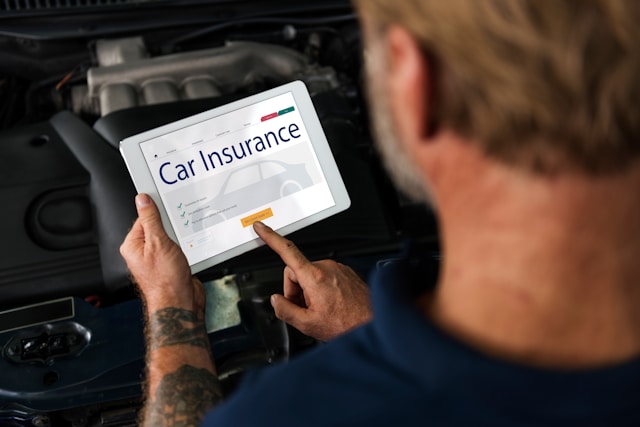
Car insurance has a way of feeling like a bill you cannot control. You pay it faithfully, you hope you never need it, and then the renewal notice arrives with a number that seems to ignore how careful you have been. The frustration makes sense, because premiums are not priced only on your personal driving record. Insurers adjust rates as the costs around claims change, from parts and labor to medical bills and theft patterns. Even if your habits stayed steady, the market around you may have shifted. Still, you are not stuck. The most reliable way to lower car insurance is to make your policy reflect your real risk and your real needs, instead of paying for assumptions that no longer match your life.
The first step is to treat car insurance as a financial tool, not a moral scorecard. Many people think the premium is a reward for being responsible, but pricing is more like a forecast. Insurers estimate how likely you are to file a claim and how expensive that claim could be. When you understand that, the path to a lower premium becomes clearer. You are trying to reduce the insurer’s uncertainty and reduce the size of losses they might have to pay, while keeping enough protection so an accident does not become a long-term financial setback. It helps to start with a simple question: what problem is your insurance meant to solve? For most drivers, the goal is not to pay the minimum possible. The goal is to turn a potentially devastating accident into a manageable inconvenience. When you have that goal in mind, you can cut costs in a way that keeps you protected where it matters and trims the parts that add price without adding much value.
A common mistake is immediately reducing coverage, because it feels like the most direct route to a lower bill. Sometimes it is, but it can also be the most expensive kind of savings if it leaves you exposed in a serious crash. There is a difference between coverage that protects other people and coverage that protects your own car. Liability coverage, which pays for injury or damage you cause to others, is the foundation. If an accident results in large third-party costs, weak liability cover can put your savings at risk. That is why “lowering insurance” should not mean stripping away protection that could prevent a financial disaster. The smarter approach is to preserve strong liability coverage, then optimize the parts of the policy where you actually have flexibility.
That flexibility often sits in the “own damage” side of a policy, such as comprehensive and collision coverage, windscreen protection, theft cover, and other optional benefits. Whether you need comprehensive coverage depends on your car’s value, whether you have a loan, and your ability to absorb a loss. If you are still paying off your vehicle, comprehensive coverage may be required. If you own the car outright and it is older, you can evaluate it through a practical lens: if the car were totaled tomorrow, could you replace it without derailing your finances? If the answer is no, comprehensive coverage is still doing an important job. If the answer is yes and the premium is high relative to the car’s value, you may be paying for protection you no longer need.
Even when comprehensive coverage remains appropriate, you can often lower the price by adjusting the deductible, sometimes called an excess. The deductible is what you agree to pay out of pocket before insurance pays the rest. Higher deductibles usually mean lower premiums, because you are taking on more of the small and medium costs, leaving the insurer responsible mainly for the large losses. This can be a powerful lever, but only if you choose a deductible you can truly afford at short notice. A deductible should never be an imaginary number chosen to win a discount. It should be tied to cash you can access without stress. If you raise your deductible to lower your premium and then you cannot pay it when you need to file a claim, you have created a policy that looks cheaper but functions poorly. A realistic deductible is one that fits comfortably within your emergency fund, not one that forces you into debt.
Thinking in layers can make this easier. Small bumps and minor scratches are annoying, but they are rarely financially life-changing. Major accidents, theft, or total loss events are different. Insurance works best when it protects you against the events you cannot easily pay for yourself. A higher deductible is essentially you saying, “I can handle the small problems, but I want protection from the big ones.” When that statement is true in your budget, you can often reduce premiums without reducing meaningful protection.
Another reason premiums rise is that policies quietly accumulate add-ons. These extras often sound reassuring, which is why they are easy to keep year after year, even when they no longer match your life. Personal accident benefits, roadside assistance, extended windscreen cover, legal add-ons, and courtesy car coverage can all increase the premium. The question is not whether the add-on sounds good, but whether it solves a problem you are likely to face and whether the price is fair relative to the benefit.
For example, roadside assistance can be useful, but you might already have similar support through a car club membership, a credit card perk, or your vehicle’s warranty program. If you are paying for it twice, your premium is higher for no added protection. Personal accident riders can also overlap with employer benefits or personal insurance you already own. Windscreen coverage might be worthwhile in a region where chips and cracks are common and replacement is expensive, but in other cases it might be cheaper to pay out of pocket if something happens once in a long while. The easiest savings are often found in these quiet extras, because removing them does not change your core protection.
How you use the car matters too, and many drivers forget to update this information. Insurers price for exposure. A commuter who drives long distances daily is generally exposed to more risk than someone who drives occasionally. If your work situation changed, such as switching to remote work, moving closer to work, or using public transport more often, your annual mileage and usage category may be different now. In some markets, lower mileage can qualify you for lower rates, and in others, usage-based insurance programs reward limited driving and calmer driving behavior. Even if the discount is not dramatic, accurate usage reduces the chance you are being priced for a lifestyle you no longer live.
Driver information is another area where accuracy protects both your premium and your ability to claim. If someone is listed as a driver who no longer uses the vehicle, removing them can reduce cost. If you share a car, the way drivers are listed can affect pricing, and it can affect claims if the insurer believes the policy was misrepresented. The cheapest premium is never worth a claim dispute. Being honest about who drives the car most often and how the car is used keeps the policy aligned with reality, which is what insurers want.
Where you park and how you secure the car can also influence cost. Parking in a garage or secure access area reduces theft and vandalism risk compared to leaving a car on the street overnight. Security devices, immobilizers, and tracking systems may earn discounts in some cases, but even when the discount is small, lowering the odds of theft protects your long-term pricing. A dashcam may not always reduce the premium directly, but it can reduce disputes and speed up claims resolution, which can matter when liability is unclear.
One of the most valuable long-term levers is your claims history and any no-claim discount you have built. No-claim discounts can feel invisible until they are gone, and losing them can raise your premium for years. This is where a thoughtful approach matters. If a repair is small enough that you can comfortably pay out of pocket, it may be financially better to handle it yourself rather than filing a claim that could reduce your discount. This does not mean you should never claim. It means you should reserve claims for events that are large, complex, or involve third parties where the financial and legal risks are significant. The goal is to use insurance for the situations it is designed for, not as a maintenance plan for every minor cost.
Some insurers offer protection for your no-claim discount for an added premium. Whether it is worth buying depends on the price and your likelihood of claiming. If the protection rider costs almost as much as the savings the discount provides, it may not be good value. But if you have a strong discount and you are worried about one incident resetting years of progress, it is worth pricing and comparing. The key is to run the numbers calmly, not buy it out of fear. Shopping for quotes is often the most direct route to a lower premium, because insurers price risk differently. Two companies can look at the same driver and reach very different conclusions. But shopping only works if you compare similar coverage. A lower quote is not always a better deal if it is lower because it excludes key protections, raises the deductible, or restricts drivers. If you want to shop effectively, decide what you want first. Set your liability limits, decide whether comprehensive coverage makes sense, choose a deductible you can afford, and keep only the add-ons you truly value. Then get quotes using those same assumptions. When you do that, you are comparing pricing rather than comparing policy shapes.
Renewal season is also a good time to check how payment method affects cost. Paying monthly can be convenient, but some insurers add fees or financing charges to spread payments. Paying annually can reduce total cost, but only if it does not strain your cash flow. Saving on insurance is not a win if it forces you into high-interest debt elsewhere. Sometimes the healthiest financial choice is to keep monthly payments until your budget is steadier, then switch to annual payment when you can do so comfortably.
If you live in a jurisdiction where insurers consider credit-related factors, your broader financial habits can matter too. Improving credit health, correcting errors, and keeping credit utilization manageable can reduce insurance costs over time. This is not universal, and rules vary by region, but it is a reminder that insurers often use proxies for risk beyond driving. Even in places where credit is not considered, basic documentation accuracy matters. Incorrect address details, mismatched occupation categories where relevant, or incomplete vehicle data can push you into a higher-priced segment. Before assuming an insurer is overcharging you, it is worth checking the details on your policy and correcting anything inaccurate.
Some drivers consider telematics and usage-based insurance as a modern solution. These programs can be a good fit for low-mileage drivers with calm habits, because they give the insurer more data and can reduce their uncertainty. But they are not for everyone. If you drive at irregular hours, commute in heavy traffic, or simply do not want your driving monitored, the stress and privacy tradeoffs may outweigh the discount. If you do explore telematics, pay attention to how the scoring works, whether your premium can increase based on recorded behavior, and what data is collected. A discount is only a bargain when it fits your life.
There is also a longer-term way to lower premiums that begins before you buy the car. Some vehicles are simply more expensive to insure because they cost more to repair, have pricier parts, are frequently stolen, or tend to produce larger claims when accidents happen. If you are planning to change vehicles, insurance costs should be part of the affordability calculation, just like fuel, maintenance, and depreciation. A car that is slightly cheaper to purchase but expensive to insure can cost more over time than a car with a better insurance profile. Even if you are not changing cars, maintaining your vehicle well can protect your long-term premium by reducing the odds of accidents and the severity of damage.
The temptation, when you are trying to reduce premiums, is to chase the cheapest possible quote. Sometimes that works. Sometimes it is a warning sign. An unusually cheap policy might come with strict claim conditions, narrow definitions of coverage, limitations on repair networks, or a claims process that is slow and frustrating. Insurance is a promise, and the claims experience is part of what you are buying. The right question is not only, “How much do I pay?” It is also, “How likely is this policy to work smoothly when I need it?” A slightly higher premium can be worth it if it buys clearer coverage and a better claims track record, because disputes and delays have real financial and emotional costs.
In practice, lowering car insurance becomes much easier when you treat it as an annual routine rather than a once-a-year panic. When renewal approaches, take a moment to check what changed in your life. Did your mileage drop? Did you change jobs or work arrangements? Do you park in a different place now? Are there drivers listed who no longer use the car? Then review whether your coverage still matches your financial reality. Make sure liability protection is strong, adjust your deductible to a level that fits your emergency fund, remove add-ons you do not need, and keep the protections that would actually matter in a serious incident. After that, shop a small set of comparable quotes and choose based on value, not just the headline price.
The most important idea is that premiums tend to fall when your policy is aligned with reality. When you are priced for a lifestyle you no longer live, when you carry add-ons you do not use, or when your deductible does not match your budget, you pay extra for no real benefit. Lowering car insurance is rarely about a secret trick. It is about presenting your true risk profile clearly to the market and paying for coverage that protects your future, not your anxiety. When your policy becomes lean and intentional, the premium often follows.
 WhatsApp
 Instagram
 Threads