The IRS is important to the US tax system because it is the institution that turns tax law into a working reality. Many people experience taxes as a once a year chore, but the system itself depends on something much bigger than filing season. The United States relies heavily on voluntary compliance, meaning most people pay what they owe because the rules are clear, withholding happens automatically for many workers, and there is a credible expectation that cheating carries consequences. The IRS supports that credibility. Without a functioning administrator, tax rules would exist only on paper, and the system would drift toward uneven enforcement where honest wage earners pay by default while others find ways to avoid responsibility.
At its core, the IRS keeps federal revenue flowing in a reliable way. The government cannot run on unpredictable cash collection, which is why withholding, payroll taxes, and estimated payments exist. The IRS oversees and enforces these mechanisms so money arrives steadily throughout the year rather than depending entirely on year end filing behavior. This steady flow matters because it helps fund public services and programs without forcing the government into constant short term borrowing. When collection works smoothly, the government can plan and operate. When it does not, the costs show up elsewhere through higher deficits, delayed services, or future tax increases on people who already comply.
Just as important, the IRS helps protect the basic fairness that keeps the system from collapsing under resentment. The tax system will never feel perfectly fair to everyone, but it needs to feel fair enough that people believe the rules apply broadly. Most wage income is difficult to hide because employers report it and taxes are withheld automatically. Other types of income can be easier to underreport, especially when reporting is inconsistent or when structures grow complex. The IRS matters because it narrows that gap through reporting requirements, matching systems, and enforcement. It does not need to audit everyone to have an effect. It needs to maintain the perception and the reality that underpayment is risky and that compliance is expected across income levels, not only from people whose paychecks are already transparent.
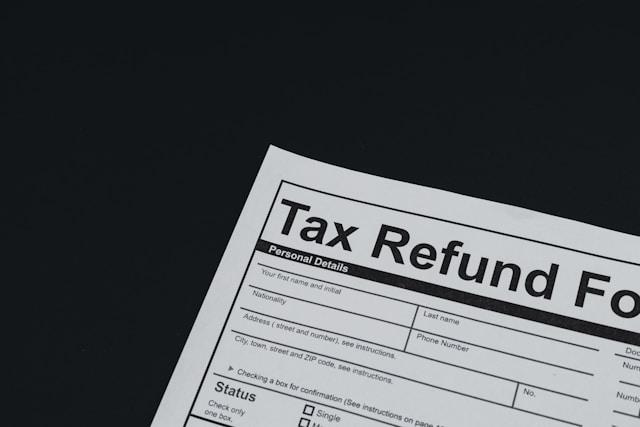
The IRS also plays a major role in delivering benefits through the tax code. Taxes are not only a tool for raising revenue. They are also used to provide support through credits, deductions, and refunds, including refundable credits that can provide cash even when tax liability is low. For many households, tax refunds are a meaningful part of annual budgeting, and the IRS is the engine that processes returns and moves that money. When the agency is efficient, people receive refunds and credits on time. When it is overwhelmed, backlogs and delays create stress, especially for households that rely on those funds to cover essentials.
Beyond enforcement and payments, the IRS is important because it helps make the system usable and legitimate. A modern tax system needs ways to correct mistakes, dispute decisions, set up payment plans, and appeal outcomes. If taxpayers had no realistic pathway to challenge errors or resolve issues, compliance would feel arbitrary and hostile. The IRS provides the structure for notices, documentation standards, and review processes that allow problems to be resolved. This function is easy to ignore until you need it, but it is central to keeping the system from turning into an inflexible machine that punishes people for misunderstandings or administrative mistakes.
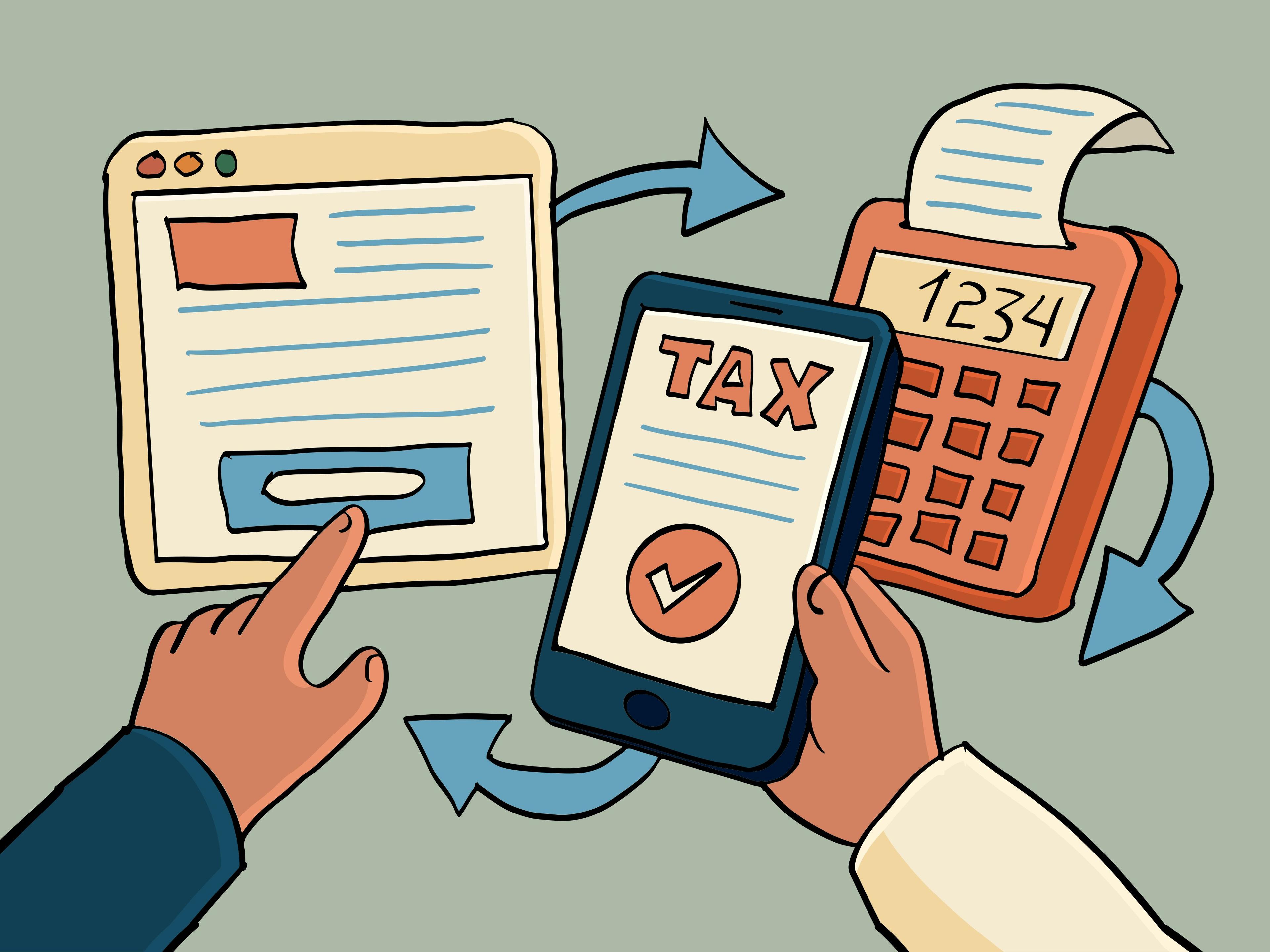
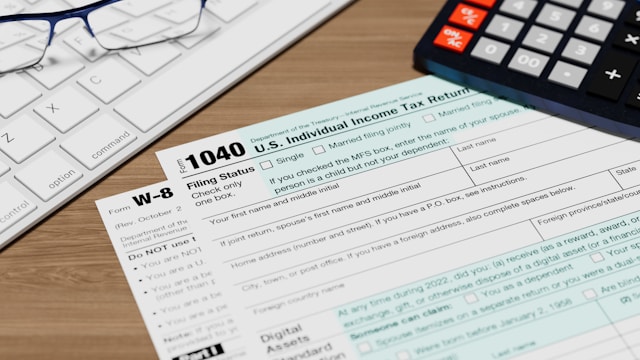
The IRS also provides the standards that shape financial life outside tax season. Lenders often use tax returns to verify income during mortgage applications. Businesses rely on standardized forms like W-2s and 1099s to report payments. Tax software companies build their products around IRS formats, validation rules, and electronic filing infrastructure. In that sense, the IRS acts like the backbone platform that connects employers, banks, investors, and households into a shared reporting system. That standardization reduces chaos. Without it, people would have fewer reliable records, more uncertainty, and higher costs to prove basic financial details.
When the IRS is under-resourced or outdated, the damage spreads quickly. Processing delays disrupt household cash flow, customer service breakdowns make it harder to fix errors, and weak enforcement allows the tax gap to grow. Over time, this shifts the burden toward those who cannot easily hide their income, undermining trust in the system. The result is not a lighter tax burden. It is a more fragile and uneven system that encourages avoidance among those who can and punishes those who cannot. In the long run, that imbalance can drive higher deficits or heavier pressure on compliant taxpayers, both of which create economic and political instability.
Ultimately, the IRS is important because it makes the tax system credible. It converts laws written by Congress into forms, processes, reporting standards, and enforcement practices that actually function at scale. It keeps revenue flowing, supports fairness by reducing evasion, delivers benefits through refunds and credits, and provides mechanisms for dispute resolution that keep the system legitimate. Whether people like it or not, the IRS is not just a collection agency. It is the institution that holds together the everyday operations of the US tax system and helps ensure the rules are more than words on a page.
 WhatsApp
 Instagram
 Threads