The IRS collects federal taxes through a system designed to make payment routine and predictable for most people, long before anyone files a tax return or receives an official letter. For many workers, the experience of “tax season” feels like the main event, but in reality most federal income tax is collected gradually throughout the year. The annual return is primarily a reconciliation step, a formal accounting that compares what you already paid with what you ultimately owed. When that reconciliation shows a shortfall and the balance is not paid, the IRS moves from passive collection methods into a structured process of notices, added charges, and, in more serious cases, enforcement.
For employees, the most important collection tool is withholding. Each time an employer runs payroll, a portion of wages is withheld based on the worker’s W-4 information and pay level. That withheld amount is sent to the U.S. Treasury on the worker’s behalf, which means the government is collecting revenue steadily as income is earned. This “pay as you go” approach is not just a convenience. It is the backbone of how the federal government ensures a constant flow of tax payments without relying on one annual deadline for everyone. Withholding also reduces the odds that a household will face a large bill at filing time, because the payment has been happening automatically in the background.
Withholding works best when someone’s income is straightforward and predictable. It can become less accurate when income is variable or complicated, such as when a worker receives large bonuses, has multiple jobs, earns significant investment income, or has a household with two earners whose combined situation makes default withholding less aligned with their true tax bill. In those cases, the quiet efficiency of withholding can turn into a surprise balance due later, not because the taxpayer did anything wrong, but because the assumptions in the withholding system did not match real life. That is why adjusting withholding can be an important planning habit, especially after major changes like a job switch, a pay increase, or a new side income stream.
For people who earn income that does not come with withholding, the IRS relies on estimated tax payments. This includes many freelancers, independent contractors, business owners, and sometimes employees with substantial non-wage income. Estimated payments are essentially self-managed withholding. Instead of an employer sending money in small increments, the taxpayer makes periodic payments to cover federal income tax and, when relevant, self-employment tax. The logic is the same. The government expects taxes to be paid throughout the year as income is earned, not only once at filing time. When someone ignores estimated payments and waits until April, the IRS does not just see a late payment. It sees a taxpayer who did not follow the pay-as-you-go structure, which can trigger underpayment penalties even if the full amount is eventually paid.
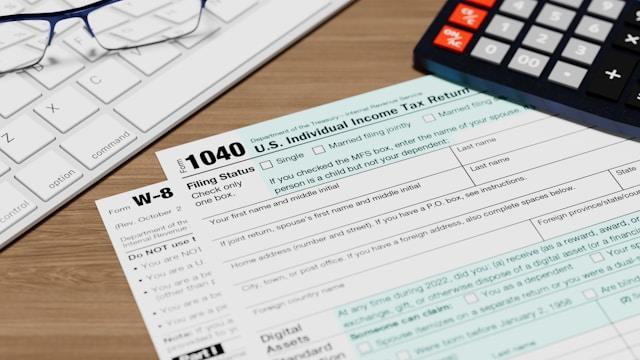
The IRS also collects taxes through information, not only through money. Employers and financial institutions report income information to the government on forms like W-2 and various 1099s. This reporting creates a separate record of what a taxpayer likely earned, even before the taxpayer files a return. When a return is filed, the IRS compares the taxpayer’s reporting to what third parties have already reported. This matching process is part of how the IRS maintains compliance at scale. It also explains why filing is so central to the collection system. Filing is not merely a personal chore. It is the official reconciliation that confirms the year’s tax liability and ties it to what has already been paid through withholding and estimated payments.
When filing shows that a taxpayer paid more than they owed, the result is a refund. Many people experience refunds as a bonus, but technically a refund is the return of an overpayment. That distinction matters because an overpayment can be redirected if the taxpayer has certain outstanding debts in the federal system. In some cases, a refund may be offset and applied to delinquent obligations rather than sent to the taxpayer. This is another way the government “collects,” because it treats overpaid taxes as funds that can be redirected to satisfy eligible debts before the taxpayer receives the remainder.
If filing shows that a taxpayer paid less than they owed, the system shifts into a more visible phase. The IRS begins with a bill and expects voluntary payment. At this stage, the collection process is still largely procedural and communication-driven. The IRS sends notices that state what it believes is owed, explains how to pay, and lays out what happens if the balance is not resolved. The real cost of ignoring this phase is not only the outstanding balance itself. Penalties and interest can accrue and can make the debt grow over time. For many households, the main financial lesson is that delay is expensive. Even if you plan to pay, doing nothing while charges accumulate can turn a manageable bill into a longer and more stressful problem.
Because the IRS understands that not every taxpayer can pay in full immediately, it offers structured ways to get current. Payment plans, often called installment agreements, allow taxpayers to pay over time. Setting up a formal plan is not just an administrative step. It is a strategy for staying inside a monitored, recognized channel that signals cooperation. While interest and some penalties may continue to accrue until the full balance is paid, being on an approved plan can reduce the risk of escalation into harsher collection actions. In practical terms, the IRS tends to respond better to engagement than to avoidance. If you cannot pay in full, entering a formal arrangement early is usually safer than waiting for multiple notices to arrive.
When a balance remains unresolved, the IRS has tools that can escalate the situation. Two of the most commonly misunderstood are liens and levies. A tax lien is the government’s legal claim against a taxpayer’s property, arising after the IRS assesses the tax and the taxpayer fails to pay. A lien does not necessarily mean the IRS takes property immediately. Instead, it protects the government’s interest and can affect financial flexibility, especially when a taxpayer tries to sell a major asset or obtain credit. A levy, on the other hand, is the legal seizure of property or rights to property to satisfy a tax debt. That can include garnishing wages, levying bank accounts, or taking certain assets under the law. The emotional fear around these terms is understandable, but the practical point is that the IRS typically uses a sequence of notices and opportunities to resolve the debt before resorting to seizure. The danger zone grows when a taxpayer stops responding.
Notices are a core part of how the IRS collects because they create deadlines and document the agency’s steps. They also create choices. A taxpayer who responds can dispute an amount, request a plan, or seek other forms of relief depending on the situation. A taxpayer who does not respond narrows their options and increases the likelihood of enforcement. This is why it helps to treat IRS mail as a workflow rather than as a personal verdict. The language may feel stern, but the purpose is to move the case along a defined track.
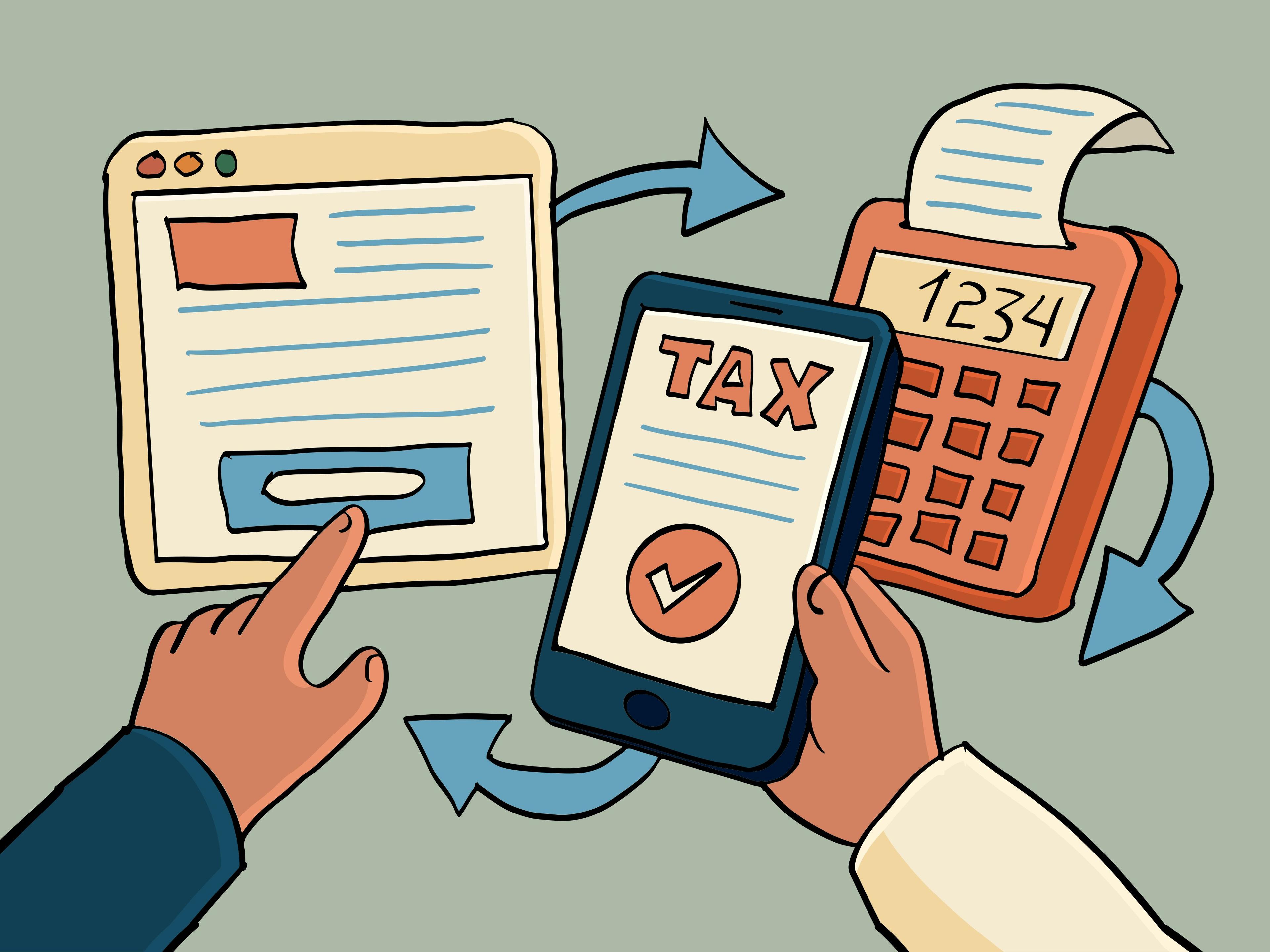
Modern IRS collection also relies on infrastructure that makes paying easier. Online accounts, electronic payment systems, and scheduled payments support the same principle that powers withholding and estimated taxes: the easier it is to pay on time, the more likely people are to comply voluntarily. For taxpayers juggling multiple obligations, the method of payment can be as important as the intention to pay. Automatic or scheduled payments can reduce the risk of missed deadlines, which in turn reduces the risk of penalties and escalation.
One more piece of the collection story is easy to overlook because it happens even when someone is not in obvious trouble. Underpayment penalties can apply when a taxpayer did not pay enough throughout the year, even if they pay the balance when filing. This is not the IRS being punitive for the sake of it. It is the IRS enforcing the pay-as-you-go structure. From the agency’s perspective, the issue is timing. If taxes were supposed to arrive gradually but did not, the system treats that as a failure to pay according to schedule, not merely a bookkeeping mismatch. For taxpayers with uneven income, planning is often less about finding loopholes and more about staying aligned with the timing rules that prevent avoidable penalties.
Seen as a whole, the IRS collects federal taxes through layers. The first layer is the quiet, automated flow of withholding and estimated payments that moves money to the government throughout the year. The second layer is information reporting and return filing, which reconciles what was paid with what was owed. The third layer is the billing and notice process when a balance remains due, where penalties and interest create urgency and payment plans provide a structured path back to compliance. The fourth layer, used when earlier steps fail, includes tools like liens that protect the government’s claim and levies that allow the IRS to take payment through legal seizure.
For most taxpayers, the system stays quiet when they stay in rhythm. Withholding is set reasonably, estimated payments are made when required, and filing confirms that the year’s payments match the liability. Problems become louder when the rhythm breaks, especially when someone misses payments and then avoids the notices that offer paths to resolve the debt. The most stabilizing approach is to view the IRS not as a once-a-year event but as a year-round timing system. When you respect the timing, collection remains routine. When timing fails, the process becomes more formal, more expensive, and less flexible.
 WhatsApp
 Instagram
 Threads