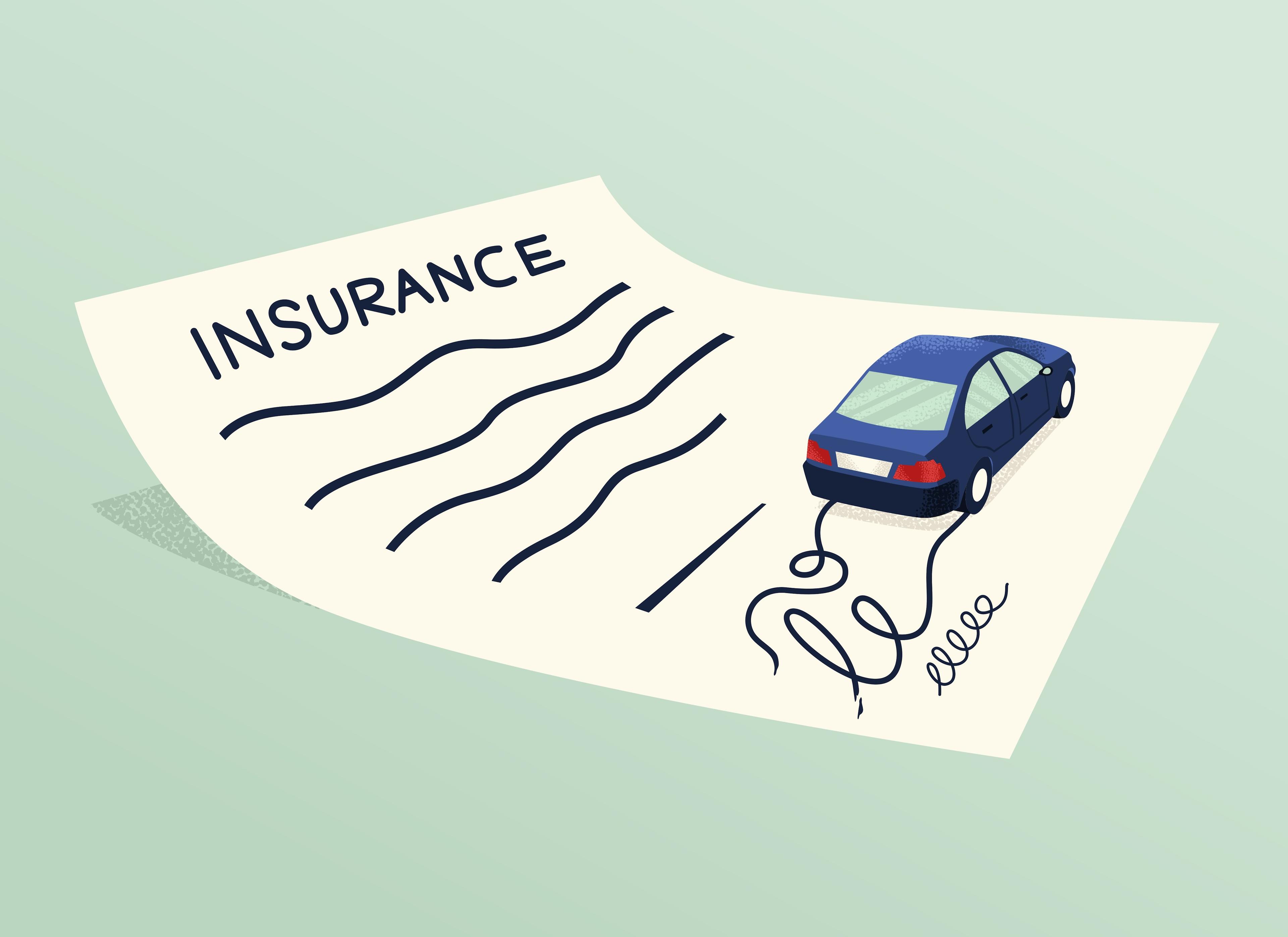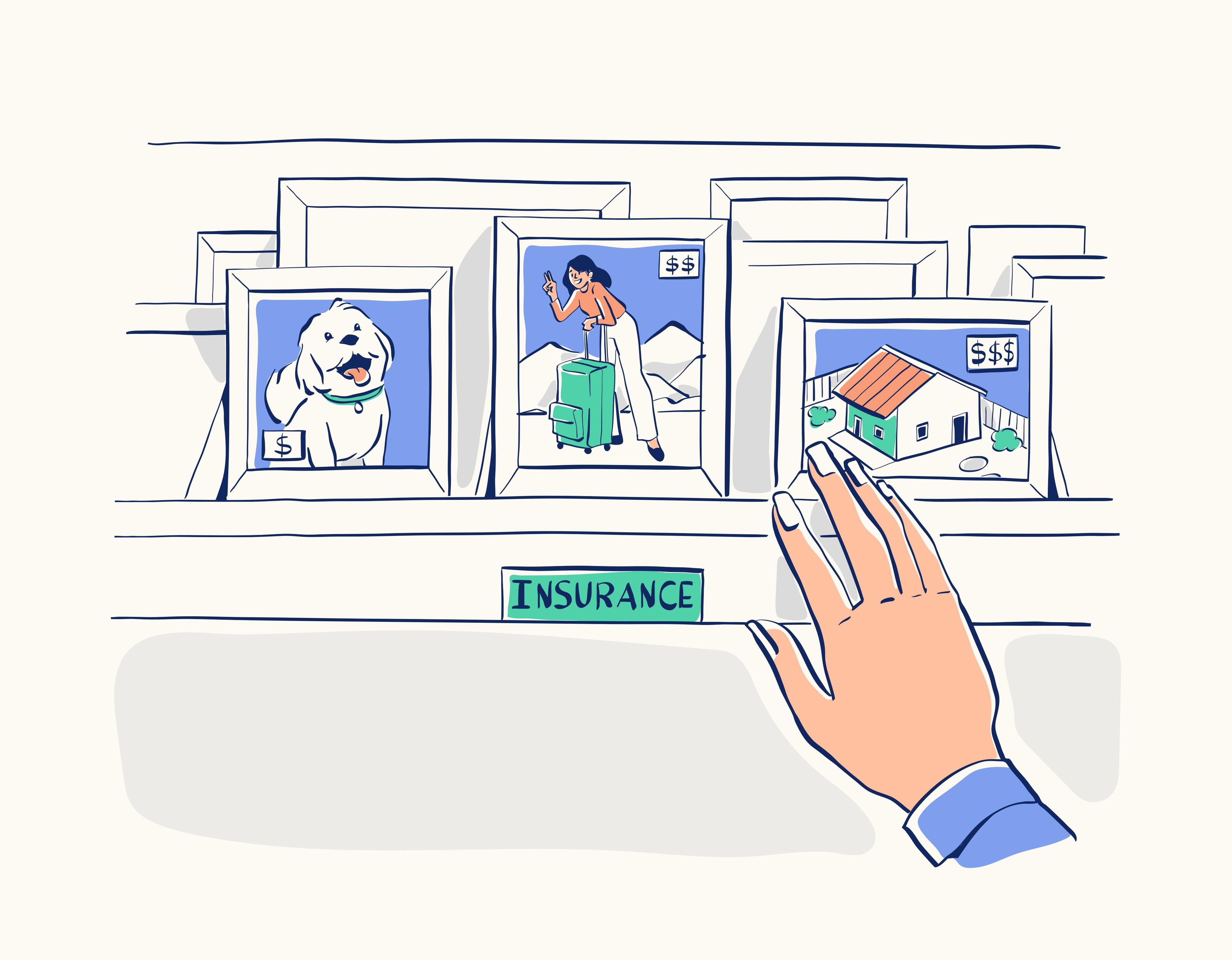
For many people, insurance is something they know they should have, but do not really want to think about in detail. It sits in the background of life, quietly paid for through monthly premiums, seldom reviewed, and often chosen in a hurry. As long as there is some kind of policy in place, there is a sense of relief. The mental box is ticked. The problem is that this feeling of safety often has very little to do with the actual level of protection in place. People are not just underinsured because they are careless. They are underinsured because the way we think, spend, and make decisions about money almost naturally pushes us toward lower coverage than we truly need.
Part of the issue is that most of us buy insurance based on emotion rather than numbers. When someone sits down to consider a policy, the first question in their mind is rarely how much their family would need if something serious happened. The question is how much they can afford to pay each month without feeling squeezed. The premium becomes the starting point, and the coverage amount is whatever fits inside that budget. It feels reasonable in the moment, but it flips the logic upside down. Instead of sizing protection to match real life risks, people let the monthly payment dictate how much protection they will accept.
Psychology makes this worse. When life is going smoothly, it is hard for the brain to imagine that everything could suddenly change. This optimism bias leads people to quietly assume that nothing very bad is likely to happen to them in the near future. As a result, almost any coverage amount shown on a screen looks big enough. A six figure number on a brochure or app seems impressive, even if it would barely cover a few years of living expenses for a family. Very few people take the next step to translate that lump sum into actual years of mortgage payments, school fees, groceries, transport, and support for dependents. The numbers feel abstract, so they do not trigger the right level of concern.
There is also a common confusion between having insurance and having enough insurance. The moment someone gets a life policy, a hospitalisation card, or a basic health plan from their employer, they feel protected. It is easy to think of coverage as a simple yes or no question. In reality, coverage is a spectrum. There are policies that will technically pay out, but in amounts that barely touch the real cost of a serious illness, a long recovery, or the loss of an income. Health insurance might cover the hospital stay itself, but not the follow up treatments, scans, rehabilitation, or months of reduced work capacity that strain cash flow. A life policy can exist on paper, yet provide a payout that does little more than clear a small debt.
Insurance products are also marketed in ways that make smaller coverage look more impressive than it is. Brochures and apps highlight big headline numbers with phrases like “coverage up to” a certain amount. That phrase is comforting, but it hides the fact that what most people can afford to buy is often far below that maximum figure. The design of many digital platforms is sleek and reassuring. You swipe, tap, and slide a few controls, and the interface tells you that you are protected. The user experience feels smooth, which tricks the mind into feeling that the underlying decision must also be sound. It is easy to forget that a beautifully designed app can still deliver a policy that is too small for your real situation.
Underestimation is also rooted in the way people understand their own cost of living. Many have only a vague sense of what it takes each month to keep their life running. Rent or mortgage, food, transport, utilities, phone, internet, insurance, loan repayments, and support for parents or children melt into a single monthly number that rarely gets broken down. When you take that monthly burn rate and multiply it by twelve, the yearly figure already feels heavy. Multiply it by ten or fifteen years, and it looks impossibly large. At that point, a realistic coverage estimate can feel so uncomfortable that people simply ignore it and choose a smaller number that feels less frightening.
On top of that, most people calculate their insurance needs based on today’s prices and today’s lifestyle, then leave those numbers unchanged for years. Inflation steadily eats away at the value of money. Over time, medical costs, education, housing, and everyday living expenses usually rise faster than incomes. A sum assured that seems generous today may feel painfully inadequate a decade from now. Meanwhile, lifestyles tend to creep upward as incomes grow. Families move to slightly more expensive homes, take on larger commitments, add new subscriptions, and expand their support for parents or children. If insurance coverage does not keep pace with these changes, it becomes misaligned with reality. The plan remains stuck in an earlier version of life.
Employer benefits add another layer of false security. Company health plans and group life coverage feel like a major safety net. Employees receive a card, see some coverage limits in a booklet, and assume they are well protected. In truth, these benefits are designed to fit a broad workforce, not the specific needs of an individual household. A package that works for a young single employee may be far too thin for someone with dependents, a mortgage, and other obligations. Worse, employer coverage is tied to the job itself. Changing roles, getting laid off, or deciding to become self employed can suddenly strip away that protection, often at a time when income is less stable and medical issues become more worrying with age.
Another reason people underestimate their insurance needs is that they start with product labels instead of life goals. When the insurance conversation begins with “Should I buy term, whole life, investment linked, or accident coverage” the discussion gets dragged into technical differences and sales pitches. The more important question is what specific risk you want to protect against, and for how long. Are you trying to ensure your family can stay in the home and maintain daily expenses if you pass away or cannot work? Are you worried about the cost of treating cancer or recovering from a major surgery? Are you protecting your ability to earn an income over the next few decades? When the focus shifts away from these goals to product types, people often end up with policies that look clever on paper but are weak in actual protection.
Short term affordability usually wins over long term adequacy. When a financial advisor or app shows a recommended level of coverage, the lump sum can feel far too large, especially once the monthly premium associated with it appears. The instinctive response is to reduce the coverage until the monthly payment feels manageable. This response is understandable. People have other priorities and genuine budget constraints. The problem is that the consequence of lowering coverage does not show up immediately. You save money month by month and nothing bad happens, which creates an illusion that the choice was smart. Only when a serious event takes place does the cost of being underinsured appear, and by then it is too late to go back and adjust the numbers.
Technology and social media can intensify the gap between perception and reality. Many modern platforms promote the idea of “getting insured in minutes” with simplified questionnaires and default coverage suggestions. These presets may be better than nothing, but they are not customised to your life, your dependents, or your country’s healthcare system. At the same time, people see others share proud posts about finally buying insurance, often quoting a coverage number that sounds big but may not reflect your own cost base. Without context, these numbers become informal benchmarks, even though the underlying situations could be entirely different.
Even when someone realises their coverage is probably too low, it is common to delay doing anything about it. The thought of increasing premiums is uncomfortable, and the process of comparing options can feel overwhelming. There is a fear of being pressured into buying something complicated or expensive, so the easiest path is to leave everything as it is. Admitting you are underinsured can also feel like admitting a mistake. It is simpler to prioritise visible financial goals, such as investing, saving for a trip, or upgrading gadgets, because those goals feel more rewarding and easier to talk about. Insurance remains a quiet, unglamorous topic that can always be addressed later.
Yet beneath all these psychological and practical barriers lies a simple truth. If you want your savings and investments to mean something, you have to protect them from being wiped out by events that are rare but devastating. Insurance is not about beating the market or growing wealth. It is about making sure that a major illness, accident, or death does not destroy the foundation you have worked so hard to build. Getting closer to the right amount of coverage does not require perfection. It requires a shift in approach.
That shift starts with being honest about what your life truly costs and who depends on you. Instead of picking a coverage number that feels comfortable, start from your monthly expenses and consider how many years of support your family would realistically need if your income was disrupted. Think about big debts such as a mortgage or education loans, and whether you would want those cleared entirely. A simple mental exercise can be enough. Imagine you could not work for the next few years and ask yourself how much would be needed each year to keep things steady. Then compare that to your current coverage and the savings you are willing to use for emergencies. For many people, this quick comparison is enough to reveal a large and uncomfortable gap.
Once you see that gap clearly, you can then decide how to close it gradually in a way that respects your budget. You might start by focusing on the most serious risks first, such as life coverage for dependents or health and critical illness coverage in a country where medical costs are high. As your income grows, you can review and upgrade your policies instead of letting them sit unchanged for decades. The goal is not to buy the maximum possible protection in one go, but to keep your coverage in the same conversation as your lifestyle and responsibilities.
In the end, the reason so many people underestimate the insurance coverage they need is not ignorance or laziness. It is a combination of human bias, confusing product structures, polished marketing, and the natural desire to keep monthly costs low. Recognising these forces does not magically solve the problem, but it gives you a clearer lens for your own decisions. You may not be able to predict what life will throw at you, yet you can choose whether a serious setback becomes a full financial collapse or a difficult season that you and your family can survive. The difference often comes down to whether your coverage was chosen to look good on a screen, or to truly match the life you are working so hard to build.
 WhatsApp
 Instagram
 Threads