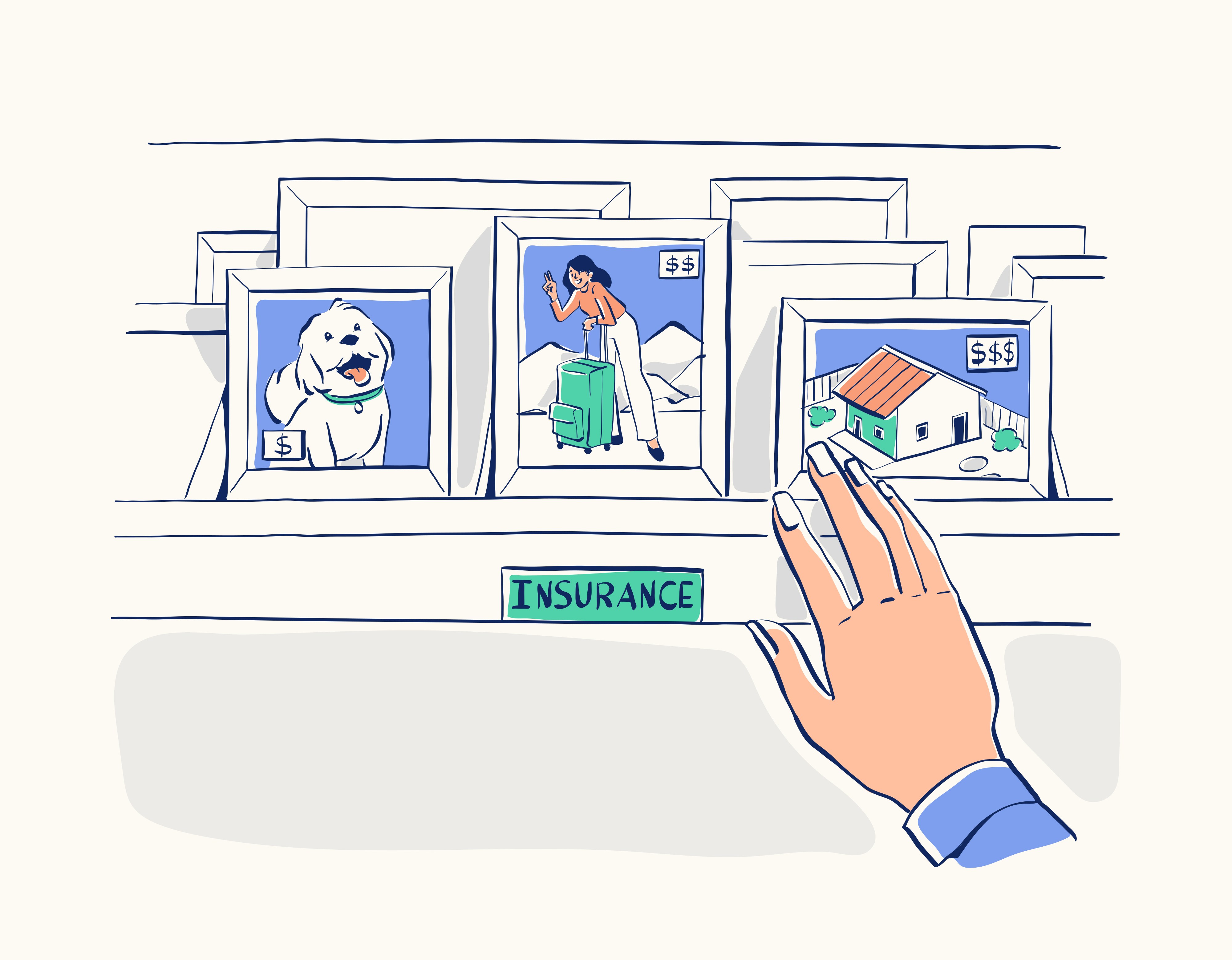
Many people buy insurance by picking a number that sounds neat, such as a round figure they see in a friend’s policy or whatever fits comfortably into their monthly budget. Only later do they wonder whether this amount is really enough to protect their family. The truth is that the right insurance coverage amount is not a guess. It is the result of understanding who depends on you, what financial promises you have made, what safety nets you already own, and how you want life to continue for your loved ones if something happens to you.
The first and most important factor is your dependents. Insurance is ultimately about the people who would feel the financial impact of your illness, disability, or death. A single person who does not support anyone else has a very different profile from a married parent with young children and a non working spouse. If your income pays for rent or the mortgage, groceries, school fees, and daily living for your family, then your coverage needs are really about replacing that income for a number of years. A simple way to think about this is to ask how long your loved ones would need financial support if you were no longer around. A household with toddlers might need ten to fifteen years of income replacement, while a household with adult children who are already working may need only a few years of support or even none at all. The more heavily your dependents rely on your earnings, and the younger they are, the higher your coverage amount usually needs to be.
The second factor is your debts and long term obligations. Debts do not vanish simply because you are unable to work or you pass away. Mortgages, car loans, personal loans, and even business loans that carry your personal guarantee can suddenly become a burden for those you leave behind. Many people choose a coverage amount that at least clears the major secured debt on the family home, so that their spouse or children do not face pressure to sell the property quickly during a difficult time. Others also include enough to cover car loans and personal debts, or at least enough to keep payments going for several years. Education is another long term obligation. If you want to make sure your children can complete their studies without disruption, part of your coverage may be set aside to fund school or university costs. When you add these obligations together, you start to see how much of your coverage is tied not only to income replacement but also to removing heavy financial pressure from the people you care about.
The third factor is what you already have in place. Insurance is only one part of your financial safety net. You may already have cash savings, fixed deposits, investment portfolios, retirement accounts, and perhaps even rental income from property. On top of that, many people have some level of coverage through their employer, such as group life insurance, accidental death benefits, or hospitalisation plans. Public schemes in certain countries also provide basic protection for medical costs or disability. When you add all of this up, you might find that a portion of your needs is already covered. The role of additional insurance is then to fill the gaps, not to double count what is already available. A clear overview of your assets and existing policies helps you avoid both underinsuring and overinsuring.
Your life stage is another key factor. The right coverage for a fresh graduate is not the same as the right coverage for a mid career parent or someone who is about to retire. A young working adult who is renting a room, with no children and minimal debt, might focus more on medical and disability cover to protect her ability to earn, with a smaller life insurance amount mainly to support parents or siblings. A professional in their thirties or forties who has a spouse, a mortgage, and school age children usually needs a much higher sum assured, because the financial commitments are large and the income replacement period is longer. In contrast, someone in their late fifties or sixties with grown children, low or no debt, and a sizeable retirement portfolio may no longer need a large life insurance policy for income replacement. At that stage, the focus often shifts towards medical coverage, long term care, and planning how assets will be passed on. Your coverage amount is not meant to stay the same all your life. It should evolve with your responsibilities.
Future goals and lifestyle expectations also play a role in determining the right amount. Insurance is not only about survival at the lowest possible cost. Many people want their families to keep some stability in lifestyle if something happens. This can include keeping the family home, avoiding a sudden move to a cheaper neighbourhood, or giving children the chance to attend university as planned. These are not luxuries. They are part of what you hope your hard work will provide. When you are clear about which goals are non negotiable, you can translate them into numbers. For example, if you want each child to have a certain amount available for higher education, you can factor that into your coverage instead of leaving it to chance. At the same time, being honest about what is essential versus what is optional helps you avoid chasing an unrealistically high coverage amount that you cannot afford.
Personal risk tolerance and emotional comfort shape your decision as well. Two households with almost identical incomes and debts can choose very different coverage levels. One family may be comfortable with a leaner policy that covers only basic expenses and key debts, preferring to invest more of their surplus. Another family may prefer a larger policy that allows their dependents to maintain a familiar standard of living, even if the premiums are higher. Neither choice is wrong. Insurance is partly a financial calculation and partly an emotional one. Your own experience with illness, job loss, or financial instability can influence how much protection you feel you need. The important thing is to recognise this and make a decision that both your head and your heart can accept.
Health status and insurability add another layer to this picture. If you are young and healthy, insurers are usually more open to offering higher coverage at lower cost. As age increases and health issues arise, premiums become more expensive, exclusions appear, or coverage might be limited. That is why financial planners often encourage people to secure a reasonable level of protection earlier in life, even if they intend to increase it later. At the same time, health concerns should not drive you into excessive coverage based on fear alone. The starting point remains your actual financial responsibilities. Health is more of a constraint on what is realistically available and affordable.
Income stability and career path also affect how much insurance you can support comfortably. A dual income household, where both partners have stable jobs, may not need as much individual coverage for each person because the household can still function financially if one income is lost. On the other hand, a family that relies heavily on one breadwinner, or a self employed person whose income fluctuates, might prioritise a more solid protection base. If your income is irregular, having guaranteed coverage can provide a sense of stability when markets or business conditions are volatile. The goal is to choose a coverage amount that you can sustain through different economic conditions, not only in your best earning years.
All these factors can be brought together in a simple way. You can think of your ideal coverage as a sum that would replace your income for a certain number of years, clear or support repayment of major debts, and provide for important one off goals such as education or a small legacy. From that total, you subtract the value of your liquid savings, investments that can realistically be used, and any existing insurance benefits from employers or public schemes. The resulting gap is a practical estimate of the protection you might need. It does not have to be perfect, but it gives you a clear, reasoned starting point instead of a random guess.
Within that total, different types of insurance serve different purposes. Term life policies are usually suited for covering large temporary needs, such as income replacement during your working years and the outstanding balance of a mortgage. They offer higher coverage for a lower premium compared to permanent life policies. Whole life and other cash value policies, where available, are often used for long term legacy planning or forced savings, but they cost more per unit of coverage. Medical insurance and critical illness plans are designed not to replace income directly, but to protect your savings from being drained by hospital bills and treatment costs. When you decide on an overall coverage amount, you are really making several smaller decisions about which risks to transfer to an insurer and which to manage yourself through savings and investments.
Another quiet factor is inflation and, for some people, currency exposure. A sum that feels large today may not have the same purchasing power ten or twenty years from now, especially for items like education and healthcare that tend to rise faster than general living costs. If you expect your income and expenses to grow over time, or you have plans to retire or relocate in another country, it can be useful to review your coverage periodically and adjust it upward when your finances allow. Some policies offer built in options to increase coverage at certain life events, while others may require you to apply for new coverage. Either way, treating insurance as something to review rather than a once in a lifetime decision helps you stay ahead of rising costs.
Finally, your ability to pay premiums comfortably must anchor everything. The best designed protection plan is not useful if it forces you to cut back on essential spending, neglect your emergency savings, or stop investing for retirement. If premiums are too high, you may be tempted to lapse or surrender the policy later, which can leave you exposed at the worst possible time. It is wiser to choose a coverage level that fits naturally into your budget, even if it seems modest, and then grow it as your income increases. Insurance should work alongside your other financial goals, not compete with them.
In the end, the right insurance coverage amount comes from understanding your real life, not from a generic formula. It reflects who depends on you, what you owe, what you own, and the future you are trying to create. Once you view the decision through that lens, it becomes less intimidating. You do not need to calculate a perfect number. You simply need a thoughtful, honest estimate that you can review as your circumstances change. That is how insurance stops being a confusing product and becomes a quiet but reliable part of your overall financial safety net.
 WhatsApp
 Instagram
 Threads