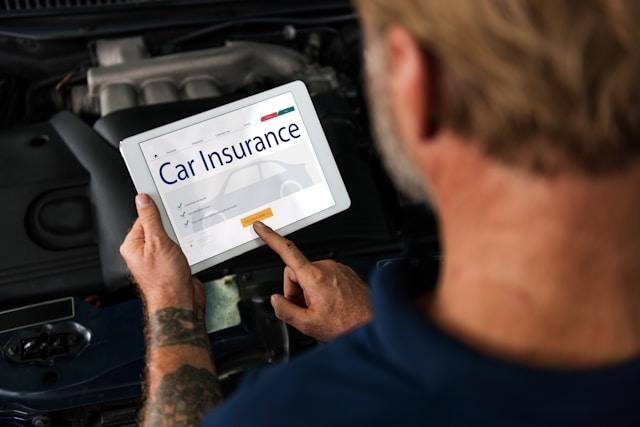
Car insurance is often treated like an obligation you renew and forget. You pay the premium, keep the card in your wallet, and hope you never have to find out what it really does. But the true value of car insurance becomes clear the moment an ordinary day turns costly in seconds. A minor collision, a stolen vehicle, a cracked windshield, or an unexpected injury can create a financial problem that spreads quickly. What you are really buying with car insurance is not just a policy document. You are buying protection from sudden cash pressure, a process for handling disputes, and a buffer that keeps one incident from derailing your broader financial life.
Driving is a daily exposure to risk because it combines speed, unpredictability, and other people’s mistakes. Even the most careful driver cannot control distracted drivers, bad weather, road debris, or a split second of misjudgment from someone nearby. That is why car insurance matters in personal finance terms. It turns a potentially open-ended financial threat into something more predictable. When you have the right coverage, you trade the possibility of a massive out-of-pocket bill for a known premium and a defined deductible. That trade can be the difference between recovering quickly and spending months or years climbing out of a hole you never planned for.
The most important benefit of car insurance is liability protection. In many accidents, the most expensive part is not your own car’s damage. The real cost often comes from injuries to other people, damage to their vehicle, or harm to property such as fences, storefronts, or roadside infrastructure. Without liability coverage, those costs can become personal debts. Depending on the severity of the incident and local laws, you could be exposed beyond your savings, facing claims that follow your income over time. Liability coverage is designed to prevent that outcome by paying covered claims up to your policy limits, so one mistake or one unlucky moment does not become a long-term financial burden.
Liability coverage also brings a benefit that is easy to overlook because it does not look like money at first. It provides structure when you are stressed. After an accident, you may be dealing with shock, anger, confusion, or fear. You might be juggling repairs, transport, and work obligations while trying to remember what happened and what you said at the scene. Insurance gives you a system and a set of professionals who handle the messy parts, from collecting information to negotiating with the other party. That service protects you from missteps, such as agreeing too quickly to a private settlement or saying something that later complicates a claim.
Another major benefit of car insurance is legal defense. Many policies include an obligation for the insurer to defend you if you are sued over a covered event. This matters because legal costs can escalate even before any settlement is reached. Attorney fees, filings, and time spent dealing with the process can become expensive on their own. Having the insurer provide defense means you are not facing that pressure alone. In a world where claims can become disputes, the promise of legal support can be as valuable as the promise of payment.
Car insurance also protects your own vehicle, which is where collision and comprehensive coverage come into play. Collision coverage generally helps pay to repair or replace your car after an accident involving another vehicle or an object. Comprehensive coverage is often the protection for events that are not collisions, such as theft, vandalism, fire, falling objects, and certain weather-related damage. While these coverages are often described as “car protection,” the deeper benefit is that they protect your mobility and routine. For many people, a car is not optional. It is how you get to work, care for family, run errands, and maintain independence. Insurance helps prevent a situation where transportation disappears overnight and forces you into costly alternatives.
Medical-related coverage adds another layer of security. Depending on where you live, your policy may include personal injury protection, medical payments coverage, or similar benefits that help cover medical expenses for you and your passengers after an accident. Even if you have health insurance, there can be deductibles, co-pays, and gaps that become painful in the middle of an already stressful event. Car insurance can help reduce the immediate cash shock of treatment and follow-up care, especially while fault is still being determined and bills are already arriving.
There is also the reality that not everyone on the road is responsibly insured. Uninsured and underinsured motorist coverage exists because some drivers carry no insurance at all, while others carry limits that do not match real-world costs. If you are hit by someone who cannot pay, the financial burden can fall back on you even when you did nothing wrong. This coverage is designed to keep you from becoming the one paying for another driver’s negligence, which is a risk many people underestimate until they experience it firsthand.
Beyond the big coverages, car insurance can also reduce everyday disruption through practical features such as rental reimbursement, towing, roadside assistance, and glass coverage. These benefits may sound minor compared to liability and collision, but they often determine how manageable a claim feels in real life. A breakdown can become a lost workday. A repair can take longer than expected. A cracked windshield can become a safety issue and a sudden expense. When a policy includes support for these situations, it helps keep small problems from snowballing into larger ones.
Car insurance can also be a critical part of protecting your financing situation. If you have a car loan or a lease, the lender typically requires certain coverages because the vehicle is collateral. If the car is totaled and you still owe money, you could be left paying for a vehicle you cannot use. In some situations, adding gap coverage can help cover the difference between what the car is worth and what you still owe, which can prevent a difficult financial squeeze after a total loss. The benefit here is not just compliance with a lender’s rules. It is avoiding a scenario where you lose your car and still carry the debt.
In a broader personal finance sense, the benefits of car insurance show up in how it protects your plans. A major unexpected expense does not only hurt your bank account today. It can wipe out your emergency fund, force you into high-interest debt, delay investing, and push back goals like moving, starting a business, or saving for a home. Insurance helps reduce the chance that a single incident becomes a chain reaction across the rest of your financial life. It is a form of risk management that keeps rare but expensive events from permanently altering your trajectory.
However, these benefits are only as real as the coverage you actually have. Minimum coverage may satisfy legal requirements, but it might not protect your finances. A low premium can hide limits that are too small for modern repair and medical costs. A deductible that is too high can make coverage unusable when you need it most. Exclusions can also matter, such as using your car for delivery or rideshare without the proper endorsement. The practical value of car insurance depends on how well the policy matches your real life, your budget, and your risk tolerance.
A useful way to think about insurance is to treat it as part of your risk budget. Just as you budget for rent and groceries, you should consider how much financial damage you could handle if something went wrong on the road. If you have strong savings, you might comfortably choose a higher deductible in exchange for lower premiums. If you are living close to the edge, a high deductible can turn “coverage” into something you cannot afford to activate. The goal is not to find the cheapest policy. The goal is to build a safety system that works when you are stressed and the costs are real.
There is also a psychological benefit that has practical consequences. Insurance reduces decision pressure. After an incident, people sometimes hesitate to report it, delay repairs, or try to settle privately because they are worried about costs. Those choices can backfire, leading to bigger bills later or unresolved disputes. A well-structured policy gives you a clear path forward, which reduces the chance that panic or uncertainty pushes you into a costly mistake.
Ultimately, car insurance is valuable because it helps you stay financially stable in a world where accidents and bad luck happen. It provides liability protection when someone else is harmed, financial support when your own car is damaged or stolen, medical coverage when injuries occur, and professional handling of disputes and legal threats. Most importantly, it keeps one unpredictable event from becoming a long-term financial crisis. The question is not whether car insurance is worth having. The question is whether your current coverage is designed to protect the life you are trying to build, so that if something goes wrong, you pay what you expected to pay and your life can keep moving.
 WhatsApp
 Instagram
 Threads