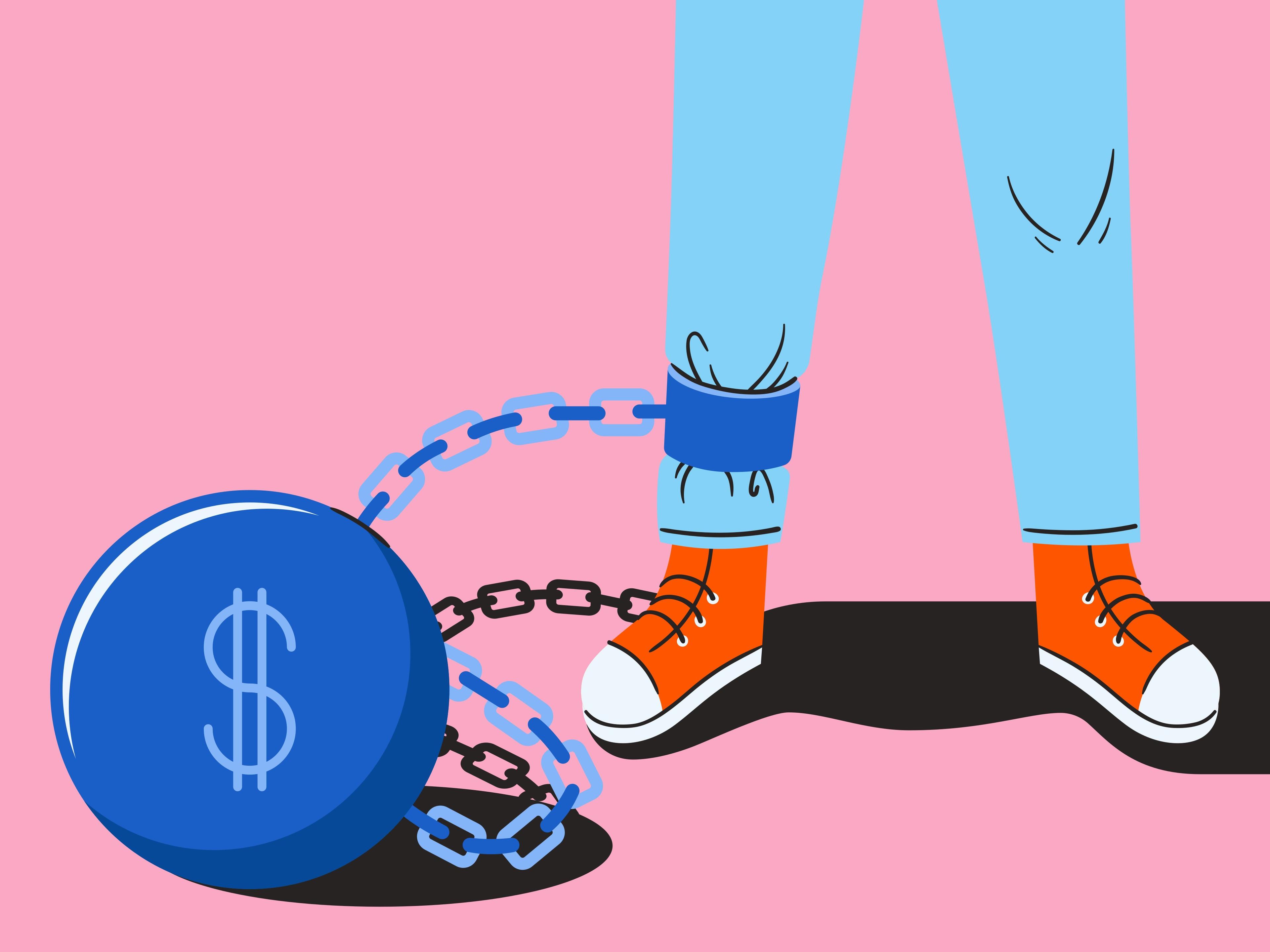
Bankruptcy rarely arrives as a single dramatic moment. For most young adults, it is the final outcome of a system that cannot handle ordinary stress. A plan that only works when income is steady, expenses behave perfectly, and life stays quiet is not a plan, it is a wish. The practical goal, especially in your 20s and early 30s, is to manage debt in a way that stays stable through small shocks. When your finances can absorb a few inconvenient months without missed payments, penalty fees, or desperate borrowing, you move far away from bankruptcy risk even if you still carry debt.
The first step is to separate fear from the facts of your cash flow. Many people feel overwhelmed simply because they do not have a clear picture of what comes in, what must go out, and when each payment is due. Debt becomes more frightening when it is vague. A simple reality check can clarify where you stand: if nothing changed for the next three months, could you make the minimum payments on all your debts without borrowing again? If you can, you are not in immediate crisis. You can focus on reducing interest and paying down balances steadily. If you cannot, then you are dealing with a cash flow emergency, and your priority becomes protecting the next 30 to 90 days so the situation does not spiral into late fees, collections, or legal action.
To do that, you need a budget that reflects your real life, not an ideal version of it. Young adults often track the obvious expenses like rent, utilities, and debt, but underestimate the steady drip of smaller categories that still add up: groceries, transport, insurance, subscriptions, medical costs, family obligations, and the irregular but predictable expenses like annual fees, car repairs, work clothes, or replacing a laptop. When those costs are missing from your plan, the budget looks fine on paper but fails in reality, and debt becomes the thing that “won’t cooperate,” even when the issue is simply that the math never had room to work.
Once you know your true monthly spending and timing, your next job is to protect your ability to stay current. Staying current matters because the path toward bankruptcy often begins with compounding consequences. A missed payment triggers late fees. Late fees and interest make balances grow. Penalty rates can kick in, especially with credit cards. Credit access narrows just when you want flexibility, and stress makes people avoid opening letters or answering calls. The solution is not willpower. It is building a system that reduces the chance of errors when you are busy, tired, or anxious. Automatic minimum payments can be powerful here, not because they make debt disappear, but because they prevent preventable damage. If your accounts stay current, you keep more options available.
After that foundation is stable, the focus becomes reducing the interest that keeps you stuck. High-interest debt is like paying rent on money you already spent. Credit cards are the most common culprit, and many young adults get trapped in a frustrating loop where they pay faithfully but see little progress because finance charges eat up most of the payment. One of the most protective choices you can make is to stop adding new charges while carrying a balance. This is harder than it sounds because credit cards feel like a safety net, especially when you are building your career and income still fluctuates. But using revolving credit while trying to pay it down often keeps you stationary. It trains your budget to rely on borrowing as a normal feature rather than an emergency tool.
That brings us to a point many people misunderstand: avoiding bankruptcy is not only about paying debt down as fast as possible. It is also about making sure you do not need to borrow again the next time something goes wrong. This is why a small cash buffer can be more protective than an overly aggressive payoff plan. If you have no cushion, every surprise becomes a crisis, and every crisis pushes you back toward debt. A starter buffer does not need to be large to change outcomes. Its job is to prevent a car repair or a medical bill from turning into missed payments or a new round of high-interest borrowing. You are not saving to earn interest. You are saving to buy stability.
From there, you can make smart structural moves to reduce interest and simplify your obligations, but you should evaluate them through the lens of cash flow risk, not just lower rates. Debt consolidation, for example, can help if it lowers total cost and fits your monthly reality. A personal loan that replaces multiple card balances might reduce interest and impose a fixed payoff timeline, which can be a good thing. However, the monthly payment may be higher than what you were paying before. If your income is steady, that can be manageable. If your income is variable, a higher fixed payment may increase the chance you miss a payment during a slow month. The best question is not “Is the rate lower?” but “Can I pay this even in a bad month without borrowing again?” If consolidation improves your odds of consistency, it reduces bankruptcy risk. If it makes your monthly budget tighter and more fragile, it can backfire.
Student loans add another layer, because the available options depend on the country and lender, but the principle remains the same. Many systems include income-based plans, deferment, or temporary hardship programs. These tools exist to prevent a temporary income disruption from becoming default. Using them strategically can protect your credit and keep your life stable while you rebuild cash flow. The key is to use relief deliberately, with a clear plan to resume normal payments when your income recovers or when you rebuild a basic buffer, rather than drifting indefinitely without a timeline.
For other types of consumer debt, many lenders also have hardship programs that are not advertised loudly. If you can see that a shortfall is coming, calling early is often more effective than waiting until you have already missed payments. Early conversations are about creating a controlled repayment arrangement before penalties and collections begin. This is not about asking for sympathy. It is about preventing avoidable damage. Even if the terms are not perfect, avoiding delinquency can be a major win because it keeps your future options open.
As you decide what to pay first, do not look only at interest rates. Look at consequence risk. Some bills carry outsized consequences when you fall behind. Housing, utilities, taxes, and obligations tied to legal enforcement or essential services can destabilize your life quickly. Secured loans can put assets at risk that you rely on to earn income, such as a car. Many financial collapses accelerate when people try to keep all debts afloat by sacrificing essentials, then lose stability, and then lose income. A smart anti-bankruptcy plan protects the basics that keep you functioning and earning. It may feel counterintuitive if you are used to advice that says every spare dollar must go to debt, but stability is not a luxury. Stability is the condition that allows repayment to continue.
Another major factor is behavior, especially the role of shame. Shame makes people delay action, and delay is expensive. Waiting until you are two or three months behind reduces your ability to negotiate, increases fees, and makes the situation emotionally heavier. One habit that changes outcomes is early response. When you see a problem coming, treat it like a scheduling conflict, not a moral failure. You are managing a financial system. Systems sometimes need adjustments. Early adjustments are smaller and cheaper than late ones.
A simple way to structure your money is to think in layers. First, you protect the expenses that keep your life stable and your income possible. Next, you build a modest cushion to prevent surprises from forcing new debt. Then, with the remaining capacity, you accelerate repayment. Many young adults reverse this order because they want to “be disciplined,” but discipline without resilience is fragile. If you throw everything at debt while living with no buffer, you may make progress for a few months and then undo it the moment life misbehaves. Consistency beats intensity when intensity cannot be sustained.
It also helps to reduce modern debt traps that create chaos through complexity. Buy now, pay later plans can scatter multiple due dates across the month. Subscription stacking can inflate fixed expenses quietly. Revolving credit can feel like extra income, but it is future spending pulled into the present with interest attached. When your goal is to avoid bankruptcy, simplification matters. Fewer moving parts means fewer missed payments, fewer penalty fees, and less mental strain. When your system is simple, you are less likely to make an error in a stressful week.
If you are already behind, the most useful shift is to stop thinking in terms of total debt and start thinking in terms of timelines and consequences. What is due in the next two weeks, and what happens if you miss each one? You are looking for the minimum set of actions that keeps your life stable and prevents the most damaging outcomes. Once you protect that base, you can negotiate the rest from a position of control rather than panic. In many places, nonprofit credit counseling or structured repayment programs can also help. The specific options vary by jurisdiction, but the general truth is consistent: the earlier you explore solutions, the more choices you have, and the less likely you are to be pushed into extreme outcomes.
The emotional side matters as much as the math. When people feel cornered, they often either freeze or take risky swings. They gamble on a “big win” investment, accept predatory loans, or ignore the situation until it becomes legally urgent. If you notice yourself leaning toward those extremes, that is a sign your plan needs to become simpler and more supportive. The path away from bankruptcy is rarely heroic. It is administrative and steady. It is setting up a system you can follow, asking for structured arrangements when you need them, and repeating the next manageable step.
A useful final stress test is to imagine a modest drop in income, such as 20 percent for three months, and ask what would break first. If you cannot answer, your plan likely lacks shock absorbers. Building those shock absorbers can look like choosing a lower fixed cost lifestyle for a season, restructuring debt into fewer payments, delaying upgrades that add monthly obligations, or developing a small but reliable side income. None of these moves is glamorous, but each one makes your finances more stable. And stability is what prevents debt from turning into disaster. Avoiding bankruptcy while managing debt is ultimately about designing a plan that assumes life will happen. If your budget includes real expenses, your accounts stay current, your high-interest debt is being reduced, and you keep even a modest buffer to prevent new borrowing, you dramatically lower your risk. Over time, that stability becomes momentum. Debt stops feeling like a threat and becomes a project with a timeline. The goal is not to never struggle. The goal is to make sure a short struggle does not become a financial collapse.
 WhatsApp
 Instagram
 Threads