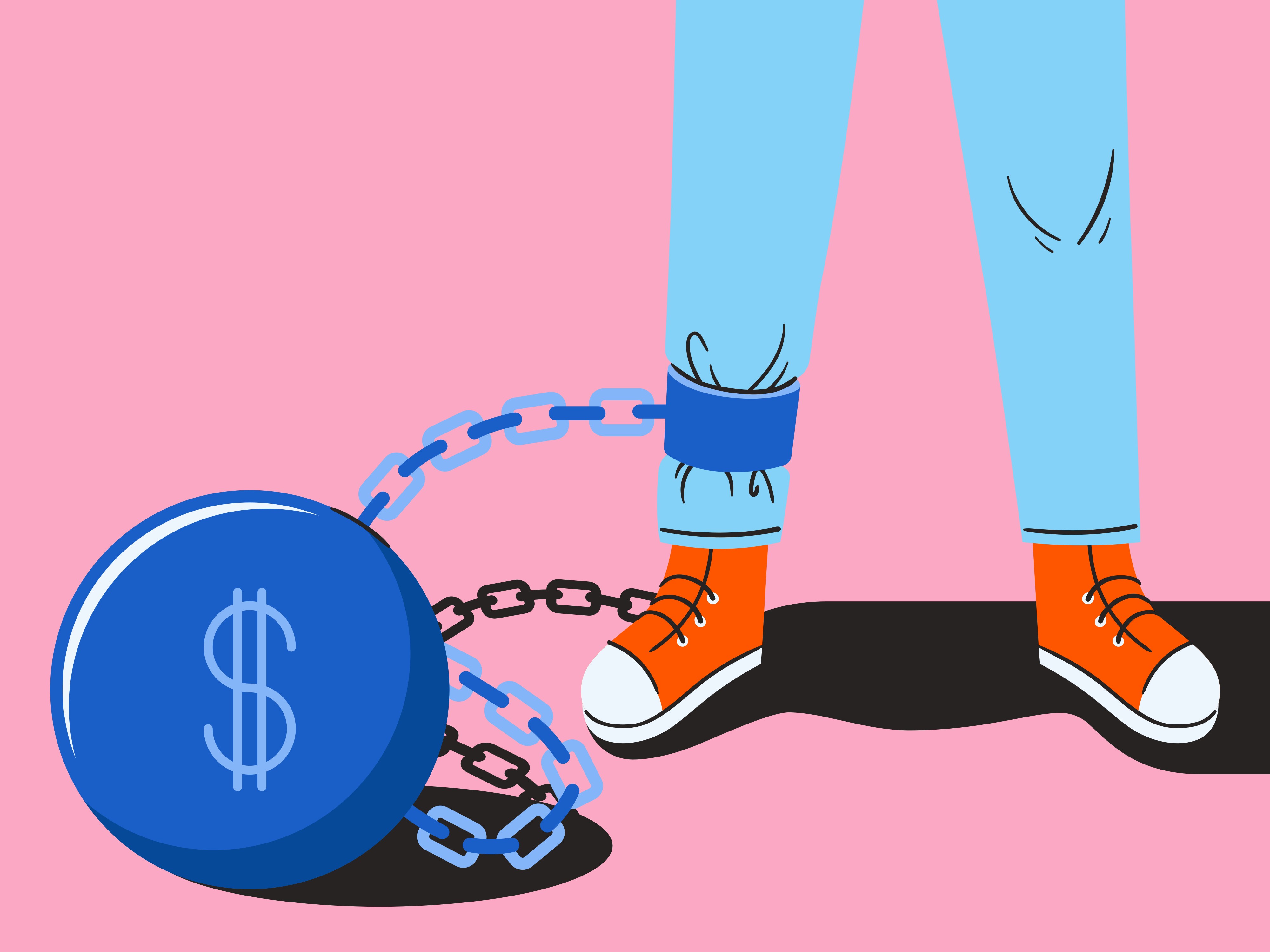
Getting out of debt is often described as a numbers game, but most people experience it as a stress problem. The balances may sit quietly in an app, yet the pressure shows up everywhere: in the way you hesitate before buying groceries, the way you dread checking your statements, and the way every unexpected expense feels like it could knock you off course. A workable debt payoff plan needs to do more than promise speed. It has to make your finances less fragile, so progress can survive normal life.
The first step is not a clever repayment trick. It is stopping the leak that keeps debt growing in the background. Many people try to pay down debt aggressively while still relying on credit for essentials. That approach creates a loop where new charges replace the payments you just made, and the plan feels exhausting even when you are trying your best. A better beginning is to stabilize your monthly cash flow so you stop borrowing to get through the month. This often starts with protecting the basics like housing, utilities, and food, then creating a small cash cushion that reduces the chances of late fees, overdrafts, or panic swipes. The cushion does not have to be large. Even a modest buffer can change your behavior and give you room to make decisions instead of reacting.
Once the immediate pressure is lower, the situation becomes clearer. The next move is to replace vague anxiety with a simple debt inventory. It is hard to pay off what you only feel. Writing down each balance, interest rate, minimum payment, and due date turns a mental burden into something you can manage. This snapshot shows you where your debt is most expensive and where it is most risky. Some debts cost more because of high interest. Others are dangerous because penalties and missed payments escalate quickly. Seeing the full picture helps you avoid guesswork and choose an order of attack that matches your reality.
With the inventory in front of you, you can pick a repayment strategy you can sustain. Many people debate whether it is better to pay the highest interest first or the smallest balance first. In truth, both approaches can work because consistency matters more than ideology. Paying the highest interest first usually saves more money over time, especially if credit card rates are high. Paying the smallest balance first can reduce the number of accounts you manage, which lowers the chance of missing payments and builds momentum through visible wins. The key is to keep minimum payments on all debts, then direct every extra ringgit or dollar to one target at a time. When you split extra payments across many balances, progress becomes less visible and motivation fades. Focusing on one debt creates a clear result, and that clarity keeps you going.
At this stage, it also helps to reduce the cost of your debt, not just the balance. Interest is not a character test. It is a financial weight, and you are allowed to negotiate it. Calling your lender to ask for a lower rate, a hardship plan, or fee waivers can make repayment faster and less painful. Some lenders will offer temporary relief or structured plans if you communicate early and clearly. Consolidation can also be useful if it lowers your interest and simplifies multiple payments into one manageable amount. But consolidation works best when it is paired with changes that stop you from refilling the hole, because a lower rate does not help if you immediately run up new balances. Tools are only as good as the system around them.
Even the best repayment method will struggle if the underlying cash flow problem remains. Debt often forms when expenses do not match income timing, when irregular costs arrive without preparation, or when lifestyle habits quietly require more than your income can support. Fixing this does not have to mean extreme deprivation. The goal is repeatability. Small changes that you can maintain are more powerful than dramatic cuts that collapse after a few weeks. It may mean reducing spending that does not truly improve your stability, setting a simpler routine for meals to avoid costly convenience purchases, or adjusting habits that spike when you are stressed. If you can increase income, the best route is not maximum hustle but reliable surplus, something you can sustain without burning out.
To protect your progress, automation becomes your ally. Automatic minimum payments help you avoid late fees. Automatic transfers into a buffer account make it less likely that a minor emergency becomes new debt. When your plan runs on systems instead of willpower, it holds steady even during a difficult week. If you share finances with a partner or family, coordination matters as much as budgeting. A brief weekly check-in on upcoming bills, expected expenses, and repayment progress can prevent misunderstandings that derail the plan. The point is not to control every detail but to stay aligned.
There are also times when the right move is to seek support rather than pushing alone. If your debt is overwhelming relative to your income, you may need restructuring options, credit counseling, or professional guidance depending on your circumstances. Seeking help early often preserves more choices. In situations tied to job loss, medical costs, or major disruptions, it is especially important to separate shame from planning. Avoidance feeds the problem. Planning starts with looking at the numbers and choosing the next best action, even if the total feels intimidating.
As you pay down debt, it is wise to rebuild savings alongside repayment. Many people hesitate to save while in debt because they fear it slows progress. But a small savings habit can prevent the setbacks that force you back into borrowing. Savings acts like insurance for your debt payoff plan. Without a cushion, one unexpected expense can undo months of effort. With a cushion, your progress holds. Over time, the balance between repayment and saving can shift, but the principle stays the same: you are not just reducing debt, you are building stability.
Real progress should not only show in your balances but in your daily life. A good plan makes the month easier to predict. It reduces the number of financial surprises that feel like emergencies. It makes the debt shrink in a way you can actually see. If you are not seeing progress after a couple of months of consistent effort, it is usually a sign that something in the system needs adjustment. Your repayment amount might be too small because essentials are too high. Your interest rates might be too punishing and need negotiation. Or irregular expenses might not be planned for, so they keep interrupting your momentum. These are problems with solutions, not proof that you cannot do it.
Getting out of debt is rarely about one dramatic decision. It is a sequence of steady choices that work together. You stabilize cash flow so you stop borrowing to survive. You choose a repayment strategy you can maintain. You reduce interest and simplify your payment structure. You build a small buffer so everyday life cannot erase your progress. Then you repeat that process until the debt stops being a daily presence in your mind. The strongest debt payoff plans are not loud or extreme. They are calm, consistent, and designed to last.
 WhatsApp
 Instagram
 Threads

.jpg&w=3840&q=75)


.jpg&w=3840&q=75)