Planning an EPF strategy early is one of those decisions that rarely feels urgent in your twenties or early thirties, yet it quietly determines how much freedom you will have later. Most Malaysians start working, watch EPF deductions appear on their payslip, and assume that as long as contributions are happening, retirement will somehow take care of itself. That assumption is understandable because EPF is designed to feel automatic. Money goes in consistently, dividends are credited yearly, and the balance grows in a way that looks reassuring. But “automatic” is not the same as “enough,” and it is definitely not the same as “optimized.” The earlier you treat EPF as a strategy rather than a background account, the more options you give yourself for the decades ahead.
The core reason timing matters is simple. EPF rewards time. It is built on compounding, which is just a fancy word for growth that accelerates as your balance gets bigger. When dividends are credited, they increase your base, and future dividends are calculated on a larger amount. Over many years, that cycle becomes powerful. People often assume the advantage comes from putting in huge amounts. In reality, the real advantage is letting reasonable contributions sit in the system long enough to multiply. Starting early is not about obsessing over your balance every month. It is about giving your money the longest runway possible to do what it is designed to do.
This is why waiting can be expensive even if your income rises later. A person who starts paying attention at 40 might be earning much more than they did at 25, but they have already lost fifteen years of compounding. To catch up, they usually feel pressure to do something extreme. They might attempt aggressive top-ups, take on higher investment risk than they truly understand, or make uncomfortable lifestyle cuts. Starting earlier often removes that panic. It allows you to build steadily, adjust gradually, and keep your financial life calmer.
Another reason early planning matters is that EPF is not simply a retirement account you touch once at the finish line. It is a system with rules, account structures, and withdrawal pathways that shape how you live through your working years. Many people only learn these rules when they need money for something big, such as education fees, a medical expense, a period of unemployment, or a change in family responsibilities. By then, the decision is reactive. You are not choosing the best option. You are choosing the fastest option. A strategy built early helps you avoid treating EPF as the most convenient source of cash whenever life gets complicated.
The recent restructuring into three accounts makes this even more important. The new structure is meant to balance long-term protection with practical flexibility, but flexibility is only helpful if you use it intentionally. A retirement-focused account is meant to stay intact for your later years, while other portions are designed for specific life needs and limited liquidity. The problem is not that access exists. The problem is that human behavior tends to treat accessible money as spendable money. If you form the habit of dipping into EPF whenever something feels urgent, you can slowly weaken the foundation meant to protect your future self. Planning early is essentially building guardrails before your balance becomes large and before your habits become fixed.
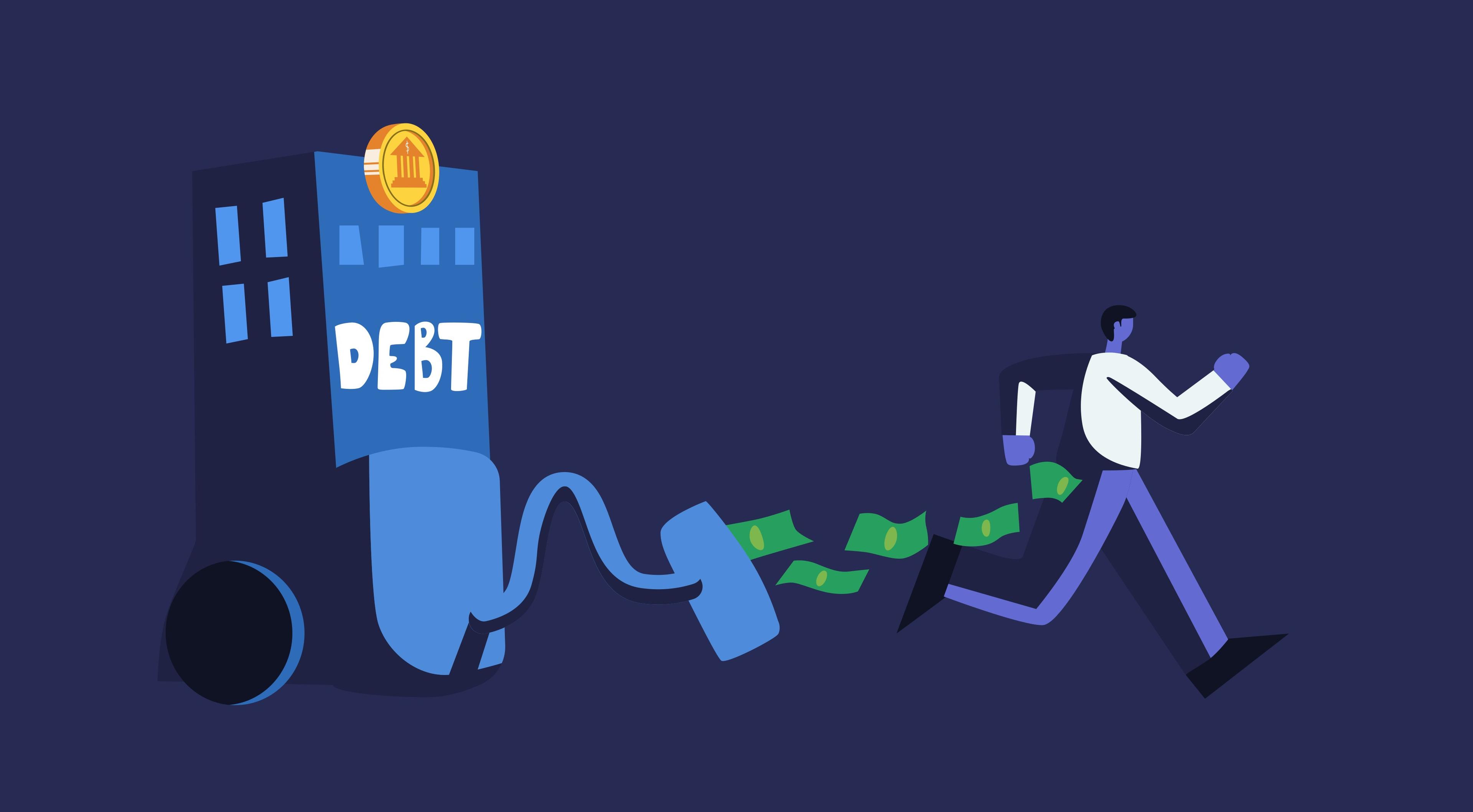
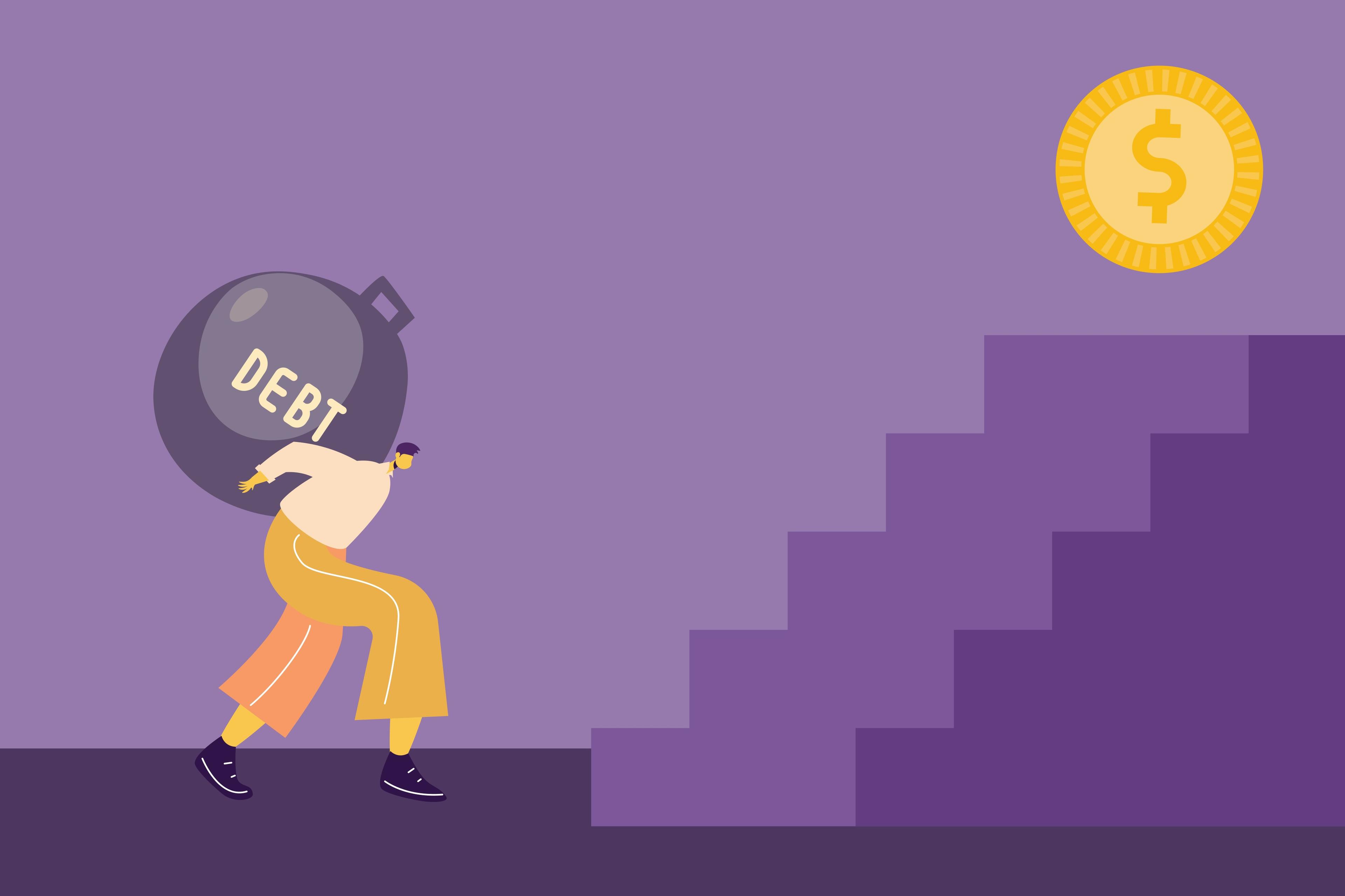
Habits matter because most of your financial outcomes are not determined by one big decision. They are determined by repeated small decisions. If you get used to seeing EPF as untouchable, you will naturally build an emergency fund outside of it and manage short-term shocks without reaching for your retirement savings. If you get used to treating EPF as a backup wallet, you may never feel urgency to build that separate safety net. The difference is huge. An emergency fund protects you from debt, and it protects your EPF from becoming a revolving door.
Understanding EPF milestones early also changes how you plan your timeline. EPF has meaningful age markers, and these markers influence what you can do with your money and when. If you are aware of what happens at 50, 55, and 60, you can map your life goals to those stages instead of colliding with them. Some people mistakenly believe retirement planning begins at 55, as if that is the moment you start thinking about withdrawals. In truth, 55 is a checkpoint, not a starting line. The choices you make in your twenties and thirties determine whether 55 feels like freedom or like a financial scramble.
Career changes make early strategy even more valuable. Your income will likely be uneven across your life. Many people start with modest pay, then experience jumps through promotions or job changes. Others take pay cuts for better work-life balance, go freelance, pause for childcare, or deal with disruptions that they never planned for. If you treat EPF as something you will “figure out later,” those career shifts can push you off track without you noticing. Early planning creates a baseline approach that travels with you through those changes. When you get a raise, you already know how you want your finances to respond. When you face a dip in income, you already have rules for protecting your long-term savings and managing short-term needs.
For self-employed Malaysians and gig workers, the urgency is even clearer because the default system is not always automatic. Without an employer handling contributions, it is easy to postpone saving, especially in months where cash flow feels tight. Programs designed to encourage voluntary contributions can help, but they still require you to show up consistently. Planning early helps you treat EPF contributions like a priority rather than a leftover. It also helps you avoid the common pattern of contributing in bursts only when business is good, which may feel productive but often leads to long gaps where compounding loses momentum.
The deeper risk in EPF planning is not that the system fails you. The deeper risk is that you assign EPF the wrong role in your financial life. EPF is designed to be a retirement foundation. It is not meant to be your day-to-day buffer, and it is not meant to be your only plan if your lifestyle expectations grow faster than your contributions. Many people assume EPF will automatically match their future lifestyle. But retirement spending depends on the life you intend to live, your health, your family responsibilities, and your housing situation. EPF is powerful, but it is still one vehicle. A good strategy recognizes that EPF is the anchor, not the entire ship.
When you plan early, you can build the rest of your financial structure in a cleaner way. You can separate your money into jobs. Your emergency fund handles surprises. Your insurance handles catastrophic risks. Your debt plan prevents interest from compounding against you. Your EPF remains focused on retirement security. If you decide to invest outside EPF, you can do it thoughtfully, with a clear time horizon and risk level, rather than chasing returns out of fear that EPF will not be enough. That calmness is a major benefit of starting early. It keeps you from making reactive decisions that feel urgent but cost you later.
A strategy also helps you use EPF facilities properly, rather than impulsively. EPF includes legitimate withdrawal pathways for specific purposes, and those pathways exist for a reason. Life is real. Education expenses and family needs can be valid reasons to access funds. The difference is whether you are using the system as it is intended, within a plan, or whether you are using it as your first option because it feels painless. Planning early is what turns EPF withdrawals into deliberate choices instead of quiet leaks.
It is also important to acknowledge that EPF strategy is not only about money at age 60. It affects how you experience the middle of your life. A strong retirement base can change the way you make career decisions in your thirties and forties. It can make you less afraid of switching jobs, negotiating for better terms, or stepping away from a toxic workplace. It can make a sabbatical possible. It can allow you to take care of a parent without sinking your own future. When you have savings that you trust, you are less likely to tolerate bad situations out of financial fear. That is a kind of freedom people do not usually associate with EPF, but it is real.
Planning early also reduces the temptation to overcompensate later. Many people hit a point where they suddenly become very aware of retirement, often after a major life event, a health scare, or simply noticing that time has passed. When that happens, they may try to fix everything quickly, sometimes by making decisions that are too aggressive for their situation. They might overextend themselves financially, invest in products they do not understand, or take on unnecessary risk. Early planning lowers the odds of this. It spreads the work across many years, which is exactly what a compounding system rewards.
The good news is that early planning does not need to be complicated. It is not about building a perfect spreadsheet or predicting the exact year you will retire. It is about clarity and consistency. You decide what EPF is for and what it is not for. You learn the basic structure so you understand how your money is being allocated and what is meant to stay protected. You build a separate emergency fund so that short-term problems do not become retirement problems. You treat withdrawals with respect, even when they are technically available. You review your situation periodically, especially after income changes or major life events, so your approach stays aligned with reality.
Most importantly, early planning helps you see EPF as an active part of your life system rather than a passive account. It shifts you from hoping to knowing. Hoping is when you assume everything will work out because contributions are happening. Knowing is when you understand how EPF fits into your timeline, your goals, and your potential risks. That shift is the entire point of planning early. It is not about chasing perfection. It is about preventing regret.
In the end, planning your EPF strategy early pays off because the system is designed to reward time, and time is the one resource you cannot replace later. A person who starts early can rely on steady compounding, build healthier habits around withdrawals, and create a financial structure where EPF remains strong even when life gets messy. A person who starts late can still improve their outcome, but they often have to work harder, take on more stress, and make sharper tradeoffs. EPF is already one of the most reliable wealth-building tools most Malaysians have access to. The question is whether you will let it run on autopilot, or whether you will guide it with a plan while you still have the advantage of time.
 WhatsApp
 Instagram
 Threads