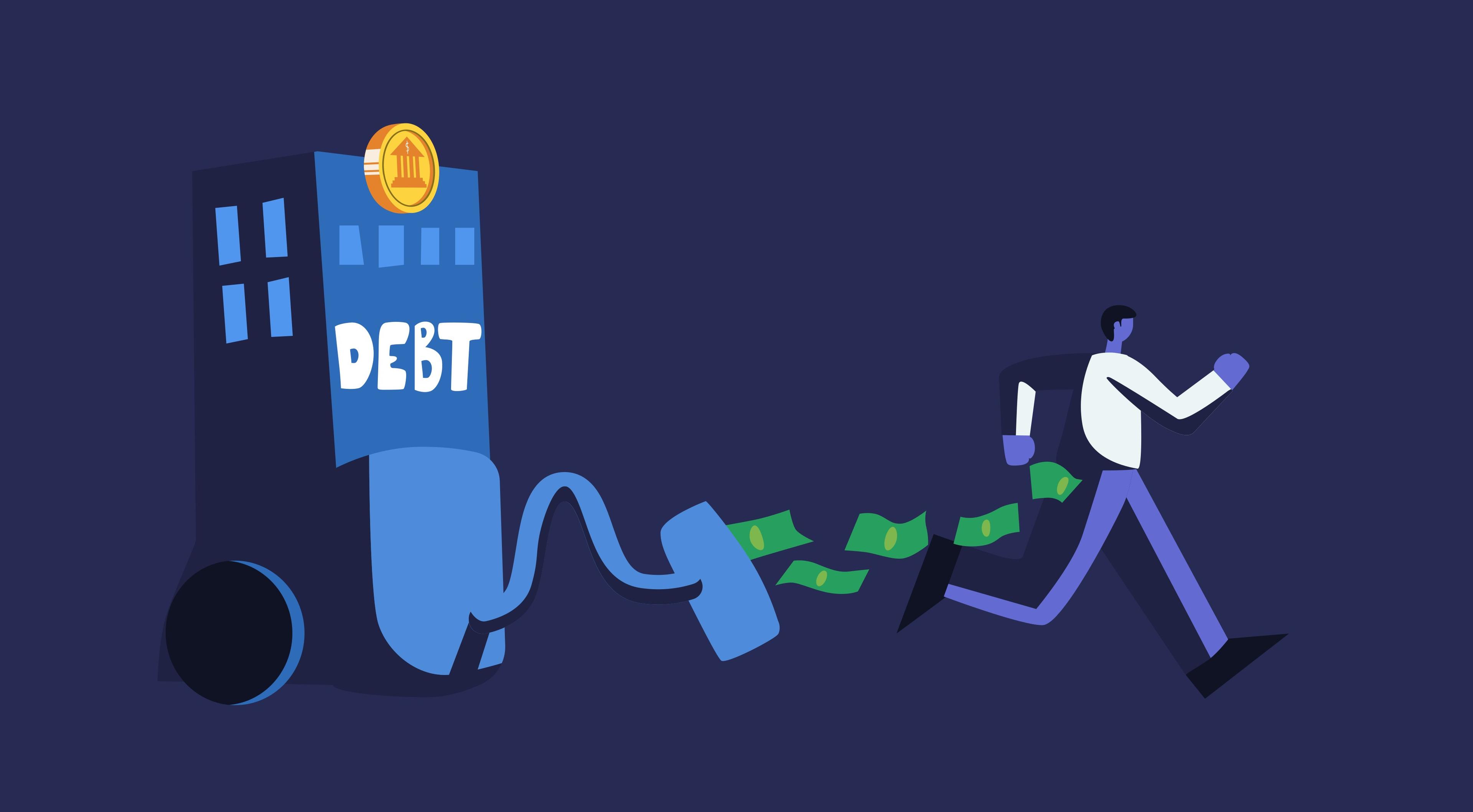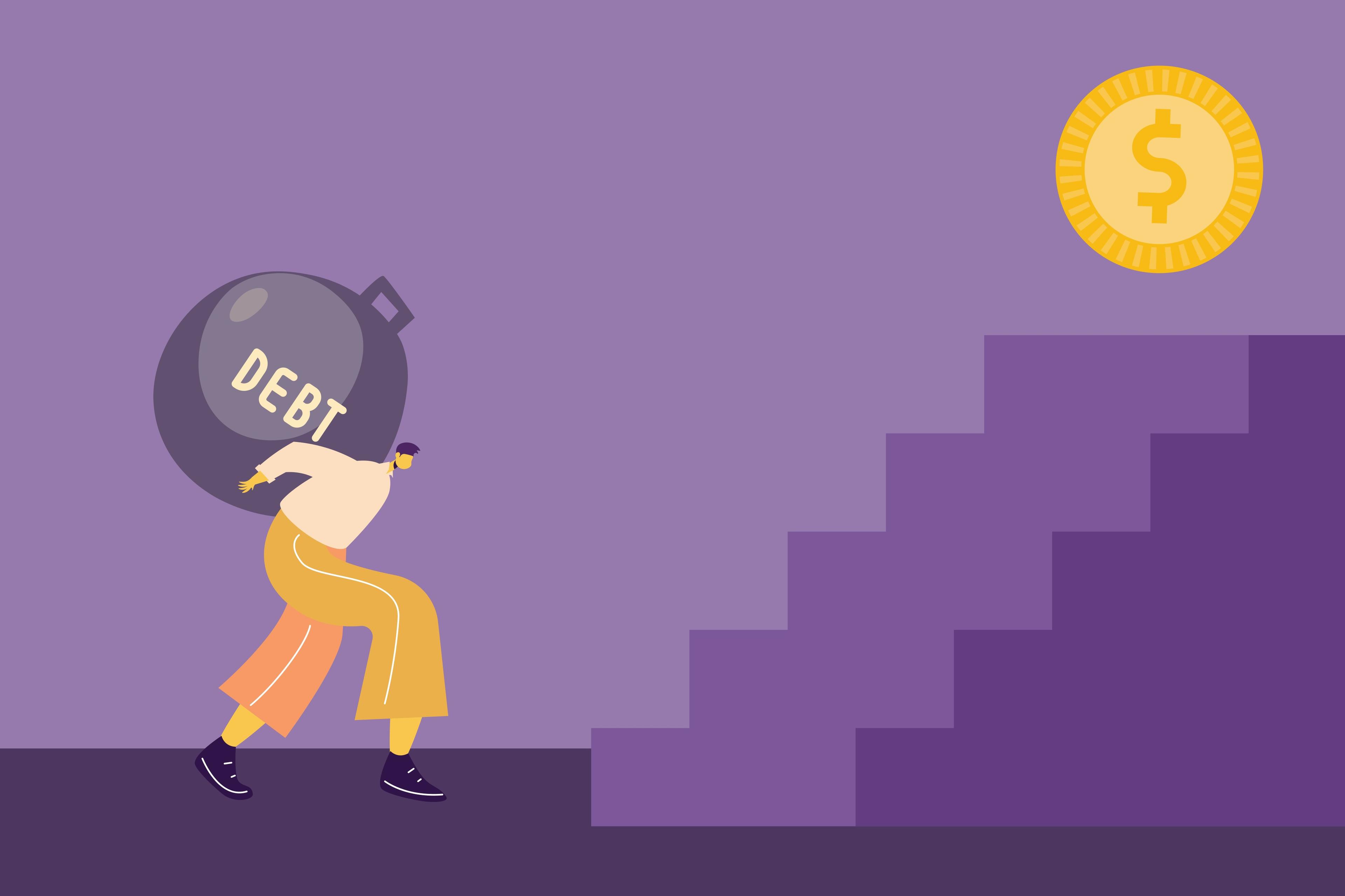
The debt snowball method is a debt repayment strategy built around one simple idea: progress feels real when you can see something disappear. Instead of starting with the debt that has the highest interest rate, you begin with the smallest balance. You keep every account current by paying the minimum on all your debts, then you direct every extra dollar you can spare to the smallest one until it is fully paid off. Once that first debt is gone, you roll the amount you were paying on it into the next smallest balance, and you repeat the process. Over time, your payment grows larger and more powerful, and the pace of payoff accelerates.
What makes the debt snowball method stand out is that it treats debt payoff as a behavioral challenge, not just a math problem. In theory, the most efficient approach is often the debt avalanche method, where you pay off the highest interest rate first to reduce total interest paid. That approach can be cheaper on paper. In real life, many people struggle to stick with it because the early progress can feel slow, especially if the high-interest debt also has a large balance. The snowball method flips the experience. It tries to deliver a win quickly, because a quick win changes your mindset, your motivation, and your willingness to keep going.
To use the debt snowball method, you start by listing all your debts that require regular payments, such as credit cards, personal loans, car loans, and medical bills. Then you sort them by balance, from smallest to largest. Interest rates are not the deciding factor for the order, even though they still matter in the background. After that, you commit to paying the minimum payment on every debt each month. This step is crucial because missed minimums can lead to fees, penalty interest rates, and damage to your credit, all of which can make payoff harder. Once the minimums are covered, you take whatever money is left in your budget for debt repayment and you apply it to the smallest balance until it is cleared.
A simple example shows how the method builds momentum. Imagine you have three debts: a credit card with a $500 balance and a $25 minimum payment, a store card with a $1,200 balance and a $40 minimum payment, and a personal loan with a $4,000 balance and a $120 minimum payment. If you can add an extra $100 a month toward debt payoff, the debt snowball tells you to pay the minimums on the store card and personal loan, then pay $125 on the $500 credit card ($25 minimum plus $100 extra). Once that $500 balance is gone, you do not reduce your overall payment. Instead, you roll the $125 you were using into the next smallest debt. Now the store card gets $165 a month ($40 minimum plus the $125 you freed up). When the store card is paid off, you roll that full amount into the personal loan. The personal loan payment jumps without you needing to “find” more money, because you have been training your budget to maintain the same total effort while your number of debts shrinks.
This rolling effect is the heart of the method. The snowball is not powerful because it is clever. It is powerful because it becomes automatic. Each payoff reduces the number of payments you have to manage, which lowers the chance of missing a due date and reduces the mental clutter that debt can create. Fewer open balances can also make you feel more in control. That emotional relief is not a small thing. For many people, debt is a constant background stress that affects sleep, mood, and decision-making. The snowball method aims to shrink that stress quickly by removing debts one by one, starting with the easiest to eliminate.
Still, the debt snowball method can feel like it is not working if you fall into common traps. One major mistake is trying to do the method without having a real “extra” amount to apply. If you only pay minimums, you are not really snowballing, and progress may be painfully slow. Another mistake is loosening your plan each time you pay off a debt. It is tempting to treat a payoff as permission to spend more, because it feels like you earned relief. But the method depends on keeping your total monthly payment steady so it can grow in force as debts disappear. The moment you reduce your overall payment, you weaken the snowball.
A third issue is continuing to add new debt while trying to pay down old balances. The snowball can still work, but it becomes much harder if new purchases keep refilling the accounts you are trying to empty. This is why the method often pairs well with a basic spending boundary, such as switching to debit for a period, limiting discretionary categories, or using a cash envelope style approach for problem areas. You do not need perfection, but you do need a way to prevent your progress from being erased.
The method is usually a great fit for people who feel overwhelmed by multiple debts, have struggled with consistency, or tend to lose motivation when payoff takes too long to show results. It is also useful when the interest rates across your debts are relatively similar, since the cost difference between snowball and avalanche may be smaller than people assume. Most of all, it works well for anyone who needs simplicity. If you want a plan you can follow without constantly recalculating or second-guessing, the snowball’s rules are easy to understand and hard to misapply.
That said, there are situations where you should be cautious about using the snowball strictly as written. If you have a debt with an extremely high interest rate that is causing rapid financial damage, such as certain payday-style products or a credit card that has jumped to a penalty rate, it may be smarter to target that debt earlier even if it is not the smallest balance. In other cases, if you are already behind on payments, the priority is stabilizing first. The snowball method assumes you can cover minimum payments on all debts. If you cannot, you may need to contact lenders, negotiate hardship options, or work with a nonprofit credit counseling agency before a snowball approach becomes realistic.
It is also worth acknowledging the role of an emergency buffer. Many people fail at debt payoff because they have no margin for surprises. A single car repair or medical expense forces them back onto credit cards, and the cycle restarts. Even a small starter cushion can protect the plan. It is not always possible to build a large emergency fund immediately, but having something set aside can keep a tough month from undoing months of progress.
In the end, the debate between snowball and avalanche misses the point if it turns into a purity contest. Avalanche tends to be more mathematically efficient. Snowball tends to be more behaviorally effective. The best plan is the one you can sustain long enough to finish. Many people even use a hybrid approach, paying off one or two small balances first to build momentum, then switching to the highest-interest debt once they feel locked in. That is a reasonable compromise if it helps you stay consistent.
The debt snowball method is, at its core, a way to turn debt payoff into a series of achievable wins. It creates structure when your finances feel chaotic, and it builds motivation when your progress feels invisible. If you commit to paying minimums on everything, focus your extra money on one target at a time, and roll your payments forward each time a debt disappears, you give yourself a system that gets stronger as you go. Debt payoff is rarely easy, but momentum makes it simpler. The snowball method is designed to create that momentum and keep it moving until the last balance is gone.
 WhatsApp
 Instagram
 Threads