Out-of-pocket expenses have a way of making you feel as if your money is constantly leaking away, even when you are doing many things “right” with your finances. You might be setting money aside for savings, contributing to retirement, and paying your regular bills on time, yet still feel thrown off whenever a medical bill, car repair, school payment, or minor emergency appears. These costs often seem like unpleasant surprises, but in reality, they are part of normal adult life. The problem is not that they exist. The problem is that most people do not plan for them in a structured way, so every bill feels like a disruption to an otherwise neat financial plan.
At its core, an out-of-pocket expense is any cost you pay directly that is not reimbursed by an employer, insurer, or other party. It can be a medical co-payment, dental treatment, physiotherapy session, optometry visit, or medication. It might be the cost of repairing your phone or laptop, replacing household items, maintaining your car, or calling a technician to fix something at home. It can include school-related items, exam fees, work tools, pet care, travel expenses, or visa and document fees if you move across borders. These expenses may not occur every week, but they recur often enough that ignoring them is risky. They sit between daily spending and true emergencies, and that is why they often cause stress.
A good starting point for managing these expenses is to define what they mean in your own life. The official term may sound technical, but your reality is more personal. Think back over the past six to twelve months and recall which payments made you say, “I did not plan for this, but I have to pay it.” Perhaps it was a last minute dental visit, a burst pipe, a cracked phone screen, or a specialist consultation that your basic insurance did not fully cover. Maybe it was an exam registration for your career, or a ticket home to visit family on short notice. When you begin to list these moments, you will notice that they follow certain patterns. Once you see the patterns, you can design a plan that is rooted in your actual life, not in an abstract ideal.
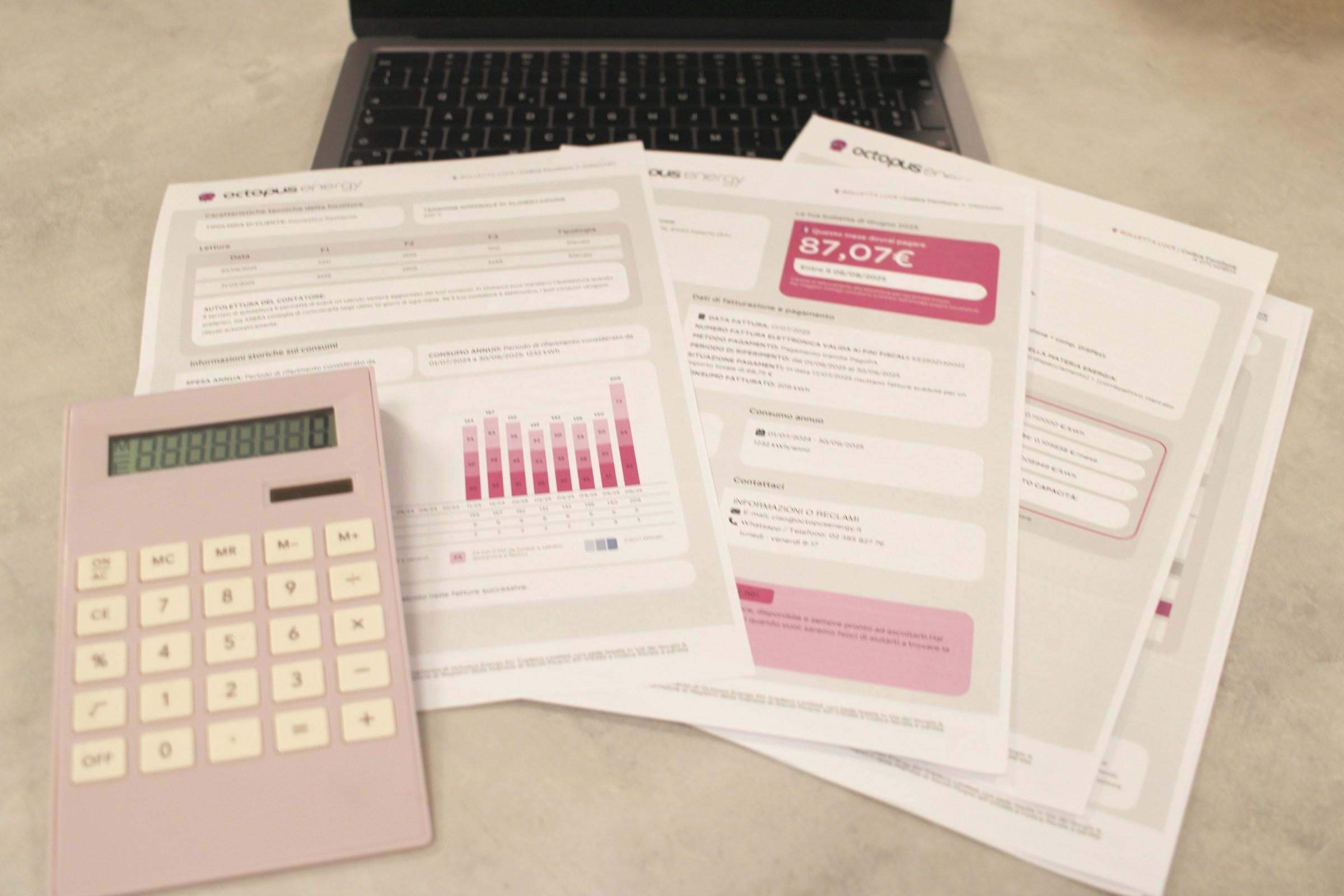
Before trying to “fix” anything, it is important to map your real spending. Many people guess how much they spend on irregular costs and underestimate the amount. Pulling three to twelve months of bank and card statements can be revealing. Go through your transactions and mark out anything that is not a fixed bill or a regular subscription. Focus on medical costs, repairs, maintenance, school or course fees, work-related tools, transport top-ups, and small but necessary purchases like chargers, batteries, or replacement items. There is no need to categorise everything perfectly. The goal is to see broad groups and get a rough sense of scale.
Once you have identified these items, add up the amounts for each broad category. You might discover that your medical and health-related costs average a certain amount per month, while vehicle and home maintenance form another chunk, and ad hoc life administration a third. This exercise can feel uncomfortable, because it shows you where your money has actually gone, not where you wish it had gone. At the same time, it is empowering. You cannot manage what you cannot see, and this step turns vague anxiety into concrete information.
With this clearer picture, you can begin to give out-of-pocket expenses a proper place in your financial system. Many people are familiar with the idea of dividing their money into needs, wants, and savings. Out-of-pocket costs sit awkwardly across these three categories, which is why they often vanish from view until they show up as a bill. Instead of leaving them floating in a grey area, you can create a more intentional structure by thinking in layers.
The first layer is made up of core commitments. These are essential, predictable items such as rent or mortgage payments, utilities, basic insurance premiums, loan instalments, and the level of groceries you need to function. The second layer is flexible lifestyle. This includes eating out, coffee runs, entertainment, online shopping, travel upgrades, and hobbies. The third layer is a resilient buffer, which is where out-of-pocket expenses should sit. This buffer is not a vague concept. It is a deliberate share of your monthly income and existing savings that you set aside for irregular but expected costs.
The share you allocate will depend on your life stage, health, and responsibilities. A single, healthy young professional with no dependents and no car may be able to manage with a smaller percentage, because the number of things that can go wrong is relatively limited. A household with children, elderly parents, pets, and a car will generally need a larger buffer, simply because there are more moving parts. Even if you are not yet sure of the perfect percentage, choosing a starting point and adjusting over time is better than acting as if these costs are unpredictable acts of fate.
To reinforce this structure, it helps to build a dedicated out-of-pocket fund that is separate from your long term emergency savings. An emergency fund is meant for major disruptions such as job loss, serious illness, or large, rare repairs. Regular out-of-pocket costs do not quite belong there. If you dip into your emergency fund every time you see a bill from a clinic or mechanic, your reserves will rarely grow and you may feel perpetually on edge. A separate fund, sometimes called a contingency or buffer fund, allows you to handle these mid sized shocks without touching the money that protects you from true emergencies.
This fund can live in a simple high interest savings account with easy access, but you treat it mentally as a buffer for irregular costs, not as extra spending money. A practical initial goal is to accumulate the equivalent of three to six months of your typical out-of-pocket spending. If your review shows that you tend to spend a certain amount each month on medical visits, repairs, and life admin, multiply that number by three or six and use that as a target. You do not need to reach it quickly. Regular, automatic transfers from your current account, plus occasional top ups from bonuses or tax refunds, are enough to build it steadily. Over time, this fund turns what used to feel like emergencies into manageable inconveniences.
Another lever you can pull is your insurance and employee benefits. Many of the more painful out-of-pocket bills in healthcare arise from gaps between what your plan covers and what you actually use. It is common to focus on headline features of a policy, such as hospitalisation coverage, while ignoring everyday needs like dental work, physiotherapy, mental health support, or chronic medication. Once a year, set aside time to review your policies with your actual spending history in front of you. Instead of asking whether a plan looks competitive on paper, ask whether it lines up with your lived reality.
If you have choices between designs that offer lower premiums but higher co-payments, or higher premiums but lower bills at point of use, run the numbers based on a normal year for you, not a perfect year. Someone who rarely sees a doctor might benefit from low premiums and higher out-of-pocket costs. Someone who knows they will need regular care might feel more comfortable with a plan that costs slightly more each month but reduces the volatility of their cash flow. For those who travel or live abroad, it is important to understand which regions are covered and whether you need additional cross border protection. Paying more for the right coverage can be cheaper than repeatedly funding overseas consultations out of pocket.
Once you have a buffer fund and a sense of your coverage, the next step is to pull out-of-pocket expenses into the center of your monthly plan instead of leaving them outside. When you sit down at the start of the month and allocate money to savings, investments, and fixed bills, include a specific line for irregular costs. This can be funded from your income and linked directly to your buffer fund. During the month, when a bill appears, you decide whether to pay from that month’s allocation or to draw from the accumulated buffer. If you do not use the full allocation in a given month, you roll the remainder into the fund, which gradually increases your resilience.
Some people find it helpful to have a separate card, e-wallet, or bank account that they use exclusively for these types of expenses. Others prefer to keep all spending on one card while tagging transactions in an app. Either approach can work, as long as you are able to see how much of your set allocation has been used. That visibility is what stops you from feeling blindsided. You are not trying to predict every bill in advance, only to recognise that a certain amount of irregular cost is part of normal life.
While structure is essential, habits also matter. Out-of-pocket expenses can quietly expand if you are not paying attention to how often they occur. You may notice that food delivery, ride hailing, or last minute purchases have become more frequent than you intended. Instead of trying to eliminate them completely, you can gently introduce boundaries. For example, you might reserve delivery for specific days, decide to use public transport for certain routes by default, or plan ahead for school and work needs so that you are not forced into expensive last minute purchases.
Planning ahead is especially useful for larger predictable events. Not all out-of-pocket costs are small. Dental work, elective medical procedures, school fees that are not part of regular term payments, and milestone travel are all examples of larger but foreseeable expenses. Treating them as mini projects can reduce stress. Give each project a clear name, estimate a total cost, count the months until payment is due, and divide the amount accordingly. You can then create a sub-account or mental “envelope” inside your buffer fund and feed it gradually. When the time comes, you already have the money set aside, and the payment feels routine instead of alarming.
If your income is irregular or you are self-employed, the challenge of handling out-of-pocket expenses can feel greater, but the principles remain the same. In this case, it is often better to work with percentages rather than fixed sums. You can route all income into a central account and immediately divide it into portions for core commitments, savings, and your buffer, based on set percentages. Every payment you receive automatically contributes a share to the fund that protects you from mid sized shocks. In good months, your buffer grows quickly. In leaner months, the contributions shrink but do not disappear, which preserves the habit. You might also decide on a minimum safe level for the buffer. When the fund falls below that, you temporarily prioritise rebuilding it over discretionary lifestyle spending.
Finally, it is useful to remember that your strategy for managing these expenses is not fixed forever. Life changes. Health conditions evolve, family structures shift, careers move, and even countries of residence can change. Every six to twelve months, it is worth asking yourself a few simple questions. Which expenses caught me off guard recently, and could I reasonably have anticipated them? Is my current insurance aligned with the way I actually use services? Is my buffer fund stable, growing, or constantly drained? How anxious do I feel when a bill shows up? The answers will guide small adjustments, whether that means increasing your target buffer, reviewing your policies, or tightening certain habits.
Learning how to manage out-of-pocket expenses is less about eliminating surprises and more about changing your relationship with them. Life will always contain inconvenient moments, but they do not all need to become financial crises. When you understand your patterns, build a dedicated buffer, align your coverage with your reality, and weave these costs into your monthly cash flow, you shift from reacting to events to responding with intention. You can start with a modest step, such as reviewing a few recent months of statements or opening a separate savings account for your buffer. Over time, those modest steps add up to a quieter, more confident financial life, where ordinary surprises no longer have the power to knock you off course.
 WhatsApp
 Instagram
 Threads