Most people ask how much of their paycheck should go to savings because they want a single number that feels definitive. Ten percent, twenty percent, something clean enough to remember and easy enough to follow. The problem is that money does not behave in clean lines. Your rent changes, your income can fluctuate, unexpected bills show up, and your goals can shift within a year. A savings rate that looks perfect on paper can still fail in real life if it is not built around your actual priorities and constraints. The best savings target is not the one that sounds impressive, but the one you can repeat consistently and increase over time.
A useful starting point for many people is saving around twenty percent of take-home pay, meaning the amount that lands in your bank account after taxes and deductions. This is a strong benchmark because it usually creates progress without requiring extreme sacrifice. Still, it is not a rule that everyone can follow immediately, and it is not the only path to financial stability. If twenty percent feels impossible, the right response is not to quit. It is to start smaller and build. A consistent five percent saved every payday will change your financial trajectory more than an ambitious target you abandon after two months. Saving works best when it becomes routine rather than a monthly decision you have to argue with yourself about.
Part of the confusion comes from the way people use the word savings. Savings can mean an emergency fund, goal-based cash for short-term plans, or long-term investing for retirement and future growth. These categories behave differently and need different strategies. Emergency funds should be stable and easy to access. Goal savings should be separated from daily spending so it does not get quietly spent. Investing is meant for longer timelines and will fluctuate, which makes it a poor replacement for emergency cash. When you treat all these categories as one bucket, you risk putting money in the wrong place. You might invest money that should have stayed liquid, or you might keep too much cash and delay building long-term wealth.
This is why it helps to think in phases rather than trying to do everything at once. The first phase is building a starter buffer. If you have no savings and a small surprise expense can derail your month, your first objective is not a perfect savings rate. Your first objective is protection. A starter buffer of about one to two thousand dollars can absorb the everyday surprises that otherwise force you into credit card debt or missed payments. Once you have that starter cushion, you can aim for a fuller emergency fund, typically three to six months of essential expenses. Essential expenses are not your entire lifestyle. They are the bills you must pay to keep your life functioning, such as housing, utilities, food, transportation, insurance, and minimum debt payments.
The size of that emergency fund depends on your risk and stability. Someone with a predictable salary and strong job security might be comfortable with three months of essentials. Someone with variable income, freelance work, commission-based pay, or a less stable industry often needs closer to six months, and sometimes more. When your emergency fund is still being built, it makes sense for your savings rate to be higher toward cash. Once the fund is established, you can redirect more money toward investing and longer-term goals. Many people get stuck because they try to balance every financial priority from the beginning, and the result is that none of them grow fast enough to create meaningful relief.
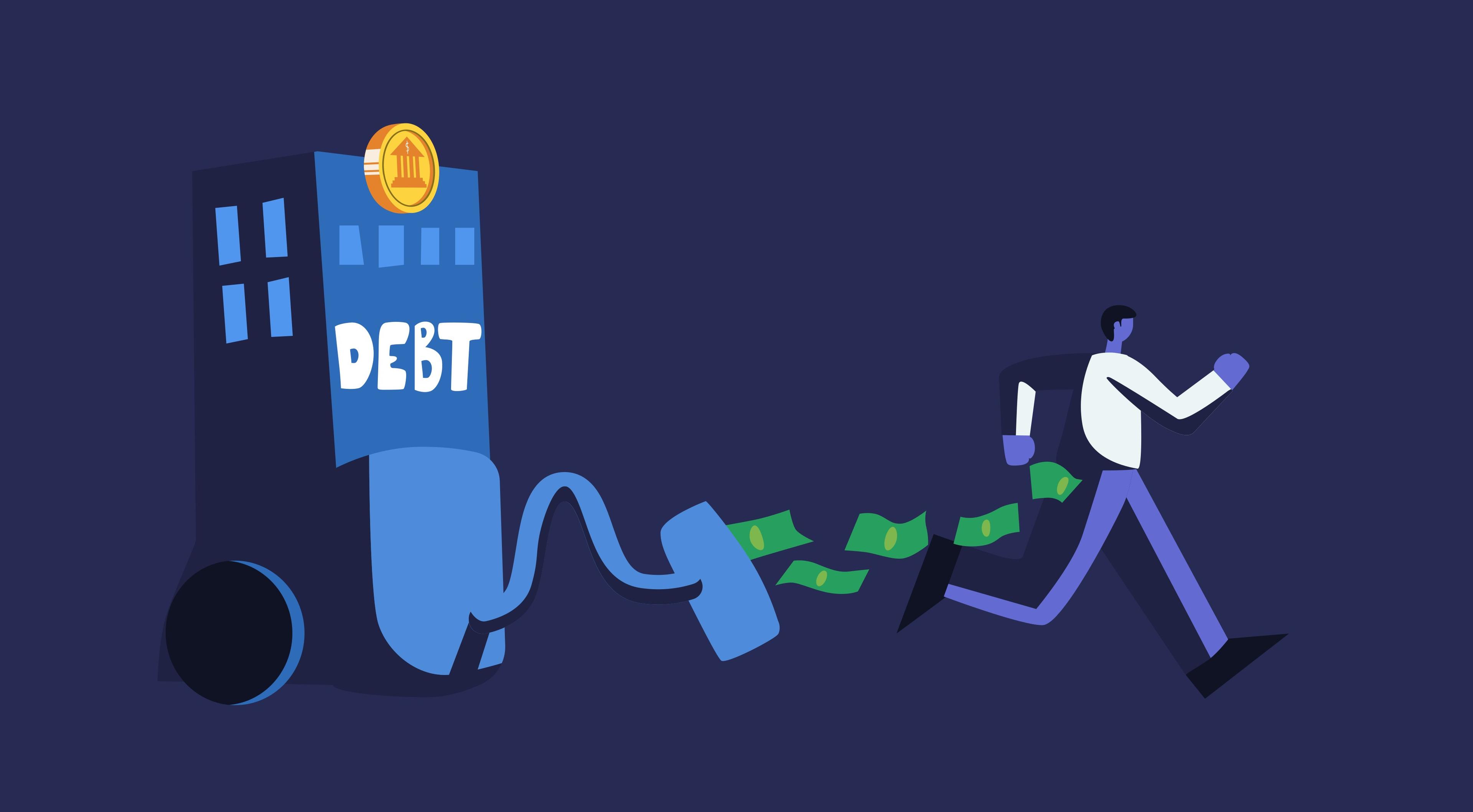
Debt plays a major role in deciding how much of your paycheck should go to savings. If you are carrying high-interest debt, especially credit card balances, building savings while ignoring the debt can feel like running uphill. High interest works against you daily, and it can erase the benefits of small savings gains. In many cases, once you have a starter buffer in place, aggressively paying down high-interest debt becomes a form of saving, because it reduces future interest costs and frees up cash flow. At the same time, there are situations where it is wise to contribute to retirement even while you repay debt, particularly if your employer offers a match. Employer matching is effectively a guaranteed return, and skipping it can be a costly mistake. The better approach is usually to secure the match if you can, keep a starter buffer, then focus on the most expensive debt.
To make this practical, imagine a person taking home $3,000 a month. A twenty percent savings rate would mean setting aside $600. If they have no emergency buffer, that $600 could go toward building the starter cushion quickly, followed by a larger emergency fund. If they already have a stable cushion, that $600 might be split between retirement investing and goal savings. But if $600 is unrealistic, the same person might begin with five percent, or $150, and automate it so it happens the day they get paid. That small step changes the entire process. Automation removes the need to rely on willpower, and it prevents savings from becoming whatever is left after spending. After the habit is established, the amount can gradually increase.
Your savings rate should also reflect the structure of your expenses. If rent, debt payments, and basic bills consume most of your income, a high savings rate may not be achievable immediately. In that case, financial progress may look like stabilizing cash flow, avoiding late fees and overdrafts, and building a small emergency buffer first. Instability is expensive. Overdraft charges, late fees, rushed purchases, and the interest from carrying balances often cost more than people realize. A modest emergency fund can reduce those costs and create breathing room. In contrast, people with low fixed expenses can often save more aggressively. This is why comparing your savings rate to someone else rarely helps. Their obligations and support systems are not the same as yours.
Career stage matters as well. Early in your career, you may not have the income to save large percentages, but you have time on your side. A smaller savings rate, consistently applied, can still produce powerful results if you increase it as your income rises. One of the simplest ways to do that is to save part of every raise. If your pay increases by five percent, saving two percent of that raise allows you to feel the benefit of higher income while quietly raising your savings rate. Over several years, this approach can move you from struggling to save to saving consistently without feeling deprived.
There are also moments when a higher savings rate makes sense because you are pursuing a specific goal. Buying a home, preparing for a move, funding an education plan, or building a runway to change jobs can justify temporarily saving twenty-five percent or more. The key is that it should be tied to a clear purpose and a reasonable timeline. When people force an extreme savings rate without a plan, they often burn out and rebound with overspending. Saving should not be a punishment. It should be a strategy that supports your life, both now and later.
Ultimately, the question of how much of your paycheck should go to savings is best answered with a flexible framework. If you have no emergency buffer, a realistic target is often five to fifteen percent while you build a starter cushion and work toward three to six months of essentials. If your income is stable and your emergency fund is established, aiming for a combined total of fifteen to twenty percent toward savings and investing is a strong long-term target. If you are aiming for a specific goal or trying to accelerate your progress, saving at a higher rate can work, but it should be temporary and intentional. If you are dealing with high-interest debt, the best use of additional money may be debt repayment after you build a basic cash buffer, because eliminating expensive debt improves your financial position in a lasting way.
The most important detail is that the right savings rate is the one you can sustain. A plan that works only in perfect months is not a plan. The best approach is to choose a number you can hit even in a messy month, automate it, and then increase it gradually as your situation improves. Over time, that steady pattern builds security, reduces stress, and creates options. Saving is not about chasing a perfect percentage. It is about building a system that protects you from surprises and moves you toward the life you want with each paycheck.
 WhatsApp
 Instagram
 Threads