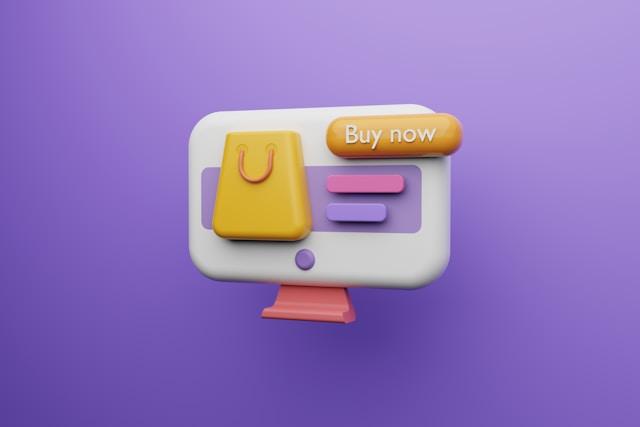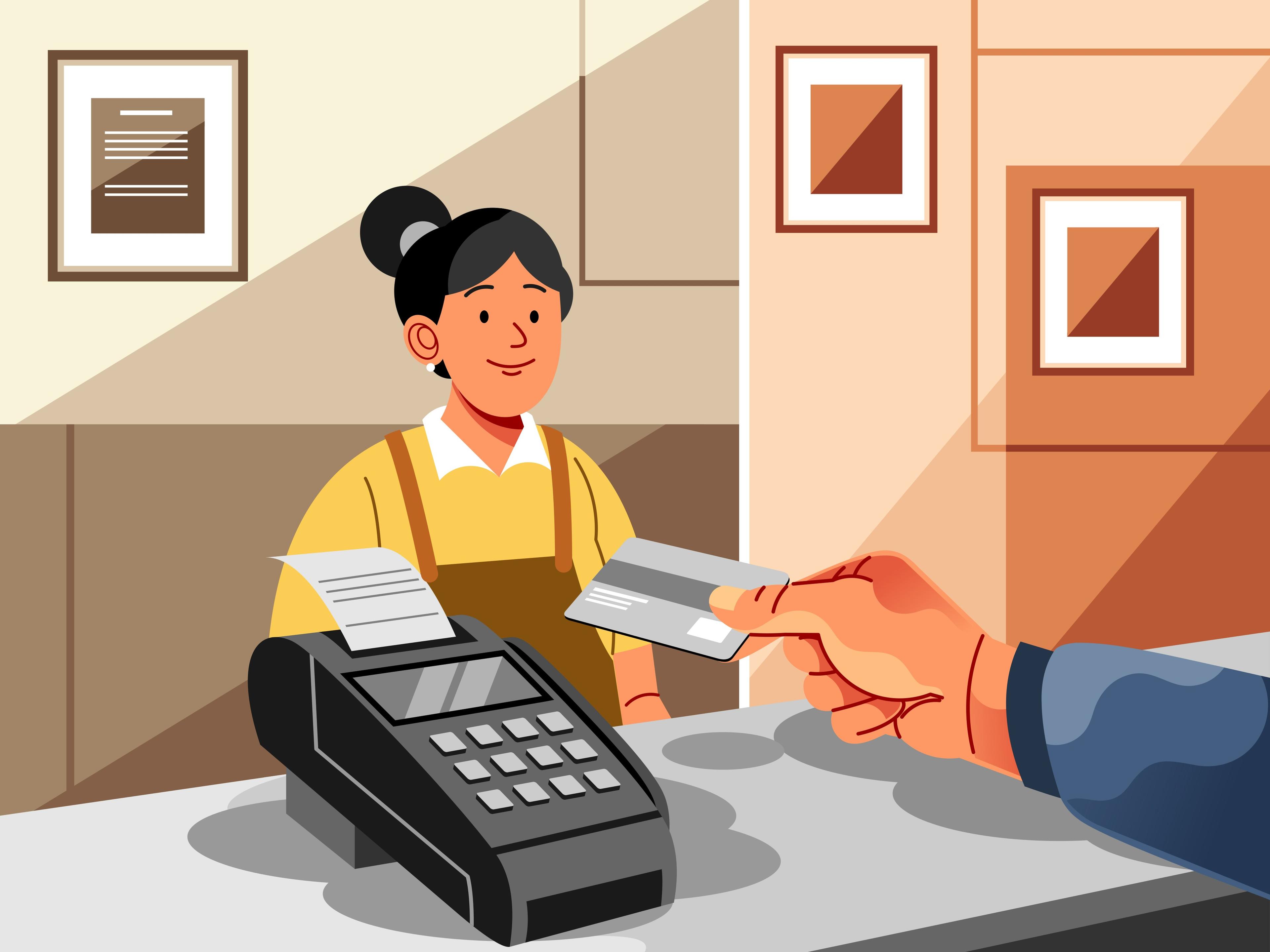
Buy now, pay later, widely known as BNPL, has moved from a niche checkout option to a mainstream payment habit in Singapore. Its popularity is often explained as a simple desire to split spending into smaller pieces, but the real story is bigger than that. BNPL became popular because it fits neatly into how Singaporeans already shop, how digital platforms shape spending decisions, and how consumers manage cash flow in an environment where prices, bills, and day to day costs can feel less predictable than before. It is not only about wanting more stuff. It is also about wanting more control over timing, convenience, and budgeting.
At its core, BNPL offers a promise that feels practical and modern. Instead of paying in full today, consumers can divide a purchase into a few instalments over a short period. In many cases, the plan is presented as interest free if payments are made on time, which makes it feel less like borrowing and more like a smoother way to pay. That framing matters in Singapore, where many consumers are financially literate enough to understand the downsides of long term revolving debt, yet still want flexibility when a purchase does not align with the month’s expenses. BNPL takes a common budgeting problem and packages a solution directly into the checkout experience.
One reason BNPL spread quickly is that it reduces friction in a world where people expect speed. Traditional credit products often require applications, checks, paperwork, and longer approval processes. Even credit cards, though common, can feel like a heavier commitment for consumers who do not want another line of credit, do not qualify comfortably, or simply prefer to keep their spending more contained. BNPL is designed to be light and fast. It appears at the moment of purchase, asks for minimal steps, and turns a decision that might have felt risky into a decision that feels manageable. When a payment method reduces the emotional weight of paying, adoption tends to follow.
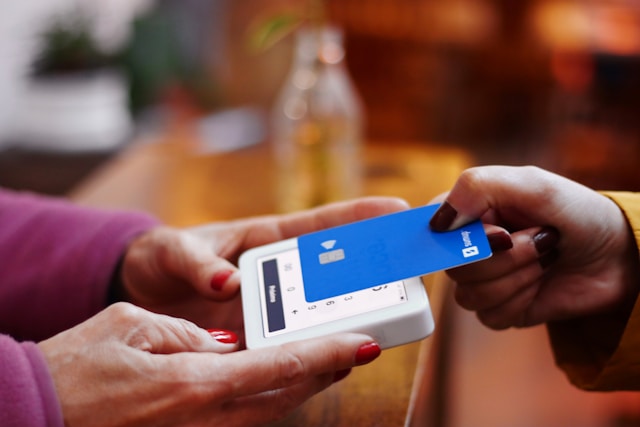
Singapore’s shopping environment also created ideal conditions for BNPL to grow. E-commerce is deeply embedded in daily life, and app based payments are not a novelty. Consumers are already used to ordering food, booking rides, shopping for household items, and paying bills through platforms that prioritise convenience. BNPL did not need to persuade people to embrace digital transactions. It only needed to position itself as the easiest next step. By appearing inside familiar platforms and merchant checkouts, BNPL became normal through repetition. The more often consumers saw the option, the more they accepted it as a standard choice rather than an unusual financial product.
This platform driven visibility has been one of BNPL’s strongest engines. When large ecosystems build pay later options into their apps, the feature gains credibility and scale. Consumers do not have to search for BNPL. It is presented to them while they are already spending, often alongside vouchers, promotions, and loyalty rewards. The result is that BNPL becomes part of the purchasing rhythm. It is not an extra service to consider. It is simply a toggle that can make a purchase feel easier on the wallet this month.
Merchant incentives reinforce this trend. Retailers want fewer abandoned carts and more completed checkouts, especially in an online environment where consumers can exit with one click. Instalment options can reduce sticker shock and encourage shoppers to follow through. Even if consumers do not think about the business side, they benefit indirectly from the growing number of stores that accept BNPL. Once enough merchants offer it, BNPL becomes more useful, and once it becomes more useful, more merchants feel pressured to adopt it to stay competitive. This feedback loop is part of why BNPL has gone from occasional to widespread.
Another important driver is the psychology of budgeting. Many people do not evaluate affordability based only on total price. They evaluate it based on the monthly impact. This is especially true in a city where expenses are structured around recurring obligations such as rent or mortgages, transport, childcare, insurance, utilities, and food. A large one off purchase can feel disruptive even for a consumer with a stable income. BNPL reframes that disruption into smaller, predictable amounts that appear to fit neatly into the month’s plan. When the instalment looks small enough, the purchase feels justified. This can be responsible when it is planned and limited, but it is also the reason BNPL can quietly encourage spending that would otherwise be delayed.
Cost pressures make this timing benefit even more attractive. Singapore has experienced periods where daily expenses, from groceries to services, have felt more expensive, and many households have become more careful about managing cash flow. Even when income is steady, the feeling of uncertainty can shape behaviour. BNPL offers a sense of flexibility that helps consumers feel they are not draining their bank balance in one hit. For someone balancing multiple obligations, spreading a necessary purchase across a few pay cycles can feel like a rational choice. This is not always about luxuries. It can apply to electronics needed for work, a replacement appliance, travel bookings, or unexpected household expenses.
BNPL’s popularity also reflects a shift in how consumers view credit itself. Older models of borrowing make the act of borrowing explicit. You apply for a loan, accept a limit, and repay over time. BNPL embeds credit into commerce, so it feels closer to a payment method than a borrowing decision. That design lowers resistance. A consumer who would hesitate to take a personal loan may have no hesitation selecting a pay later option for a purchase, even though the underlying behaviour still involves committing future income. When credit becomes invisible, it becomes easier to use, and that ease is a major reason BNPL has spread.
Singapore’s broader familiarity with instalment thinking has helped too. Instalment plans are not new, and many people are used to monthly commitments through phone plans, subscription services, education fees, and structured payments for larger purchases. BNPL feels like an extension of a concept consumers already understand. The difference is that BNPL applies that logic to everyday retail and does it instantly at checkout. The familiarity makes adoption smoother, because consumers do not feel they are learning a new financial behaviour. They feel they are applying an old one in a more convenient way.
Trust and perceived legitimacy have also played a role in Singapore’s BNPL growth. Singaporeans tend to pay attention to whether financial services operate within clear boundaries, even when products are not regulated in the same way as banks. The presence of industry standards and conduct expectations can influence whether consumers feel safe enough to use a product at scale. When BNPL is widely available through established platforms and recognised providers, many consumers interpret that as a signal that it is not a fringe service. Even if they do not read policy discussions, they absorb legitimacy through brand familiarity and widespread acceptance.
At the same time, BNPL’s popularity is inseparable from promotional culture. Singapore’s retail environment is filled with flash sales, payday campaigns, limited time deals, and bundles that encourage quick decisions. These promotions work because they create urgency, and BNPL makes urgency easier to act on. A consumer who might otherwise postpone a purchase may decide to proceed because splitting the cost reduces the immediate impact. In this way, BNPL does not just respond to demand. It can amplify demand by making time pressure more effective. It is also worth recognising how BNPL aligns with the preferences of younger consumers without being limited to them. Many younger adults dislike the idea of revolving credit and prefer clear, fixed repayment schedules. They also live inside apps, so a feature that sits in a platform ecosystem feels natural. However, BNPL’s appeal extends beyond youth. Anyone who wants to smooth spending, avoid interest, or manage timing may find it attractive. This broader appeal helps explain why BNPL has remained relevant even as market conditions and consumer sentiment shift.
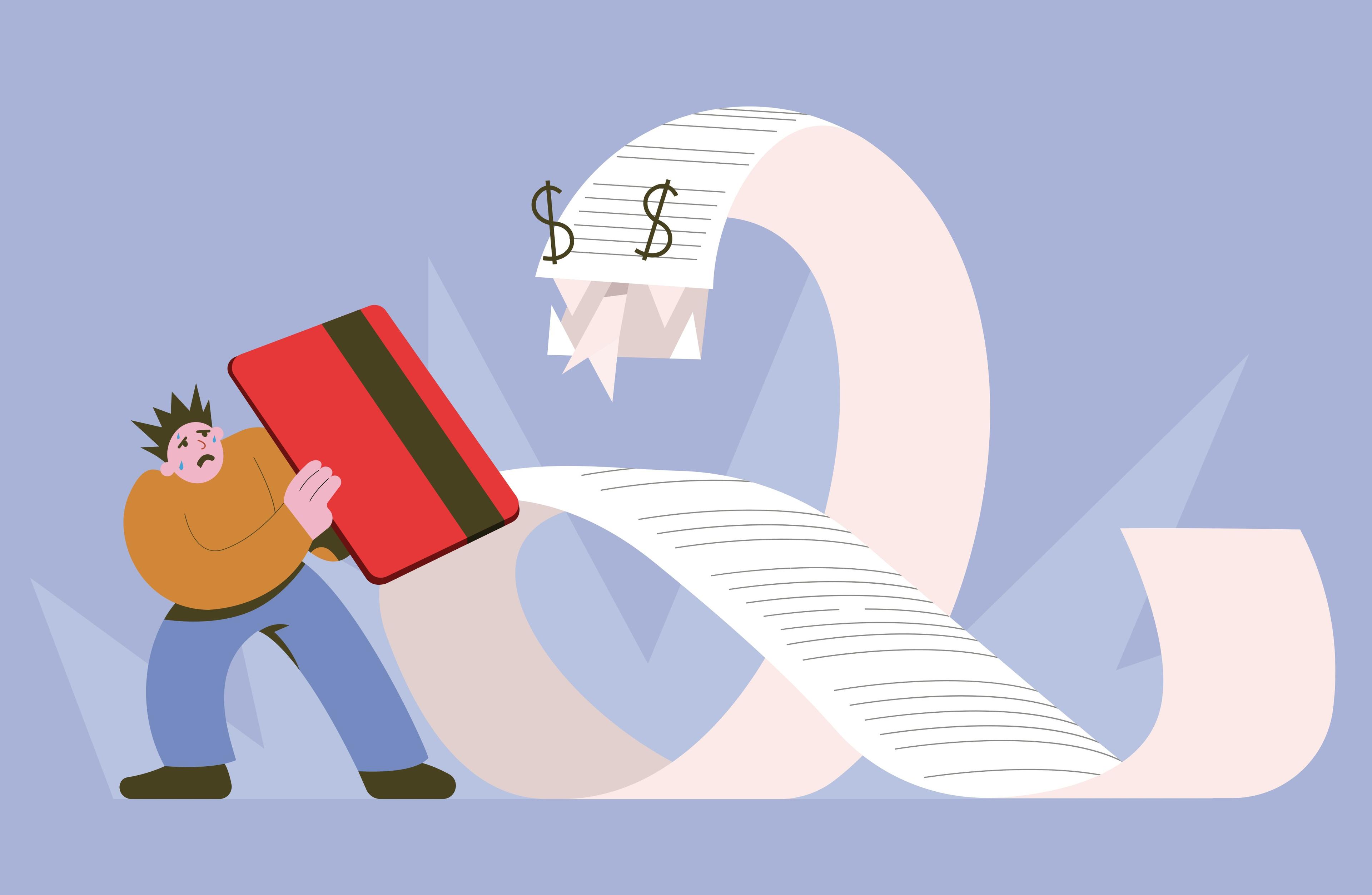
Still, the very features that make BNPL popular can create risks that are easy to underestimate. The main danger is not necessarily the instalment plan itself. The danger is stacking. A single BNPL plan may look harmless, but multiple plans across different merchants can accumulate into a heavy monthly burden. Because each plan is small, consumers may not feel the total weight until payments start overlapping. This is one reason BNPL is often described as deceptively easy. It can feel controlled while it is growing out of sight.
Late fees and missed payments also change the equation. BNPL is often promoted as interest free, but that benefit depends on paying on time. When consumers fall behind, penalties and restrictions can follow, and the relationship can start to resemble other forms of unsecured credit. For financially disciplined users, BNPL can be a tool. For users who already struggle with budgeting, it can become another source of stress. Popularity does not mean suitability for everyone. It means the product matches a common desire, not that it is always used in the healthiest way. What makes BNPL especially powerful in Singapore is that it operates at the intersection of technology and behaviour. It is not only a finance product. It is a design choice that influences decision making. It turns a full price into a smaller monthly number. It turns hesitation into approval. It turns a future obligation into a present convenience. In a digital economy, design is often destiny, and BNPL’s success shows how much consumer behaviour can be shaped by the way options are presented.
Ultimately, BNPL has become popular among consumers in Singapore because it delivers what modern spending habits demand. It offers speed, convenience, and flexibility, and it sits exactly where decisions are made, at the checkout screen. It benefits from platform distribution, merchant adoption, and a consumer preference for predictable monthly planning. It also aligns with a cost environment where many people want to keep their cash flow smooth rather than absorb sudden hits to their savings.
The more important question is what happens next. BNPL is likely to remain popular as long as digital commerce keeps growing and consumers keep valuing flexibility. But its long term impact will depend on how thoughtfully it is used. When BNPL supports planned purchases and disciplined repayment, it can help consumers manage timing without turning into long term debt. When it becomes a habit used to justify impulse spending or to cover gaps in an already strained budget, it can create the very financial pressure it claims to relieve. In Singapore’s highly connected retail environment, BNPL’s popularity is easy to understand. Keeping that popularity from turning into widespread financial strain will depend on consumers treating pay later as a budgeting tool, not as free money.
 WhatsApp
 Instagram
 Threads