
Buy Now, Pay Later has become one of the most persuasive checkout choices in Malaysia, not because Malaysians suddenly stopped understanding what credit is, but because the experience of borrowing has been repackaged into something that feels like ordinary shopping. A credit card still asks you to step into a separate financial relationship first. BNPL arrives after you have already chosen what you want, then quietly offers a way to make the payment feel lighter. That difference in timing changes everything. Malaysians choose BNPL over credit cards because BNPL is built for the moment of decision, when convenience, cashflow, and emotion are at their peak.
The first thing BNPL does well is remove friction. For many people, a credit card is still associated with forms, eligibility checks, credit limits, statements, and the subtle fear of getting rejected. Even if the process is smoother today than it was years ago, the product still carries the feeling of a formal application. BNPL, on the other hand, tends to feel like a feature rather than a financial product. It is presented alongside online banking and cards, often inside apps Malaysians already use daily for shopping, food delivery, transport, or digital wallets. The user does not feel like they are “getting credit.” They feel like they are picking a payment method. That matters in a country where income patterns are diverse and not everyone fits neatly into a traditional underwriting box. Younger workers, gig earners, students, and people with irregular income can find credit cards difficult, intimidating, or simply unnecessary. BNPL slips into that gap by offering smaller commitments tied to specific purchases. It lowers the psychological barrier to entry. It does not demand that you become a cardholder first. It invites you to split one purchase today, then quietly suggests you can do the same again tomorrow.
The second reason is that BNPL sells clarity, and clarity feels like control. Credit cards are revolving credit. They are designed to be flexible, which can be a huge advantage for disciplined users, but flexibility can also blur the true cost of spending. A credit card statement arrives after purchases have already been made, and the minimum payment option can create the illusion that you are managing the balance when you are really postponing it. Interest is not always felt immediately, especially by first-time users who are still learning how billing cycles work. When money is tight, the temptation to roll a balance can be strong, and once revolving interest becomes part of the routine, repayment gets heavier month after month. BNPL feels different because it often presents repayment as fixed instalments. You see the schedule upfront. You see the amounts. You can mentally file the purchase under “four small payments” instead of “a growing balance.” Even when fees exist, the structure still feels predictable. The story is simple: pay a portion now, then pay the rest in set steps. That simplicity appeals to Malaysians who want a clear boundary around their spending, particularly in an environment where everyday costs can feel like they move faster than wages.
BNPL also fits the way many people budget. A lot of households manage money based on pay cycles rather than monthly statements. If you are paid monthly, you are likely thinking in terms of what can survive until the next payday. If you are paid weekly or have variable income, you may be thinking in even shorter horizons. Credit cards speak the language of statement dates and due dates. BNPL speaks the language of instalments and calendar reminders. In practical terms, both are repayment schedules, but BNPL’s repayment framing can feel more compatible with how Malaysians plan their cashflow, especially when the purchase is something that feels essential or time-sensitive.
A third reason is that BNPL is tightly linked to a single purchase, and that makes it feel less like debt. A credit card is an open door. It can be used for groceries, petrol, a weekend getaway, an emergency repair, and a late-night online purchase you will barely remember next week. This general-purpose nature is convenient, but it can also make it easy to lose track of how different categories pile up. BNPL is usually activated in a specific context, at a specific checkout, for a specific item. That bounded nature makes the commitment feel smaller, even when the total spending over time may be larger. People are more comfortable borrowing when it feels contained.
It also helps that BNPL is designed to reduce the emotional pain of paying. When the full amount is shown, the brain flinches. When the amount is divided into smaller pieces, the brain relaxes. This is not unique to Malaysia, but Malaysia’s mobile-first commerce culture makes the effect stronger. Shopping apps are fast, discounts are loud, and checkout is built to minimise hesitation. BNPL becomes the final nudge that turns “maybe later” into “buy now.” Credit cards can do something similar, but they do not show up as a tailored suggestion in the same way. BNPL is presented as a solution to your hesitation, not as a tool you must manage.
Another reason Malaysians choose BNPL is accessibility in the moment. Many people do not carry a credit card, and some prefer not to. Others may have one but keep it for emergencies or travel, rather than daily spending. BNPL reduces the need to plan ahead. You do not have to decide months earlier to apply for a card. You do not have to wait for approval and delivery. You do not have to memorise a billing cycle or learn the discipline of paying in full. BNPL often feels like an instant bridge between desire and ownership. In a retail environment where trends move quickly and limited-time offers are everywhere, instant bridges are powerful.
There is also a trust component. Credit cards have been around for decades, but that does not automatically make everyone comfortable with them. Some Malaysians have watched family members struggle with revolving debt and late payment problems. For those households, credit cards can carry a stigma. BNPL, being newer and branded differently, can feel like a safer version of borrowing, even if the underlying risk of overspending is similar. The language is softer. “Split payment” sounds less serious than “credit line.” The product is marketed as a budgeting tool, not a debt tool. For a consumer trying to avoid the fear of falling into long-term debt, BNPL can feel like a compromise that still allows them to buy what they need.
At the same time, BNPL’s close integration into platforms Malaysians already trust plays a role. If a BNPL option is offered inside a familiar app, it borrows credibility from that ecosystem. The consumer is not dealing with an unfamiliar lender in isolation. They feel like they are using a feature from a brand they already use for shopping or transport. That sense of familiarity reduces the perceived risk. Credit cards are issued by banks, and banks are trusted, but banks can also feel formal and distant. BNPL feels like part of your daily routine.
Some Malaysians also prefer BNPL because it feels easier to keep spending from spiralling, at least in theory. A credit card limit can be large, and a large limit can invite a large mistake. BNPL limits often begin smaller. A smaller limit can be seen as a guardrail, even if that guardrail disappears once someone starts stacking plans across multiple platforms. The early experience of BNPL can feel manageable, especially when the first few repayments go smoothly. Success builds confidence, and confidence can turn into habit.
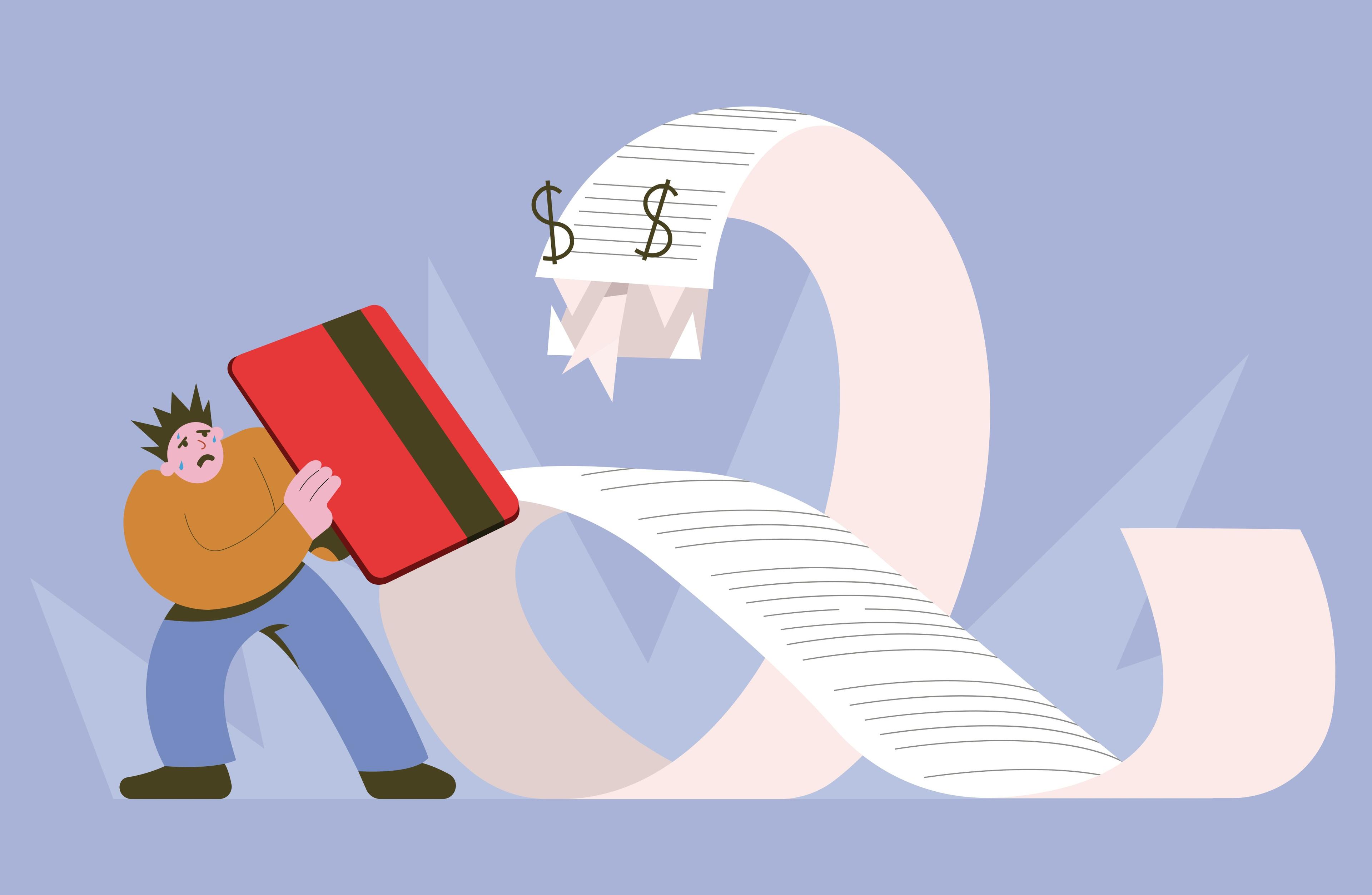
This is where the story gets complicated. The reasons Malaysians choose BNPL over credit cards are real, but so are the risks that make regulators and consumer advocates pay attention. BNPL can encourage a certain kind of spending blindness. Because each purchase is broken into smaller amounts, it is easy to underestimate the total monthly burden. One instalment plan looks harmless. Two feels manageable. Three still seems fine. Then payday arrives and you realise the commitments are stacked across different platforms, each with its own due dates. The danger is not the structure of instalments itself. The danger is the ease of multiplying instalments without feeling the weight of the total.
Credit cards have their own risks, but they also come with a long-established habit culture. People have heard for years that they should pay in full, avoid carrying balances, and treat minimum payments as a last resort. Many still ignore that advice, but the warning signs are widely understood. BNPL, because it is newer, can feel like it lives outside the world of “real borrowing.” Some users do not treat it with the seriousness they would give a credit card balance. That gap between perception and reality is one of BNPL’s most dangerous strengths.
BNPL can also create a false sense of affordability. When the monthly instalment is low, the purchase feels affordable. But affordability is not just whether you can make the next payment. It is whether the purchase still makes sense once you account for all other obligations, including rent, groceries, bills, emergency savings, and the unpredictability of life. Credit cards can distort affordability too, but BNPL’s presentation at checkout can make it easier to rationalise purchases that would have felt too expensive if paid upfront. Despite these concerns, it is easy to see why BNPL keeps winning the comparison against credit cards for many Malaysians. It matches the speed of modern commerce. It speaks in simple numbers. It integrates into apps and platforms that already dominate daily life. It lowers barriers for people who do not want to apply for a card or cannot qualify for one. It gives people a way to manage cashflow without immediately stepping into the world of revolving interest.
Credit cards, in contrast, demand more personal responsibility to unlock their best value. If you use a credit card and pay in full every month, the product can be extremely powerful. It offers flexibility, potential rewards, and a long-established dispute and consumer protection ecosystem. But that best-case version requires consistency and discipline, and discipline is hardest to maintain when inflation bites, wages feel stretched, and unexpected expenses keep showing up. Many Malaysians simply want a cleaner structure that reduces the temptation to roll a balance. BNPL can feel like a system that forces repayment rather than one that invites delay.
In the end, Malaysians choose BNPL over credit cards because BNPL has been engineered to feel like the natural answer to a modern problem: wanting something now while living with a budget that does not always align with timing. It turns a full payment into smaller commitments and wraps those commitments in a checkout flow that feels effortless. It offers the emotional comfort of predictability and the practical comfort of short-term cashflow relief. But the right way to view BNPL is not as a harmless alternative to credit. It is credit with a different costume. If you use it deliberately, for purchases you can genuinely afford within the repayment schedule, it can be a useful tool. If you use it casually, stacking plans because each one looks small, it can quietly become the same kind of financial trap that credit cards have been blamed for over the years. The UI may feel lighter, but the obligation is still real. The smartest Malaysians are not choosing BNPL because it is free money. They are choosing it because it fits their behaviour and their cashflow, and then they are making sure that the tool does not start using them.
 WhatsApp
 Instagram
 Threads


-1.jpg&w=3840&q=75)