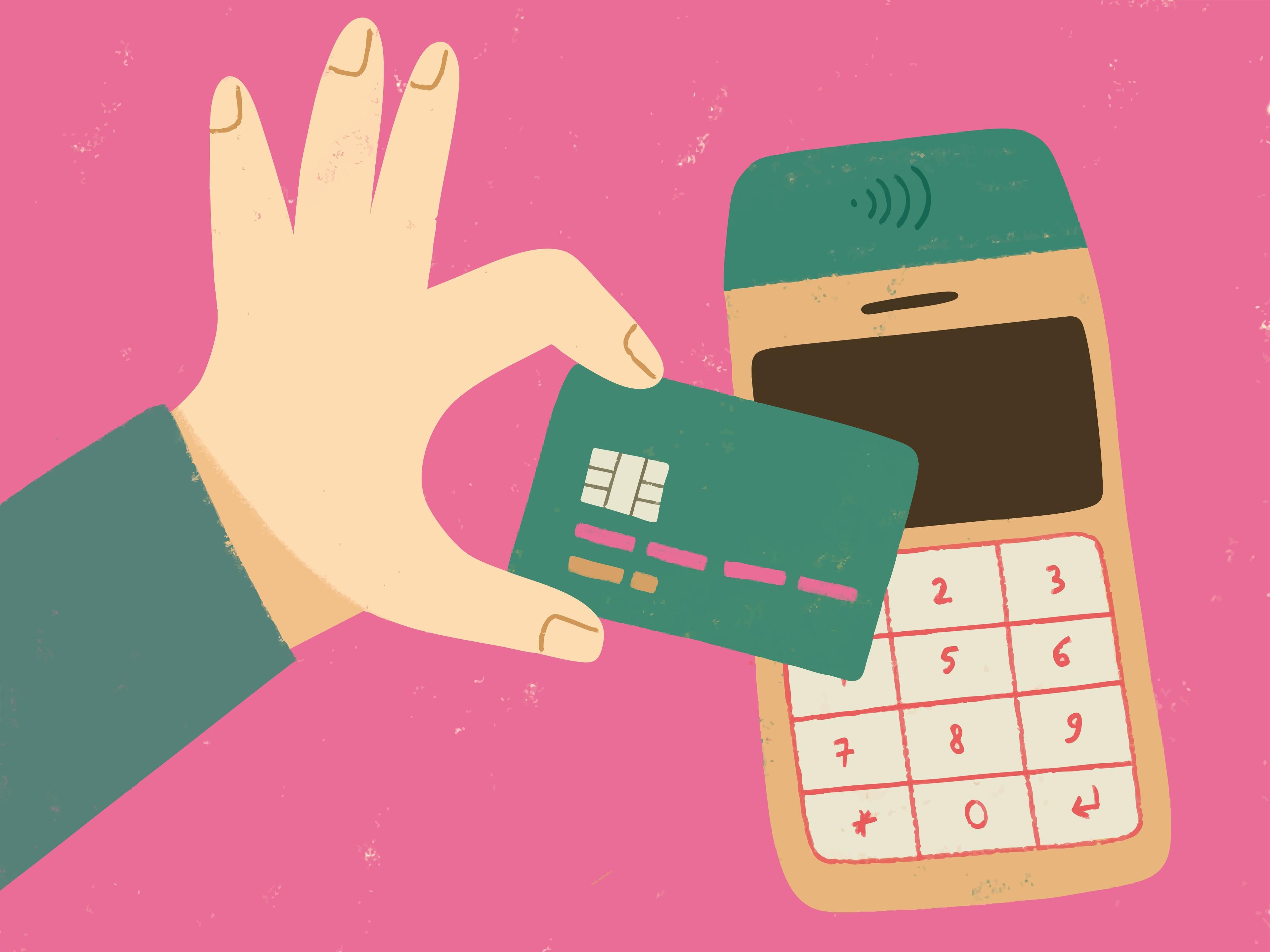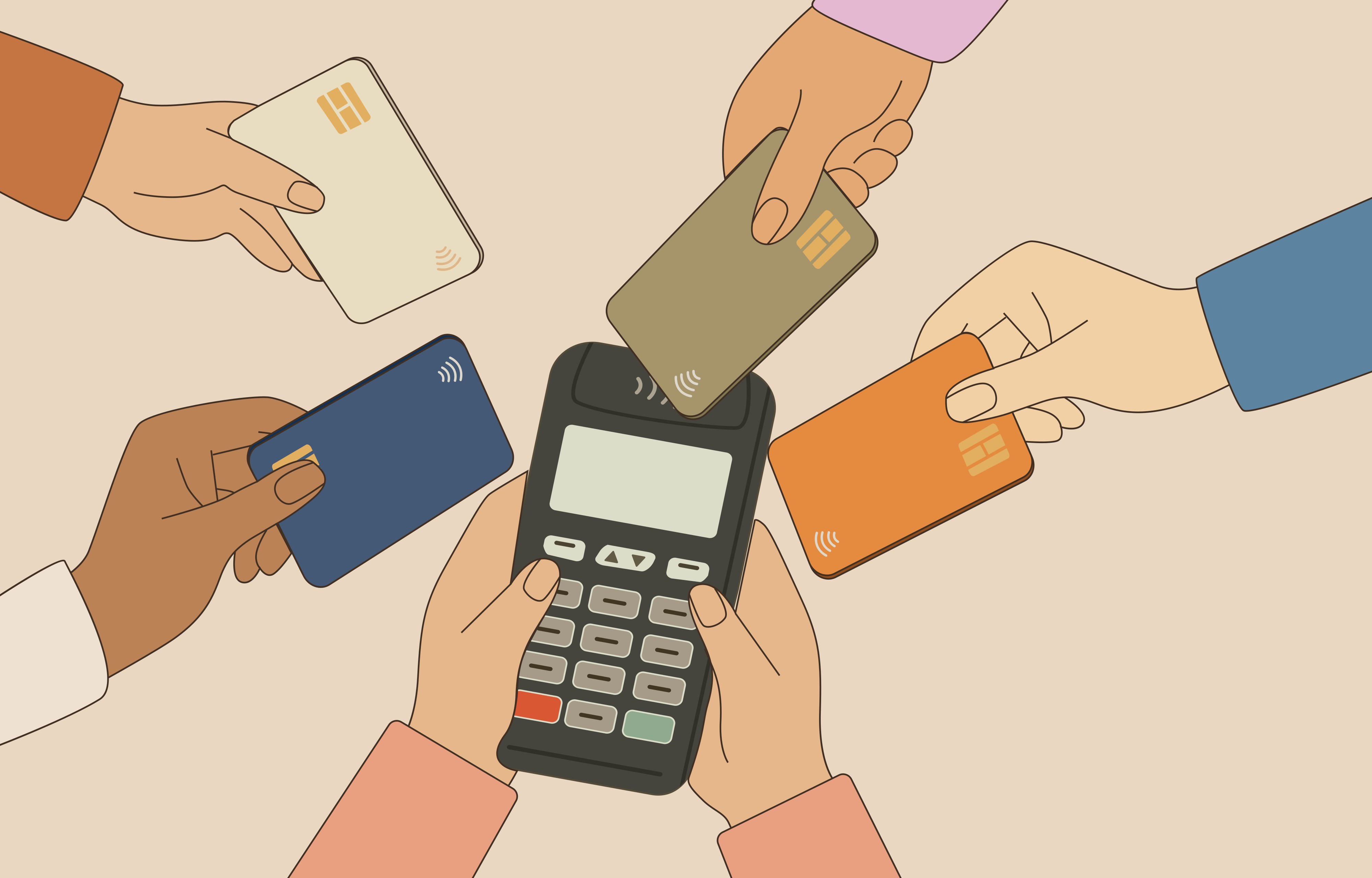
Buy now, pay later often shows up as a small option on a checkout page, but for many shoppers it has become a big shift in how they borrow and spend. Instead of applying for a credit card ahead of time or walking into a bank to request a loan, people are deciding to buy something first, then choosing BNPL at the very last step. That simple change in timing and presentation is a big part of why it feels so different from traditional credit. To understand what makes BNPL so appealing, you have to look at how it feels to use, how it changes the psychology of spending, and how it fits into a world where many people live and manage money entirely through their phones.
Traditional credit expects you to make a decision before you even need the money. You fill out forms for a credit card, wait for approval, wait for the physical card, and only then can you use it. A personal loan can feel even heavier, with documents, income verification, and the sense that this is a serious long term commitment. BNPL flips this experience on its head. You add an item to your cart, proceed to check out, and only then do you see the BNPL option next to “pay in full.” You do not have to plan weeks in advance, and you do not have to think of yourself as applying for a big financial product. Instead, you feel like you are simply choosing a different way to pay for this specific purchase.
That is one of the first reasons BNPL feels attractive. It comes across as a feature of the store or app rather than a heavy relationship with a bank. For many younger, mobile first consumers who are tired of long forms and financial jargon, that matters more than they might realise. They want something that fits into their existing habits, which are fast decisions made on a screen they already use every day. BNPL promises exactly that, fast and almost invisible in the background.
Then there is the psychology of how the payments are framed. With a credit card, you see a limit and you know that the interest rate can be high if you do not pay in full. You tap the card several times a month and the bill appears later. Many people do not track the total in real time. They assume they will deal with it when the statement arrives. With BNPL, the numbers are laid out in a more concrete way. At checkout you see that your item will cost a certain amount today, followed by a set number of equal payments over the next few weeks or months. The dates and amounts are fixed, and the total cost does not change as long as you pay on time.
Although the total amount paid is the same, paying in four instalments feels much more manageable than one big lump sum. Human brains react strongly to the first number they see. A price broken into smaller pieces feels lighter, even when the math is no different. On top of that, the schedule of instalments often matches how people get paid. If you receive your salary every two weeks or once a month, having repayments line up with those cycles feels more natural than trying to manage a floating credit card balance that could be any amount when the bill arrives.
Traditional personal loans can also offer fixed monthly payments, but they are usually used for larger things like education, cars, or home improvements. BNPL brings that same fixed payment logic to everyday spending, such as clothes, gadgets, or even groceries in some markets. It gives people a sense that they are putting their spending into neat boxes, instead of letting it float on a credit card statement that might be hard to predict.
The way BNPL talks about cost is another powerful draw. Credit cards advertise interest rates which are expressed as annual percentages. These are often high, and once you fall into the habit of not paying the full balance, the interest charges can quickly pile up. The concept of an annual percentage rate feels abstract, and many people are not sure how to translate it into real money for a particular month. BNPL skips that kind of complexity. The pitch is simple. Pay on time, and you pay no interest at all. Miss a payment, and you pay a clearly stated late fee.
That statement sounds clean and fair. It delivers a feeling of control. People who have seen family members struggle with credit card debt are naturally attracted to something that promises the same access to goods without the same endless interest spiral. Even though late fees and repeated use of BNPL can still create problems, the front facing message is that the cost is transparent and you will not be punished as long as you stay on track. For many users, that feels less threatening than traditional credit, even when the underlying risk is still very real.
BNPL can be more accessible as well. Getting a credit card often means dealing with gatekeepers. If you are young, self employed, or have very little credit history, you may not qualify for a card at all, or you may receive a very low limit. The process can feel like a job application, and a rejection can be discouraging. BNPL providers typically work with smaller amounts over shorter periods, and they make quick decisions using lighter checks, past repayment behaviour, and digital data. From your perspective, you enter a few details, wait a few seconds, and receive a yes or no.
This is a very different emotional experience from waiting days for a bank response. Even if the limit you receive is modest, there is a sense that you have been trusted enough to spread out your payment for this specific purchase. That matters for groups who often feel ignored by traditional banks, such as students, gig workers, or people with irregular income. For them, BNPL may be one of the first forms of credit that feels like it was built for them rather than reserved for someone with a perfect salary and long credit record.
Another major factor is the app experience. Many bank apps still feel clumsy. Statements arrive as long PDFs that you scroll through, and it can take several taps to see what you owe and when. Charges are not always categorised in a helpful way, and it is not obvious how interest has been calculated. BNPL grew up in a different environment. These companies were built with mobile users in mind from day one. Their apps usually offer a clean dashboard where you can see all your active plans, upcoming due dates, and total repayments at a glance.
Push notifications remind you before each payment is due. Some apps allow you to reschedule or adjust instalments, showing any extra fees in a clear way. Others give you simple indicators of how many active plans you have, nudging you to slow down if you are stacking too many at once. This kind of design makes users feel more in control, because their obligations are visible rather than hidden in confusing statements. It turns debt into a kind of calendar that you can look at any time, rather than a surprise that appears once a month.
At the same time, this sense of control can be a double edged sword. When all your instalments are broken into small amounts on a pretty screen, it is easy to underestimate the total. You might think you have everything under control because you know each due date, even though you have committed a large portion of your future income to several overlapping plans. The appeal of BNPL is tightly connected to this feeling of organisation and transparency, which is why it is so important for users to slow down and look at the combined picture, not just each individual plan.
Compared with credit cards and personal loans, BNPL feels more context aware. Credit cards give you a broad limit that you can use for anything from groceries to travel. The decision to borrow and the decision to buy are separated. You applied for the card months or years ago, and now you are simply using it as you shop. BNPL happens right at the moment of purchase. You see the option to split payments for a particular item, and you see the schedule tied directly to that item. The borrowing decision and the spending decision are woven together.
That makes it easier to judge whether the specific purchase fits your budget. If a laptop is advertised as four payments of a certain amount, you can immediately compare that figure to your expected income over the next few months. Instead of thinking vaguely about whether you can handle a bigger credit card bill, you evaluate one concrete commitment. Traditional personal loans can also provide that kind of clarity, but they come with heavier processes and are usually reserved for big ticket purchases. BNPL makes this targeted thinking possible even for mid sized or everyday items.
All of these qualities create strong appeal, but they do not change one fundamental truth. BNPL is still a form of debt. The fact that it is wrapped in a friendly interface and placed inside your shopping journey does not remove the risk. In some ways, it can increase it. Smaller instalments can encourage you to say yes to more purchases than you would if you had to pay in full. “Just another twenty five per month” does not sound like a lot, but five or six such commitments can easily swallow a large part of your paycheque. Late fees, while clearly labelled, can build up quickly if cash flow is tight.
There is also the broader impact on your financial life. In some markets, late BNPL payments are reported to credit bureaus, which can hurt your credit score. That means that a few missed instalments on relatively small purchases might affect your ability to secure more important loans later, such as for a car or a home. The simplicity that makes BNPL attractive in the moment needs to be balanced against the long term consequences of having too many obligations locked into your upcoming pay days.
In the end, what makes BNPL appealing compared to traditional credit options is the way it fits with how people live, shop, and manage money today. It arrives exactly when you are about to click “pay.” It speaks in small, predictable numbers instead of abstract percentages. It offers fast approval and sleek apps that feel modern and human. It gives a sense of control over short term cash flow that traditional products often fail to provide. Used wisely, it can help you handle certain purchases without falling into heavy interest charges.
The key is to remember that the polish of the experience does not change the basic nature of the product. If you treat BNPL as a convenient tool for a few well chosen purchases and make sure every instalment fits into a budget that still leaves room for savings and emergencies, it can be a helpful addition to your financial toolkit. If you treat it as free money or lean on it every time there is something you want but cannot quite afford, the same features that make it attractive will quietly work against you. The responsibility still sits with you, even when the interface makes everything look simple and safe.
 WhatsApp
 Instagram
 Threads