Subprime loans are often presented as a second chance for people who have made mistakes with money or who have not had the chance to build a strong credit history. The advertisements are usually friendly and reassuring. They say things like “No credit, bad credit, you are approved,” and promise fast approval with minimal paperwork. For someone who is stressed about money, who has been rejected by banks, or who urgently needs a car to get to work, these offers can feel like a lifeline. Yet behind the friendly tone sits a business model that is often built to profit from confusion, stress, and limited options. That is why many subprime loans are considered a form of predatory lending rather than just “more expensive” credit.
In theory, the logic behind subprime lending sounds reasonable. A person with a high credit score, stable income, and long track record of on time payments is statistically less likely to default, so lenders charge them a lower interest rate. Someone with missed payments, unstable income, or almost no credit history is more likely to default, so the lender charges a higher rate to compensate for that risk. If that was all that was happening, subprime loans would simply be costly but understandable. You would be paying extra because the lender is taking a bigger chance on you.
In reality, many subprime lenders go far beyond charging a fair premium for risk. They stack interest rates, fees, and contract terms in ways that transfer as much value as possible from the borrower to the lender, especially when the borrower is under pressure. The interest rates offered to subprime borrowers can be very high, sometimes in the high double digits for certain personal loans, auto loans, or short term advances. On top of the headline rate, the contract may include application fees, origination fees, documentation fees, credit check fees, and various small charges that add up quickly. Some deals come with add on products that sound useful but provide little real benefit compared to their cost.
The issue is not just that the numbers are high. It is that the pricing often has little connection to the actual probability of default. Instead of asking “What is a fair return for the risk we are taking,” the lender asks “What can we get away with charging this person, given that they do not have better options.” The borrower, focused on the immediate problem of getting the loan approved, tends to focus on the monthly payment rather than the total cost. As long as the monthly figure seems barely manageable, the long term burden remains hidden. This is exactly how many subprime deals are sold. The salesperson talks about how affordable it is “per month” and downplays how much extra interest and fees the borrower will pay over the life of the loan.
The structure of the loan often makes things even worse. Many subprime loans are designed so that the early payments go mainly to interest instead of the principal. This means that after months of paying, the borrower may still owe an amount that is very close to the original balance. If they try to refinance or pay off the loan early, they may face prepayment penalties that erase much of the benefit of escaping the high interest rate. Some short term products, such as payday style advances or certain auto title loans, are technically meant to be paid off quickly. In practice, many borrowers roll them over again and again, each time paying another set of fees. A temporary emergency becomes a long term drain.
In the housing market, some subprime mortgages in the past came with teaser rates that looked manageable in the first few years, only to reset sharply higher later. Borrowers were often told that they could simply refinance before the reset, but if their financial situation did not improve or if the market turned, refinancing became impossible. The result was a wave of defaults and foreclosures. These designs were not accidents. They were part of a system in which short term profits from fees and interest mattered more than long term borrower stability.
Another reason subprime loans are seen as predatory has to do with how and where they are marketed. These offers are not spread evenly across all types of customers. They are concentrated in communities with lower incomes, higher levels of financial stress, and less access to traditional banking services. Young adults, recent immigrants, and people who are already struggling with debt receive a disproportionate amount of subprime marketing. The sales pitch plays heavily on emotion. Instead of starting with the question “Is this loan suitable for you,” the conversation often starts with “We can help when others will not.” Being approved feels like being respected after a series of rejections, and that emotional relief makes it harder to slow down and question the details.
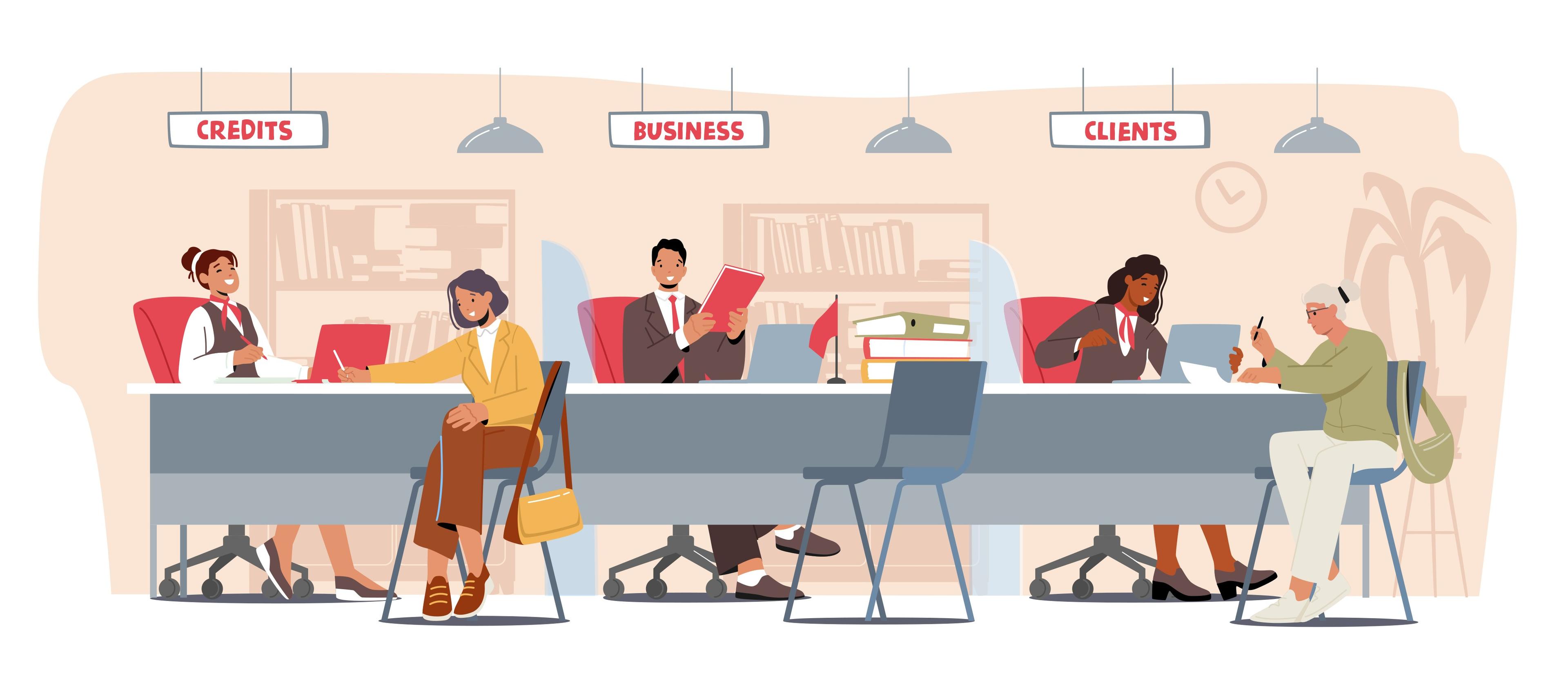
Sales staff in these environments are often rewarded based on volume and add ons rather than long term outcomes. Their commission may depend on how much they can convince a borrower to take on and how many extras they can attach to the loan. They may not be punished if the borrower later struggles or defaults. When the person across the table only benefits if you sign, and does not share the pain if the loan goes badly, your interests and theirs are not aligned. This misalignment is a core trait of predatory lending.
Information is another area where the line between legal and predatory behavior becomes blurry. Regulations often require key terms to be disclosed, such as the annual percentage rate, the total cost over the life of the loan, and major penalties. Predatory lenders usually comply in a technical sense. The numbers exist somewhere in the paperwork. The problem is that they are buried inside long documents, written in complex language, and presented at a moment when the borrower is under time pressure or emotional stress. The real presentation focuses on a simple monthly figure and the feeling of “finally getting approved.” The lender flips through the pages, points to where the borrower should sign, and offers verbal reassurances. Very few people in that situation sit back, read every line slowly, pull out a calculator, and fully absorb the financial implications. As a result, borrowers are technically consenting to the terms but do not fully understand them. This gap between what is disclosed in theory and what is actually understood in practice is another reason these loans are seen as predatory. The process is designed so that it is difficult, socially awkward, or time consuming to make a truly informed decision. The lender can later say “You agreed,” while knowing that the way the agreement was presented discouraged careful thought.
The revenue model behind many subprime businesses deepens the concern. A fair lender makes most of its money when borrowers pay on time for the entire term of the loan. That encourages the lender to check affordability and structure the loan so that borrowers can succeed. Predatory lenders often earn a large portion of their profit from high upfront fees, penalty charges, and early interest. Some sell the loans on to investors soon after origination, locking in their profit early. In the auto loan world, certain dealers rely on being able to repossess and resell the same vehicle multiple times to different borrowers, each of whom paid high rates and fees before defaulting. When the business can still be profitable even if many customers fail, the incentive to care about long term borrower welfare weakens. The lender does not need you to complete the full loan successfully in order to make money. They may be satisfied as long as you pay enough fees and interest before you fall behind. This is a classic sign of a predatory model. The success of the business is not aligned with the financial health of its customers.
The damage falls most heavily on the borrower. High interest payments take money that could have gone into savings, emergency funds, or investments. Penalties and late fees quickly increase the balance. If the borrower falls behind and defaults, their credit history is damaged, which makes future borrowing more expensive or even impossible. Losing a car to repossession can affect the ability to get to work, which then affects income. Losing a home can disrupt stability for an entire family. The stress of constantly juggling payments, fearing calls from collectors, and worrying about basic needs can take a toll on mental and physical health.
At a broader level, communities that are saturated with predatory subprime products see wealth flowing out through interest and fees, while access to fair, affordable credit remains limited. This can deepen existing inequalities. People who are already on the back foot end up paying more for basic financial services, leaving less room for building assets and resilience over time.
Regulators and consumer advocates use the term “predatory lending” when they see consistent patterns that harm borrowers. They look at whether lenders seriously assess the borrower’s ability to repay. They examine whether the marketing accurately reflects the true nature of the product. They pay attention to whether certain groups are targeted more aggressively. They also study where the lender’s profits come from. If a large share of revenue is tied to penalties, rollovers, and fees rather than sustainable repayment, that is a warning sign. When many of these red flags appear together, regulators are more likely to classify the practice as predatory rather than just aggressive business.
For young adults and anyone rebuilding their financial lives, this has important implications. When you have limited credit history or past mistakes, it is easy to feel grateful to any lender who says “yes” when others have said “no.” That emotional response is exactly what predatory models rely on. Instead of seeing approval as a gift, it is safer to treat it as a contract that deserves careful analysis. The key questions are simple but powerful. What is the total cost of this loan from start to finish, not just the monthly payment. How much of my payment will go to interest versus reducing the principal. What happens if I am late once or twice. Are there penalties if I want to pay off early. And most importantly, if my income drops or an emergency hits, do I have any realistic way to manage or exit this loan.
Alternative paths, such as building credit slowly with a secured card, using smaller loans from regulated institutions, or delaying a purchase until your financial situation is more stable, may feel slower but can be far kinder to your future self. Access to credit is not automatically harmful. It becomes harmful when the products offered are deliberately structured to be confusing, heavy, and unforgiving. Subprime loans are considered a form of predatory lending when they move away from fair risk based pricing and step into a territory where confusion, pressure, and desperation are part of the business model. They cross the line when the lender profits most when borrowers are stretched thin, trapped in cycles of fees and rollovers, or pushed toward default. At that point, approving you is not an act of trust or generosity. It is the first step in a system designed to extract as much as possible from your future income. Understanding that difference is one of the most important financial protections you can have before you sign anything.
 WhatsApp
 Instagram
 Threads