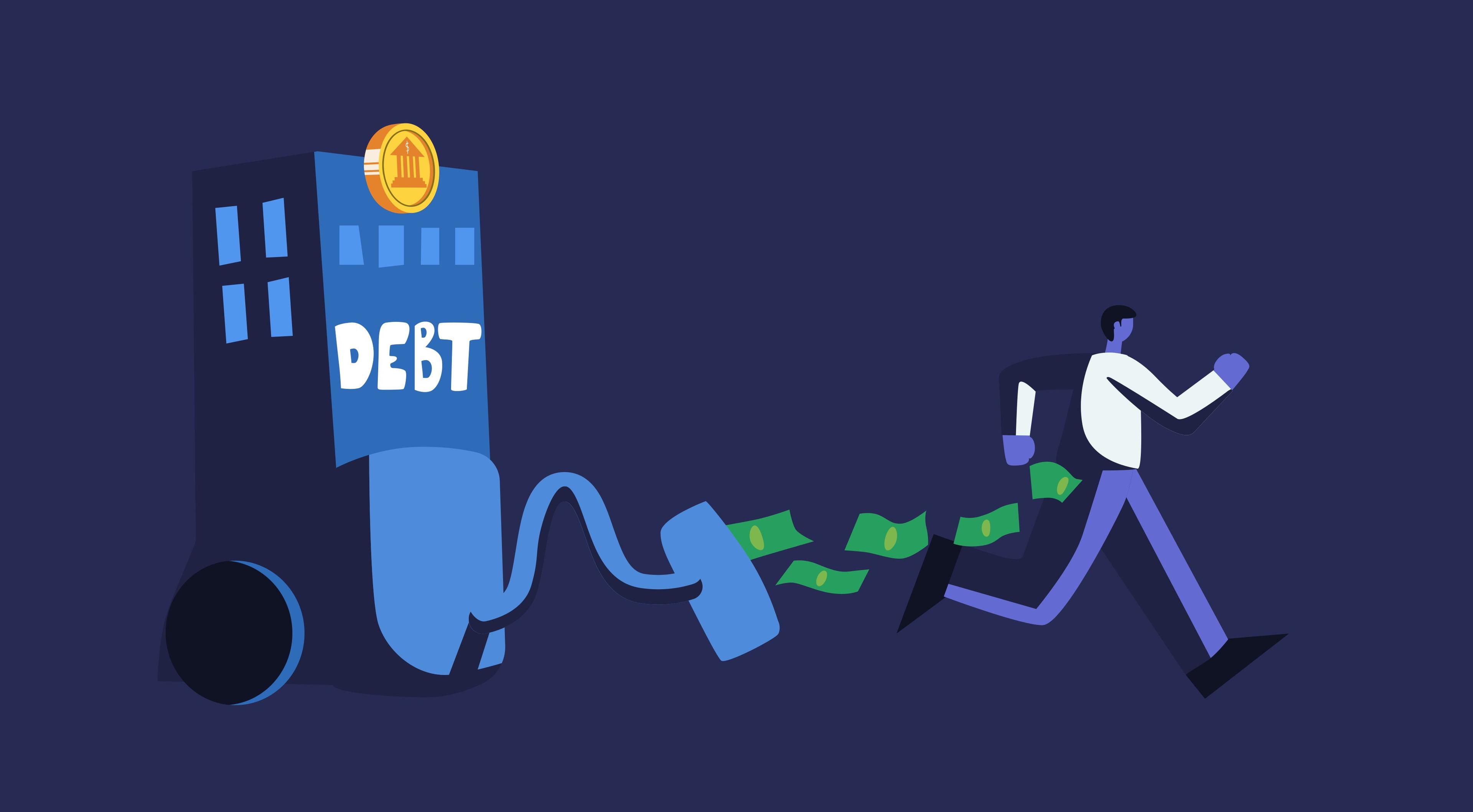
Student loans often feel manageable while you are still studying, when repayment is a distant event and daily costs are partly predictable. The pressure tends to arrive later, when graduation brings new responsibilities and income is still finding its rhythm. Rent, transport, family commitments, and basic living expenses can quickly compete with a repayment schedule that does not care whether your month has gone smoothly. Managing loan repayments effectively is therefore less about finding a clever trick and more about building a reliable system that can survive both calm weeks and unexpected disruptions.
The first step is clarity. Many borrowers run into trouble not because they lack discipline, but because they do not fully understand the structure of their own loan. Effective repayment starts when you can clearly state what you owe, how interest is calculated, when repayment begins, how much is required each month, and what the consequences are if a payment is late. If your loan includes multiple disbursements or segments with different interest rates, it helps to treat them as separate parts rather than one lump sum. That level of detail can feel uncomfortable at first, but it turns repayment into a practical problem you can solve, instead of a vague anxiety you avoid.
Once the facts are clear, the next move is to set a repayment goal that fits your real life. It is easy to get pulled into the idea that paying off debt as fast as possible is always the best path. Speed is helpful when it is supported by stable cash flow, but it becomes harmful when it forces you to skip essentials or rely on expensive credit to survive. A realistic goal might simply be to never miss a payment, build a modest buffer, and add extra payments when you have the capacity. As your income strengthens, that goal can shift toward paying above the minimum consistently. The point is to choose a direction that is sustainable, because sustainable plans are the ones that actually get completed.
From there, it helps to treat the minimum payment as non negotiable. The minimum is not the ideal outcome, but it is the foundation that protects you from late fees, penalty charges, and escalating stress. When you design your monthly budget, the loan payment should sit near the top, alongside your basic needs, rather than being squeezed in after lifestyle spending. A practical way to support this is to align payments with payday. If your income arrives monthly, scheduling repayment shortly after your salary lands reduces the risk of overspending first and scrambling later. If you are paid more frequently, setting aside part of the payment each pay cycle can prevent the due date from feeling like a sudden hit to your bank balance.
Automation can make this structure easier, but it works best when it is paired with safeguards. Autopay reduces forgetfulness and builds consistency, yet it can also fail if your account is short by a small amount. The simplest protection is maintaining a buffer in the account used for repayments, ideally enough to cover at least one minimum payment with extra room for daily spending fluctuations. For students with irregular income, another useful approach is to move repayment funds into a separate account or digital wallet as soon as money comes in. This creates a psychological and practical boundary that keeps repayment money from blending into everyday spending.
When you are able to pay more than the minimum, the question becomes how to apply extra payments wisely. Some people prefer focusing on higher interest portions first because this reduces the total cost of borrowing over time. Others prefer paying down smaller balances first because it creates visible progress and builds motivation. Either approach can work, as long as you remain consistent. What matters most is understanding how your lender applies extra payments. In some systems, extra money may be credited toward future installments rather than reducing principal, which can weaken the long-term benefit you expect. Checking the payment settings and confirming where extra amounts go ensures that your effort actually reduces interest and shortens the repayment timeline.
A major reason students struggle with loan repayment is that they try to be aggressive before they are stable. A more effective approach is to build a repayment cushion early. This does not require a massive emergency fund right away. Even a small buffer can prevent a single surprise expense from knocking your entire plan off course. Without a cushion, a laptop replacement, medical bill, or family emergency can force you to miss payments or shift the burden onto credit cards, which often carry far higher interest. Stability gives you options, and options make repayment easier.
When cash flow becomes tight, timing is everything. Many borrowers wait until they miss a payment to take action, but the best outcomes usually come from addressing problems early. If you anticipate a difficult month, it is better to contact the lender and ask about available relief measures, restructuring options, or revised payment arrangements. Any flexibility that exists often depends on reaching out before you fall behind. Avoidance feels natural when money is stressful, but early communication is often the difference between a temporary challenge and a longer-term financial setback.
It also helps to turn repayment into a simple monthly routine rather than a constant worry. You do not need to think about your loan every day, but you do benefit from checking it regularly. A monthly review can be brief: confirm the last payment was processed, note the next due date, observe the current balance, and decide whether an extra payment is possible that month. This keeps you informed without letting the loan dominate your mental space. When extra payment capacity exists, making that decision early in the month can be useful, because waiting often increases the chance that the money will be spent elsewhere.
Loan repayment rarely exists in isolation. Many students are balancing savings goals, family responsibilities, major purchases, and the desire to enjoy life after years of study. This is where a personal sequencing rule becomes valuable. You can prioritize minimum payments first, then build a basic buffer, then decide how to divide extra money between faster repayment and other goals. That division does not have to remain fixed. Early in your career, you may lean toward stability. Later, as income grows, you may increase the portion allocated to principal reduction. What matters is that the choice is deliberate and aligned with your reality.
Some borrowers consider refinancing as a way to lower interest or simplify repayment, and it can be helpful in the right situation. However, refinancing is not automatically a win. It can change terms, reduce flexibility, or remove protections that were built into the original loan. It tends to work best when your income is stable, your repayment capacity is strong, and the new terms clearly reduce your long-term cost without introducing risks you cannot absorb. If your employment situation is uncertain, locking yourself into stricter requirements can create more pressure than relief.
Income increases and windfalls deserve special attention because they can either reduce future stress or disappear into lifestyle inflation. When you receive bonuses, part-time earnings, commissions, or gifts, it can help to split the money in a way that supports both motivation and progress. Allowing yourself a small reward makes the process feel human, but directing a meaningful portion toward your buffer or principal can strengthen your entire financial foundation. Even modest extra principal payments can reduce interest over time, and just as importantly, they can increase your sense of control.
Ultimately, the goal of effective student loan management is not only speed, but stability and consistency. The borrowers who succeed are often the ones who protect the minimum payment, build a buffer, review progress regularly, pay extra when possible, and act early when difficulties appear. Repayment becomes easier when it is treated as a structured system rather than a constant emotional burden. With a plan that matches your real cash flow and adapts to real life, loan repayment stops feeling like a threat and starts feeling like a manageable part of adulthood.
 WhatsApp
 Instagram
 Threads