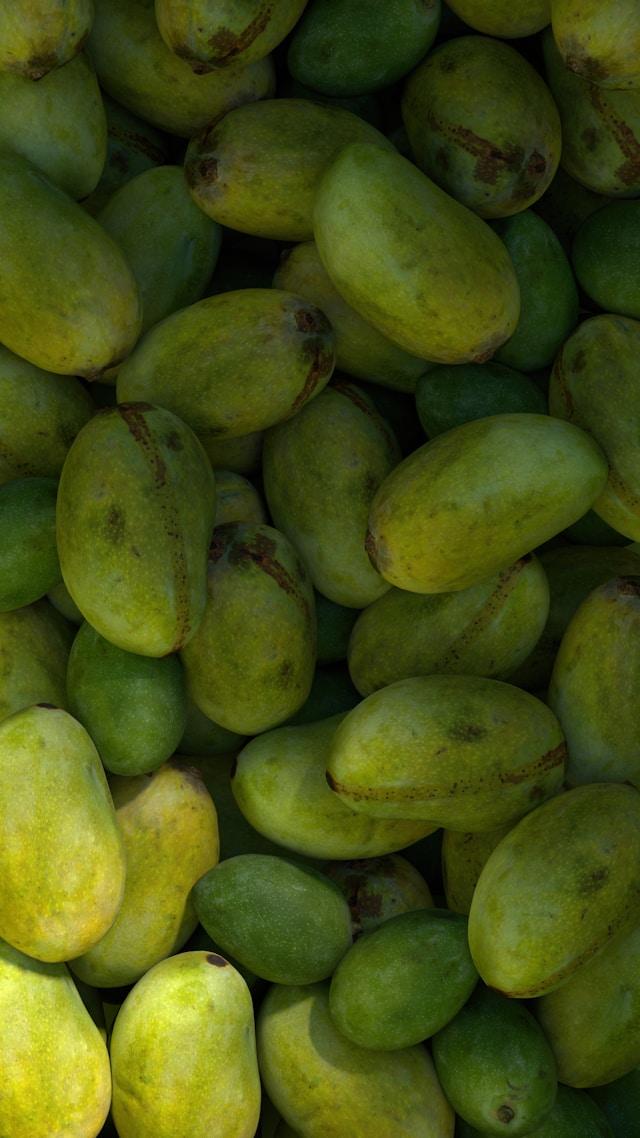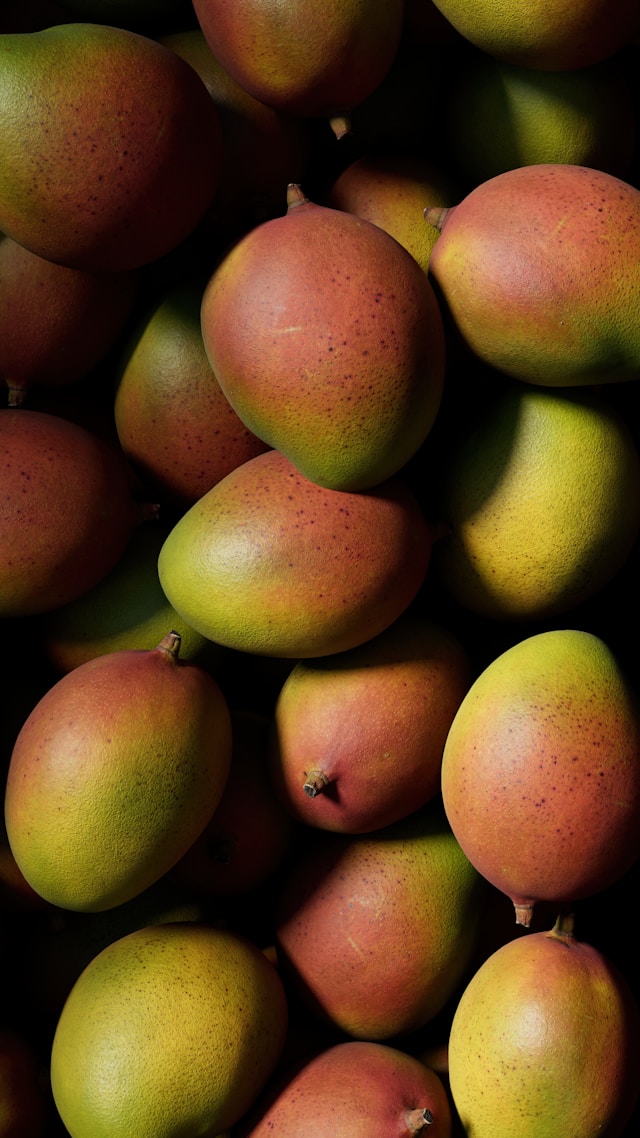
Mango is often talked about as if it has the power to block disease on its own. That idea is comforting, but it is not how nutrition works in real life. A mango cannot replace medication, screening, exercise, sleep, or the basics of a balanced diet. Still, the question “what diseases does mango prevent” has a meaningful answer when you define prevention in a practical way. Mango can help prevent certain nutrient-deficiency conditions when it improves vitamin intake in a diet that would otherwise fall short. It can also support lower long-term risk of common chronic diseases by helping people eat more fruit consistently, which is one of the simplest patterns linked with better health outcomes.
The most direct prevention role of mango relates to deficiencies, not lifestyle diseases. Mango provides vitamin C, and vitamin C deficiency is what leads to scurvy. Scurvy is not common in many communities today, but it still appears when someone’s diet becomes extremely limited for a long time, especially when fresh produce is missing. In that context, eating vitamin C rich foods helps prevent the deficiency from developing, and mango can contribute to that protection because it is a palatable, accessible fruit for many people. The mechanism is straightforward: when your intake of vitamin C becomes adequate again, the risk of deficiency disease drops.
Mango also plays a role in supporting vitamin A status. It contains provitamin A carotenoids such as beta-carotene, which the body can convert into vitamin A. Vitamin A deficiency can contribute to serious eye and vision problems, and it remains a concern in places where diets are low in vitamin A sources and overall variety. Mango is not a cure, but it can be part of the food mix that helps keep vitamin A intake sufficient. In practical terms, that means mango can help reduce the likelihood of deficiency-related complications when it fills a real gap in the diet.
Once you step beyond deficiency diseases, mango’s benefits become more indirect and more dependent on overall lifestyle. The strongest evidence in nutrition tends to support patterns rather than single foods. People who regularly eat more fruits and vegetables tend to show lower risk of major noncommunicable diseases over time, particularly cardiovascular disease. Mango does not earn a special pass above other fruits, but it can be one of the fruits that makes the pattern easier to maintain. That matters because long-term risk is shaped by what you do repeatedly, not what you eat occasionally.
Mango’s nutrient profile helps explain why it fits into a protective dietary pattern. It provides vitamin C and carotenoids, and it also contains fiber. Fiber supports digestive health, helps with fullness, and is associated with better cardiometabolic outcomes when total intake across the day is adequate. Mango also contains plant compounds that scientists study for antioxidant and anti-inflammatory activity. These compounds are part of the reason fruits are linked with better health in population research, but it is important to keep expectations realistic. Lab findings and early nutrition studies can suggest potential benefits, yet they do not automatically translate into guaranteed disease prevention for any one person.
That realism becomes especially important when you consider how people actually eat mango. Mango is naturally sweet. For most healthy adults, that sweetness is not a problem in reasonable portions, but it does change the conversation for people managing blood sugar, triglycerides, or weight. A modest serving of mango eaten slowly as whole fruit is very different from a large mango smoothie taken quickly. Blending makes it easier to consume more sugar with less fullness, which can push total intake higher without you noticing. If you are prediabetic or diabetic, mango can still fit into the diet, but it should be treated like any other carbohydrate source, planned into meals rather than added on top of everything else.
Digestive comfort is another practical limit. Mango’s fiber is usually beneficial, but large servings can cause bloating or discomfort for some people, especially if they are not used to a higher fiber diet. The solution is rarely to ban the fruit. It is to adjust portion size, pair it with a meal, and build up gradually if your gut needs time to adapt.
In the end, mango prevents disease most convincingly when it helps prevent deficiencies, and it supports long-term protection when it helps you stick to a healthier eating pattern. If mango is the fruit you genuinely enjoy, it can become a reliable habit that raises your overall fruit intake and nudges your diet toward better quality. That is not a dramatic claim, but it is the one that holds up best. The real value of mango is not that it acts like medicine, but that it can make healthy eating easier to repeat, and repetition is where risk starts to shift. If you have diabetes, chronic kidney disease, significant gastrointestinal issues, or food allergies, it is worth checking with a clinician or dietitian about portion size and timing that fit your needs.
 WhatsApp
 Instagram
 Threads





.jpg&w=3840&q=75)