Caring for a blind dog asks you to change the way you think about everyday life. The biggest shift is realizing that blindness is not only a medical condition but also a change in how your dog understands space, sound, and safety. Many dogs adapt remarkably well, yet the transition still comes with real challenges. These challenges often show up in small moments rather than dramatic crises, and they can affect everything from your home setup and walking routine to your dog’s confidence and your own emotional stamina.
One of the first difficulties is that your dog’s mental map of the home may no longer match what they experience. Dogs build routines around familiar visual landmarks, even when they rely heavily on smell and hearing. When vision is reduced or gone, familiar hallways can suddenly feel uncertain. You might see your dog hesitate at doorways, pause before stepping onto a different floor surface, or bump into furniture they used to avoid easily. This can be confusing for owners because it may resemble stubbornness or clumsiness, but it is often simply recalibration. Your dog is gathering information in a new way, using sound, scent, and touch to rebuild confidence. During this period, even small changes like moving a chair or leaving a bag in a walkway can create surprises that increase anxiety. That is why a stable layout becomes more important than many people expect.
Creating a safer environment is another major challenge, and it requires more than removing obvious obstacles. A blind dog benefits from clear travel paths and consistent landmarks, yet most homes are full of low-level hazards that sighted dogs navigate without effort. Coffee table edges, open dishwasher doors, loose toys, and curled rug corners become more meaningful when vision is absent. Stairs and height changes often become the most urgent concern because a misstep can lead to injury and fear. Some blind dogs will approach stairs slowly and learn them well with time, but in the early stages, the risk is higher because confidence and accuracy are still developing. Even jumping onto beds or couches can become unpredictable. Some dogs stop jumping entirely because they are uncertain, while others continue with the same enthusiasm and less precision. Owners often have to redesign daily movement, sometimes using temporary barriers, guiding cues, or alternate routes inside the house to prevent falls and rebuild trust.
Routine can also take on a new weight. Blind dogs tend to feel calmer when their world is predictable, which means the household schedule and environment may need to be steadier than before. Meals, walks, and rest periods become anchor points that help your dog relax. When these routines are disrupted, the effect can feel surprisingly large because your dog cannot rely on visual scanning to reassure themselves. Even normal events like guests arriving, deliveries at the door, or household clutter can disrupt your dog’s sense of order. Over time, the goal is not to create a rigid lifestyle but to build a rhythm that is consistent enough for your dog to anticipate what comes next and settle into it.
Communication changes as well, and this is a challenge many owners do not anticipate until they are living it. You may have used silent cues before, such as a hand gesture or a look toward the door, without realizing how much your dog relied on them. When a dog cannot see, voice and touch become more important. This can be helpful, but it also requires care. A blind dog may startle if you touch them without warning, especially when they are resting. Some dogs become more sensitive to tone, picking up on anxiety in your voice and reacting as if something in the environment is unsafe. Owners often need to learn a calmer, more deliberate way of guiding, one that supports independence rather than creating dependence. Many blind dogs will follow their owners closely because the human becomes a moving landmark. This can look like clinginess, but it is often a navigation strategy, and the challenge is helping your dog feel secure without making them feel like they must stay glued to you.
Another common difficulty is the way anxiety can show up during the adjustment period. Some dogs bark more at ordinary sounds, hesitate in unfamiliar places, or become jumpy when another pet brushes past them. Vision loss can make sound feel louder and more significant because it carries more responsibility for orientation. Nighttime can be particularly challenging because lighting changes can make partial vision less useful, or because the house becomes quieter and small noises feel more intense. If a dog’s stress builds, it can affect sleep and behavior, which then becomes a cycle that is hard for both dog and owner. It is also important to remember that behavioral changes are not always caused by blindness alone. Pain, cognitive decline, or other health problems can contribute, and owners may need veterinary guidance to make sure they are addressing the full picture rather than assuming every issue is purely vision-related.
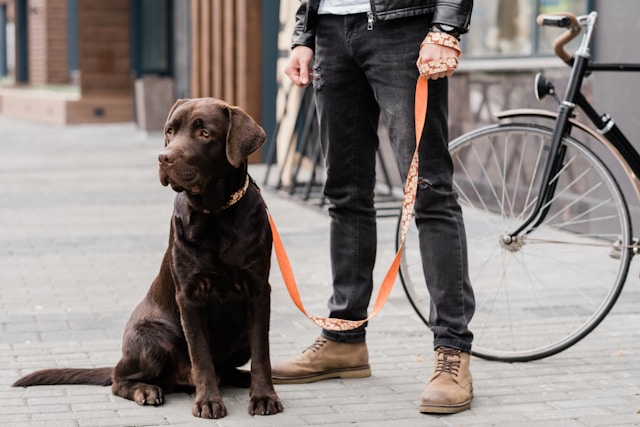
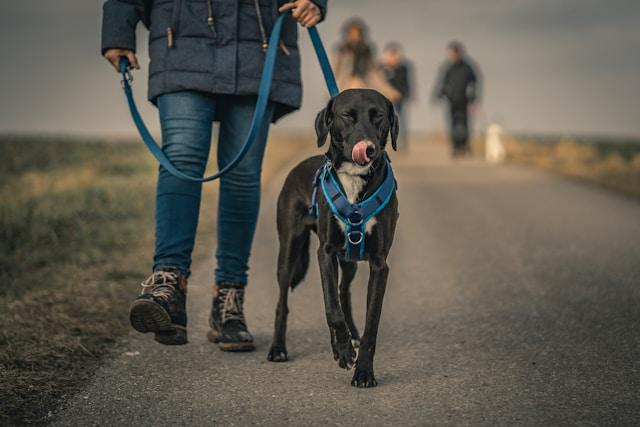
Walks tend to be one of the most noticeable areas of change because the outdoors is less controllable than the home. Inside, you can design safer pathways, but outside there are curbs, uneven ground, construction barriers, bicycles, sudden noises, and unfamiliar smells. Many blind dogs still enjoy walks greatly, but they often need a slower pace so they can gather information through scent and sound. Leash communication can require more intention because your dog cannot see what is ahead. Some dogs pull because they feel anxious and want to get back to a familiar route, while others lag because they are uncertain. Owners often need to develop consistent verbal cues for stopping, turning, stepping up, and stepping down. Social interactions can also become more delicate. A dog who cannot see another dog approaching may feel vulnerable, and unexpected greetings can trigger defensive reactions. This means owners may have to advocate more strongly, choosing calmer routes and managing interactions in ways that protect confidence.
The household dynamic with other pets, children, or guests can also become a challenge. Other animals may accidentally startle a blind dog by moving quickly or brushing past them, and repeated surprises can create tension. Children and visitors often move unpredictably, reach out suddenly, or leave items in walkways. Even friendly intentions can lead to stress if the blind dog feels overwhelmed. Many owners find they need to educate guests gently and establish boundaries that reduce surprise. This can feel socially awkward, but it is often necessary, especially during the early adjustment period when the dog is still rebuilding trust in their environment.
Health monitoring and grooming can become more demanding as well. A blind dog relies heavily on physical comfort and balance, so pain or irritation in paws, ears, teeth, or joints can affect confidence and mobility. Owners may need to pay closer attention to subtle changes because the dog cannot respond visually to some cues in the environment. Grooming routines might also need to become slower and more predictable, since sudden handling can trigger startle reactions. Weight management may require extra care too, because some dogs move less due to uncertainty and gain weight, while others pace from stress and lose weight. Either shift can influence mobility and overall well-being.
Beyond all the practical challenges, many owners face an emotional one that is rarely acknowledged. Caring for a blind dog can create a sense of constant vigilance. You may find yourself scanning the floor for obstacles, listening for bumps, or feeling guilty when your dog collides with something. It can also bring grief for the “before,” even when your dog is adjusting well. That grief does not mean you are failing. It means you are attached and paying attention. Over time, the healthiest approach is to reduce friction through thoughtful design and consistent habits rather than trying to control every moment. When the environment becomes more predictable, you can relax, and your dog can relax too.
In the long run, the reality is that adaptation is not a single milestone but an ongoing process. Some dogs stabilize quickly, while others continue to lose vision gradually or manage other age-related changes alongside blindness. Success is best measured by comfort and confidence rather than perfection. A blind dog who moves calmly through the home, rests deeply, and enjoys food, affection, and walks is doing well, even if they occasionally bump into a chair. Caring for a blind dog is ultimately about making the world understandable again through consistency, gentle guidance, and a home rhythm that signals safety. It is not a flawless transformation, but it can become a surprisingly steady and loving one when you allow both yourself and your dog the time to adjust.
 WhatsApp
 Instagram
 Threads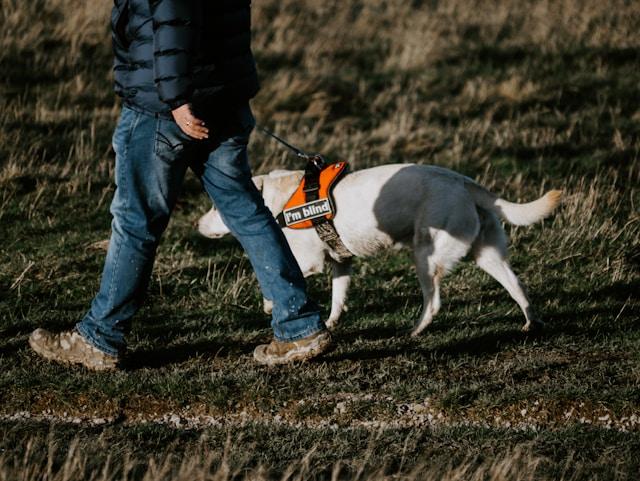



.jpg&w=3840&q=75)