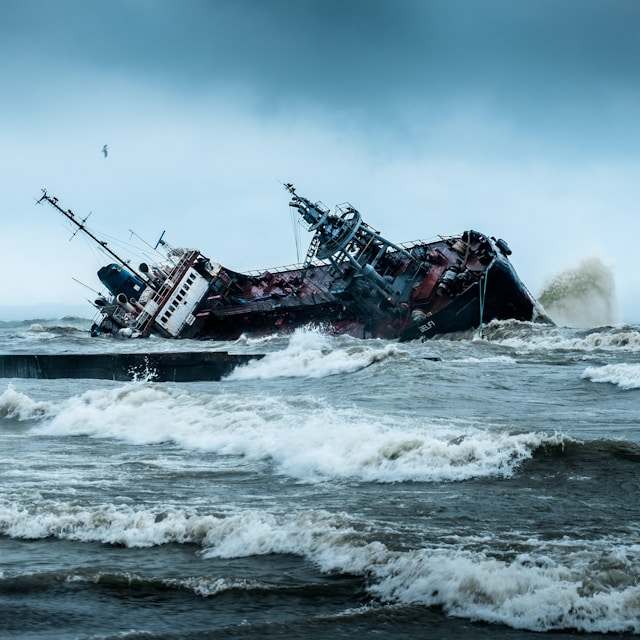
Cyclones are often remembered for what they do to homes, roads, and power lines, but their environmental impacts can be deeper and longer lasting than the visible damage. A cyclone is not simply a violent wind event. It is a full system shock that combines wind, storm surge, extreme rainfall, saltwater intrusion, and widespread contamination. When those forces arrive together, they reshape coastlines, alter freshwater and marine ecosystems, and disrupt natural recovery cycles in ways that can linger for months, years, or even decades.
At the coast, the most immediate environmental change is physical. Storm surge and wave energy push seawater inland and strip away the structures that normally protect shorelines. Beaches can lose large volumes of sand in a single event, dunes can be flattened, and barrier islands can shift or breach. These landforms are not just scenery. They are living buffers that shelter inland habitats from salt and waves. When they erode, nesting areas for turtles and shorebirds can disappear, and the coast becomes more exposed to the next storm. What looks like a temporary loss of sand can also be the start of a new shoreline shape, especially if recovery is interrupted by repeated storms.
Saltwater intrusion adds a quieter, chemical layer to the damage. When seawater pushes into freshwater wetlands, rivers, and coastal aquifers, it changes the rules for what can survive. Many freshwater plants and soil organisms are not built for sudden salinity spikes. Even when the floodwaters retreat, salt can remain in soils and shallow groundwater, stressing vegetation and shifting microbial communities. Over time, this can weaken wetlands that act as filters and nurseries for wildlife, and it can reduce the ability of the landscape to store fresh water during dry periods.
The biggest environmental chain reaction often begins with water, not wind. Cyclone rainfall can be intense enough to overwhelm rivers, drains, and reservoirs, creating flood pulses that carry sediment, nutrients, and pollutants across entire watersheds. Soil washed off slopes clouds rivers and estuaries, blocking sunlight that seagrass and other aquatic plants need to photosynthesize. Excess nutrients from farms and urban runoff can fuel algal growth, and when algae die and decompose, oxygen levels in the water can drop sharply, sometimes leading to fish kills. In this way, a cyclone can turn a short, dramatic disaster into a long, slow water quality crisis.
Coastal ecosystems that normally protect shorelines can be damaged at the very moment they are needed most. Coral reefs are vulnerable to the physical force of waves, which can snap branching corals and reduce the complex structure that fish and invertebrates depend on. Seagrass beds can be uprooted or buried under sediment, and they may struggle to recover if the water remains muddy for weeks. Mangroves, which are famous for absorbing wave energy and stabilizing shorelines, can be defoliated, broken, or uprooted by strong winds and surge. When mangroves are lost, coastlines can erode faster, sediments can move more freely, and habitats for juvenile fish and crustaceans shrink. The loss can also affect carbon storage, because mangrove ecosystems store large amounts of carbon in their soils.
Inland, cyclones can reorganize forests and landscapes in ways that are not obvious from a quick news clip. Wind can topple trees across wide areas, and heavy rainfall can saturate soils until hillsides fail, triggering landslides that strip vegetation and expose raw ground. These disturbances change forest structure by opening the canopy and altering light, temperature, and moisture conditions at the forest floor. Some species benefit from the new sunlight, while others that rely on mature canopy conditions can decline. Disturbed areas can also become more vulnerable to invasive species, which may spread rapidly into the open space left behind.
These land impacts also connect to carbon. Forests are major carbon stores, and when cyclones kill or damage trees at scale, the balance can shift. Dead wood and leaf litter decompose and release carbon, and the forest may temporarily absorb less carbon while it regrows. Whether that shift is brief or prolonged depends on the extent of damage and the speed of recovery. If intense storms return before forests and mangroves rebuild, the landscape can lose some of its long term capacity to store carbon and protect biodiversity, creating feedback loops that make climate pressures harder to manage.
Even the ocean changes in the wake of a cyclone. Strong winds stir the surface waters, sometimes pulling up nutrients from deeper layers and briefly boosting plankton growth. This can look like a burst of productivity, but it is not always a clean benefit. If a cyclone also delivers heavy nutrient runoff from land, the combination can destabilize coastal waters, increasing the risk of harmful algal blooms and oxygen depletion in bays and estuaries. The same mixing that can feed marine food webs can also amplify water quality volatility, especially in places where pollution and nutrient loads were already high before the storm.
One of the most overlooked environmental impacts comes after the storm passes: waste and secondary pollution. Cyclones generate enormous volumes of debris, from uprooted vegetation to construction materials, plastics, household chemicals, and damaged electronics. Flooded vehicles and compromised fuel storage can create petroleum leaks, while overwhelmed wastewater systems can release untreated sewage. If cleanup is slow or poorly managed, contaminants can seep into soils and waterways, turning the recovery period into another chapter of environmental stress. This is why the days after landfall are not only about restoring human services. They are also about preventing contamination from becoming embedded in the ecosystem.
What makes cyclones especially challenging is that they expose fragility that was already there. A coastline that was already eroding will lose more ground. A watershed already overloaded with fertilizer will see worse water quality after flooding. Reefs already stressed by warming waters will have a harder time rebuilding after physical breakage. Forests that have been fragmented or heavily logged may suffer higher tree mortality and slower recovery. In that sense, cyclones function like an extreme stress test. They reveal the true condition of natural buffers and the cost of long standing environmental pressures.
Climate change raises the stakes because it shifts the baseline on which cyclones act. Warmer air can hold more moisture, which can intensify rainfall, and higher sea levels can allow storm surge to reach farther inland. Even if the number of cyclones in a region does not increase dramatically, changes in intensity, rainfall extremes, and sea level can make the environmental impacts more severe. The most damaging outcomes often occur when hazards compound, such as when storm surge and extreme rainfall arrive together, extending floods and expanding the spread of pollutants and salt.
Ultimately, the environmental impacts of cyclones are not limited to what breaks in the moment. They include what changes afterward: the coastline that reforms into a new shape, the wetland that shifts toward salt tolerant species, the river that runs muddy for weeks, the reef that loses structure, the mangrove fringe that thins, and the forest that takes a generation to rebuild. Recovery is possible, but it is not automatic, and it is rarely fast. The most realistic way to understand cyclone damage is to see it as a connected sequence of physical and biological disruptions, with outcomes shaped by the health of the ecosystem before the storm and the time it has to recover before the next one arrives.
 WhatsApp
 Instagram
 Threads





.jpg&w=3840&q=75)