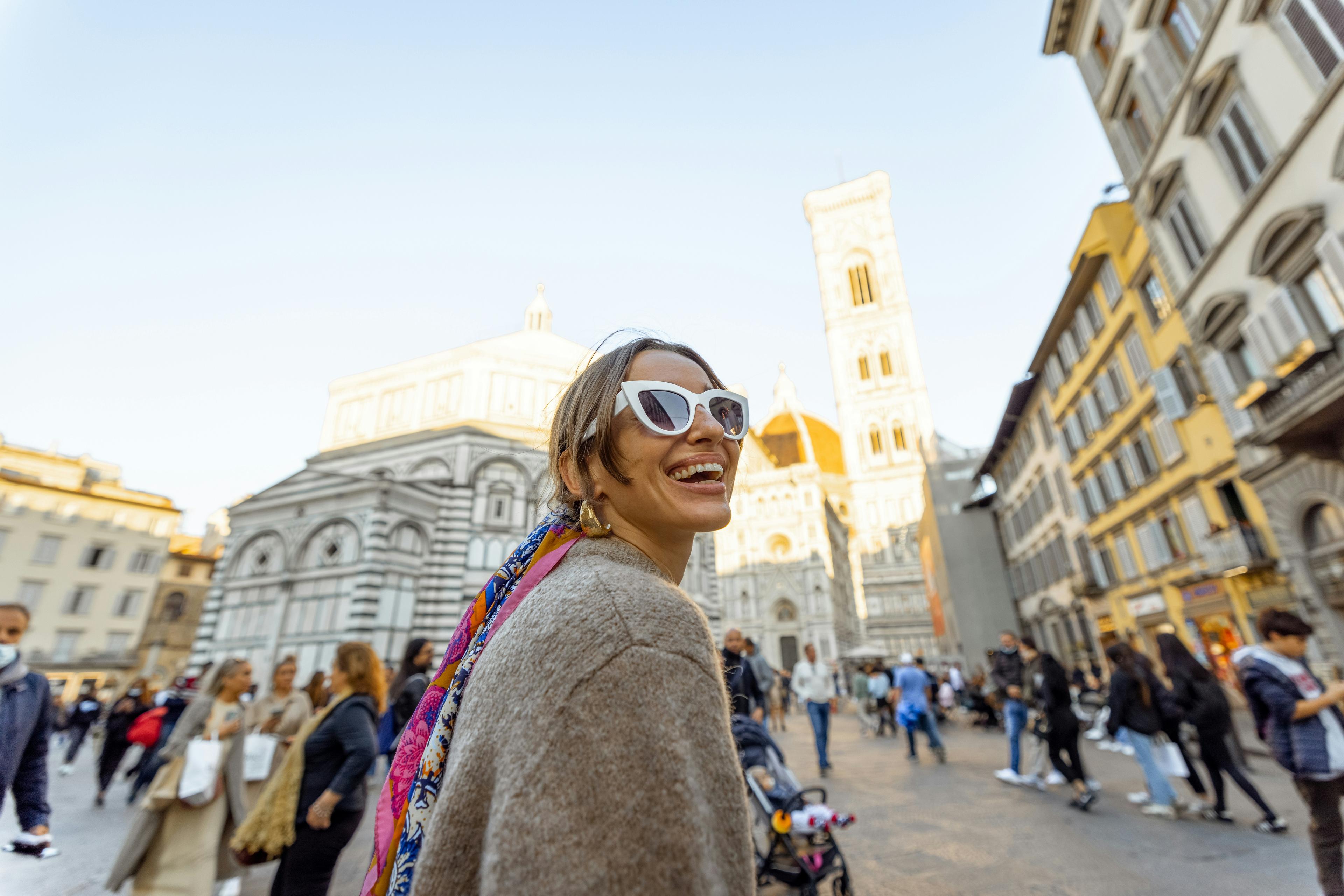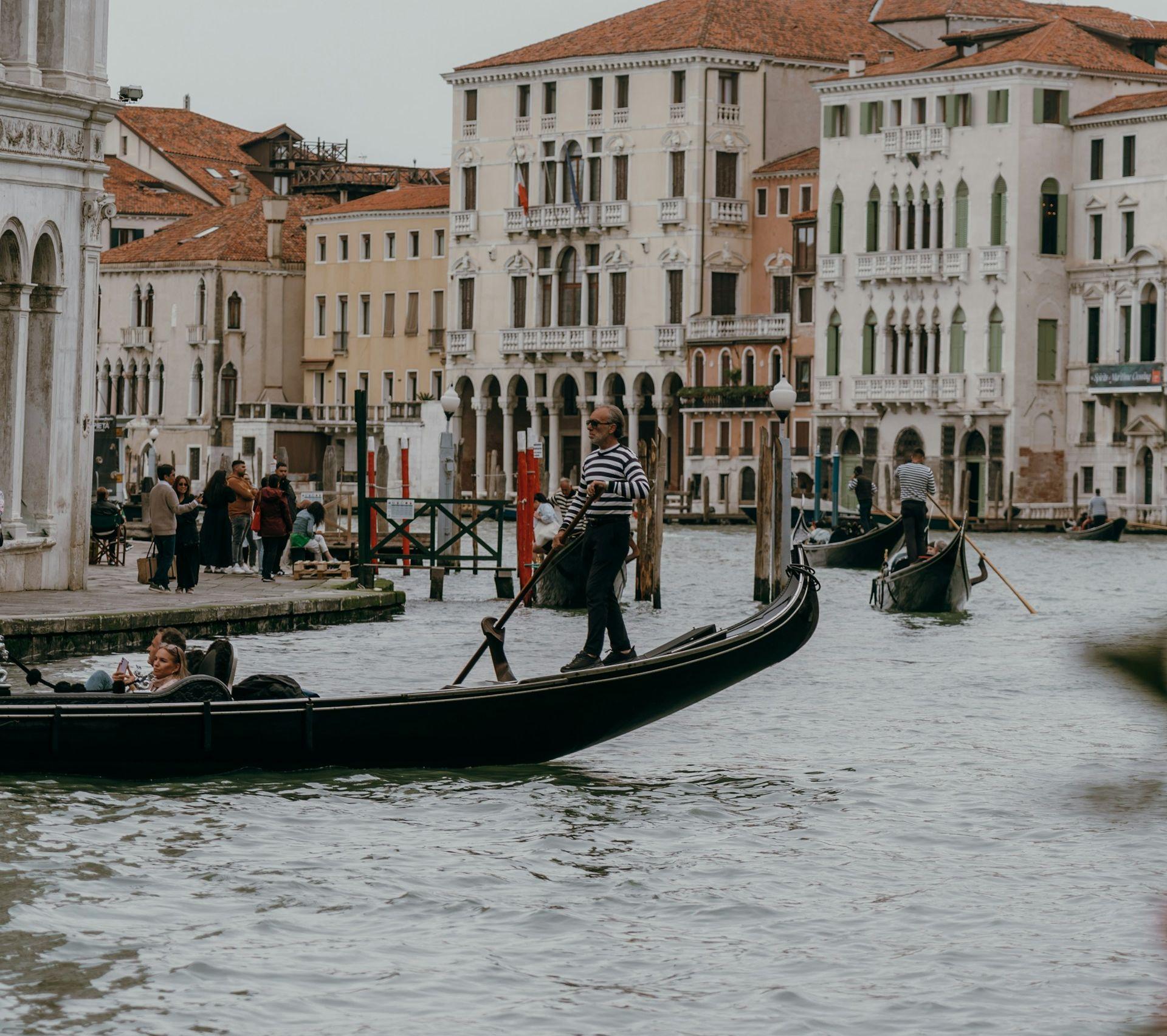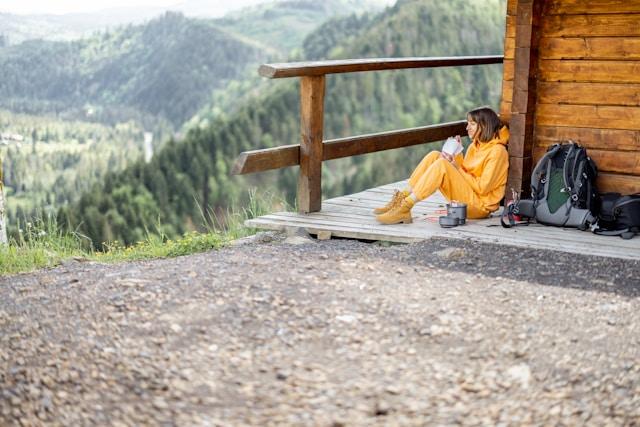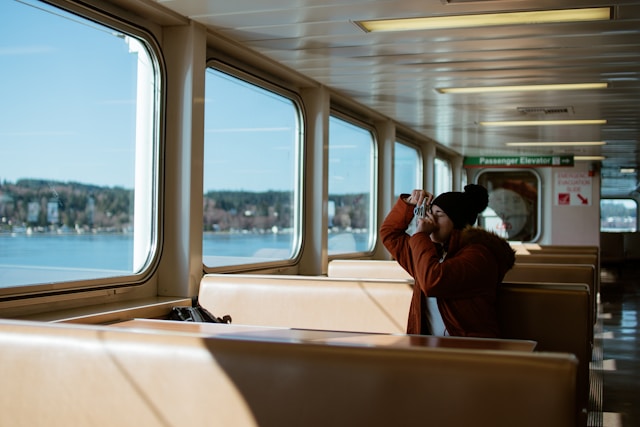
Women traveling alone has become one of those choices that people react to as if it is automatically a statement. A woman at an airport by herself, a woman checking into a hotel alone, a woman eating dinner at a restaurant with only her phone and a book for company can trigger the same question in a dozen different tones, from admiration to disbelief to worry. The question is usually framed as concern, but underneath it sits an old assumption that a woman’s safety and legitimacy depend on being accompanied. That is precisely why solo travel matters. It is not only a way to see new places. It is a way to reclaim ownership of one’s time, attention, and identity, while building a more grounded kind of confidence that can follow a woman long after the trip ends.
At its core, traveling alone puts a woman back at the center of her own life. Many women are used to moving through days shaped by other people’s needs and expectations. They manage schedules, smooth tensions, and keep the emotional atmosphere stable, often without even realizing how much energy it takes. Even leisure can come with invisible responsibilities, especially on group or family trips where someone must plan, coordinate, and anticipate what might go wrong. Solo travel interrupts that pattern. When a woman travels alone, she makes decisions for herself in a direct and uncomplicated way. She chooses when to wake up, where to go, what to skip, what to splurge on, and when to stop. This freedom is not indulgent. It is restorative, because it reminds her that her preferences are valid even when they are not being negotiated or justified to anyone else.
That shift into self-direction also strengthens self-trust. Confidence is often described as a trait, but for most people it grows from evidence. It builds when you handle small challenges and realize you are capable of more than you assumed. Solo travel offers constant opportunities for this kind of proof. A woman navigating unfamiliar streets, figuring out transit systems, asking for help in a new language, and adapting when plans change learns to rely on her own judgment. She discovers that discomfort does not automatically mean danger, and that uncertainty does not automatically mean failure. Each moment of problem-solving becomes a quiet reinforcement of a larger idea: she can take care of herself, even when the environment is unfamiliar.
Solo travel is also significant because it challenges a deeply gendered approach to risk. Women are often taught to avoid rather than navigate, to stay safe by staying small, and to treat independence as something that must be carefully managed. Conversations about women traveling alone frequently focus on worst-case scenarios, which can be necessary but also limiting when they become the only story. Traveling alone does not deny the reality of risk. Instead, it encourages a more balanced relationship with safety. Many women who travel solo develop practical awareness and sharper instincts, not because they become fearless, but because they stop letting fear define the boundaries of their lives. They learn the difference between caution and paralysis, and they carry that distinction into daily life.
Another underrated impact of traveling alone is the way it transforms a woman’s relationship with solitude. In many cultures, solitude for women is treated like a problem to solve. Being alone is interpreted as being lonely, unwanted, or incomplete. Solo travel reframes aloneness as a choice rather than a deficiency. It teaches a woman to sit with herself in public without performing, to enjoy a meal without explaining why she is alone, and to experience quiet moments without rushing to fill them. This is not always glamorous. Sometimes it is simply walking through a city at an unhurried pace, noticing details, listening to one’s thoughts, and realizing that one’s own company can feel steady rather than uncomfortable. That ability to be alone without feeling diminished is a durable kind of strength.
Traveling alone can also restore pleasure as something that does not need permission. Many women are conditioned to earn enjoyment, to be productive before they can rest, or to justify spending on themselves. A solo trip can become a rare space where pleasure is not negotiated. A woman can linger in a café, change her plans on a whim, visit a place just because it interests her, or rest in her hotel room without feeling like she is wasting time. Even simple choices can feel radical when they are made purely because they bring joy. This matters because pleasure is not a frivolous extra. It is part of feeling alive, and solo travel can remind a woman that she is allowed to seek it.
Perhaps the most lasting value of solo travel is how it expands identity. At home, a woman is often held in place by familiar roles. She is someone’s daughter, partner, colleague, or friend, and those relationships can be loving while still shaping expectations about who she should be. In a new environment, those roles loosen. A woman can be quieter or bolder than usual without being questioned. She can try new routines, meet people without old stories attached to her name, and experience anonymity that feels freeing rather than isolating. In that space, she may notice parts of herself that had been muted by routine. She may realize she enjoys wandering without a plan, or that she feels most like herself in the early mornings, or that she can be decisive when nobody is waiting to weigh in. These discoveries are small, but they add up to a clearer sense of self.
Solo travel also makes choice feel real in a way that daily life often does not. Modern life can offer endless surface-level options while limiting deeper autonomy. A solo trip, however, has immediate cause-and-effect. If you wake early, you see the city before it fills with crowds. If you skip an attraction, you simply skip it. If you change destinations, your experience shifts. This directness reminds a woman that she can steer. When she returns home, that memory becomes a reference point. The next time she faces a difficult decision, she can recall that she has already moved through the unfamiliar and adapted. The skill is transferable, even if the setting changes.
In the end, the importance of women traveling alone is not about proving something to others. It is not about performing bravery or building a narrative that looks impressive online. Real solo travel can be messy. It includes wrong turns, awkward meals, fatigue, and moments of doubt. But it also contains a particular kind of clarity. It shows a woman, in a practical and embodied way, that she can go somewhere new, handle what arises, and return with more confidence in her own abilities. The trip itself may last a few days or a few weeks, but the deeper outcome is longer lasting. A woman who has traveled alone often comes home with a stronger sense of agency, a healthier relationship with solitude, and a renewed understanding that she does not need constant accompaniment to move through the world with purpose. That is why it matters. It is travel, yes, but it is also self-trust in motion.
 WhatsApp
 Instagram
 Threads