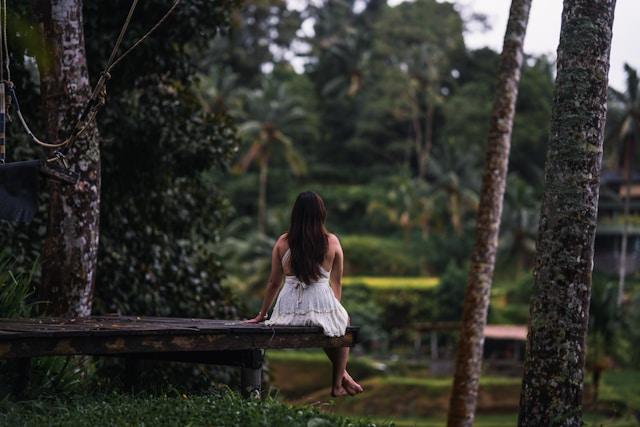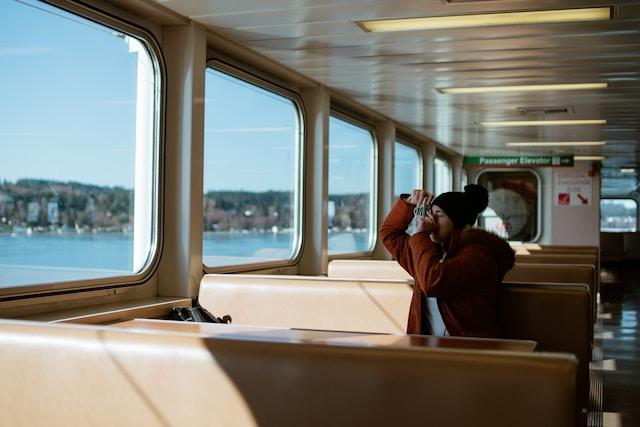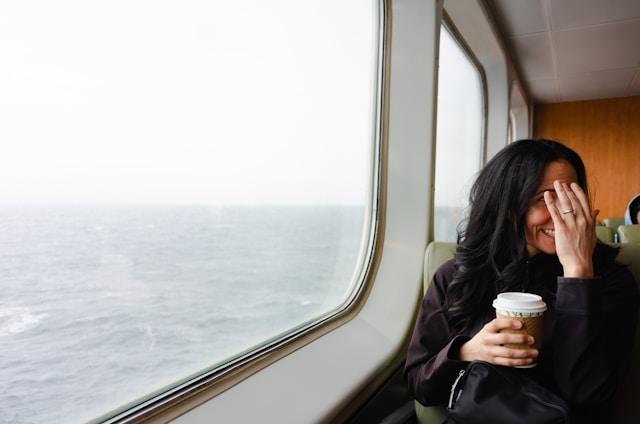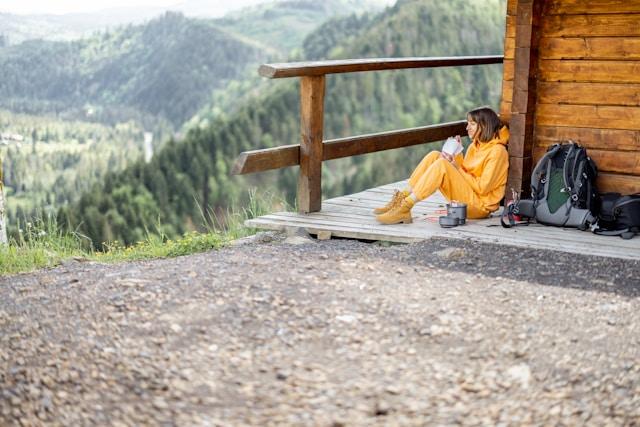
Traveling alone can be deeply rewarding, but it also changes the reality of a trip in ways that are easy to overlook until you are in the middle of them. For a woman, solo travel often comes with disadvantages that are not about weakness or fear, but about risk, logistics, and the added mental work of moving through unfamiliar environments without built-in support. The experience can still be empowering, yet it is more accurate to say that it demands a higher level of planning and self-management than many people expect.
One of the most immediate disadvantages is that safety planning becomes a constant companion rather than an occasional concern. When you are alone, you are your own lookout at all times. There is no second person to confirm whether a situation feels off, no one to walk with you when streets empty out, and no shared vigilance that allows your mind to fully relax. Even if nothing goes wrong, the ongoing need to stay alert can be exhausting. It often shapes the structure of the day, encouraging earlier nights, clearer boundaries, and fewer spontaneous decisions that might otherwise feel harmless when you are traveling with others.
This heightened caution becomes especially relevant in everyday travel moments that seem routine on paper. Late-night arrivals, empty train platforms, rideshare pickups in dark areas, and long walks from transit can all feel more intimidating when you are navigating them alone. Activities that rely on isolation, such as hiking without signal or exploring quiet neighborhoods at night, may become less appealing simply because the margin for error is smaller. Solo travel does not mean danger is inevitable, but it does mean that the consequences of a poor judgment call can be more serious when there is no immediate backup.
Another disadvantage is the increased likelihood of harassment or unwanted attention. Being alone can make a traveler more visible, and it can also make others more willing to approach because there is no social barrier around her. Even when attention never escalates into anything overtly threatening, repeated interruptions, comments, and persistent interactions can drain emotional energy. Over time, this can shift how a woman moves through public spaces, how she responds to strangers, and how much of the trip is spent managing social boundaries rather than simply enjoying the destination.
As a result, the freedom that solo travel promises can sometimes shrink in practice. While traveling alone offers flexibility, safety considerations may narrow the range of choices. A woman might skip an early morning activity because it requires walking alone before sunrise, avoid certain areas even if they are culturally interesting, or choose accommodations based on location and security rather than charm or affordability. These decisions are often sensible, but they can also create a feeling that the trip is being shaped more by risk management than curiosity.
Cost is another practical disadvantage. Traveling with others allows expenses to be shared, but traveling alone means paying full price for many essentials. If safety is a priority, it may require spending more on a private room instead of a dorm, choosing more reliable transportation instead of the cheapest option, or paying extra for flexibility in case plans need to change quickly. These choices can make solo travel noticeably more expensive, not because of indulgence, but because personal security and comfort can depend on paying for better options.
Mental load also tends to be heavier when you are alone. A trip involves countless small decisions, from navigating transit to choosing where to eat and adjusting when plans break. With companions, this responsibility is distributed. Alone, every decision sits with one person, and decision fatigue can build quietly. Over time, it can push a traveler into choosing what is easiest rather than what is most meaningful, not because she lacks interest, but because the constant thinking becomes tiring.
The lack of redundancy becomes even more obvious in emergencies. Illness, injury, a lost phone, a stolen wallet, or a booking mistake can feel far more stressful when there is no companion to help. There is no one to handle logistics while you rest, no one to advocate for you when you are overwhelmed, and no one to act as a safety net while you solve problems. These moments can be managed, but they often require more effort and resilience because all the responsibility remains on the solo traveler.
Beyond safety and logistics, solo travel can involve social and emotional disadvantages as well. Loneliness can arrive in waves, especially during meals, long transit days, or evenings when the city feels full of other people’s companionship. Meeting new people is possible, but it is not guaranteed, and the quality of those interactions can vary widely. For some, constant small talk is draining, while for others, quiet stretches can feel isolating. Either way, traveling alone can amplify emotions, because there is no familiar person to help regulate the highs and lows of the journey.
In many places, solo women also encounter subtle bias that can make them feel out of place. Questions about why they are alone, assumptions about vulnerability, or attitudes that range from overprotective to dismissive can create friction. Even when these interactions are not openly hostile, they can affect confidence and shape decisions, making the traveler more cautious, more guarded, or more likely to retreat earlier than planned.
Ultimately, many of the disadvantages of traveling alone as a woman come down to a reduced margin for error. When the infrastructure is unreliable, lighting is poor, transit is confusing, or customer service is inconsistent, solo travel can become harder simply because improvisation has to happen alone. Fatigue becomes more than discomfort because it affects judgment, and judgment matters more when no one else is there to notice details you might miss.
Still, acknowledging these disadvantages does not mean rejecting solo travel. It means understanding that solo travel changes the risk profile, and that the most important resource a solo traveler can build is margin. More time buffer, more rest, more battery life, more flexible bookings, and a slightly larger budget can all reduce stress and improve decision-making. When a trip is designed to survive a bad day, it becomes easier to enjoy the good ones.
 WhatsApp
 Instagram
 Threads