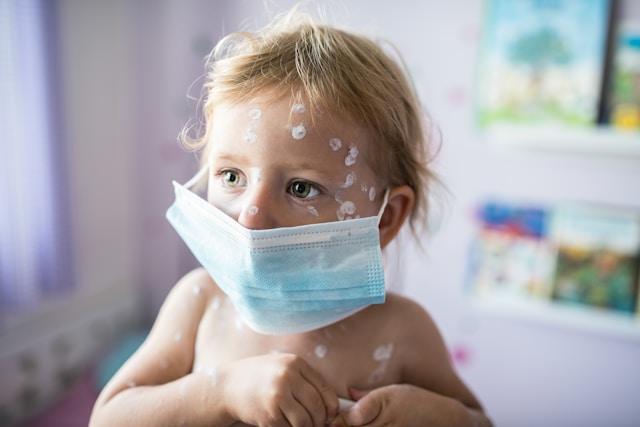
Hand, foot and mouth disease has a way of turning ordinary family routines into a quiet stress test. One day a child is slightly cranky with a low fever, the next day there are mouth ulcers that make drinking painful, and then the familiar spots appear on palms, soles, or around the diaper area. In the middle of that, the question that keeps circling back is not just what the rash means, but what it implies for everyone else in the home, the class, and the wider circle of grandparents, cousins, and playdates. How contagious is HFMD? The honest answer is that it is contagious enough to spread quickly in the environments most children live in, especially when close contact and shared surfaces are part of daily life.
HFMD spreads easily because the virus does not rely on a single pathway. It travels through the same things children do without thinking: saliva, nasal secretions, and the droplets that come with coughing or sneezing. It can be present in the fluid from skin blisters. It is also shed in stool, which matters more than people expect because diaper changes and toileting are everyday realities for the age group most affected. When you combine these routes, HFMD becomes less like a problem you can solve by simply avoiding one obvious trigger and more like a chain you need to keep interrupting in multiple places.
What makes it feel especially contagious is timing. HFMD tends to be most contagious early in the illness, often during the first week when fever and mouth pain are most active. That is usually when a child is drooling more, putting hands in their mouth more often, and needing more help with wiping, washing, and comfort. Those are the days when bodily fluids and hands meet the world at high frequency. But HFMD does not always play fair with the calendar. A child can begin spreading the virus before the classic signs become obvious, which helps explain why a classroom can look normal and then suddenly several children show symptoms around the same period. By the time the first obvious case is identified, others may already have been exposed days earlier.
Then there is the part families find most frustrating: the long tail. Even after a child seems better and the rash is fading, the virus can still be shed, particularly through stool, for days or even weeks. That does not mean a child remains equally infectious for the entire time, but it does mean that “looking fine” is not the same as “no longer able to spread it.” In practical terms, this is why HFMD can ripple through households even when parents do their best, and why reinfection within a short period can happen in group settings when different strains circulate.
If you want to understand HFMD’s contagiousness in real life, it helps to picture where the virus actually moves. The mouth is an obvious hub. Children with sore throats and mouth ulcers often drool, and drool ends up on hands, sleeves, pillows, toys, and table surfaces. Hands become the courier because toddlers touch everything, and because many children will instinctively rub their face, bite a toy, or suck a thumb when they are tired or uncomfortable. When those same hands touch door handles, shared books, tablet screens, railings, or classroom furniture, the virus gets a chance to hop from one person’s routine to another’s. This is also why outbreaks often show up in childcare and preschool settings. It is not just that kids are near each other. It is that the environment is built around shared objects, shared spaces, and imperfect hygiene.
This leads to one of the most common points of tension: when is it safe to return to school? The reality is that different schools and health authorities can have different thresholds, and that can confuse parents who just want a clear rule. Some policies focus on whether the child is well enough to participate normally, because extended exclusion does not always stop spread once exposure has already occurred. Other policies, particularly in childcare environments, may recommend a longer stay-home period during outbreaks because managing population risk is not the same as managing one family. Both approaches are trying to solve a similar problem, but from different angles.
In everyday decision-making, it helps to focus on what actually drives transmission risk: symptoms that increase spreading and behaviors that reduce control. A child with fever, significant mouth pain, heavy drooling, or poor appetite is not just uncomfortable. They are harder to manage in a group setting. They may not keep hands away from the mouth, may not tolerate regular handwashing, and may not reliably cover coughs or sneezes. A child still in that phase is typically a higher risk for passing the virus on, even if the rash looks mild. On the other hand, a child who is back to baseline energy, eating and drinking well, and able to cooperate with supervised handwashing is not the same risk profile, even if a few spots remain. The skin can take time to look normal again, but contagiousness is shaped more by early illness dynamics and hygiene control than by the last visible marks.
At home, the goal is not to create a sterile bubble. It is to reduce the chances of the virus moving from one person’s hands to another person’s mouth. That means treating hand hygiene like the central routine rather than an optional reminder. Handwashing matters most after diaper changes, after using the toilet, and before eating. It also means minimizing shared items that go to the mouth. Cups, utensils, toothbrushes, pacifiers, and towels should not be shared while symptoms are active. Surfaces that are touched constantly, such as tablet screens, light switches, doorknobs, remote controls, high chair trays, and bathroom handles, deserve more frequent cleaning during the acute period. When parents do this consistently, they do not eliminate risk completely, but they often reduce how widely the virus spreads and how intense the overall outbreak in the household becomes.
If there are siblings, HFMD can feel inevitable, and sometimes it is. Close contact is part of family life, and children play in a way that ignores personal space. In those situations, it is useful to think in terms of lowering exposure rather than achieving perfect prevention. You may not stop transmission entirely, but you can still reduce viral load on hands and surfaces, which can matter for how easily another child gets sick. You can also protect the most vulnerable family members by being careful about who shares towels, who handles diaper duty, and how quickly hands are washed after contact with saliva or stool.
Adults are not immune either. While HFMD is most common in young children, adults can catch it, sometimes with mild symptoms that are easy to dismiss as a sore throat or fatigue. That matters because adults tend to be the ones doing most of the caregiving, which increases exposure during the peak contagious phase. The simple protective steps are the same: wash hands properly and often, avoid touching your face during care tasks, and clean the surfaces that get the highest traffic. Gloves are not necessary for most households, but disciplined handwashing and mindful handling of tissues, cups, and toothbrushes can reduce adult infections and limit spread beyond the home.
Understanding HFMD’s contagiousness also means keeping your eyes on the part of the illness that can create real complications. For many families, the rash looks alarming but is not the main danger. The bigger issue is hydration. Mouth ulcers can make swallowing painful, and children may refuse water because it stings. A child who is not drinking can get dehydrated quickly, especially if they also have fever. This is one of those situations where the visual symptoms can distract from the practical risk. Watching urine output, alertness, and the ability to keep fluids down is more important than counting spots. If a child becomes unusually sleepy, cannot drink, has signs of dehydration, or seems to be worsening rather than gradually improving, it is worth seeking medical advice promptly.
So how contagious is HFMD, in a way that actually helps you live through it? It is contagious enough that normal routines and shared environments can spread it fast, especially during the first week of illness when symptoms drive a lot of saliva and hand-to-mouth contact. It is also contagious in a lingering way because viral shedding, especially in stool, can continue after a child seems better. That does not mean you need to panic or isolate forever. It means you should treat the acute phase as a short period where hygiene and routines matter more than usual, and where returning to group settings should depend less on how the rash looks and more on how well the child can manage the behaviors that stop spread.
In the end, HFMD spreads not because parents do not care, but because it exploits the very nature of childhood: close contact, shared toys, messy hands, and developing habits. The best response is not fear. It is thoughtful control. When you tighten handwashing, reduce sharing of mouth-contact items, clean high-touch surfaces, and keep children home when they are still feverish or unable to manage hygiene, you are not just reacting to a rash. You are interrupting a chain. And with HFMD, breaking the chain is what makes the difference between one sick child and a household or classroom outbreak.
 WhatsApp
 Instagram
 Threads