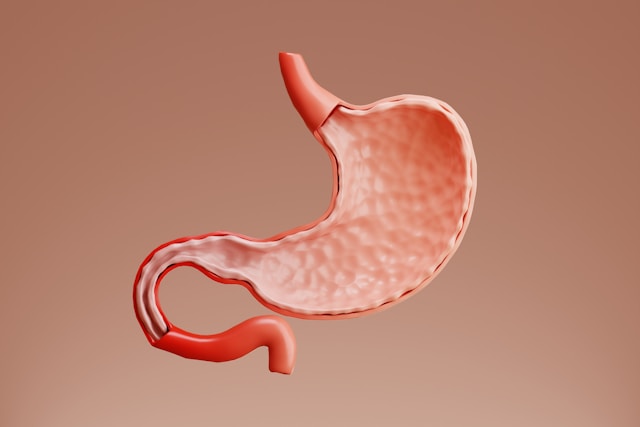
Gut health has become one of the most talked about wellness topics, yet much of the popular advice is shaped by trends, marketing, and quick fix promises. The reality is that the gut is not a simple machine that can be reset overnight. It is a living ecosystem made up of trillions of microorganisms, and it responds best to steady habits rather than extreme routines. Improving gut health is less about chasing the newest supplement and more about supporting the body with consistent food choices, lifestyle stability, and attention to symptoms that may require medical care.
A practical starting point is to understand that the gut microbiome thrives on variety. Microbes depend on what we eat, and a diet that regularly includes a range of plant foods tends to support a more diverse microbial environment. Diversity matters because different microbes prefer different kinds of fuel. When meals are built around vegetables, fruits, whole grains, beans, nuts, and seeds, the gut receives a wider spectrum of fibers and nutrients. Fiber plays a key role not only by supporting bowel regularity, but also by serving as food for beneficial bacteria. As bacteria ferment certain fibers, they produce compounds that help maintain the gut lining and support overall digestive balance. For people who have been eating low fiber diets, the shift should be gradual. Increasing fiber too quickly can lead to discomfort, gas, and bloating, which may discourage people from continuing. A slow increase paired with adequate water intake often makes the transition easier.
The idea of prebiotics fits into this same principle. Prebiotics are not complicated wellness products but simply the parts of food that beneficial microbes use as fuel. Many everyday foods provide this naturally, which is why a whole food pattern is often more reliable than relying on packaged solutions. When eating habits are dominated by low fiber, highly processed meals, the gut may not receive enough of the materials that support a thriving microbial community. This does not mean processed foods must be eliminated, but it does mean they should not become the default foundation of daily eating.
Fermented foods are frequently highlighted in gut health discussions, and they can be a useful addition for many people. Yogurt, kefir, tempeh, miso, kimchi, and other fermented items may introduce beneficial microorganisms depending on how they are made and stored. They can also add variety and enjoyment to meals, which increases the chance of long term consistency. However, fermented foods are not a guaranteed cure. Their microbial content can vary widely, and some people may find that certain fermented products worsen symptoms due to acidity, carbonation, high sodium, or personal sensitivities. The best approach is to include them when they are enjoyable and well tolerated, rather than treating them as a mandatory solution.
Probiotic supplements occupy a large share of the gut health market, but they are often misunderstood. Many people assume that taking a probiotic automatically improves digestion, yet probiotic effects are typically strain specific and depend on the condition being addressed. Evidence for benefits is mixed across different digestive issues, and not every product contains strains that match the claims on the label. Supplements can be helpful in some situations, but they are not a universal fix. For most people, food and lifestyle changes are a better first step, and supplements should be considered carefully, especially for those with underlying medical conditions or weakened immune systems.
Lifestyle factors also play a meaningful role in gut health, even though they are less visible than food choices. The gut and brain are closely connected, and stress can influence digestion in noticeable ways. Many people experience this through cramps, changes in bowel habits, reflux, or persistent bloating during periods of high pressure. Sleep quality has a similar impact, since poor sleep can disrupt appetite regulation, increase stress responses, and worsen digestive sensitivity. Supporting gut health therefore includes protecting sleep routines, building realistic stress management habits, and avoiding patterns that leave the body in constant physiological tension. These changes do not require perfection, but they do require consistency.
Hydration, movement, and meal rhythm are often overlooked, yet they are some of the most practical supports for digestive comfort. Water helps the body process increased fiber intake and supports smoother bowel movements. Regular movement, particularly gentle activity like walking, can promote gut motility and reduce the sluggishness that contributes to constipation and discomfort. Meal timing also matters. Skipping meals and then eating very large portions late at night can strain digestion and disrupt sleep. Small anchors such as eating breakfast regularly, drinking water early in the day, and taking brief walks after meals can create stability that the gut responds to over time.
At the same time, it is important to recognize when gut symptoms point to something that requires medical attention. Persistent pain, unexplained weight loss, blood in stool, ongoing diarrhea or constipation, anemia, fever, or symptoms that wake a person at night should not be treated as a lifestyle project. These signs may indicate underlying conditions that need proper diagnosis and treatment. Gut health content sometimes encourages people to self manage for too long, when the more responsible step is to seek professional care.
Ultimately, improving gut health is not about dramatic transformations or strict food rules. It is about building routines that support the gut ecosystem and can be maintained through real life. A diet rich in varied plant foods, gradually increased fiber, and fermented foods when tolerated can help nourish beneficial microbes. Adequate hydration, regular movement, stable sleep, and stress reduction support the digestive system in quieter but powerful ways. The most effective approach is the one that reduces discomfort without shrinking a person’s life. Gut health is not meant to be a constant obsession. It is meant to make daily living feel easier, calmer, and more stable over time.Gut health has become one of the most talked about wellness topics, yet much of the popular advice is shaped by trends, marketing, and quick fix promises. The reality is that the gut is not a simple machine that can be reset overnight. It is a living ecosystem made up of trillions of microorganisms, and it responds best to steady habits rather than extreme routines. Improving gut health is less about chasing the newest supplement and more about supporting the body with consistent food choices, lifestyle stability, and attention to symptoms that may require medical care.
A practical starting point is to understand that the gut microbiome thrives on variety. Microbes depend on what we eat, and a diet that regularly includes a range of plant foods tends to support a more diverse microbial environment. Diversity matters because different microbes prefer different kinds of fuel. When meals are built around vegetables, fruits, whole grains, beans, nuts, and seeds, the gut receives a wider spectrum of fibers and nutrients. Fiber plays a key role not only by supporting bowel regularity, but also by serving as food for beneficial bacteria. As bacteria ferment certain fibers, they produce compounds that help maintain the gut lining and support overall digestive balance. For people who have been eating low fiber diets, the shift should be gradual. Increasing fiber too quickly can lead to discomfort, gas, and bloating, which may discourage people from continuing. A slow increase paired with adequate water intake often makes the transition easier.
The idea of prebiotics fits into this same principle. Prebiotics are not complicated wellness products but simply the parts of food that beneficial microbes use as fuel. Many everyday foods provide this naturally, which is why a whole food pattern is often more reliable than relying on packaged solutions. When eating habits are dominated by low fiber, highly processed meals, the gut may not receive enough of the materials that support a thriving microbial community. This does not mean processed foods must be eliminated, but it does mean they should not become the default foundation of daily eating.
Fermented foods are frequently highlighted in gut health discussions, and they can be a useful addition for many people. Yogurt, kefir, tempeh, miso, kimchi, and other fermented items may introduce beneficial microorganisms depending on how they are made and stored. They can also add variety and enjoyment to meals, which increases the chance of long term consistency. However, fermented foods are not a guaranteed cure. Their microbial content can vary widely, and some people may find that certain fermented products worsen symptoms due to acidity, carbonation, high sodium, or personal sensitivities. The best approach is to include them when they are enjoyable and well tolerated, rather than treating them as a mandatory solution.
Probiotic supplements occupy a large share of the gut health market, but they are often misunderstood. Many people assume that taking a probiotic automatically improves digestion, yet probiotic effects are typically strain specific and depend on the condition being addressed. Evidence for benefits is mixed across different digestive issues, and not every product contains strains that match the claims on the label. Supplements can be helpful in some situations, but they are not a universal fix. For most people, food and lifestyle changes are a better first step, and supplements should be considered carefully, especially for those with underlying medical conditions or weakened immune systems.
Lifestyle factors also play a meaningful role in gut health, even though they are less visible than food choices. The gut and brain are closely connected, and stress can influence digestion in noticeable ways. Many people experience this through cramps, changes in bowel habits, reflux, or persistent bloating during periods of high pressure. Sleep quality has a similar impact, since poor sleep can disrupt appetite regulation, increase stress responses, and worsen digestive sensitivity. Supporting gut health therefore includes protecting sleep routines, building realistic stress management habits, and avoiding patterns that leave the body in constant physiological tension. These changes do not require perfection, but they do require consistency.
Hydration, movement, and meal rhythm are often overlooked, yet they are some of the most practical supports for digestive comfort. Water helps the body process increased fiber intake and supports smoother bowel movements. Regular movement, particularly gentle activity like walking, can promote gut motility and reduce the sluggishness that contributes to constipation and discomfort. Meal timing also matters. Skipping meals and then eating very large portions late at night can strain digestion and disrupt sleep. Small anchors such as eating breakfast regularly, drinking water early in the day, and taking brief walks after meals can create stability that the gut responds to over time.
At the same time, it is important to recognize when gut symptoms point to something that requires medical attention. Persistent pain, unexplained weight loss, blood in stool, ongoing diarrhea or constipation, anemia, fever, or symptoms that wake a person at night should not be treated as a lifestyle project. These signs may indicate underlying conditions that need proper diagnosis and treatment. Gut health content sometimes encourages people to self manage for too long, when the more responsible step is to seek professional care.
Ultimately, improving gut health is not about dramatic transformations or strict food rules. It is about building routines that support the gut ecosystem and can be maintained through real life. A diet rich in varied plant foods, gradually increased fiber, and fermented foods when tolerated can help nourish beneficial microbes. Adequate hydration, regular movement, stable sleep, and stress reduction support the digestive system in quieter but powerful ways. The most effective approach is the one that reduces discomfort without shrinking a person’s life. Gut health is not meant to be a constant obsession. It is meant to make daily living feel easier, calmer, and more stable over time.
 WhatsApp
 Instagram
 Threads