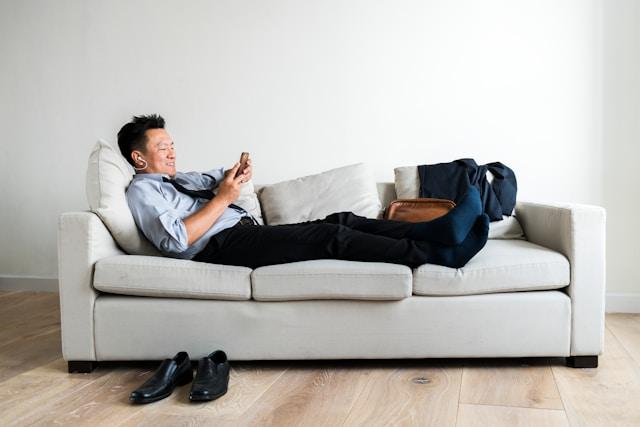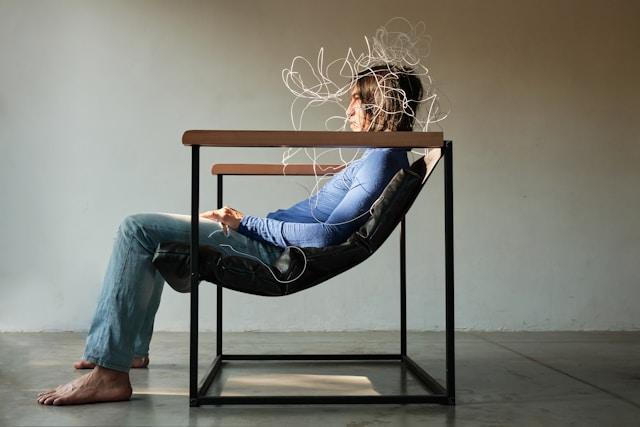
A sedentary lifestyle sounds like a medical label, but it often begins as a quiet cultural habit. It is not defined by one dramatic decision to stop moving. Instead, it grows through a series of small routines that feel normal, efficient, and even responsible. The chair becomes the center of the day, screens become the main doorway to work and rest, and movement slowly turns into something optional rather than something built into life. In simple terms, a sedentary lifestyle means spending much of your waking day sitting or lying down with very little activity that increases your heart rate. This is why the idea can be confusing at first. Many people assume it only applies to someone who never exercises. In reality, you can still be sedentary even if you work out regularly, because the pattern is not about a single workout. It is about what happens during the rest of the day. If most hours are spent in the same position, with minimal standing, walking, or shifting, the lifestyle is still largely sedentary.
What makes sedentary living especially tricky is how ordinary it looks. It looks like working hard, studying, answering messages, attending meetings, or relaxing after a long day. It can feel like productivity because your mind is active, your calendar is full, and your responsibilities are being met. Yet physical stillness can dominate the entire day without anyone noticing. A break that once meant getting up, walking outside, or running a small errand can now mean switching from one screen to another. Your attention changes, but your body remains in place. Even hobbies that seem engaging, like gaming, binge-watching, reading, or crafting, can keep you seated for hours if you do not build in small pauses. Over time, your body begins to treat this low-movement rhythm as normal, even when it does not feel good.
Modern convenience strengthens this pattern. Food, groceries, entertainment, shopping, and even social connection can arrive at your door or on your phone. The world comes to you, which sounds like comfort until you realize how many small movements used to be built into daily life. Walking to a bus stop, climbing stairs, crossing a parking lot, or simply moving through a workplace created movement without planning. When life becomes smoother, the body has fewer reasons to move unless you deliberately create them. A lifestyle that is designed to save time can accidentally remove the natural movement that once supported your energy, appetite regulation, and even mood.
Remote work and screen culture have amplified this effect. Without commuting, there is no automatic walking. Without changes of location, there is less natural shifting between tasks. It becomes easy to wake up and start working within minutes, moving from bed to chair to screen with almost no physical transition. The day can pass in a single posture because nothing forces you to change it. Comfort becomes persuasive, and stillness becomes efficient, at least on the surface. The problem is that the body experiences efficiency differently. The brain may appreciate uninterrupted focus, but muscles and joints often respond better to frequent small movement. In a home environment, you might also have fewer reasons to stand up for social cues, quick conversations, or walking to meeting rooms. As a result, you can spend hours barely changing position, then feel surprised when your shoulders tighten, your hips stiffen, or your lower back complains.
The deeper issue is not that sitting is inherently bad, but that long, uninterrupted sitting becomes a default. Sedentary living is often less about how often you sit and more about how long you sit without breaking it up. Over time, the body adapts to that narrow range of movement. Stiffness starts to feel normal. Energy can feel inconsistent. Restlessness and fatigue can appear at the same time, because the mind has been busy while the body has been underused. These are not diagnoses, but they are common signals that the body is designed for variety and frequent small movement, not hours of stillness. Some people notice that they sleep but do not feel rested, or they experience headaches that seem tied to tension and posture. Others feel their concentration drop in the afternoon, not because they lack discipline, but because their body has been in a low-circulation, low-movement state for too long. When movement is missing, your body may also become less resilient, meaning small tasks like carrying groceries, climbing stairs, or standing in a queue can feel more tiring than they should.
It is also important to separate sedentary living from moral judgment. A sedentary lifestyle is not laziness, and it is not a personal failure. It is often an environmental outcome. Many schools and office cultures reward stillness. Many jobs require long periods of computer work. Many social activities revolve around sitting, whether it is coffee, dinner, long conversations, or movies. In a world where stillness is tied to productivity and professionalism, it becomes easy to accept it as normal and ignore what the body quietly needs. There is also an emotional layer to this. When you feel stressed, overwhelmed, or anxious, staying still can feel safer. You might sit longer because you are mentally tired, or because screens offer a quick escape. In that sense, sedentary habits can become a form of coping, not because you do not care about health, but because you are trying to get through your day.
In the end, the most useful way to understand a sedentary lifestyle is to see it as a pattern: life organized around sitting, with movement treated like a separate hobby instead of a natural part of the day. It is when work, rest, and social time happen in the same posture, often in the same space, with minimal physical variation. The modern world will keep offering reasons to stay still as long as you keep clicking, scrolling, and replying. Your body, however, keeps asking for small proofs of life, not dramatic transformations, but regular chances to stand, walk, stretch, carry, and change shape. When you understand the sedentary lifestyle meaning this way, you can see that the real challenge is not finding motivation for a perfect routine. It is simply remembering that the body was never meant to spend most of its waking hours as furniture.
 WhatsApp
 Instagram
 Threads