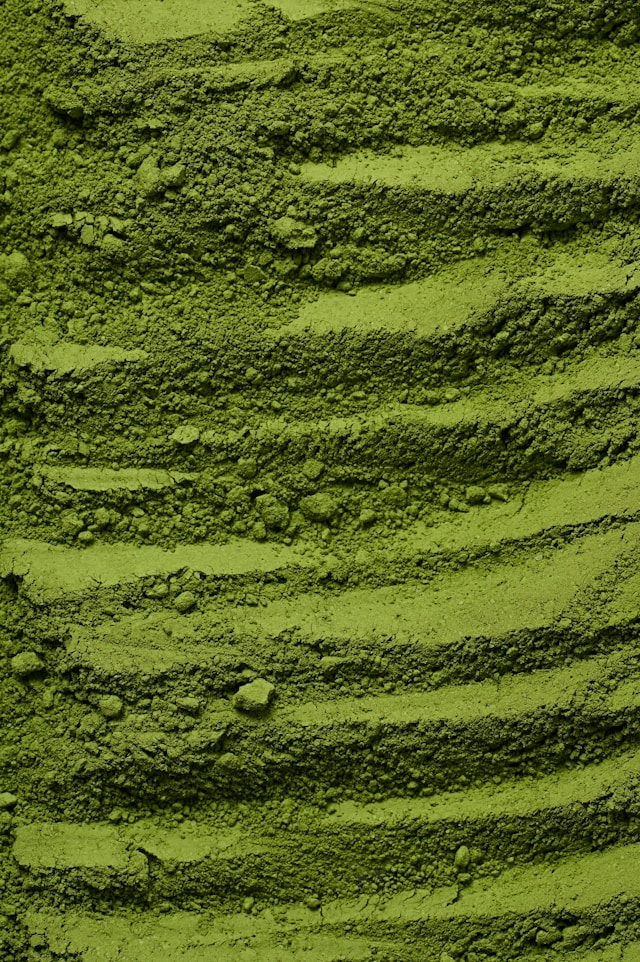
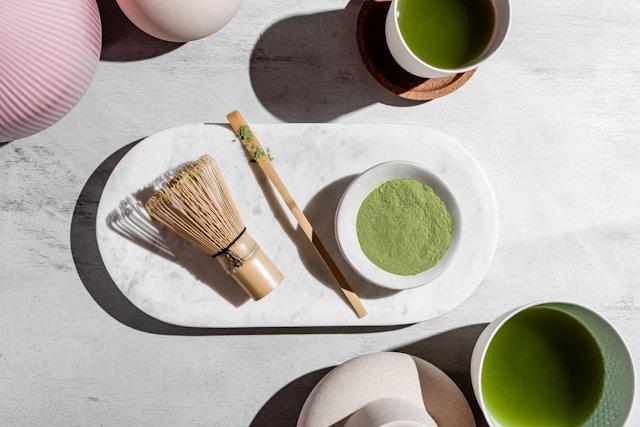
Matcha once belonged to a slower world. It was something you made with intention, not something you grabbed on the way to something else. The powder itself carried a quiet seriousness because it came from a chain of decisions that could not be rushed: leaves grown under shade, harvested with care, processed into tencha, then ground into a fine green dust that demanded proper handling. In traditional contexts, matcha was not meant to be trendy. It was meant to be present, a drink intertwined with craft, patience, and a cultural rhythm that treated preparation as part of the experience rather than an obstacle to convenience.
Today, matcha looks different. It lives in clear plastic cups and cafe menus designed to be photographed. It is paired with oat milk, vanilla syrup, cold foam, and “wellness” language that makes it sound like a personality trait. It has become a shorthand for being health conscious, taste driven, and slightly ahead of the curve. That is why the question keeps popping up in everyday conversation and online spaces: is matcha being gentrified? Using the word “gentrified” for a drink can sound dramatic, but people reach for it because it describes a familiar pattern. In cities, gentrification happens when a neighborhood is revalued, marketed to outsiders, renovated to match a new set of tastes, and gradually priced beyond what many longtime residents can afford. When applied to matcha, the idea is not that people should be forbidden from enjoying it. The concern is that matcha has been reframed as an aspirational product, the kind that signals status, and that this reframing has consequences. The meaning of matcha is shifting, the price of matcha is rising, and the gap between the culture that produced matcha and the culture consuming it is becoming harder to ignore.
One reason the gentrification framing fits is that matcha’s rise is not just about taste. It is about identity. In the age of social media, consumption is rarely private. Drinks and meals become symbols, and symbols become part of how people present themselves. Matcha is especially suited to this. Its color is vivid, it photographs beautifully, and it slides effortlessly into the aesthetics of a curated morning. A matcha latte does not just say you wanted caffeine. It can imply you chose the “cleaner” option, the more refined option, the more intentional option. The drink becomes a signal, and once a product becomes a signal, it is often pulled into an economy where pricing and branding matter as much as the product itself.
This is where language begins to play a powerful role. Words like “ceremonial grade” appear everywhere, promising authenticity and quality. In theory, such labels can be meaningful within certain producer circles, but in many global markets they function more like persuasion than standardization. They make consumers feel safe, as if they can purchase legitimacy. The label becomes part of the value, and the value becomes part of the price. This is not unique to matcha, but matcha has become a particularly clear example of how quickly traditional goods can accumulate glossy marketing vocabulary once they enter lifestyle culture.
At the same time, matcha’s rising cost cannot be blamed only on branding. Demand has surged, and matcha is not infinitely scalable. Tea farming is constrained by land, climate, labor, and time. Weather events can affect yields. Heat and changing seasonal patterns can stress tea plants. Processing infrastructure can become a bottleneck. Skilled labor and experienced producers cannot be summoned instantly to meet global appetite. When matcha becomes a daily habit for millions of people rather than a more niche cultural practice, supply chains feel that pressure quickly. Shortages and sales limits are not random inconveniences. They are signs that a product rooted in craft has collided with mass demand.
This supply tension is one of the strongest arguments for why matcha is undergoing a kind of gentrification. When demand rises faster than supply, prices climb. When prices climb, access changes. A drink that once felt ordinary within certain communities can begin to feel like a luxury. Cafes that cannot secure consistent matcha may cut corners or switch powders. Consumers who want to participate in the “real matcha” experience may chase premium tins and limited batches, turning scarcity into a badge. The market begins to segment. Everyday matcha becomes weaker, sweeter, and designed to satisfy the widest audience. Premium matcha becomes more exclusive and more expensive. The product divides into tiers that mirror class dynamics, where some people can afford authenticity and others get an approximation.
There is also a cultural cost that goes beyond pricing. Matcha is tied to Japanese tea traditions that emphasize attention, respect, and a kind of quiet equality. In those settings, matcha is not about showing off. It is about presence. But in the global cafe economy, matcha becomes something else. It becomes a flavor base, a wellness shortcut, an aesthetic prop. That does not automatically make it wrong, but it does illustrate a shift in values. The same ingredient can carry different meanings depending on how it is consumed. When matcha is treated as content rather than culture, its roots can become a story used to sell the product rather than a living practice that shapes how the product should be approached.
This is where debates about cultural appreciation versus cultural extraction come in. Some argue that food is meant to travel and evolve, and that global curiosity can lead to deeper respect. Others point out that when a cultural product becomes fashionable, the benefits do not always flow back to the culture that originated it. Instead, the loudest profits can collect in the places that package and market the trend, not the places that sustained the craft over generations. Matcha’s popularity can bring attention and economic opportunity to tea regions, but it can also strain them, and it can also reduce the culture to an aesthetic that feels detachable from its people.
It would be too simple, though, to paint matcha’s globalization as purely harmful. Increased demand can support producers and help keep certain forms of agriculture viable, especially in an era when rural industries often struggle with aging workforces and younger generations leaving. Global popularity can also spark genuine interest, where someone starts with a sweet latte and eventually learns the differences between harvests, regions, and preparation techniques. Curiosity can be the beginning of respect. The same pathway that leads to superficial trend consumption can also lead to deeper engagement, depending on the choices consumers make.
The problem is that trends rarely encourage depth by default. Trend culture moves fast. It rewards what is easy, what is repeatable, what looks good. It does not reward learning the history of what you consume. It does not reward understanding how climate affects tea yields or how long it takes to cultivate new fields. It does not reward the slow work of craft. In that environment, matcha risks being flattened into a green symbol that can be poured into any narrative the market wants, from “clean girl morning” to “productive grind” to “soft life.”
Even taste is reshaped by this pressure. Traditional matcha includes bitterness and complexity that can be an acquired appreciation. In mass cafe culture, bitterness is often treated as something to hide. Matcha becomes sweetened, heavily milky, flavored, and transformed into a dessert drink. That makes it more accessible and enjoyable for many people, and there is nothing inherently wrong with that. But it also changes how matcha is understood. The drink shifts from being appreciated on its own terms to being adapted into a format that demands familiarity and comfort. In gentrification terms, it is like renovating a space until it feels safe for newcomers, even if some of the original character disappears in the process. So when someone asks whether matcha is being gentrified, the most honest answer is that it depends on what you mean by the word. If you mean matcha is simply more popular, then yes, but that does not capture the deeper shift. If you mean matcha is being repositioned as a premium lifestyle item, priced in a way that changes access, and reshaped to fit a global aesthetic that often ignores its cultural roots, then the evidence points strongly in that direction.
The more useful question may be what happens next. Gentrification is not a single moment. It is a process driven by incentives. If the incentives remain centered on scarcity, status, and branding, matcha will continue to drift toward exclusivity and performance, where drinking it becomes as much about what it signals as what it tastes like. But if consumers and businesses choose a different approach, matcha’s growth does not have to mean cultural dilution or unfairness. That approach would look like transparency about sourcing, respect for craft, and a willingness to acknowledge the limits of supply rather than treating matcha like a limitless aesthetic resource. Matcha’s green glow will likely keep spreading because it offers what modern life craves: a little energy, a little comfort, and a feeling of being better aligned with health and intention. The question is whether that glow can brighten without burning away the roots that made matcha worth loving in the first place. If matcha is being gentrified, it is not because people enjoy it. It is because the systems that turn enjoyment into profit tend to reshape whatever they touch. And matcha, with all its history and delicacy, is now being reshaped in real time.
 WhatsApp
 Instagram
 Threads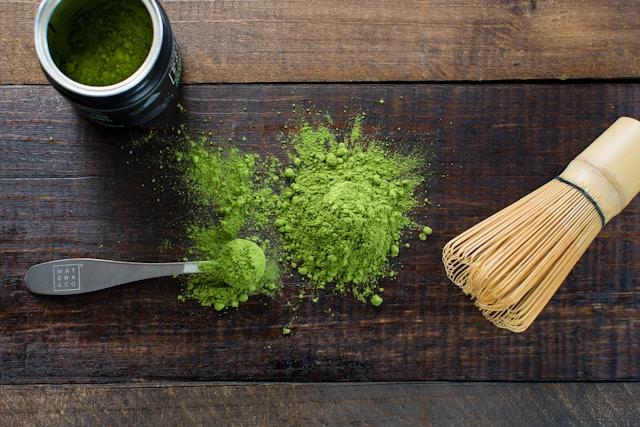
.jpg&w=3840&q=75)
.jpg&w=3840&q=75)