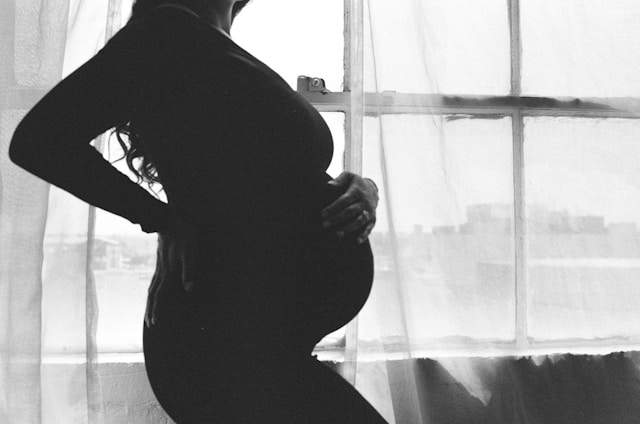
The first trimester often arrives quietly, yet it carries some of the biggest changes of the entire pregnancy. While the outside world may not see much at first, the inside of your body is working at a remarkable pace. The placenta is beginning to form, blood volume is shifting, hormones are rising sharply, and the embryo is developing the earliest structure of organs and systems. This is why many people feel that the first trimester is both intensely personal and strangely uncertain. You may not look pregnant yet, but you might feel unlike yourself in ways that are hard to describe.
Understanding first trimester pregnancy risks is not about living in fear. It is about creating a calmer, more informed mindset so that normal symptoms do not automatically spiral into worst case scenarios, and warning signs are not brushed aside when they deserve attention. When you know what can happen in early pregnancy, you can respond with steadiness rather than guesswork.
One of the most discussed risks of the first trimester is miscarriage, also called early pregnancy loss. It is more common than many people realize, and it most often occurs in the first trimester because early development is complex and delicate. In many cases, miscarriage happens because of chromosomal abnormalities that prevent the pregnancy from developing normally. That explanation can feel both clarifying and deeply painful. It also matters to say clearly that most miscarriages are not caused by everyday actions like walking, working, lifting a grocery bag, or feeling stressed. When a loss happens, many people instinctively search for something they did wrong, but early pregnancy outcomes are frequently outside anyone’s control.
At the same time, the symptoms that raise concern can be confusing because early pregnancy can involve sensations that overlap with both normal changes and possible complications. Light spotting and mild cramping can happen and still lead to a healthy pregnancy. But heavier bleeding, severe cramping, passing clots or tissue, or pain that escalates quickly should be evaluated. The emotional challenge of this trimester is that certainty is limited, and your mind may try to compensate by monitoring every sensation. Knowing the boundaries of what is common and what is concerning helps you step out of constant vigilance and into a more supportive plan.
Another serious first trimester complication is ectopic pregnancy, which occurs when a fertilized egg implants outside the uterus, most often in a fallopian tube. An ectopic pregnancy cannot develop normally and can become life-threatening if it causes internal bleeding. This is why it is treated as a medical emergency. Some early signs include one-sided pelvic pain, vaginal bleeding, shoulder pain, dizziness, or fainting. What makes ectopic pregnancy especially difficult is that it can begin subtly, and people may try to rationalize symptoms as typical early cramps. But pain that is sharp, localized, persistent, or paired with weakness or faintness deserves urgent medical care. Early assessment is particularly important for anyone with risk factors such as a prior ectopic pregnancy, pelvic infections, certain fertility treatments, or tubal surgery. The goal is not to worry about the possibility constantly, but to recognize that some symptoms require fast action.
Nausea is another defining feature of the first trimester, and for many people it is not just mild queasiness. Hormonal changes, especially rising levels of hCG, can significantly affect appetite, digestion, and smell sensitivity. While nausea and occasional vomiting can be normal, severe vomiting that prevents you from keeping down fluids can become risky. Hyperemesis gravidarum is the extreme end of this spectrum, involving persistent vomiting, dehydration, weight loss, and electrolyte imbalance. Even without that diagnosis, repeated vomiting can leave you depleted and dizzy, and it can create a cycle where dehydration worsens nausea, making it harder to recover. Signs such as very dark urine, minimal urination, lightheadedness when standing, or an inability to keep fluids down for a full day are reasons to contact your healthcare provider. Treatment is not a failure of resilience. It can be as straightforward as anti-nausea medication, hydration support, or temporary IV fluids to help your body stabilize.
Bleeding in the first trimester is a topic that often causes immediate alarm, yet its meaning can vary widely. Spotting may occur after sex or a pelvic exam because the cervix becomes more sensitive. Some people experience implantation bleeding, and others may have a subchorionic hematoma, which is bleeding under the membranes surrounding the pregnancy. Many of these cases still result in healthy outcomes, but they should be assessed and monitored. The key is to look at the pattern and the context. Light spotting without pain may be less concerning, while heavier bleeding, bleeding with significant cramping, or bleeding accompanied by dizziness is more urgent. Your intuition matters here too. If bleeding feels abnormal or frightening, it is worth seeking medical advice rather than trying to interpret it alone.
Infections are another first trimester risk that often receives less attention than it deserves. Pregnancy changes the immune system, and fever in early pregnancy can be significant, especially if it is high or persistent. Dehydration linked to fever or stomach illness can also add strain. Foodborne infections matter here as well, which is why prenatal guidance often emphasizes food safety. Undercooked meat, unpasteurized dairy, and certain ready-to-eat foods can carry bacteria that pose higher risks during pregnancy. This does not mean you need to approach eating with paranoia. It means a few temporary adjustments can meaningfully reduce avoidable exposure during a vulnerable window.
Early pregnancy is also a time when substance exposures and medication choices carry more weight, because major structures and organs are forming. Some medications are safe and some need alternatives, so it is important to review prescriptions, over-the-counter drugs, supplements, and herbal products with a clinician. Alcohol, smoking, and vaping are also important considerations. If you consumed alcohol before realizing you were pregnant, you are not alone, and shame rarely helps anyone make better decisions. The practical next step is to stop what needs stopping, discuss concerns openly with your provider, and focus on what you can do now. Environmental risks can include heavy metals, certain solvents, radiation, and prolonged heat exposure such as frequent hot tub use. If your work involves chemical or physical hazards, early conversations about safety and accommodations can protect both you and the pregnancy.
For some people, the first trimester is complicated not by a single event but by how pregnancy interacts with existing health conditions. Diabetes, thyroid disorders, autoimmune disease, clotting disorders, severe anemia, and chronic hypertension can increase the likelihood of complications if not well managed. Pregnancy changes metabolism and hormone regulation, and those changes can reveal imbalances more clearly. The first trimester is an opportunity to build a care plan early, adjust medications if needed, and establish monitoring that prevents small problems from becoming larger ones. This is not about achieving a perfect pregnancy. It is about reducing preventable risks through timely support.
Beyond physical risks, the first trimester also carries emotional strain that deserves recognition. Anxiety is common in early pregnancy, especially because symptoms can fluctuate. One day you may feel intensely nauseated and reassured that you are “really pregnant,” and the next day you might feel normal and worry something is wrong. Many people also keep early pregnancy private, which can increase isolation. If anxiety starts affecting sleep, appetite, or daily functioning, it is not something to tough out. It is part of prenatal health. Early mental health support can be protective, especially for those with a history of anxiety or depression.
The first trimester becomes easier to navigate when you know which warning signs deserve prompt medical attention. Severe abdominal or pelvic pain, heavy bleeding, fainting or near-fainting, shoulder pain, persistent vomiting with inability to keep fluids down, painful urination with fever, or any symptom that feels sudden and alarming should trigger immediate outreach to a healthcare professional or urgent care. You do not need perfect language or certainty to seek help. In early pregnancy, asking is often the safest form of care.
Even with all of this information, it is important to return to a grounding truth: many early pregnancy outcomes are not within personal control. You can do helpful things, like start prenatal care early, take prenatal vitamins with folic acid, prioritize hydration, practice food safety, and rest when your body demands it. But you cannot will a pregnancy into safety through sheer vigilance. The healthiest approach is not to turn pregnancy into a performance, but to build a supportive environment for your body to do its work.
In many ways, the first trimester is a season of invisible effort. It can feel like living through a quiet renovation, where your energy is redirected to construction you cannot see. When you understand the real risks, you can hold them with clearer eyes, respond to warning signs with confidence, and let go of the false belief that constant worry equals protection. The goal is steadiness. With the right information and support, you do not have to face the first trimester alone inside your own thoughts.
 WhatsApp
 Instagram
 Threads