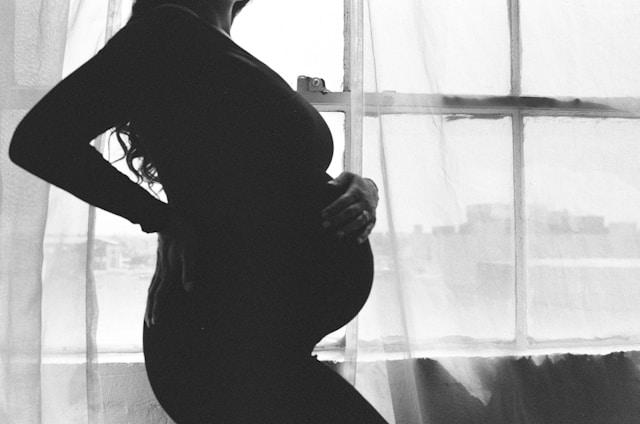
A pregnancy that is going well rarely announces itself with one unmistakable sign. Most of the time, it reveals itself through steady patterns that hold over days and weeks. People often look for certainty in symptoms, but symptoms can be inconsistent and highly personal. What matters more is whether the overall trajectory is stable: prenatal checkups stay on schedule, measurements trend in the expected direction, tests and scans do not show urgent concerns, and the pregnant person is able to maintain hydration, nutrition, rest, and daily function. In that sense, good signs of a healthy pregnancy are usually found in consistency rather than perfection.
The most dependable reassurance comes from routine prenatal care. Regular appointments allow clinicians to track the signals that are easiest to measure and most useful for early detection. Blood pressure trends, weight changes, urine screening, and later fetal heart rate and growth checks help confirm that the body is adapting and the pregnancy is progressing. When these markers remain stable across visits, it is often the strongest evidence that things are on track. Even when small issues arise, such as mild anemia or borderline test results, the fact that they are identified and managed early is itself a positive sign. A monitored pregnancy is not automatically a troubled one. It can simply mean the pregnancy is being supported with attention and timely care.
Vital signs and lab results add another layer of clarity because they reflect how the body is coping with major physiological change. Pregnancy naturally shifts blood volume, circulation, and fluid balance, which can lead to symptoms like mild swelling or occasional breathlessness as the uterus grows. What tends to separate normal adjustment from a concerning pattern is whether these changes remain mild and stable. Blood pressure that stays within a safe range for the individual, along with test results that either fall within normal limits or respond well to treatment, usually points toward healthy adaptation. Weight gain is similar. There is no single “correct” number for everyone, but clinicians look for a reasonable pace over time rather than sudden, unexplained changes. Stability and gradual progression are usually more reassuring than dramatic swings.
Many people try to interpret pregnancy health through how they feel each day, yet symptoms alone are unreliable. Nausea, fatigue, breast tenderness, food aversions, frequent urination, and mild cramping can all be normal, especially early on. At the same time, a person may have minimal symptoms and still be progressing normally. A better way to evaluate symptoms is to focus on function and trends. In many healthy pregnancies, discomfort evolves rather than intensifies relentlessly. Rest helps, even if it does not erase fatigue. Eating may be unpredictable, but hydration and basic intake remain possible. Symptoms may come in waves and then ease. When symptoms start to compromise hydration, nutrition, or daily stability, that becomes less about “normal pregnancy” and more about a treatable medical issue that deserves prompt support.
Objective growth checks often provide the clearest picture because they are designed to confirm development and detect concerns early. Early scans can confirm location and gestational age, while later ultrasounds assess anatomy and growth. In the months that follow, clinicians may use measurements such as fundal height and, when needed, additional scans to make sure growth remains appropriate. A healthy pregnancy does not always mean every number is identical to a chart average. It means the overall picture makes sense for the individual and the baby, and the care team sees no urgent warning signs. When findings are within expected ranges, or when something minor is observed and followed without escalation, that often indicates a stable situation.
As pregnancy progresses, fetal movement becomes one of the most meaningful forms of day to day feedback. The timing of when movement is first noticed differs, but once a regular pattern is established, consistency becomes the key. Each baby develops a rhythm, with predictable windows of activity that the pregnant person gradually learns. A steady pattern of movement that matches what is typical for that baby can be reassuring. On the other hand, a sudden and sustained decrease in movement after a pattern has formed should always be treated as important and reported promptly. The goal is not to compare movement to someone else’s experience, but to recognize what is normal for that baby and respond quickly if that baseline changes.
Another sign that a pregnancy is progressing well is the ability to recover and rebalance. Pregnancy can be uncomfortable, but many healthy pregnancies still include a sense that the body can reset with basic care. Sleep may be interrupted, energy may fluctuate, and emotions may feel more intense at times, yet there is still an underlying capacity to recover with rest, hydration, nourishment, and gentle movement. This is where steady routines can matter more than willpower. Regular fluids, balanced meals, prenatal vitamins as directed, and moderate activity when appropriate often support both physical resilience and mental steadiness. When daily stability improves with supportive habits and medical checks remain reassuring, it generally suggests the pregnancy is being well supported.
At the same time, it is essential to hold a firm line on symptoms that should never be brushed aside. Pregnancy involves normal discomfort, but there are warning signs that require urgent medical attention. Heavy bleeding, severe or persistent abdominal pain, fluid leaking from the vagina, fever, fainting, chest pain, severe shortness of breath, painful urination accompanied by fever, severe headache, vision changes, sudden swelling of the face or hands, or a clear decrease in fetal movement once movement has become established are reasons to seek immediate advice. Responding early is not overreacting. It is one of the most effective ways to protect both the pregnant person and the baby.
In the end, the healthiest pregnancies often look steady rather than dramatic. The best reassurance usually comes from consistent prenatal care, stable trends in vital signs and growth, manageable symptoms that do not steadily worsen, and predictable fetal movement later in pregnancy. Instead of trying to decode every sensation, it helps to focus on patterns, keep routines simple, attend appointments, and act quickly when something falls outside the expected range. Pregnancy becomes less about chasing certainty and more about supporting stable progress, one week at a time.
 WhatsApp
 Instagram
 Threads