In Singapore, the cost of owning a car can feel like a national headline because, in many ways, it is. People do not just talk about the price of a vehicle itself. They talk about the Certificate of Entitlement, or COE, because it is the gateway that determines whether a vehicle can even be registered and used on Singapore roads. For anyone new to the country or unfamiliar with its transport policies, the COE can seem confusing at first, like an extra layer of paperwork that somehow became a major financial event. Yet once you understand what it is designed to do, the COE starts to make sense as a system that treats road space and vehicle growth as scarce resources that must be managed deliberately.
At its core, the COE is a time-limited right to own and use a vehicle in Singapore. When you secure a COE and register a vehicle, that entitlement is valid for 10 years. This detail is not a minor administrative rule. It is the backbone of the entire system because it sets a predictable cycle for vehicles entering and leaving the road network. In a small, highly urbanised country where land is limited and congestion can quickly become unmanageable, Singapore uses the COE framework to regulate vehicle population growth rather than letting it expand unchecked. The result is a form of ownership that is very different from what most people expect in larger countries. In many places, buying a car is primarily about choosing a model and managing the loan. In Singapore, buying a car also means paying for a right that is intentionally limited in supply.
The mechanism that determines how much this right costs is an open bidding process. COEs are made available in a series of bidding exercises held twice a month, and before each exercise, the authorities announce how many COEs are available. This quantity is often referred to as the quota, and it varies by vehicle category. Those announcements matter because they shape expectations immediately. When the quota is smaller, buyers anticipate tighter competition. When the quota rises, people hope for relief. It is easy to see why the public pays attention, because these figures can affect affordability by tens of thousands of dollars in a short period, and for many households, the difference between one bidding exercise and another can determine whether a purchase is possible at all.
Singapore divides COEs into categories to reflect different types of vehicles. Cars are not grouped into a single pool. They are separated according to specifications that are meant to distinguish smaller, more standard vehicles from those with greater power or value. Motorcycles sit in their own category, and commercial vehicles such as goods vehicles and buses have theirs as well. There is also an Open category, which offers flexibility because it can generally be used to register different vehicle types, though in practice it is often associated with cars. This segmentation is part of how Singapore tries to make the system more orderly and targeted. It recognises that not every vehicle has the same impact on road use and demand, and it prevents a single surge of demand from completely overwhelming all vehicle types at once.
The bidding process itself can sound intimidating, but it follows a logic that is simpler than it appears. People submit bids for the COE category they need, and the number of COEs available sets the number of winners. Those who bid too low do not get a COE in that round. Those who bid high enough to fall within the winning range are successful. What many people find surprising is that the price paid by successful bidders is not necessarily the price they personally offered. Instead, the system uses a uniform clearing price, commonly referred to as the Quota Premium. In plain terms, the Quota Premium is the final price that clears the market for that category in that exercise. Even if you bid higher, you pay the Quota Premium rather than your exact bid. This approach encourages bidding that reflects what people believe the market will clear at, rather than rewarding those willing to throw out extreme bids without consequence. It also makes the result feel like a single market price for that round, which is why the Quota Premium becomes the number everyone talks about afterward.
In daily life, many buyers do not interact with the process in a dramatic way. Car dealers often submit bids on behalf of customers, especially for new car purchases. Buyers may communicate their maximum comfort level or rely on the dealer’s experience to decide how aggressive a bid should be. Once a bid is successful, a Temporary COE is issued, and the buyer then has a window of time to complete vehicle registration. The specific administrative steps matter because they shape how smoothly the purchase proceeds, and they also help explain why people sometimes rush decisions when market conditions seem favourable. If you have been watching COE prices climb and you finally win a bid, you are not just relieved. You are also conscious that you must complete registration correctly within the validity period of the Temporary COE.
The 10-year COE validity then becomes a clock that affects the rest of a vehicle’s financial story. As a COE approaches expiry, the owner must decide whether to deregister the vehicle or renew the COE to keep it on the road longer. This is where many people first encounter the concept of renewal and the Prevailing Quota Premium, or PQP. Renewal is different from bidding because it is not a live competition. Instead of entering the bidding exercise again, an owner who wishes to extend their vehicle’s life pays a renewal amount based on recent market conditions. The PQP is calculated using a moving average of COE prices from the recent past, commonly referenced as the last three months. This means the cost of renewal reflects what the market has been doing, but it does not require the owner to take part in the stress of bidding again.
Renewal also comes with choices that have long-term implications. Depending on the vehicle and eligibility rules, owners can renew for a shorter period, such as five years, or renew for another 10 years. That choice influences what happens later, including how the vehicle can be sold, whether it retains value in the resale market, and what options remain when the renewed period ends. In Singapore, a car’s value is often discussed in terms of “how much COE is left,” because remaining entitlement has real financial weight. A vehicle with a longer remaining COE tends to be priced differently from one nearing expiry, even if both are mechanically similar, because buyers are purchasing time as much as they are purchasing a machine.
If the owner decides not to renew and deregisters the vehicle before the COE expires, there may be a COE rebate. This rebate is typically prorated based on how much unused COE time remains. It is a crucial detail because it turns the timing of deregistration into a financial decision. Selling or scrapping a car in Singapore is rarely a simple matter of personal preference. It often involves careful calculation of what can be recovered from the remaining COE, along with other rebates and fees that apply under different parts of Singapore’s vehicle taxation system. This is also why car owners sometimes speak about the end of a vehicle’s life in administrative terms. They might say they are “deregistering soon” rather than simply saying they are “getting rid of the car,” because the process is tied to policy-defined outcomes and refunds.
At this point, it helps to understand that the COE does not operate alone. Singapore’s broader vehicle cost structure includes other components such as the Additional Registration Fee and schemes that provide rebates under certain conditions. One example often discussed alongside COE is the Preferential Additional Registration Fee, commonly known as PARF. People regularly mention COE rebates and PARF rebates in the same breath because both can affect how much money is returned when a vehicle is deregistered. However, they are different mechanisms with different rules. The COE rebate relates to unused entitlement time, while PARF relates to registration fees and the age of the vehicle under the relevant scheme. When people casually say they are calculating a rebate, they might be mixing these ideas. In practice, it is important to separate them, because confusing them can lead to unrealistic expectations about what you will receive at the end of ownership.
The question that naturally follows is why COE prices can swing so sharply. Part of the answer lies in supply, because COE availability depends on vehicle quota policies that are tied to vehicles leaving the system and other adjustments used to manage overall growth. When fewer vehicles are deregistered or when quotas tighten for policy reasons, fewer new COEs enter the market. Demand, meanwhile, can rise or fall based on broader economic conditions, household confidence, business needs, and even lifestyle trends. When supply is limited and demand surges, the Quota Premium rises. When demand cools or quotas expand, it can stabilise or fall. These shifts are not always gradual. They can happen quickly, which is why COE results can feel like a sudden price shock to people who have been saving with a certain target in mind.
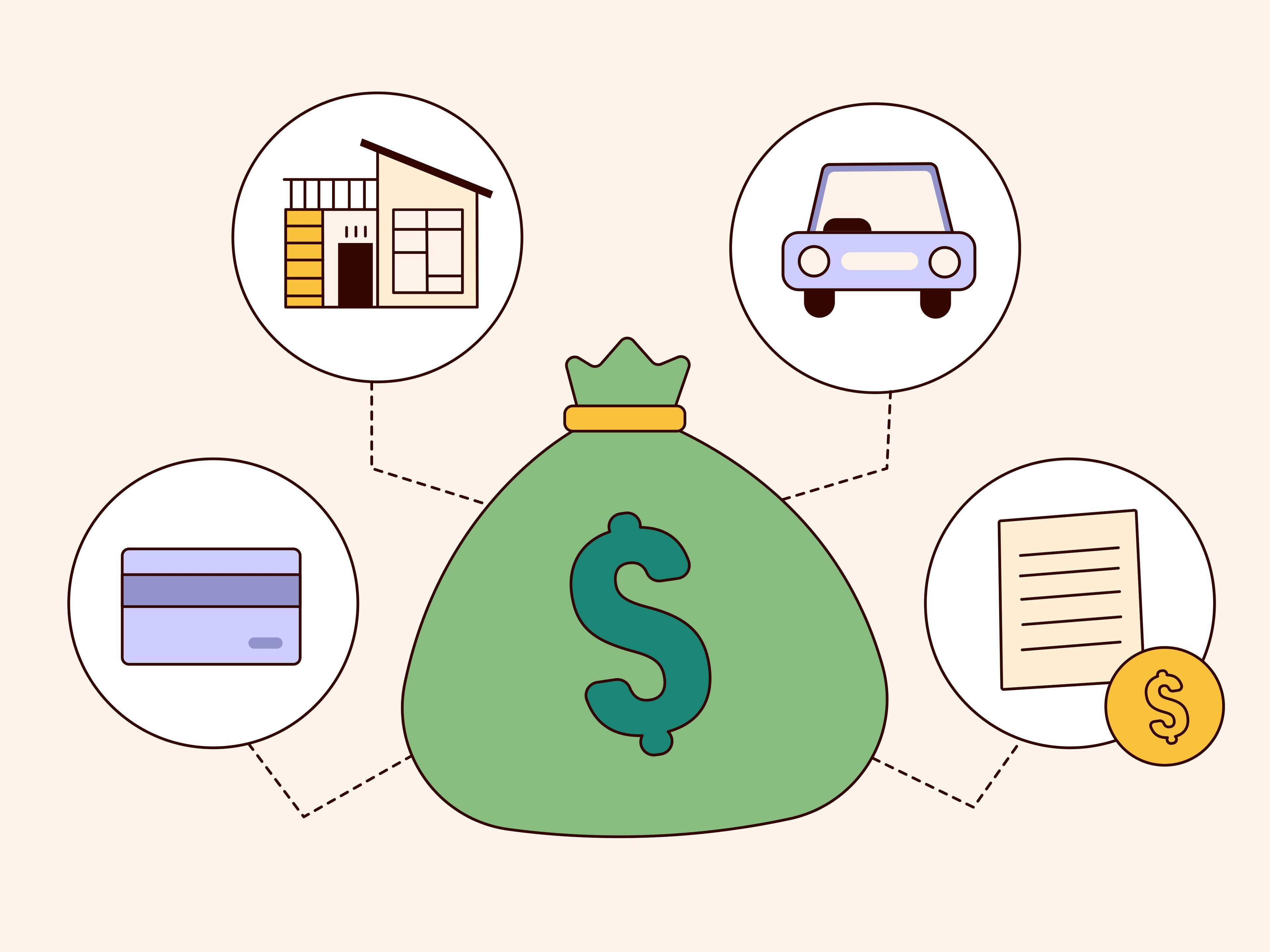
Financing rules also shape demand and behaviour. Singapore has restrictions on motor vehicle loans that limit how much buyers can borrow relative to a vehicle’s value and how long they can stretch repayments. These rules aim to discourage overextension and reduce speculative pressure. In a market where the COE can represent a large portion of the total cost, tighter financing conditions can make a significant difference. They reduce the number of people who can simply borrow their way through high premiums, which in turn affects bidding intensity. At the same time, these limits can increase the feeling of strain for households that need a vehicle for practical reasons, because the system does not adjust based on personal circumstances. It prices access according to the market and enforces financing discipline through policy.
Because the stakes are high, there is always a temptation for the market to invent workarounds. That is why regulators monitor financing practices and warn against arrangements that effectively bypass the rules. For consumers, this matters because the most stressful part of the COE system is often not the bidding itself but the pressure that follows it. If someone wins a COE at a high premium and then realises the financing terms are less flexible than expected, they may become vulnerable to deals that appear to solve the problem quickly while introducing hidden risks. Understanding the official financing framework is therefore part of understanding how COE truly works in the real world, not just on paper.
Beyond the mechanics, the COE system shapes culture and identity in subtle ways. In a city where public transport is efficient and where space is carefully planned, car ownership is not automatically the default. Choosing to own a car becomes a deliberate decision, and because the COE makes that decision expensive, it becomes visible. Some people see a car as comfort, privacy, and convenience. Others see it as a financial trade-off that is hard to justify. Either way, the COE ensures that car ownership is rarely treated as casual. It becomes something people plan for, argue about, postpone, or defend, depending on their circumstances and values.
For families, the story can be especially layered. A car may represent safety and practicality, particularly for households juggling childcare, eldercare, or complex schedules. For businesses, especially those that depend on transport, vehicles can be essential tools rather than lifestyle upgrades. The COE does not distinguish between wants and needs, which is one reason the system can feel emotionally charged. It operates as a market instrument within a policy framework, and that combination can feel both rational and unforgiving. It is rational because it uses price to regulate scarcity transparently. It is unforgiving because it does not soften based on individual hardship.
Still, the COE system is not meant to be mysterious. When you strip away the jargon, the story is straightforward. The government limits the number of vehicles through a quota. COEs are released in regular bidding exercises, and buyers compete within vehicle categories. Successful bidders pay the Quota Premium that clears the market for that round and receive the right to register a vehicle for 10 years. At the end of those 10 years, owners must either deregister the vehicle or renew the entitlement by paying the Prevailing Quota Premium, which is based on recent COE prices rather than a new bidding process. If a vehicle is deregistered early, the owner may receive a prorated rebate for unused COE time.
What makes COE feel larger than a policy document is that it is experienced as part of everyday life. It influences whether people buy new or used, whether they hold on longer, whether they time purchases around particular months, and whether they decide to give up ownership entirely. It also shapes how Singaporeans talk about mobility and aspiration. In many cities, the car is a symbol of freedom. In Singapore, the car can still mean freedom, but it is freedom filtered through a system that prices scarcity directly. That reality pushes people to think harder about what they are paying for, what they truly need, and what kind of lifestyle they want.
Ultimately, understanding how COE works is less about memorising categories and more about recognising what the system is trying to achieve. Singapore is a place where policy often shows up in personal decisions, and the COE is one of the clearest examples. It is a framework that makes vehicle ownership a privilege that must be planned for, bid for, renewed thoughtfully, and sometimes surrendered strategically. Once you see it that way, the COE becomes less of a confusing extra fee and more of a defining feature of how Singapore balances convenience, space, and the collective realities of city life.
 WhatsApp
 Instagram
 Threads





.jpg&w=3840&q=75)