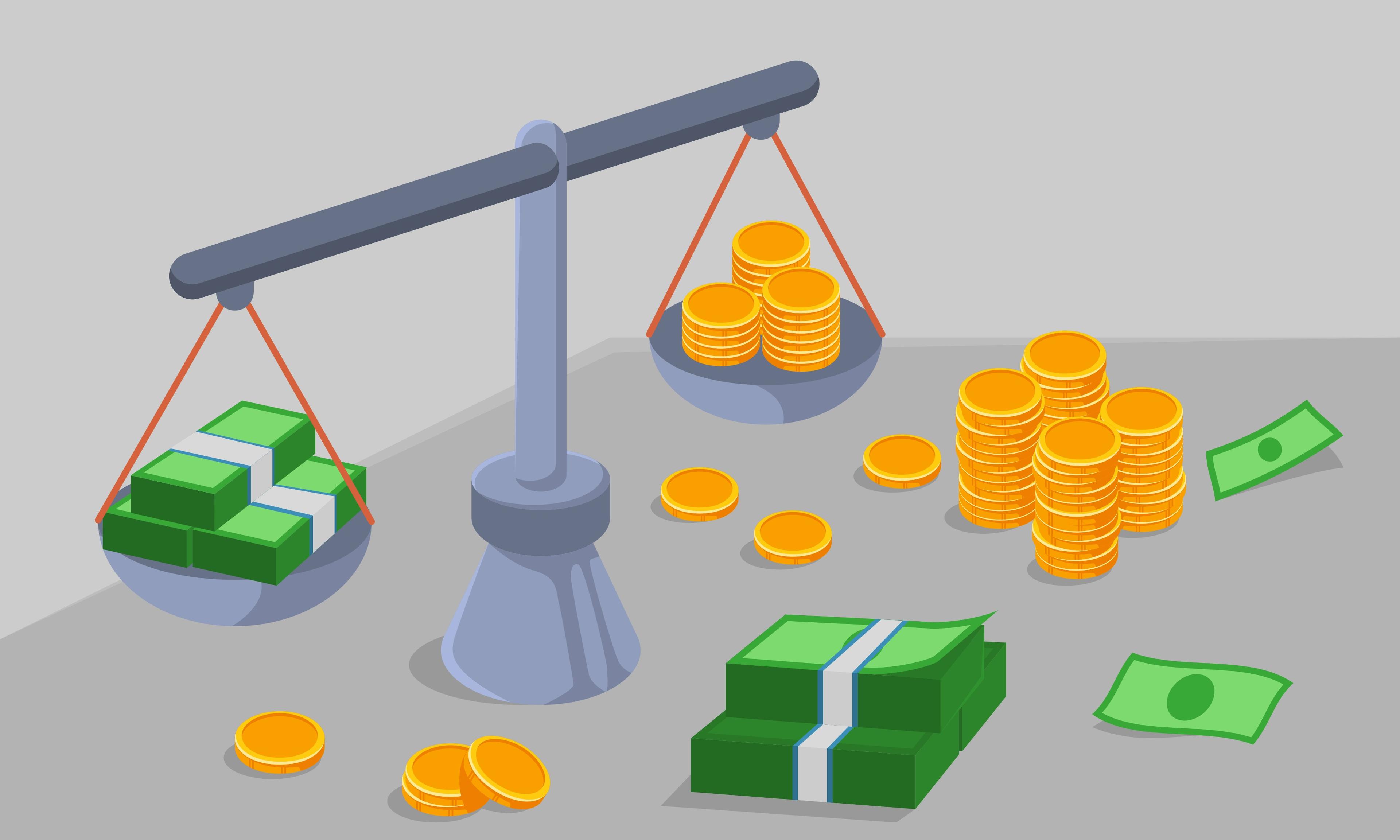
Car insurance reduces out-of-pocket expenses by turning sudden, high-cost problems into manageable and predictable payments. Many drivers think of insurance as something they buy mainly to meet legal requirements, but its real value shows up the moment something unexpected happens. An accident, a stolen part, a flood that damages your engine, or a simple fender bender can produce bills that are far larger than most people can comfortably cover in one go. In those moments, insurance acts like a financial buffer that keeps a stressful event from becoming a budget disaster.
The most direct way insurance limits out-of-pocket spending is by placing a clear ceiling on what you are expected to pay. Without insurance, you are responsible for everything, including repairs, towing, temporary transport, and sometimes medical costs. With insurance, your responsibility is typically reduced to a deductible and any expenses that fall outside your coverage limits. That difference matters because the real danger of car-related expenses is not just the size, but the unpredictability. Insurance changes the situation from an open-ended financial risk into something you can plan for, which is exactly what most households need in order to stay stable.
Deductibles play a major role in determining how much you pay when you file a claim. A lower deductible usually means a higher premium, while a higher deductible reduces monthly costs but increases what you must pay upfront after an incident. The key point is not that one option is always better than the other, but that your deductible should match what you can realistically afford at short notice. If you choose a deductible that would force you into borrowing or credit card debt, then the policy may not protect your cash flow as effectively as it should. The best deductible is one you can pay without panic, because that is when insurance truly reduces out-of-pocket strain.
Liability coverage is often the most important protection against severe out-of-pocket losses, because it covers damage you cause to other people and their property. Repairing your own vehicle can be expensive, but it is rarely as financially dangerous as being responsible for someone else’s medical treatment, lost income, or legal claims. Even a single accident can become costly if multiple vehicles are involved or if injuries occur. Liability insurance prevents these expenses from landing directly on you, up to the limits of your policy. This is why choosing only the minimum required coverage can be risky. Legal minimums are designed to meet basic compliance, not necessarily to protect you from realistic accident costs. If damages exceed your limits, you may still have to pay the difference yourself, which defeats the goal of reducing out-of-pocket exposure.
Beyond liability, collision and comprehensive coverage protect you from the expensive surprises that can come from both accidents and non-accident events. Collision coverage helps pay for damage to your car after a crash, while comprehensive coverage typically helps with issues such as theft, vandalism, storm damage, flooding, or animal-related incidents. Without these coverages, any major repair becomes your personal responsibility, and replacing a vehicle entirely can be financially overwhelming. For drivers who cannot easily pay for repairs or replacement, these coverages are one of the most practical ways insurance reduces out-of-pocket spending.
Medical-related coverage can also matter more than people expect. Car accidents can lead to medical visits that may not be fully covered by health insurance, especially when deductibles, copays, or out-of-network charges come into play. Depending on where you live and what your policy includes, coverage such as Personal Injury Protection or Medical Payments can help pay medical expenses for you and your passengers after an accident. This can lower the amount you pay upfront and reduce the stress of juggling bills while recovering from an incident. Even when you have health coverage, auto medical coverage can fill gaps and reduce the financial shock of treatment costs.
Another major source of out-of-pocket expense comes from the reality that not all drivers carry enough insurance. Uninsured and underinsured motorist coverage exists to protect you when someone else causes an accident but cannot fully pay for the damage. If you are hit by an uninsured driver and you do not have this protection, you may have to pay for repairs yourself or attempt to recover costs through legal action, which can be slow and uncertain. In that sense, this coverage is not simply an add-on. It is a direct safeguard against being forced into out-of-pocket spending because of someone else’s poor financial decisions.
Insurance can also reduce the smaller but frequent costs that appear around accidents and breakdowns. Rental reimbursement coverage can help pay for a temporary vehicle while your car is being repaired after a covered claim. Without it, you may end up paying for rentals, rideshare trips, or other transport alternatives out of pocket, and those costs add up quickly. Roadside assistance can help with towing, flat tires, lockouts, or dead batteries. These are not always massive expenses individually, but they often occur at inconvenient times and can lead to high emergency service fees. Having coverage makes these situations less financially disruptive and reduces the likelihood that you will need to spend extra just to solve a problem quickly.
The effectiveness of car insurance in lowering out-of-pocket costs also depends on how well the claims process works. A smooth insurer process that pays repair shops directly and handles documentation efficiently can reduce the chances that you must front money while waiting for reimbursement. Poor claims handling can increase out-of-pocket costs indirectly, such as by forcing you to pay for longer rental periods, miss work, or handle delays that create extra expenses. This is why the cheapest premium is not always the lowest-cost option in reality. Value includes not just price, but reliability when it matters.
Out-of-pocket costs often rise when policies have low coverage limits, large deductibles, missing protections, or exclusions that lead to denied claims. A policy that looks affordable on paper may not protect you if you use your vehicle in a way the insurer considers commercial, or if key coverages like comprehensive protection are not included. Understanding what is covered, what is excluded, and where your limits sit is essential, because insurance only reduces out-of-pocket expenses when it pays as expected during real incidents.
For drivers with financed vehicles, gap coverage can prevent another painful kind of out-of-pocket expense. If your car is totaled, the insurer typically pays the vehicle’s market value, which may be less than what you still owe on the loan. Without gap coverage, you can be left paying off a car you no longer have, which is a frustrating and costly scenario. Gap coverage exists to reduce or eliminate that difference under certain circumstances, protecting you from a leftover balance that would otherwise become your responsibility.
Ultimately, car insurance reduces out-of-pocket expenses when it is designed around real-life risks rather than just minimum compliance or the lowest monthly premium. The goal is to protect your cash flow from the most damaging scenarios by choosing the right mix of liability limits, collision and comprehensive coverage, medical protection, and safeguards against uninsured drivers, while keeping deductibles at a level you can actually afford. When those pieces are aligned, insurance does what it is meant to do. It transforms unpredictable, high-stakes costs into a controlled expense you can survive, allowing a car problem to remain an inconvenience instead of becoming a long-term financial setback.
 WhatsApp
 Instagram
 Threads

.jpg&w=3840&q=75)