Converting active income to passive income sounds like a clean upgrade, but most people misunderstand what they are actually trying to build. They imagine a life where money shows up while they do nothing, yet many so called passive income ideas are simply active work repackaged. The payments may arrive online instead of in cash, and the work may look more flexible, but the reality stays the same. If you must constantly show up, respond, promote, and chase customers, the income is still tied to your presence. True passive income starts when your effort is transformed into an asset that can keep producing value without requiring the same level of ongoing labor.
The most practical way to understand this shift is to see it as a conversion process rather than a sudden breakthrough. Active income pays you when you perform. Passive income pays you when an asset performs. That asset could be intellectual, digital, financial, or physical, but the principle does not change. The transition happens in stages. First, you begin with something you already do for money, usually a skill, a service, or a responsibility that reliably generates income. Next, you reshape it into a repeatable asset, something that can be delivered again and again without rebuilding it from scratch each time. After that, you create a distribution system so the asset can consistently reach the people who need it without you manually pushing every sale. Finally, you strengthen durability so the asset can survive market shifts, platform changes, and competition with only minimal upkeep.
The foundation of this process is a clear view of your current active income. Many people rush into new “streams” without understanding the structure of the stream they already have. Active income often comes from trading time for money, from performance based work, or from leadership compensation tied to responsibility. Each of these can convert into passive income, but not in the same way. Someone earning through time based services can often move toward productized offerings, templates, subscriptions, or training assets. Someone earning through performance may be able to build ownership in deal flow, royalties, or longer term participation. Someone earning through leadership roles can convert experience into advisory retainers, board opportunities, or capital allocation decisions that compound. The goal is not to chase whatever trend is popular. The goal is to choose a conversion path that fits what you already know, what you are trusted for, and who you already have access to.
This is why the most reliable approach is to build an asset ladder rather than betting on one big leap. At the early stages, assets are easier to build but may not pay much at first. Templates, guides, checklists, and small digital products rarely create life changing income immediately, but they teach an essential skill: packaging what you know into something that can be sold repeatedly. Once you can do that, you can climb toward more valuable assets such as courses built around a specific outcome, subscription products that solve a recurring problem, or licensing arrangements that allow your work to be used repeatedly with limited additional effort. Over time, with more capital and stronger systems, you can pursue assets that can become meaningfully passive, such as diversified investments, royalties, rental property with professional management, or ownership stakes in businesses that do not rely on you daily. Many people fail because they try to jump to the top rung without building the lower ones first.
A crucial step in this conversion is productizing your expertise before trying to automate it. Automation only works when the offer is consistent. If your work changes completely with every customer request, you are not running a product, you are doing custom consulting. Consulting can be profitable, but it will remain active until the inputs, outputs, and boundaries are standardized. Productization means you can explain the transformation clearly, deliver it through a repeatable process, and price it without endless negotiation. Once your value can be delivered consistently, you can turn the method into an asset such as a playbook, a course, or a toolkit. The strongest assets do not come from vague inspiration. They come from patterns you have repeated enough times to know what reliably works.
At the same time, it is important to build assets that do not depend entirely on your personality. Many people get stuck building income streams that require constant visibility. If sales only happen because you are always online, always posting, and always performing, then the system is fragile. This is why utility often outperforms entertainment for building durable passive income. Assets tied to persistent problems tend to last longer than those tied to short term hype. In practice, this often means focusing on topics or solutions that are not flashy but consistently needed, such as operational workflows, compliance guidance, career related outcomes, or tools that reduce daily friction. When the asset has a reason to be bought independent of your personal presence, you move closer to real passivity.
Distribution is the next major barrier. Many people create something valuable, then assume it will sell simply because it exists. But an asset without distribution is not a business, it is a file sitting quietly on a hard drive. Distribution must be treated as a system, not a burst of promotion. A system can be built through search based content, partnerships, referral loops, marketplaces, or consistent audience building tied to specific customer needs. The key is repeatability. If the only way to sell is to manually pitch every time, the income remains active. Passive income becomes possible when you create a pipeline that can keep bringing in attention and conversions with minimal intervention.
Even with distribution in place, durability determines whether income stays passive or becomes a series of emergencies. All assets decay. Search rankings change, customer preferences evolve, competition grows, and physical assets require upkeep. The difference between a passive income asset and a constant headache is whether maintenance was planned. A smart approach is to define simple maintenance rules, such as what needs to be updated, how often, and what level of performance is acceptable. When upkeep is predictable and contained, you can maintain revenue with limited effort and without letting the asset consume your schedule.
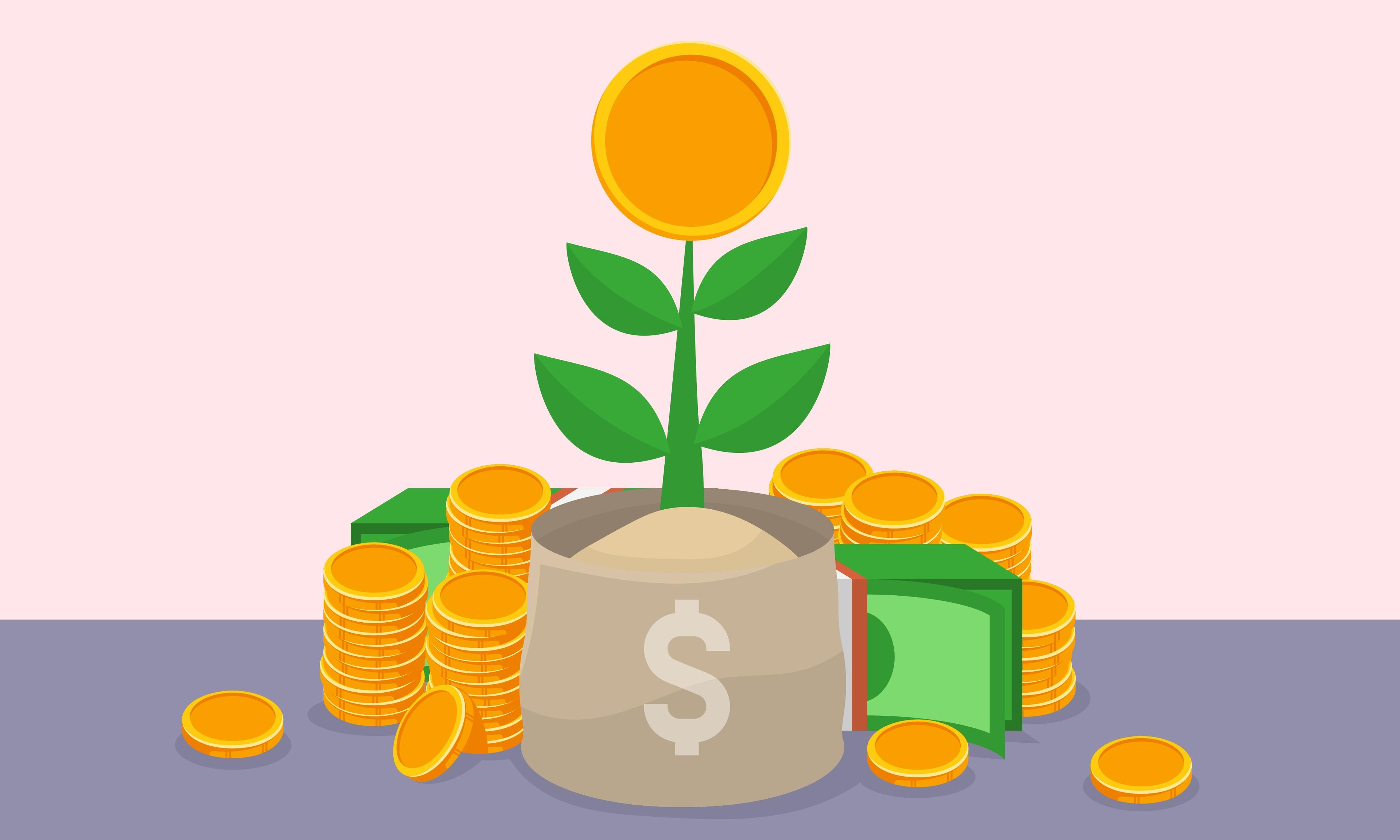
The deeper financial truth is that active income is fuel. The best strategy is to use active income to buy back time and to fund the creation of assets, then use the early returns from those assets to buy even more time and more assets. This is a flywheel that compounds. It usually begins with protecting consistent build time, even if it means temporarily reducing active workload or tightening spending. Many people fail not because they lack ideas, but because they rely on “extra time” that never appears. Conversion requires structural change, deliberate time allocation, and reinvestment.
There are also traps that often disguise themselves as passive income. One is confusing leverage with laziness. Passive income is front loaded effort with delayed payoff, and people who need immediate results often return to active work because it feels safer. Another trap is building without validation, such as creating products nobody asked for and then blaming marketing when sales are slow. A third trap is depending on a single platform, where one algorithm change can wipe out visibility. A fourth is underestimating support work, since many digital products create customer questions, onboarding issues, and refund requests. Reducing complexity, improving onboarding, and pricing properly can prevent a passive product from turning into an unpaid customer service role.
In reality, converting active income to passive income is a timeline, not a moment. First you stabilize active income and carve out consistent time to build. Then you create a small asset that proves people will pay without custom work. Next you develop a distribution channel that reliably brings buyers. After that you harden the asset through maintenance and diversification so it can survive change. Finally, you reinvest the surplus into stronger assets and ownership that requires less of your daily attention. This process is not glamorous, but it is dependable. Over time, the question shifts from how to earn more through effort to how to design assets that keep working. That shift is the real sign you have begun to convert active income into passive income in a way that lasts.
 WhatsApp
 Instagram
 Threads

.jpg&w=3840&q=75)