People are usually careful with how they talk about physical health. If your chest feels tight, you do not get told to “think positive.” If you have a persistent cough, you are not expected to hustle through it with a grin. Even if you do not visit a doctor immediately, most people understand that something physical can be real, serious, and deserving of attention. Mental health does not always get the same respect. It is often treated as optional, dramatic, or too personal to mention. The irony is that mental health is not separate from health. It is not a bonus feature you can ignore when life is busy. It is the operating system behind how you sleep, eat, focus, connect, and recover. If physical health is the body’s ability to function, mental health is the mind’s ability to cope, adapt, and stay steady under pressure. Both shape the quality of your days. Both determine what you can carry. Both can decline. Both deserve care.
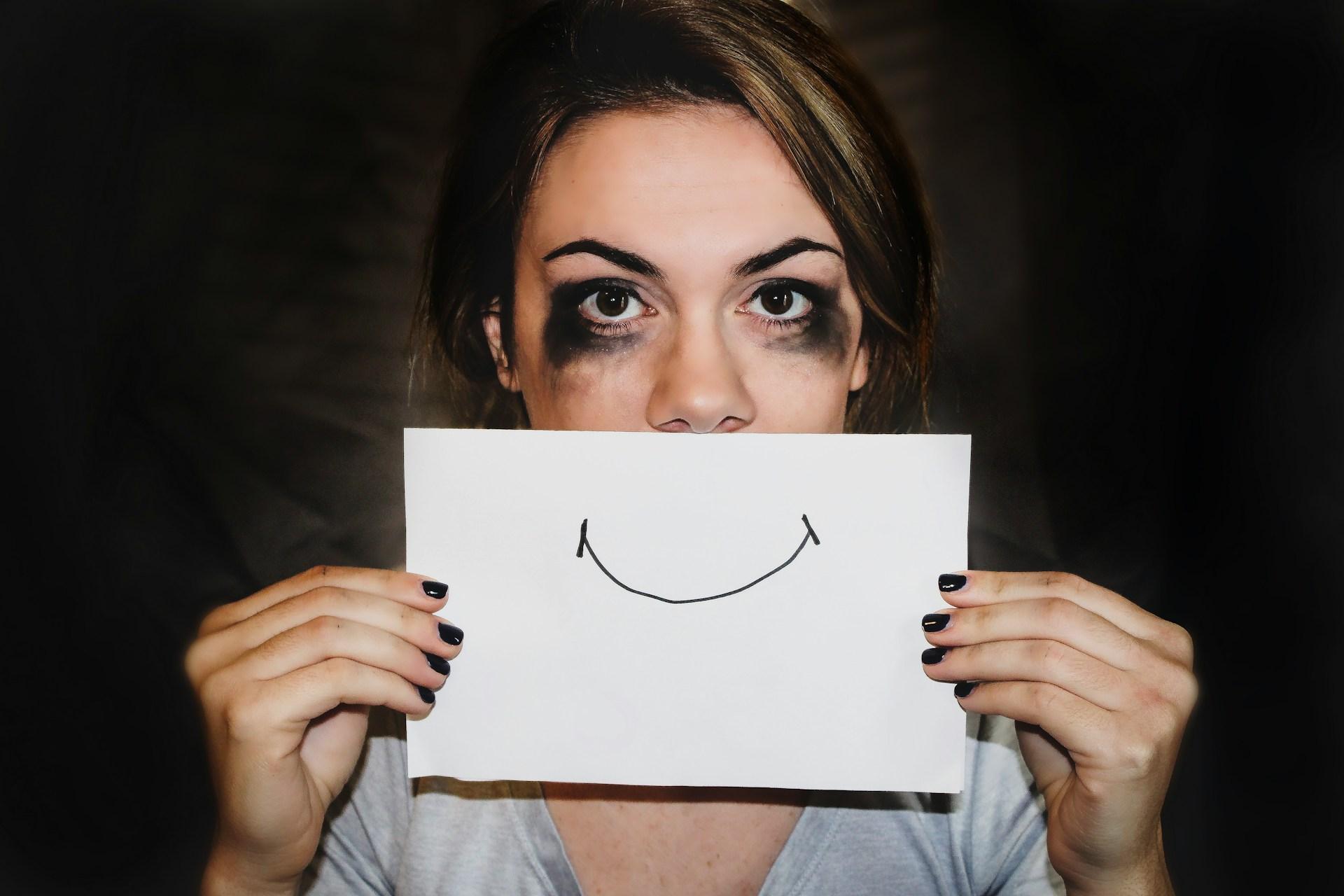
Part of the reason mental health gets dismissed is that it is harder to measure in a neat way. Physical problems often come with visible evidence. A swollen ankle, a fever, a scan result, a bruise you can point to. Mental strain can look ordinary from the outside. A person can still show up to work, reply to messages, laugh at jokes, and keep their life moving while feeling hollow, anxious, or overwhelmed. The invisibility makes it easier for others to underestimate, and easier for the person experiencing it to doubt themselves.
But the body does not treat mental stress as imaginary. Stress is not just a thought. It has fingerprints. It changes hormones. It changes sleep. It changes appetite. It can tighten your chest, clench your jaw, raise your heart rate, and keep your stomach uneasy for days. Prolonged stress can weaken immune function, worsen inflammation, and make existing health conditions harder to manage. Anxiety can mimic physical illness so convincingly that people end up in emergency rooms, certain they are having a heart problem, only to learn their nervous system has been stuck in high alert. Depression can drain energy so thoroughly that showering and eating feel like climbing a hill with no shoes. Burnout can look like laziness from afar, but inside it often feels like being mentally locked in place while life keeps demanding movement.
This is why mental health is as important as physical health. It affects the body, and the body affects it right back. A chronic physical illness can reshape someone’s mental wellbeing through fatigue, pain, uncertainty, or isolation. Recovering from surgery can bring unexpected mood swings. Living with long-term symptoms can create grief for the life you had before. Even short-term illness can make a person anxious, irritable, or emotionally fragile because vulnerability has a way of pulling fear to the surface. The relationship goes both ways, constantly. You do not have to “choose” which one matters more because they are intertwined.
It also helps to notice how quickly we change our expectations when the struggle looks physical. If a friend sprains their ankle, you expect them to slow down. You might offer to drive, bring food, or cover their tasks for a while. If a friend says they are struggling mentally, people often respond with encouragement instead of support. “You got this.” “Just stay strong.” “Try not to think about it.” The intention is kind, but it can miss the point. When mental health is slipping, what a person often needs is not a motivational speech. They need steadiness, patience, and practical help, the same way you would offer for a physical injury.
The cultural gap is partly about stigma. Physical illness has a long history of being treated as legitimate. Mental illness, in many communities, has been treated as weakness, shame, or something to hide. Even now, when mental health conversations are more common online, stigma can survive in subtler forms. People might accept therapy in theory but judge anyone who needs medication. They might share mental health posts but still avoid friends who are struggling. They might talk about “self-care” while secretly believing that real mental illness is something that happens to other people.
The pressure to appear fine makes things worse. Many people learn early that being emotionally low-maintenance is rewarded. You are praised for being “strong,” which often means being quiet about your pain. Over time, this becomes a habit. You ignore the early signs. You dismiss exhaustion. You normalize constant irritability. You convince yourself your racing thoughts are just part of your personality. You push through until you cannot, and then it feels like a sudden collapse, even though the decline has been happening for months.
Mental health issues often begin as small shifts. Sleep becomes lighter and less restorative. Concentration feels slippery. You start rereading the same paragraph without absorbing it. Your patience shortens. You lose interest in things you normally enjoy. You feel anxious for no clear reason, or you feel numb in situations that used to make you feel something. You might withdraw socially because you do not have the energy to perform normalcy. Or you might overcompensate by staying busy, overworking, and keeping your schedule packed so you never have to sit with your own mind.
These are not quirks. They are signals. The problem is that our culture does not always teach us to read them as health signals. We label them as attitude, mood, or lack of discipline. We treat them like character flaws rather than symptoms. Imagine doing that with a physical condition. Imagine telling someone with asthma to breathe harder. Imagine telling someone with a migraine to stop being sensitive to light. We would recognize the cruelty instantly. Yet we often speak about mental health with that same logic, just dressed up as tough love.
There is also a practical reason mental health deserves equal attention: it influences decision-making. When your mental state is unstable, your choices shift. Anxiety can make you overestimate danger and underestimate your ability to cope. It can push you into avoidance, procrastination, and constant reassurance-seeking. Depression can make the future feel pointless, which can lead to disengagement from work, relationships, and self-care. Chronic stress can make you reactive and impulsive, because your brain is prioritizing survival over reflection. This can affect everything from money decisions to parenting to work performance to how you handle conflict. In other words, mental health shapes behavior, and behavior shapes outcomes. That is not a vague idea. It is daily life. It is how you show up, how you communicate, and how you recover after setbacks.
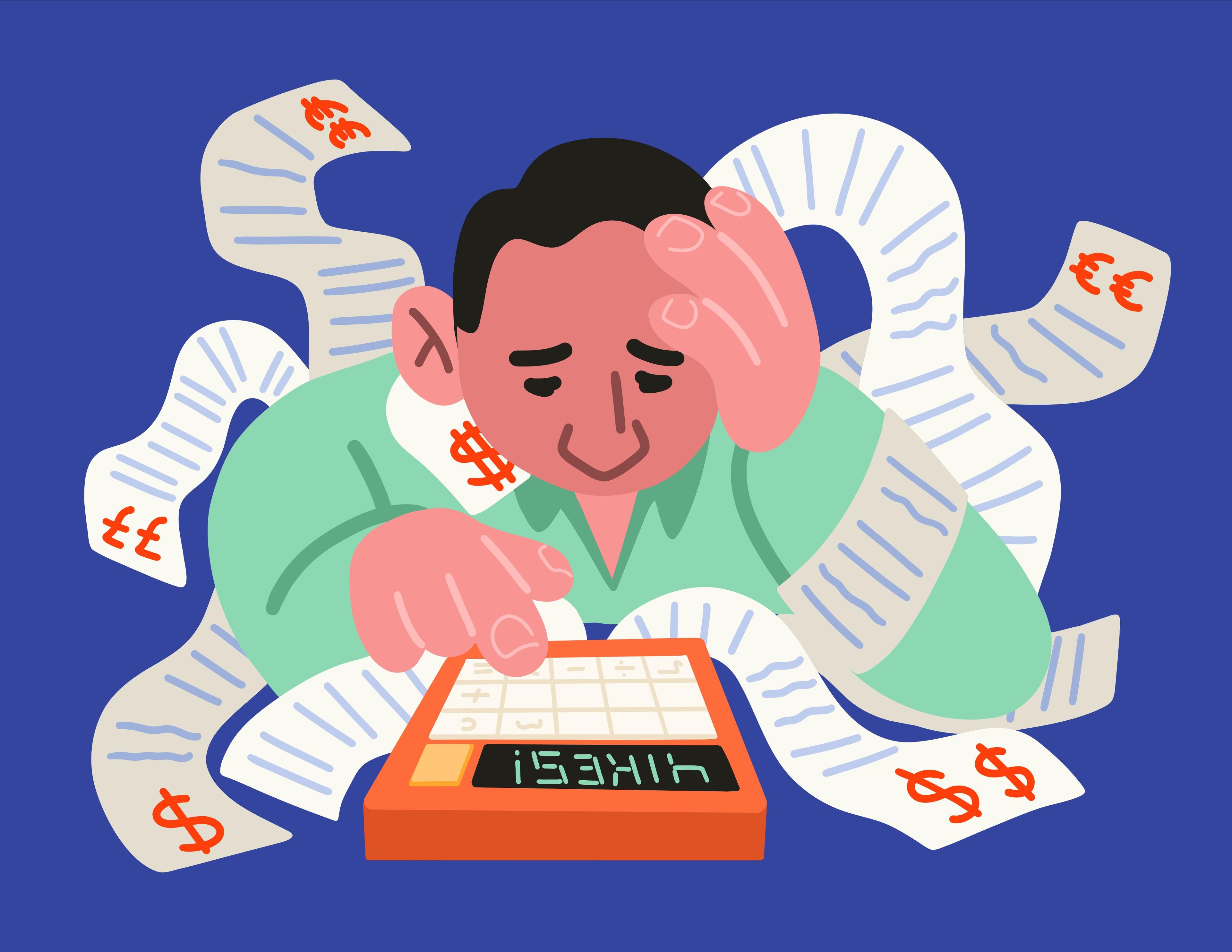
The modern world also adds fuel. The boundaries between work and rest have blurred. Many people are reachable all the time, even when they are technically off. Social media makes comparison effortless, and comparison is rarely kind to a tired mind. News cycles can keep the nervous system in a constant state of tension. Even entertainment has become infinite, which can be comforting but also overstimulating. When a brain is overloaded, it does not always need more input. Sometimes it needs quiet, safety, and time to reset. This context matters because mental health is not always just an individual issue. It can be a systems issue. Burnout is often tied to workload, lack of autonomy, unclear expectations, or workplaces that reward constant urgency. Financial stress is a major mental health burden, and it is not solved by journaling alone. Loneliness is a public health issue in many countries, and it is not fixed by telling people to be more confident. When we say mental health is important, we are also saying that environments matter. People need personal coping tools, yes, but they also need humane systems.
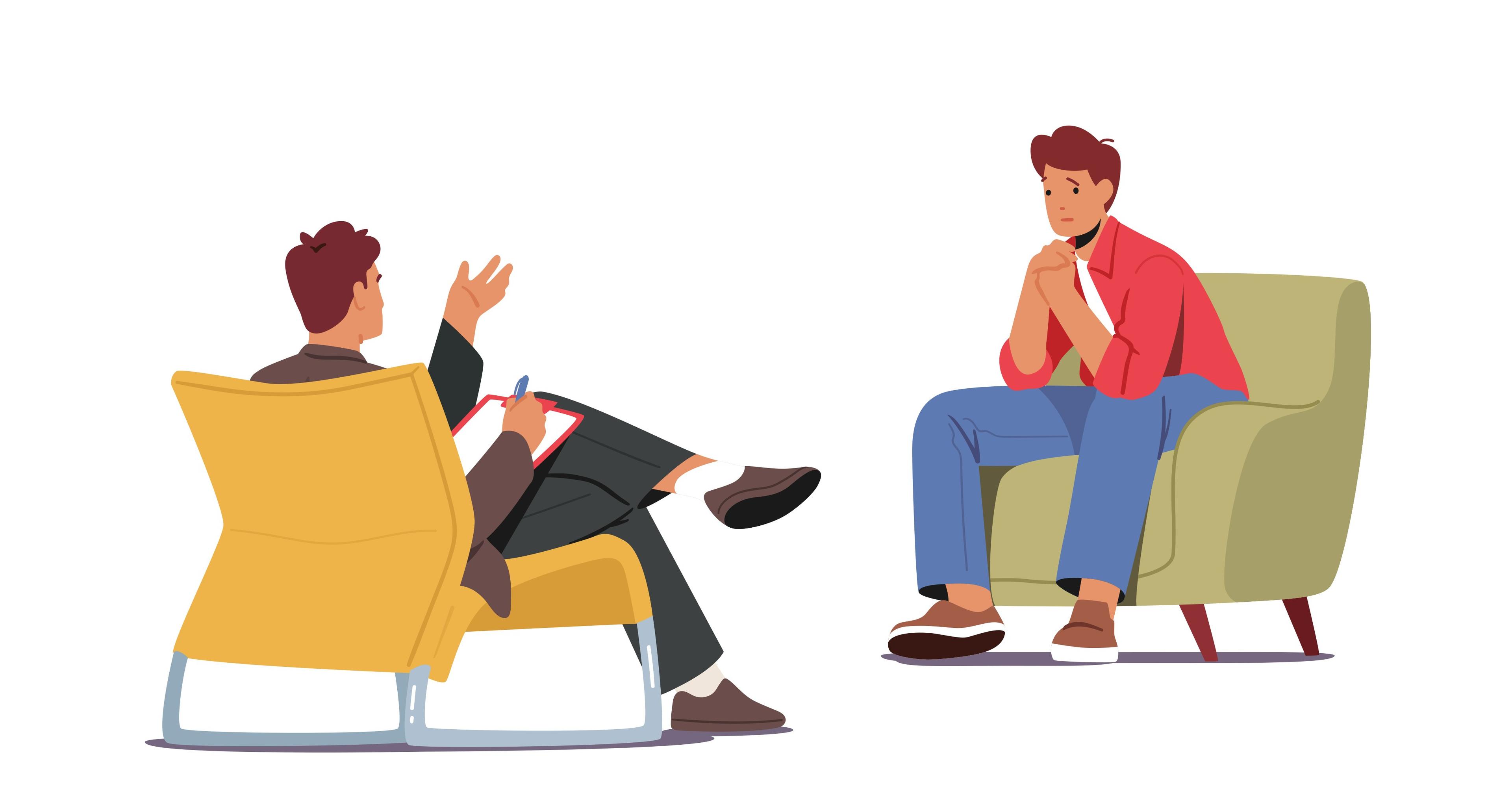
Even when care is available, access can be a barrier. Physical healthcare can be difficult too, but mental healthcare often comes with extra friction. Therapy can be expensive. Waitlists can be long. Stigma can keep people from seeking help. Some people worry about being judged by family. Some worry about being seen as unreliable at work. Others have tried to get help and felt dismissed, misunderstood, or rushed. The result is that many people delay support until they hit a crisis point. They seek help only when their functioning is already badly impacted. But mental health care is not meant to be reserved for crisis. Just as you do not wait for a heart attack to care about blood pressure, you should not wait for a breakdown to care about anxiety, depression, or chronic stress. Early support can prevent symptoms from deepening. It can improve relationships and work life. It can make daily life feel more manageable. It can restore a sense of agency that gets lost when the mind feels out of control.
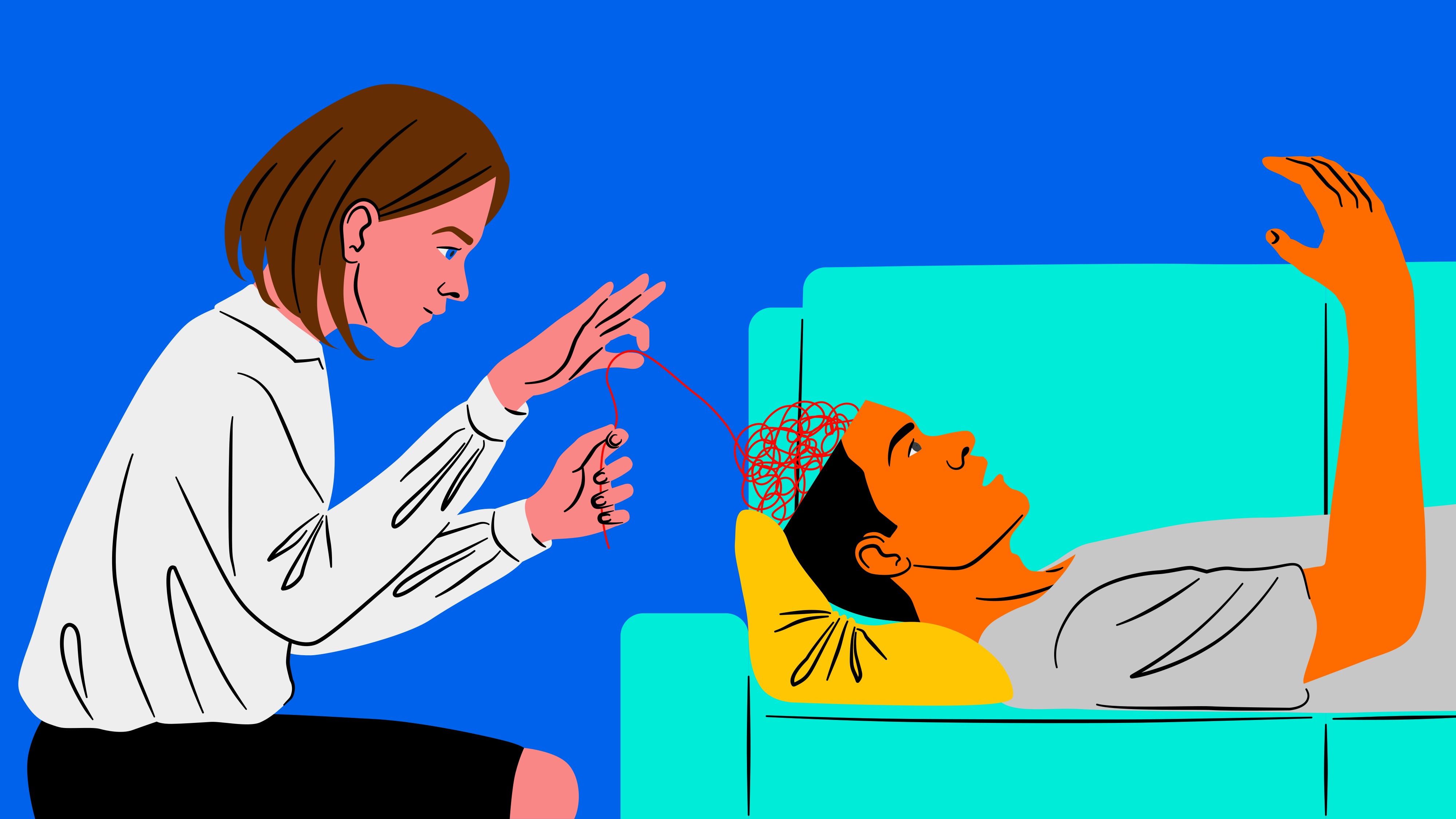
This is where the comparison to physical health is useful. Physical health care is often about maintenance, not just emergencies. You stretch to prevent injury. You eat in a way that supports energy. You rest so your body can repair. You take a day off when you are sick because forcing productivity does not heal you faster. Mental health care works the same way. You need sleep that is consistent, not just occasional. You need real breaks, not just scrolling as a substitute for rest. You need support systems that include people who make you feel safe. You need boundaries that protect your time and attention. You may need therapy, medication, or structured treatment, and those are not signs of failure. They are medical tools, like physiotherapy or insulin or antibiotics.
It is also important to separate mental health care from the trendy version of wellness. Not everything labeled “self-care” is care. Sometimes it is just consumption. Sometimes it is avoidance. Real mental health support can be unglamorous. It can be turning off notifications. It can be going to bed earlier. It can be having a hard conversation. It can be sticking to a treatment plan even when you are tired of doing the work. It can be asking for help and accepting it without feeling guilty. If mental health is ignored, the costs show up everywhere. Families feel it when conflict escalates, when patience runs out, when people emotionally shut down. Workplaces feel it when focus drops, mistakes rise, and people quietly disengage. Friendships feel it when someone withdraws, stops replying, or cannot show up as they used to. Communities feel it when loneliness grows and people have fewer places to process stress. The costs are not just emotional. They can be financial, medical, and long-term.
On the other hand, when mental health is supported, everything becomes more sustainable. People handle pressure with more clarity. They communicate more gently. They recover faster. They can set boundaries without collapsing into guilt. Their physical habits become easier to maintain because they are not driven by shame or panic. Rest becomes restorative instead of another task to optimize. Life becomes less about surviving each day and more about actually living it.
What also changes is compassion. When you truly accept that mental health is health, you stop treating suffering as something a person should simply overcome through willpower. You start noticing signals earlier, in yourself and others. You stop using phrases like “just calm down” and “snap out of it,” because you understand that the nervous system does not respond to commands. You become more interested in support than judgment. This does not mean turning every emotion into a diagnosis. Sadness is part of life. Stress is a normal response to challenge. Grief is not illness. The goal is not to medicalize being human. The goal is to take persistent distress seriously, especially when it interferes with daily functioning and wellbeing. If something is disrupting your sleep, your appetite, your relationships, your ability to focus, or your sense of safety, it deserves attention. It is not merely a mood. It is a health issue with real consequences.
At the end of the day, the simplest truth is also the most grounding. You live in one body. Your mind is not separate from it. Your thoughts, emotions, stress responses, and coping patterns are physical processes happening in real time, just like digestion and heartbeat. Treating mental health as less important than physical health is like treating breathing as less important than walking. Both matter. Both affect everything else. If we want healthier lives, we cannot build them on a foundation of untreated anxiety, unspoken depression, and normalized burnout. We have to treat mental health as ordinary care, not secret care. Not a trendy topic, not a personality label, not a weakness, but a basic part of being well. Mental health is as important as physical health because it shapes how you function, how you connect, and how you endure. It shapes your days in quiet ways, and in loud ones when things finally break. Taking it seriously is not indulgent. It is responsible. It is preventive. It is human.
 WhatsApp
 Instagram
 Threads