Improving mental health often gets framed as a dramatic turning point, a sudden decision to change everything at once. In real life, it rarely works that way. Most people do not need a brand new personality or a perfectly curated routine. They need stability. They need a calmer baseline, fewer hidden stressors, and a set of habits that still hold up on days when motivation is low. Mental health improves when you stop treating it like a crisis project and start treating it like a long-term system that keeps you steady.
A useful way to think about mental health is that it sits at the intersection of the body, the mind, and the environment. When the body is depleted, the mind becomes more reactive. When the mind is overloaded, small problems feel larger. When the environment is chaotic, even good intentions become hard to maintain. That is why the best improvements tend to come from fundamentals that are boring but powerful, because they change the conditions your brain and nervous system operate under.
One of the most important fundamentals is sleep. If your sleep is inconsistent, it becomes harder to regulate mood, harder to concentrate, and easier to feel emotionally overwhelmed. Many people try to fix mental health by starting with mindset, but sleep often determines whether mindset strategies even work. A practical starting point is to stabilize your wake time. A consistent wake time acts like an anchor for your body clock. It helps your energy settle into a more predictable rhythm, which makes it easier to sleep at night and easier to feel balanced during the day. Alongside that, the first and last hour of your day can shape your mental state more than you expect. Morning light signals your brain that the day has started, while calmer evenings help your nervous system downshift. The goal is not perfect sleep, but sleep that is steady enough to support your emotional resilience.
Once sleep is more stable, movement becomes one of the simplest ways to lift your baseline mental health. Exercise does not need to be intense to be effective. What matters most is consistency and the message it sends to your system. Regular movement reduces physical tension, improves sleep quality, and can interrupt repetitive worry loops by shifting your attention into the body. A daily walk can do more than people give it credit for, not because walking is magical, but because it is a reliable way to create a small sense of control and recovery each day. Over time, it builds confidence through action, not through forcing yourself to feel inspired.
Nutrition also plays a steadying role, especially when mental health symptoms are amplified by unstable energy levels. When people skip meals, rely on caffeine too early, or snack without structure, they often experience swings in mood and focus that feel like emotional instability. A simple improvement is to start the day, or your first meal, with something that includes protein and fiber. It does not need to be complicated. The point is to give your brain consistent fuel, so you are not running on stress hormones and caffeine. Timing caffeine after food can also help, particularly for people prone to anxiety. In the same way, hydration is a basic detail that can affect fatigue and irritability more than people realize. If your body feels unwell, your mind interprets more of life as difficult.
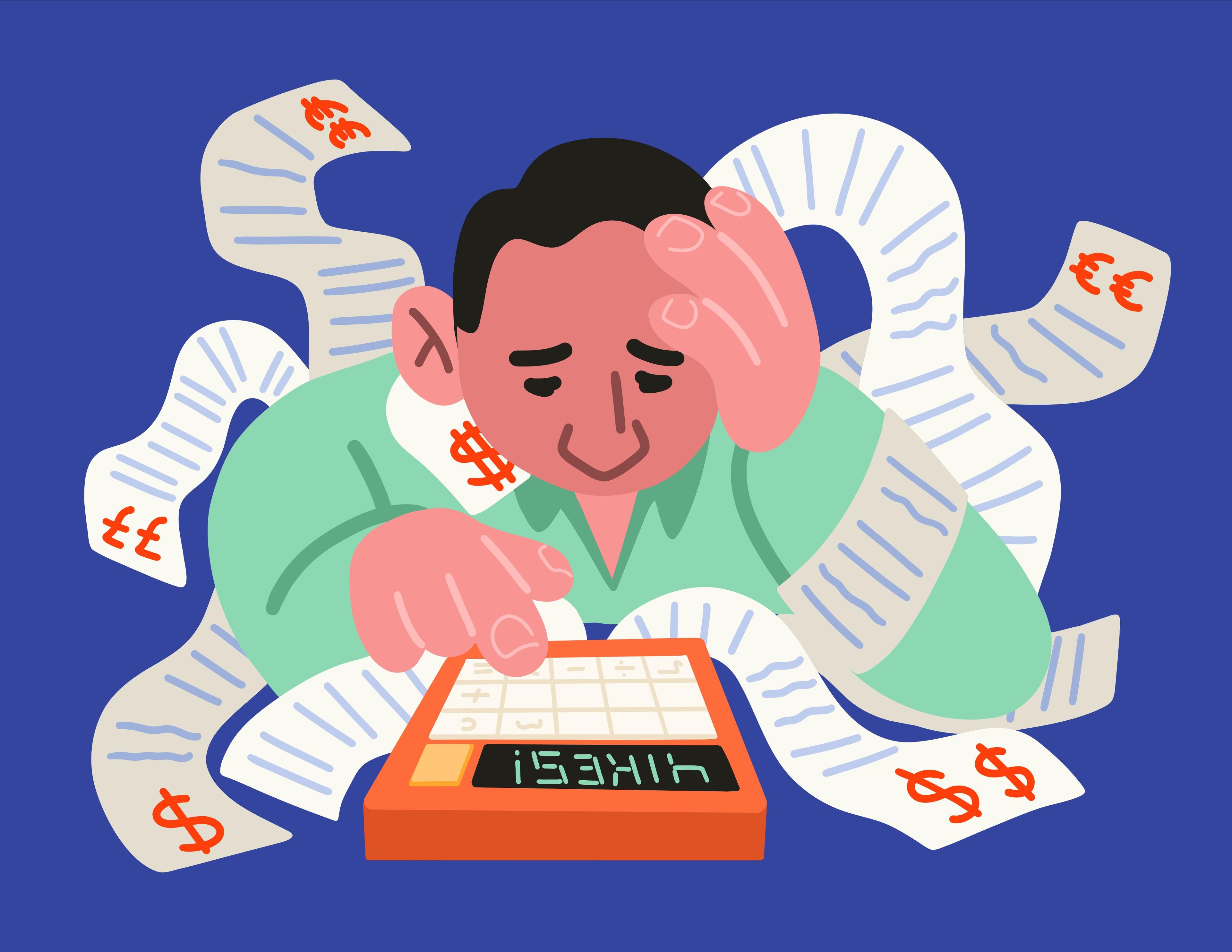
These basics matter, but mental health is not only about what you do. It is also about what you carry. Many people try to improve their mental health while keeping the same overloaded schedule, the same constant digital noise, and the same draining commitments. That is like trying to refill a bucket with a hole in it. Reducing stress load is not a luxury. It is part of the solution. Digital overload is a common culprit because it keeps attention fragmented and the nervous system slightly activated all day. Turning off non-essential notifications, reducing doom scrolling, and creating even a small daily block without screens can give the mind a chance to settle. When your brain is no longer bracing for the next interruption, it becomes easier to think clearly and respond calmly.
Relationships also shape mental health in a direct, practical way. Some connections restore you and make life feel manageable. Others create tension, uncertainty, or constant emotional labor. You do not need to label people as good or bad to notice the impact. A useful question is what you feel after spending time with someone. If you usually feel steadier and more grounded, that relationship likely supports your mental health. If you usually feel drained, anxious, or unsettled, it may be worth setting boundaries, reducing exposure, or changing the terms of contact. At the same time, improving mental health often includes increasing supportive contact. Having at least one person you can speak to honestly, without performing or pretending, can reduce isolation and help you regain perspective.
When it comes to the mind itself, the goal is not forced positivity. It is flexibility. When mental health declines, thinking becomes narrower and more repetitive. Worry spirals feel urgent. Self-criticism feels like truth. One way to loosen these patterns is to create distance from them. Even a simple habit of labeling what is happening can help, because naming a pattern makes it easier to interrupt. When you catch yourself replaying a conversation, catastrophizing, or attacking yourself, you can acknowledge it and redirect your attention to a small action that changes your state. A short walk, a shower, a simple task, or a text to someone supportive can shift the nervous system out of the same loop. The aim is not to suppress feelings but to stop feeding unhelpful patterns for hours.
Writing can also help when it is used to clarify rather than to spiral. Instead of journaling endlessly, it can be more effective to write briefly about what the problem is, what the next smallest action is, and what you can let go of for today. That approach turns emotional noise into direction. If anxiety is high, calming the body can also calm the mind. Slowing your breathing, especially lengthening the exhale, can reduce physiological arousal and help your brain stop interpreting everything as urgent.
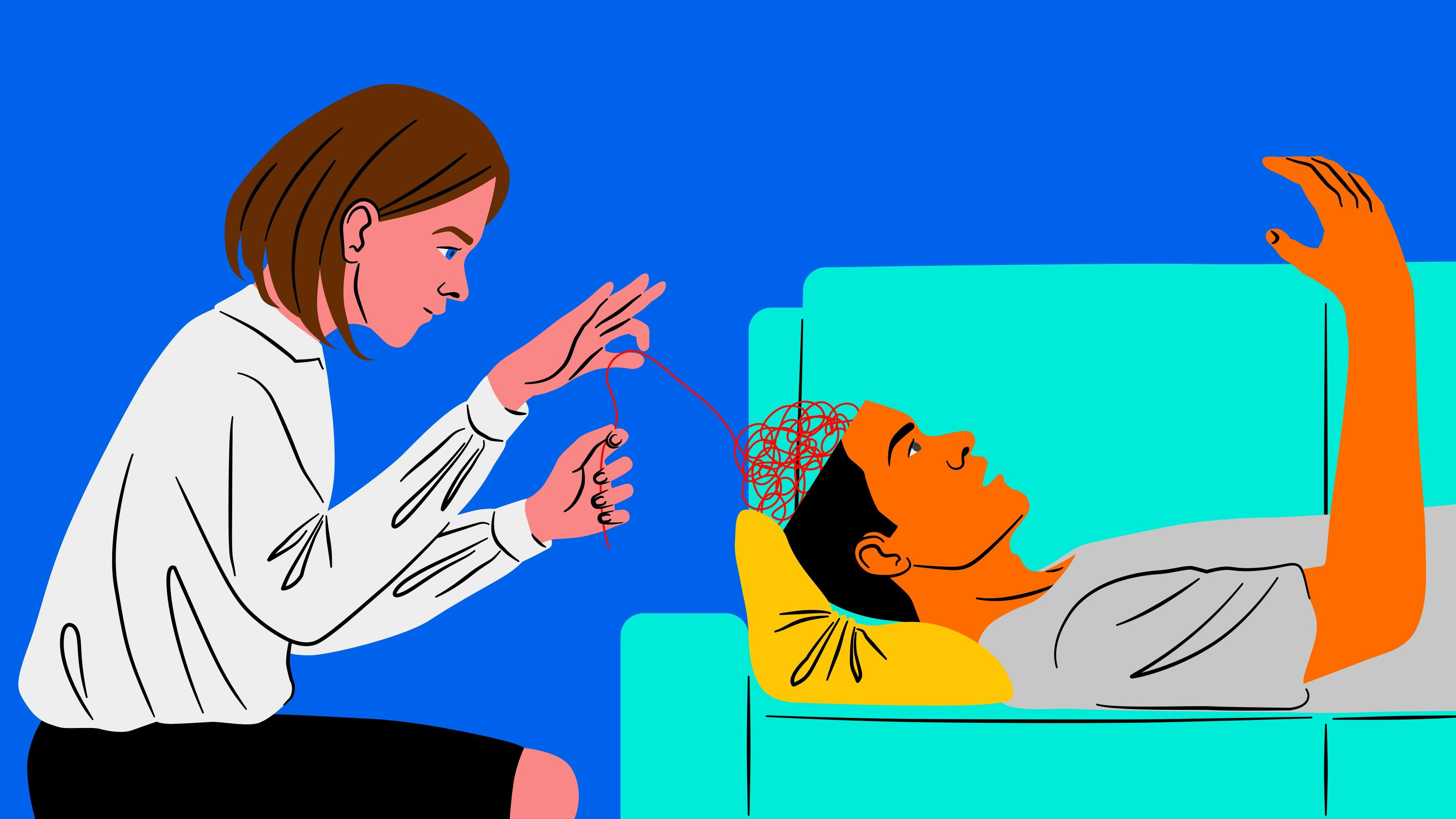
For many people, professional support becomes the turning point that makes all these efforts easier to sustain. Therapy can provide tools, insight, and structure, especially when you are dealing with patterns rooted in long-term stress, trauma, anxiety, or depression. It is not only for crisis. It is also for skill-building. Medication can also be a legitimate option for some people, and seeking help is not a sign of weakness. It is an act of taking your mental health seriously. If symptoms are severe, persistent, or escalating, professional guidance matters because it can prevent a difficult season from becoming a deeper spiral.
In the end, improving mental health is less about chasing a constant state of happiness and more about building durability. You know the system is working when you recover faster from hard days, when difficult emotions do not stick as long, and when you can still function even without perfect conditions. Mental health does not improve because you suddenly become a different person. It improves because you create a life that places fewer demands on your nervous system and gives you more ways to recover. The changes that last are usually the ones that are simple enough to repeat. Over time, that repetition becomes stability, and stability becomes the foundation for feeling better.
 WhatsApp
 Instagram
 Threads