Starting a small business in Malaysia often looks glamorous from the outside. People imagine the moment you unveil a brand name, post your first product photo, and watch customers flood in. In reality, the beginning is quieter and far more practical. It is a series of decisions that determine whether your business can operate smoothly, stay compliant, and grow without chaos. The sooner you treat those decisions as the foundation, not the afterthought, the faster you move from an idea to something that can reliably earn money.
The first step is not paperwork. The first step is clarity. A business cannot be registered into existence if it is still vague. Before you think about forms or fees, you need a simple offer that can produce a real first sale. This means knowing who you are serving, what problem you solve, and why someone would pay you instead of ignoring you. In Malaysia’s highly competitive market, a small business survives by being specific. A founder who tries to sell to everyone usually ends up selling to no one. A founder who can describe their business in one sentence is already ahead, because that sentence becomes the anchor for pricing, marketing, customer service, and operations.
Once you have an offer you can deliver, you can start building the structure that protects you. In Malaysia, many small businesses begin as a sole proprietorship or partnership because it is simple and suited to early stage testing. This approach is often ideal when you are offering services, selling small quantities, or running a business that does not carry heavy liability. It allows you to operate more quickly and keep administrative demands manageable. However, structure should never be chosen based on convenience alone. The real question is risk. If your business involves food production, products that could cause harm, handling customer data, or larger financial transactions, you need to think carefully about liability and how much separation you want between personal and business responsibilities. Some founders will eventually move toward a private limited company structure because it can support expansion, formal partnerships, or investment discussions more effectively. The timing depends on your goals, your risk exposure, and your ability to handle more structured reporting and governance.
Registration is where many founders get stuck because they treat it like an identity crisis. They obsess over the perfect name and delay everything else. Yet in practice, the name matters far less than the consistency of execution. Registering your business with Suruhanjaya Syarikat Malaysia is a step toward legitimacy, not a guarantee of success. What matters is choosing a name that is clear, easy for customers to remember, and flexible enough to grow with you. If you sell one product today but may expand tomorrow, avoid a name that traps you in a narrow identity. Once registered, do not linger in the paperwork stage. The purpose of registration is to enable the work, not replace it.
After registration, the smartest founders build financial discipline early. This starts with separating business money from personal money. Many small businesses fail quietly because the owner cannot tell whether the business is profitable or merely moving cash around. When your sales, personal spending, supplier payments, and ad costs all sit in one account, you lose visibility. Visibility is what protects you. A separate bank account, even if the business is small, creates the habit of treating the business as its own entity. It also makes your records cleaner, your tax preparation easier, and your decision making more grounded. A business becomes stressful when the numbers feel confusing. The numbers become confusing when you mix everything together.
Tax readiness is another step founders often postpone, especially in the early months when income still feels unpredictable. Yet waiting until you are “bigger” is how founders end up scrambling later. In Malaysia, once you begin earning business income, you want to be aligned with the right tax identity and filing expectations so you do not build administrative debt. Administrative debt is like financial debt, except it hides until it explodes at the worst possible moment. The goal is not to be intimidated by taxes. The goal is to be organised enough that taxes become routine. Keep records of sales, costs, receipts, and invoices from the beginning. Even a basic system that you update weekly is better than trying to reconstruct everything months later.
As your business becomes more stable, compliance begins to expand beyond registration and taxes. The moment you hire someone, the business changes. Hiring is not only a staffing decision, it is a compliance trigger. You become responsible for statutory contributions and formal employer obligations. Many founders make the mistake of thinking hiring is a casual arrangement, especially if the first hire is part time or a friend. Yet as soon as you bring someone in, you need to understand the systems that protect both the worker and the business. The strongest founders treat compliance as part of professionalism. They do not see it as a punishment. They see it as a sign that the business is real.
Another area that is increasingly relevant is invoicing and reporting expectations as Malaysia modernises its tax administration. Even if you are small today, it pays to build invoicing habits that are clean and consistent. When regulations evolve, businesses with disciplined record keeping adapt faster, while businesses that operate casually face last minute panic. The core principle does not change. Your customer data, invoices, receipts, and transaction records should be organised enough that you can respond to requirements without rebuilding your entire system. Many founders assume compliance is something they deal with only when forced. The better mindset is to build a business that is resilient to policy change, not fragile to it.
Malaysia also has an ecosystem of support for small businesses, but accessing it requires understanding how agencies define business size. A founder might casually call themselves a small business, but funding programs, training initiatives, and procurement opportunities often depend on specific definitions linked to sales turnover and number of employees. This matters because it shapes which opportunities are realistic for you and which ones are not. Knowing where you stand helps you avoid wasted applications and focus on programs that match your stage. It also gives you a clearer picture of what “growth” means for your business. Growth is not just higher revenue. Growth can also mean moving from unstable income to predictable income, from solo operations to a small team, or from manual processes to simple systems.
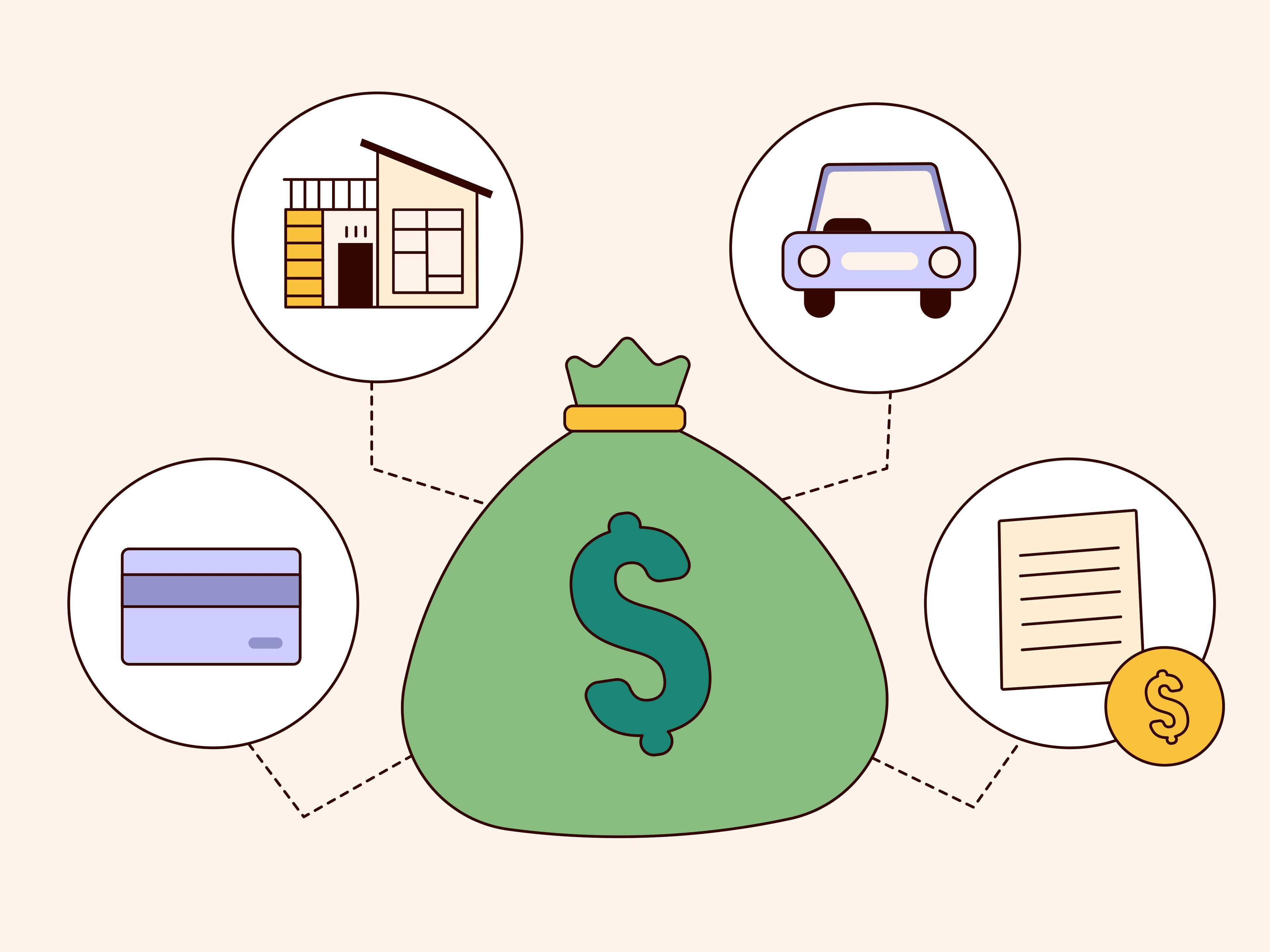
Financing is another area where founders can make early mistakes. The problem is not borrowing itself. The problem is borrowing without a clear business reason. Some founders take financing because they want to feel secure or because they believe money will automatically solve their problems. In reality, money amplifies whatever system already exists. If your offer is unclear, financing will not create demand. If your operations are messy, financing will not create discipline. The healthiest approach is to match financing to a specific bottleneck that has a direct path to revenue. This could be equipment that increases production, inventory that supports consistent sales, or tools that reduce costly errors. Borrowing becomes strategic when it unlocks a repeatable cycle of sales and delivery, not when it funds vague ambition.
Regulations and licensing are often underestimated because they vary by industry and location. Depending on what you sell and where you operate, you may need permits beyond standard registration. Food businesses, home based operations, signage, and certain retail activities can involve approvals from local authorities. This is where specificity becomes valuable again. If you are clear about your products, your operating location, and your business activity, you can check requirements more efficiently. If you remain vague, you will either ignore something important or overwhelm yourself with irrelevant information. The goal is not to fear regulation. The goal is to understand what applies to you and handle it before it becomes an emergency.
Even after you have the structure, the registration, and the basic systems, the true challenge begins in the everyday reality of running the business. This is where many founders discover that success is less about creativity and more about consistency. Customers do not reward good intentions. They reward reliable delivery. If your product quality changes week to week, your business becomes unstable. If your response time is unpredictable, your sales pipeline suffers. If your pricing does not cover your costs, growth becomes a trap instead of a win. A small business in Malaysia can absolutely thrive, but it thrives because the founder treats it like a real operation, not a casual experiment.
The first year is especially important because it sets the tone for how you handle pressure. Many founders spend that year chasing perfection. They keep changing packaging, rewriting bios, redesigning logos, and refreshing menus, hoping that aesthetics will fix a deeper problem. The deeper problem is usually one of three things: the offer is not compelling enough, the distribution is weak, or the operations cannot handle demand. An offer becomes compelling when it solves a real customer problem clearly. Distribution becomes stronger when you choose channels that match your audience and show up consistently. Operations become stable when you document simple processes and deliver the same standard repeatedly.
This is why the best early strategy is to build proof rather than polish. Proof looks like repeat customers, steady monthly sales, predictable costs, and a routine that you can sustain without burning out. Proof looks like knowing your profit margin and understanding which products or services create real value. Proof looks like a business that can survive an ordinary month, not just a viral week. When you can handle ordinary months, you have the foundation for long term growth.
Starting a small business in Malaysia is not one big leap. It is a series of small decisions made in the right order. It begins with a clear offer and a real first sale. It moves into choosing the right structure for your stage and risk level. It becomes stronger when you register properly, separate your finances, and treat tax readiness as a habit. It becomes more resilient when you understand hiring obligations and build record keeping discipline early. It becomes more scalable when you match financing to real bottlenecks and learn the licensing expectations that apply to your industry. Most importantly, it becomes sustainable when you focus on consistency rather than perfection.
A small business does not need to look big to be successful. It needs to run well. It needs to deliver on its promises. It needs to keep clean records, pay attention to compliance triggers, and build trust with customers one transaction at a time. When founders treat the process with seriousness and sequence, the business becomes less stressful and more stable. The goal is not to build a business that feels impressive on day one. The goal is to build a business that is still standing, still profitable, and still growing years from now.
 WhatsApp
 Instagram
 Threads

.jpg&w=3840&q=75)