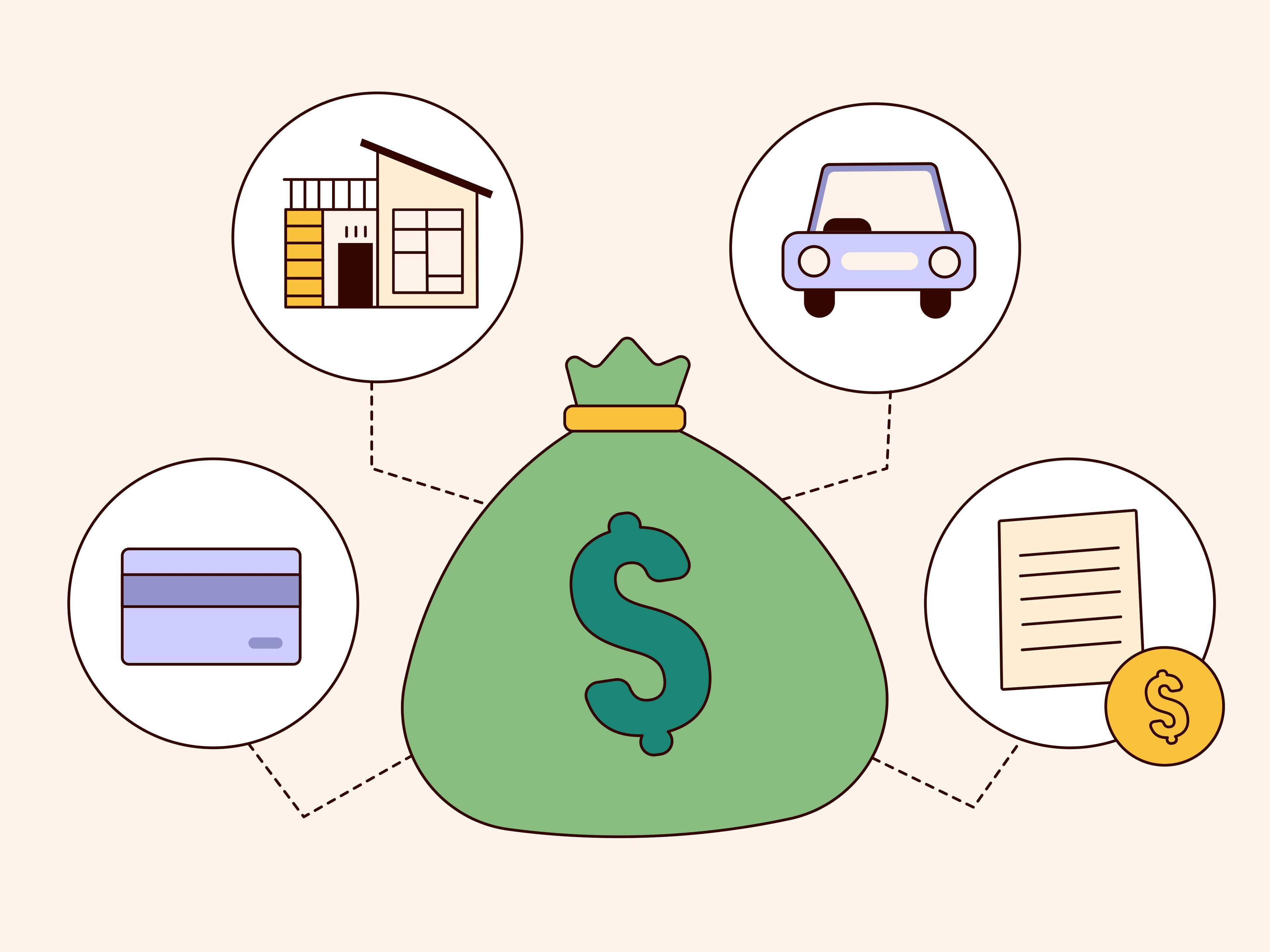
Working longer is often described as a simple choice between more time at work and more time at rest. In reality, it is one of the most powerful financial levers available because it reshapes the entire structure of retirement. Extending your working years does not merely add a few extra paychecks. It changes how much you can accumulate, how long your savings must last, and how large your retirement benefits can be when you finally decide to step away. When those forces combine, the impact on long term financial security is larger than most people expect.
At the most basic level, retirement is a math problem with two sides. On one side is the money you build through earnings, saving, and investment growth. On the other side is the money you spend after you stop working. The earlier you retire, the longer the spending side stretches. The longer you work, the more time you have to grow the building side, while also shortening the time you need that money to support you. This is why working longer can feel like a double win. You are increasing supply and reducing demand at the same time, and that combination improves your odds of staying financially stable for the rest of your life.
The first and most visible advantage of working longer is continued income. Income is not just a number that funds your current lifestyle. It is the fuel that drives everything else. It supports ongoing contributions to retirement accounts, it helps you maintain emergency reserves so you are not forced to borrow or withdraw investments in a panic, and it gives you the ability to cover big expenses without permanently damaging your long term plan. Many people underestimate how much their future financial security depends on avoiding early withdrawals. Pulling money out of a retirement portfolio too soon tends to create a chain reaction: the balance shrinks, future growth shrinks, and the plan becomes more sensitive to every market dip and unexpected expense. Working longer reduces the need for those withdrawals and gives your savings a better chance to compound intact.
Compounding itself is another reason this decision matters so much. Retirement wealth is not built only through contributions. It is built through time. When you work longer, you give your existing savings more years to grow before you begin drawing on them. Even if your contributions remain the same, the extra time can create a meaningful difference in the final outcome because investment growth tends to accelerate as balances increase. More time before retirement also provides more opportunities to recover from market declines. A portfolio that experiences a downturn while you are still working has a chance to rebound without the pressure of withdrawals. A portfolio that experiences the same downturn right after you retire can be forced into damage control, selling assets at poor prices simply to fund living expenses.
This brings up one of the most overlooked risks in retirement planning: the danger of bad timing in the early years of retirement. Many people assume that average returns will carry them through, but the sequence of returns can matter more than the average. If markets fall early in retirement and you are withdrawing money at the same time, you can lock in losses and reduce the portfolio’s ability to bounce back. The result is a plan that becomes weaker precisely when you need it to be strong. Working longer can reduce this risk by delaying the point at which withdrawals begin. It gives you the option to ride out volatility while still relying on earned income rather than selling investments to pay bills. It also shortens the total number of years you must rely on withdrawals, which makes the entire retirement period less vulnerable to poor early market performance.
Working longer can also increase retirement benefits in ways that are embedded in many public and employer based systems. While the details vary by country and plan, the general principle is consistent: retirement benefits are often tied to how long you work and how much you earn. In many systems, delaying the start of benefits increases the monthly payment. The logic is straightforward. If you claim later, the benefit is expected to be paid out over fewer years, and the system often rewards that delay with a higher monthly amount. A larger guaranteed monthly payment matters because it can reduce the portion of your lifestyle that must be funded by investment withdrawals. It can also provide psychological stability. When more of your income comes from predictable sources, you are less likely to panic when markets wobble, and less likely to make emotionally driven decisions that harm your long term outcomes.
Employer benefits can also improve with more years of work. Some workplace pensions use a formula that depends on years of service and salary history. In those cases, working longer can increase benefits through multiple channels at once. It adds service years, it may include higher earning years later in your career, and it can potentially improve the reference years used to calculate payouts. Even in plans without traditional pensions, additional working years can increase matching contributions, strengthen eligibility for certain benefits, and allow you to accumulate more savings in tax advantaged accounts. The value is not only in the extra money. It is also in improving the quality and reliability of the income you can count on later.
Inflation is another reason the length of your working life affects your retirement security. Inflation does not need to be dramatic to be destructive. Even moderate price increases over time reduce what your savings can buy. The longer you are retired, the more years inflation has to do its work. This is particularly challenging for retirees who have fixed expenses that rise over time, such as healthcare, housing, and daily living costs. Working longer helps by shortening the length of retirement you must fund and by increasing the probability that you enter retirement with a stronger base. A stronger base means you can withdraw less aggressively, leaving more assets invested to keep pace with rising costs.
Beyond the numbers, working longer can function as a form of risk management. Real life rarely follows a perfect savings plan. Many people face career disruptions, caregiving responsibilities, economic downturns, health events, or a business that takes longer than expected to become stable. If your early and mid career years were not ideal for saving, extending your working years can create a second chance. It gives you time to rebuild, to catch up, and to make strategic choices that were not possible earlier. It also reduces the pressure to achieve unrealistic investment returns. When people retire early with an underfunded plan, they often rely on optimistic assumptions about market performance. Working longer can reduce the need for those assumptions and make the plan more resilient.
There is also a behavioral benefit that deserves attention. Many financial plans fail not because of math, but because of human decisions under stress. People make mistakes when they feel trapped. They sell at the wrong time, chase risky investments, borrow excessively, or cut essential spending in ways that reduce their quality of life. Continued work can reduce that sense of fragility. It provides options. It gives you time to adapt, to make course corrections, and to enter retirement when the plan is strong rather than when you simply feel tired. That difference can have long lasting effects.
Of course, working longer is not automatically positive for everyone. The financial benefits are real, but the decision must be grounded in sustainability. If your job is physically punishing, if stress is damaging your health, or if your work environment is unbearable, then the cost of staying longer may outweigh the financial gains. The most effective approach is often not simply delaying retirement, but redesigning work so that it becomes sustainable in later life. That might mean shifting into a less demanding role, reducing hours, moving into consulting or advisory work, or building a portfolio career that blends income with flexibility. In many cases, the best retirement strategy is not an abrupt stop but a gradual transition, where you maintain some income while reducing intensity. This approach can preserve your health, keep you engaged, and still deliver many of the financial advantages of working longer.
It is also important to recognize that retirement is not only about reaching a number. It is about building a system that can withstand uncertainty. Markets will rise and fall. Expenses will change. Life will throw surprises. Working longer strengthens that system by increasing your earning window, improving benefit outcomes, reducing withdrawal pressure, and giving you more time to adapt. It increases the margin for error. That margin is what separates a retirement that feels stable from one that feels like a constant calculation.
In the end, working longer impacts long term financial security and retirement benefits because it improves the structure of your plan, not just the size of your savings. It allows you to build more while needing less time to draw down. It can increase the guaranteed income you receive from retirement systems and reduce the risks that come from withdrawing too early in volatile markets. It can make inflation easier to absorb and create flexibility when life does not go according to script. For many people, the most practical path to a stronger retirement is not a complicated investment strategy. It is the strategic use of time, extending work in a way that protects health and quality of life while strengthening the financial foundation that retirement depends on.
 WhatsApp
 Instagram
 Threads






.jpg&w=3840&q=75)