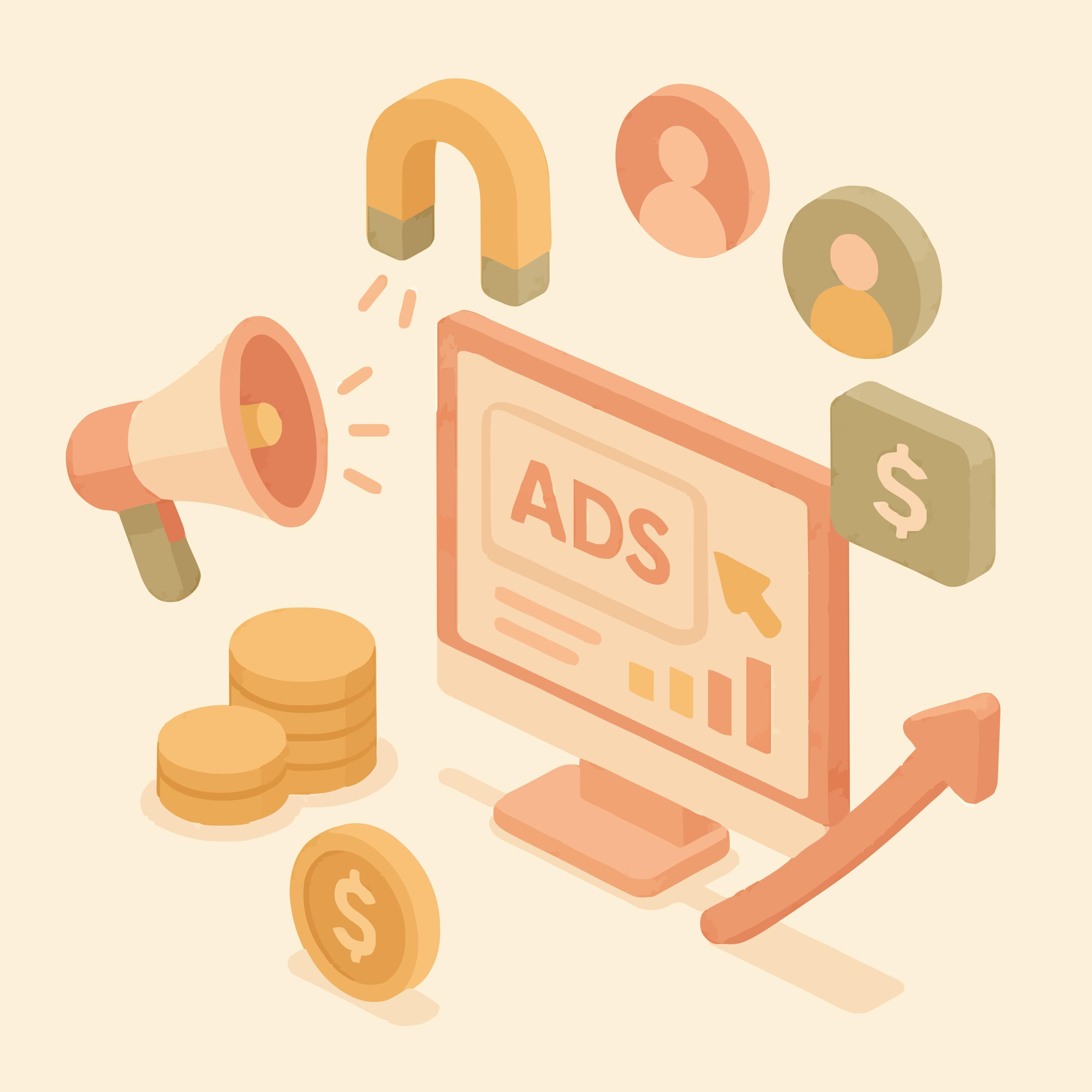
Inbound marketing is often misunderstood as a trendy synonym for blogging, SEO, or “posting consistently,” but it is better described as a growth philosophy that helps a business earn attention instead of constantly buying or chasing it. At its heart, inbound marketing is the practice of attracting potential customers by being genuinely useful at the exact moment they are trying to solve a problem. Rather than interrupting people with an aggressive pitch, inbound meets them where they already are, in search results, in professional communities, in their inbox, and on the platforms they use to learn. It builds trust gradually, then turns that trust into demand when the buyer is ready to make a decision.
This approach matters because of how modern buyers behave. Most customers do not want to be persuaded into caring. They want clarity. They want to reduce risk. They want to feel confident that the person selling to them understands their situation and will not waste their time. When someone is exploring a purchase, especially a higher-stakes one such as a business service, a B2B subscription, or a professional solution, they spend time doing quiet research. They read reviews, compare vendors, ask their peers, and search for practical explanations that help them make sense of pricing, implementation, and outcomes. Inbound marketing supports this reality. It is designed for the buyer who prefers to self-educate before engaging with a sales team.
To understand inbound marketing, it helps to compare it to outbound marketing. Outbound marketing is built on interruption. It includes cold emails, cold calls, paid ads that stop a scroll, event pitching, and promotional messages that reach people whether or not they are actively looking. Outbound can work, particularly when a startup needs fast conversations, fast feedback, and early traction. However, it is usually dependent on constant effort or constant spending. If you stop sending messages or pause your ad budget, the flow of new opportunities tends to slow down.
Inbound marketing works differently because it compounds. Instead of relying on daily chasing, inbound relies on building assets that continue to attract and educate people over time. A well-written explanation, a thoughtful case study, a clear landing page, or a practical guide can keep generating interest long after it is published. That does not mean inbound is instant, or that it replaces sales, but it often becomes one of the most cost-efficient ways to grow once momentum builds. For founders operating with lean teams and careful budgets, that compounding effect can become a stabilising force in an otherwise unpredictable growth journey.
When inbound marketing is done well, it looks and feels natural from the buyer’s perspective. Imagine someone searching for “best payroll software for SMEs” or “how to reduce employee turnover” or “how to improve logistics delivery times.” They are not looking for a brand slogan. They are looking for answers. The business that provides a clear, trustworthy answer earns attention without forcing it. That attention can then lead to a deeper relationship, such as subscribing to a newsletter, downloading a checklist, joining a webinar, requesting a demo, or speaking with a team member. Inbound does not trick people into buying. It guides them from confusion to clarity, and from clarity to action.
One reason inbound marketing confuses founders is that it can be mistaken for a single tactic, especially content marketing. Blog posts can be part of inbound, but inbound is broader than blogs and broader than SEO. Inbound includes your positioning, the way your website communicates value, the evidence you show, the questions you answer, and the experience you create from the first click to the first purchase. It can include videos, webinars, social posts, comparison pages, email nurturing, free tools, customer stories, and community participation. What connects these elements is not the format. It is the intent. Inbound marketing exists to help a specific audience solve a specific problem, and to make the next step feel obvious when the timing is right.
Because inbound marketing is rooted in buyer intent, it begins with understanding what your customers are trying to figure out right before they would pay you. This is the most practical starting point for startups. Many teams begin with broad, generic content that describes their product features, but buyers rarely search for features first. They search for outcomes and pain points. A founder may be proud of a product’s automation, dashboards, and integrations, but the buyer is thinking about a delayed shipment, an error in payroll, a costly compliance mistake, or a workflow that wastes hours every week. Inbound marketing starts with that lived reality. It identifies the problems that cause buyers to start researching, then creates helpful material that addresses those problems with depth, honesty, and specificity.
Specificity is important because inbound marketing rewards precision. Founders sometimes resist being specific because they fear narrowing their market. They want to sound like they can serve everyone, in every industry, at every company size. But a message meant for everyone often resonates with no one. Inbound works best when your target audience recognises themselves immediately in your language, examples, and priorities. When the reader feels understood, they stay longer, trust faster, and move forward with less friction.
To see inbound marketing as a system, it helps to view it as a journey. The journey begins with attraction, which is when the right people discover you through a helpful search result, a shared article, a recommendation, or a valuable post. Attraction alone is not enough, because interest without a next step is easily lost. That is why the journey continues into conversion, where a portion of those visitors take an action that signals deeper intent. Conversion does not always require a hard gate, but it does require a meaningful step, such as requesting pricing, booking a call, subscribing, downloading a guide, or exploring a product walkthrough. After conversion comes nurturing, which is the relationship-building phase. This is where trust strengthens, questions get answered, and a buyer gains confidence that they are choosing wisely. Finally, inbound continues after purchase, because delighted customers can become repeat buyers and advocates, and those advocates often become the strongest inbound channel of all.
For founders, the challenge is not understanding the theory. The challenge is execution without burnout. Many startups attempt inbound by doing everything at once, starting a blog, launching a newsletter, posting daily, running webinars, creating multiple lead magnets, building SEO pages, and experimenting on every social platform. The result is often shallow work spread across too many channels, which feels exhausting and unproductive. A more sustainable approach is to build inbound around a tight loop that focuses on relevance and repeatable learning.
This is where the foundations of inbound marketing matter. The first foundation is positioning, because inbound traffic is fragile. When someone lands on your website, they should immediately understand who you are for, what problem you solve, and why your solution is different. Many websites fail here because they use vague language that sounds impressive but communicates nothing. Words like “seamless,” “end-to-end,” and “empower” can sound polished, yet they often leave the buyer uncertain about whether this product fits their situation. Inbound does not tolerate confusion. If your positioning is unclear, visitors bounce and the entire system weakens.
The second foundation is proof. Trust is rarely built through claims alone. Proof can come from case studies, testimonials, measurable outcomes, real examples, demo clips, screenshots, or a transparent explanation of how you work. In competitive markets, proof reduces perceived risk. It reassures the buyer that you have delivered results before and that you understand the context they operate in. Even a small startup can build strong proof by documenting a few meaningful wins clearly and honestly, showing what the customer struggled with, what changed, and what results followed. Proof does not need to be flashy. It needs to be believable.
The third foundation is capture, because attention without a next step is wasted. Capture does not mean forcing every visitor into a form. It means offering a clear next action that matches the buyer’s stage of readiness. Some visitors want to compare options. Others want to understand pricing. Others want a quick checklist they can apply today. Others are ready to talk. Inbound works best when your website and content provide pathways that feel helpful rather than pushy. When the next step aligns with the visitor’s intent, conversion feels natural.
Once these foundations are in place, inbound becomes less mysterious and more mechanical. You identify high-intent questions, create strong answers, attach the right next step, and distribute that material where your audience already spends time. Over time, the system becomes a library of decision support. It reduces repetitive sales explanations, helps buyers self-qualify, and often leads to more informed conversations because prospects arrive with context.
A common question is how long inbound marketing takes. The honest answer is that inbound is a long-term asset, but it can be designed to produce early signals. There are two time horizons to keep in mind. The first is demand capture, which happens when people are already searching for a solution and you show up. This can lead to faster conversions if your content matches strong intent and if your conversion pathway is clear. The second is demand creation, which happens when people are not actively searching yet, but your insights shape their thinking over time through repeated exposure, often via social content, newsletters, webinars, and community presence. Demand creation builds preference and trust, but it tends to take longer. For most startups with limited runway, starting with demand capture is a practical approach, then layering demand creation as resources grow.
Another concern founders raise is whether inbound can work without a large team. It can, especially if the company focuses on quality over volume. Inbound is not a game of flooding the internet with generic posts. The most effective inbound content often comes from deep understanding of a niche. One clear, founder-driven piece that addresses a painful problem with real nuance can outperform a dozen shallow articles written for keywords. The secret is to treat inbound like product development. You do not build features randomly. You build what users need. Inbound should be built the same way, by responding to what the market repeatedly asks.
This is why a simple method for inbound topic selection is to listen to your own conversations. Sales calls reveal objections. Onboarding calls reveal confusion. Support tickets reveal friction. Churn reveals disappointment. These are not just operational insights. They are inbound topics. If customers keep asking the same question, your business has an opportunity to answer it publicly and permanently. Over time, this reduces workload because your content becomes a shared reference point for prospects and customers alike.
Inbound marketing also has a unique benefit that founders do not always anticipate. It forces clarity inside the business. When you try to write an honest comparison, explain a pricing structure, or describe why your approach is different, you may discover that your differentiation is not as clear as you thought. You may realise that your value proposition relies on buzzwords rather than outcomes. You may notice that you lack proof because you have not been measuring the right metrics or documenting customer results. Inbound becomes a mirror that reflects what is weak, unclear, or underdeveloped. That can feel uncomfortable, but it is valuable. The work of inbound often improves not only marketing, but product focus, customer success, and brand credibility.
It is also important to say what inbound marketing is not. It is not a replacement for sales. Inbound can deliver leads, but sales still converts those leads into revenue. Inbound can build trust, but onboarding still determines retention. If the product experience is poor, inbound can amplify disappointment faster because more people will try the product and share their experience. Inbound is leverage, not magic. It works best when it is paired with a solid offer, reliable delivery, and a clear customer journey after purchase.
When inbound starts working, it changes the emotional texture of growth. You stop feeling like every month is a scramble for attention. You begin to see prospects mention specific ideas they read on your site or heard in your webinar. Conversations become warmer because people arrive already aligned with your perspective. You spend less time convincing and more time assessing fit. Even if volume remains modest at first, the quality of engagement improves, and that is often more valuable than raw traffic numbers.
Ultimately, inbound marketing is about being findable, helpful, and trustworthy when your future customer is trying to make sense of a problem. It replaces interruption with alignment. It replaces hype with clarity. It replaces constant chasing with a system that compounds. For startups and growing businesses, that system can become a quiet advantage, especially in markets where trust and proof matter as much as price and features. Inbound marketing is not about being everywhere. It is about showing up with the right message, in the right place, at the right moment, and making the next step feel like common sense.
 WhatsApp
 Instagram
 Threads
-2.jpg&w=3840&q=75)