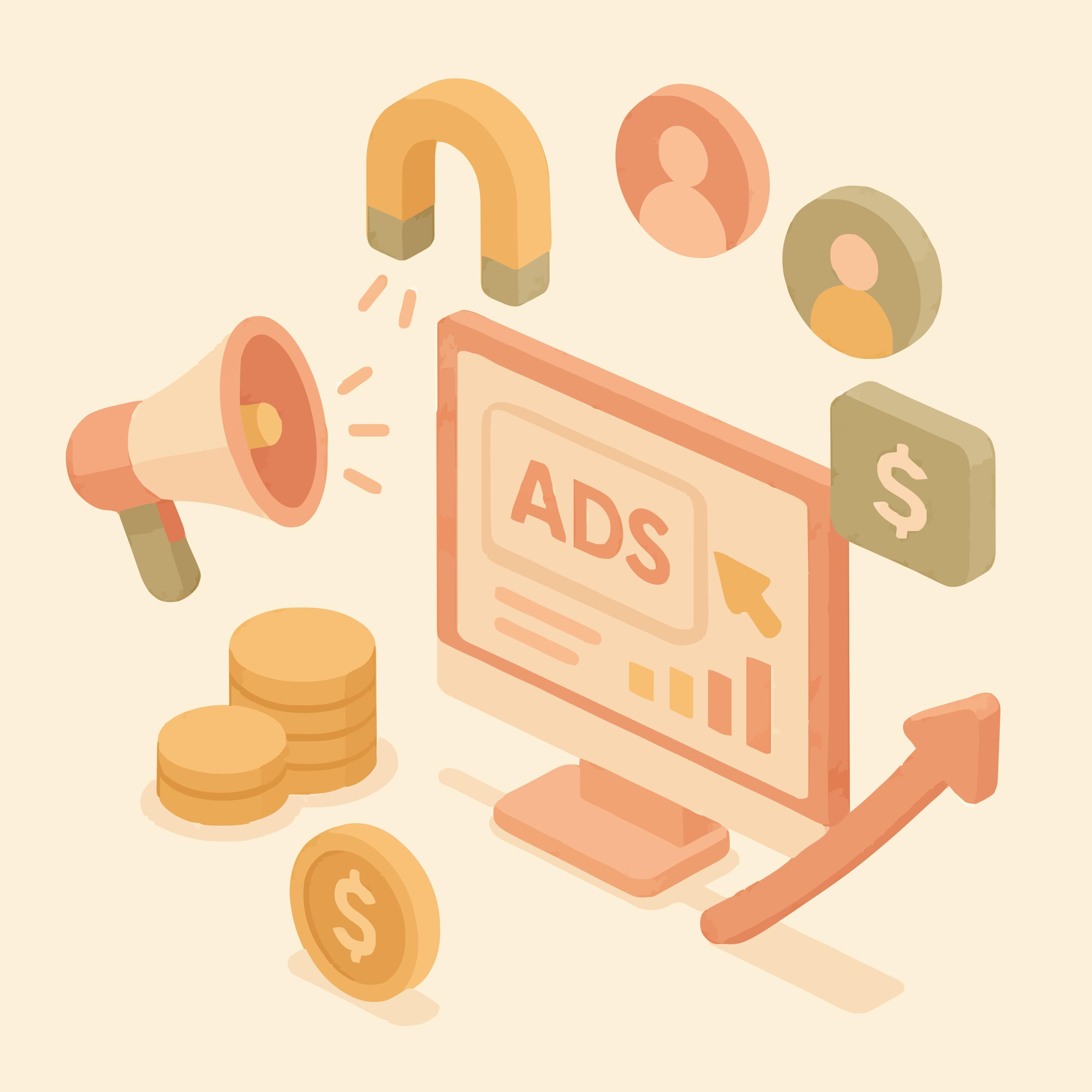
Inbound marketing helps businesses grow because it turns marketing from a constant chase for attention into a system that builds trust, attracts the right people, and keeps producing results over time. Many businesses struggle not because they lack effort, but because their growth depends on repeated spending and repeated outreach. When the budget pauses or the team gets busy, leads slow down and revenue becomes unpredictable. Inbound marketing changes that pattern by creating assets that continue to work long after they are published, making growth more stable and more efficient.
At its core, inbound marketing works by meeting customers at the moment they already feel a need. Instead of interrupting people with messages they did not ask for, inbound focuses on being discoverable when they are searching, comparing, and trying to make decisions. This matters because timing shapes perception. When a customer finds your content while actively seeking solutions, they are more open to learning and more likely to trust what they read. That trust becomes the foundation for future action, whether that action is subscribing, requesting a quote, booking a demo, or making a purchase.
One of the clearest ways inbound supports growth is by lowering the cost of acquiring customers over time. Paid advertising can generate leads quickly, but it usually behaves in a linear way. The moment spending stops, visibility fades and the flow of leads declines. Inbound content, on the other hand, can compound. A strong article, a detailed guide, a case study, or a product page that answers real questions can keep attracting new visitors through search engines, shares, and referrals. Over months, these pieces add up, creating a steady stream of traffic that does not depend entirely on daily spending.
Inbound marketing also improves lead quality because it attracts people who are already motivated and interested. Someone who reads your resources, studies your examples, and explores your website is not casually browsing. That person is usually trying to solve a specific problem. By the time they reach out, they often understand what you offer and have a clearer sense of whether it fits their needs. This pre-qualification saves time for your sales or customer service team because fewer conversations are wasted on people who are not a good match. It also helps the customer because they do not feel pressured into a decision they are unsure about.
Another reason inbound fuels growth is that it forces a business to sharpen its positioning. To create content that resonates, a business must clearly define what it does, who it serves, and why its approach is different. Vague messaging rarely performs well because it does not connect to a real pain point or a specific audience. When a business commits to inbound, it naturally becomes more disciplined about clarity. That clarity shows up in everything, from website copy and sales conversations to product features and customer onboarding. In many cases, improved positioning alone can increase conversion rates because customers can quickly understand why the business matters to them.
Inbound also strengthens the middle of the customer journey, which is where many conversions are won or lost. Growth is not only about getting attention. It is about reducing uncertainty and removing friction as customers move toward a decision. People hesitate when they do not understand how something works, when they cannot compare options confidently, or when they fear implementation will be difficult. Inbound assets can address each of these barriers. Educational content builds understanding. Comparison content helps customers evaluate choices. Proof content, such as testimonials and case studies, builds confidence. Implementation content reduces fear by showing how onboarding works and what support is available. When these pieces are designed intentionally, inbound becomes a tool for guiding customers forward rather than just attracting them at the start.
For businesses with longer buying cycles, inbound marketing becomes even more valuable because decisions often involve multiple stakeholders. In many companies, one person may discover a solution, but several people must approve it. Helpful content travels inside organizations because it can be forwarded to managers, finance teams, or decision-makers who need evidence before committing. A clear case study, an ROI explanation, or a well-written FAQ page can become the internal support a buyer needs to justify the purchase. Inbound, in this way, does not only generate interest. It equips the customer with the information they need to advocate for the decision.
Inbound marketing also benefits retention and long-term value, not just acquisition. The same approach that helps people learn and decide can help customers succeed after they buy. Onboarding guides, best practice articles, and educational email sequences can shorten the time it takes for customers to see results. When customers experience value faster, they are more likely to stay, upgrade, and recommend the business to others. This improves lifetime value, which is a powerful form of growth because it increases revenue without relying solely on new customer acquisition.
Even the brand impact of inbound contributes to growth in a meaningful way. When a business consistently provides useful information, it becomes familiar. Familiarity reduces perceived risk. Over time, customers begin to search for the brand by name, trust it more quickly, and refer it more naturally. This brand strength also reduces dependence on paid advertising because the business does not have to buy every introduction. Instead, it earns attention through relevance and credibility.
However, inbound marketing only works when it is treated as a system rather than a content treadmill. Publishing random posts without a clear purpose often leads to activity without outcomes. Strong inbound connects content to the customer journey and makes each piece serve a role in moving the customer closer to a decision or a successful experience. This requires patience and iteration because inbound assets take time to build momentum. Yet the tradeoff is worth it because the results are more durable than quick campaigns that vanish once spending stops.
Ultimately, inbound marketing helps businesses grow by turning expertise into long-term infrastructure. It captures demand when customers are already looking, builds trust through helpful guidance, improves lead quality through self-selection, and increases conversions by reducing uncertainty. Over time, it creates a compounding engine that makes growth less dependent on constant spending and constant pushing. When done well, inbound does not just generate traffic. It creates a consistent path from attention to trust to revenue, helping the business expand with greater stability and confidence.
 WhatsApp
 Instagram
 Threads
-2.jpg&w=3840&q=75)