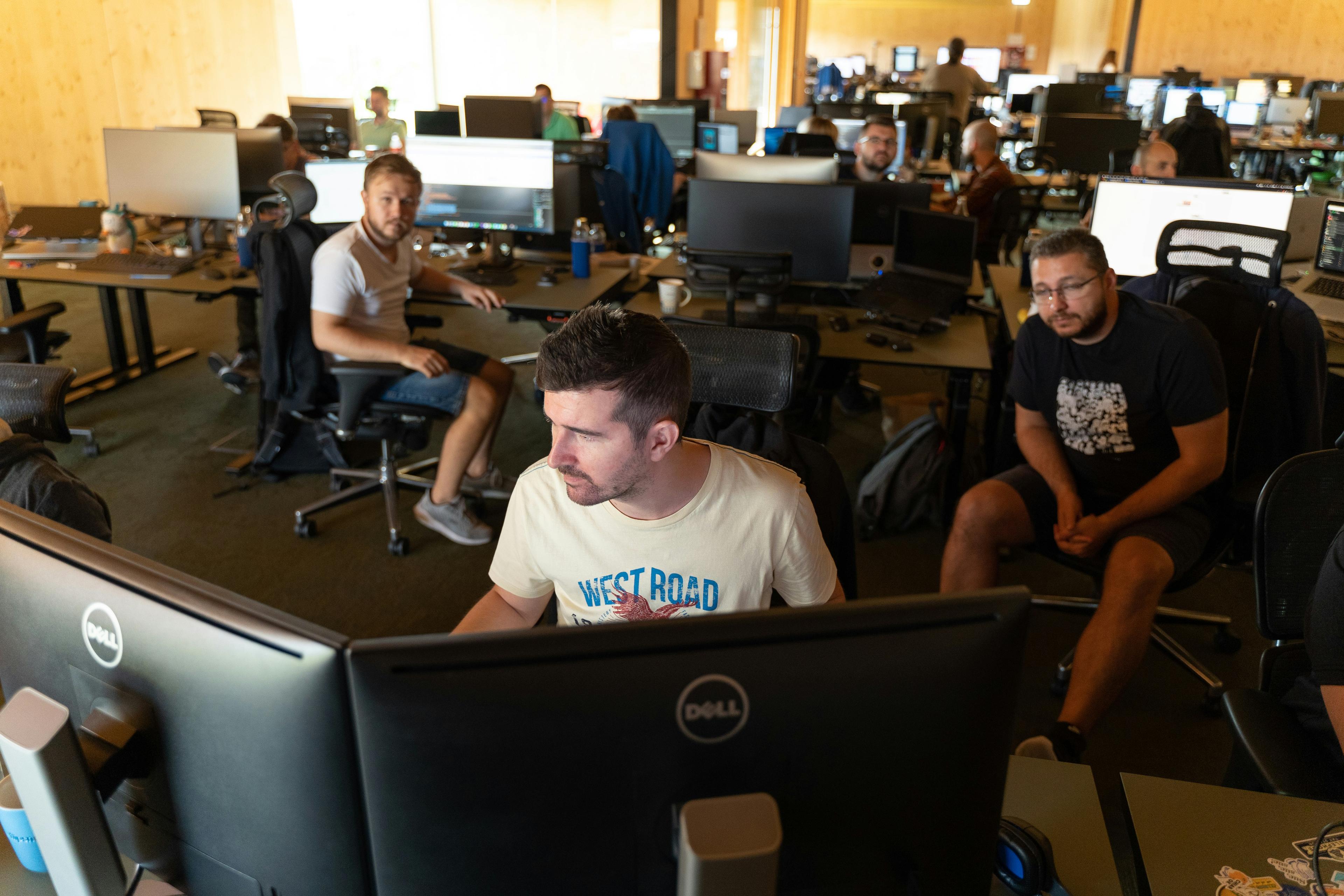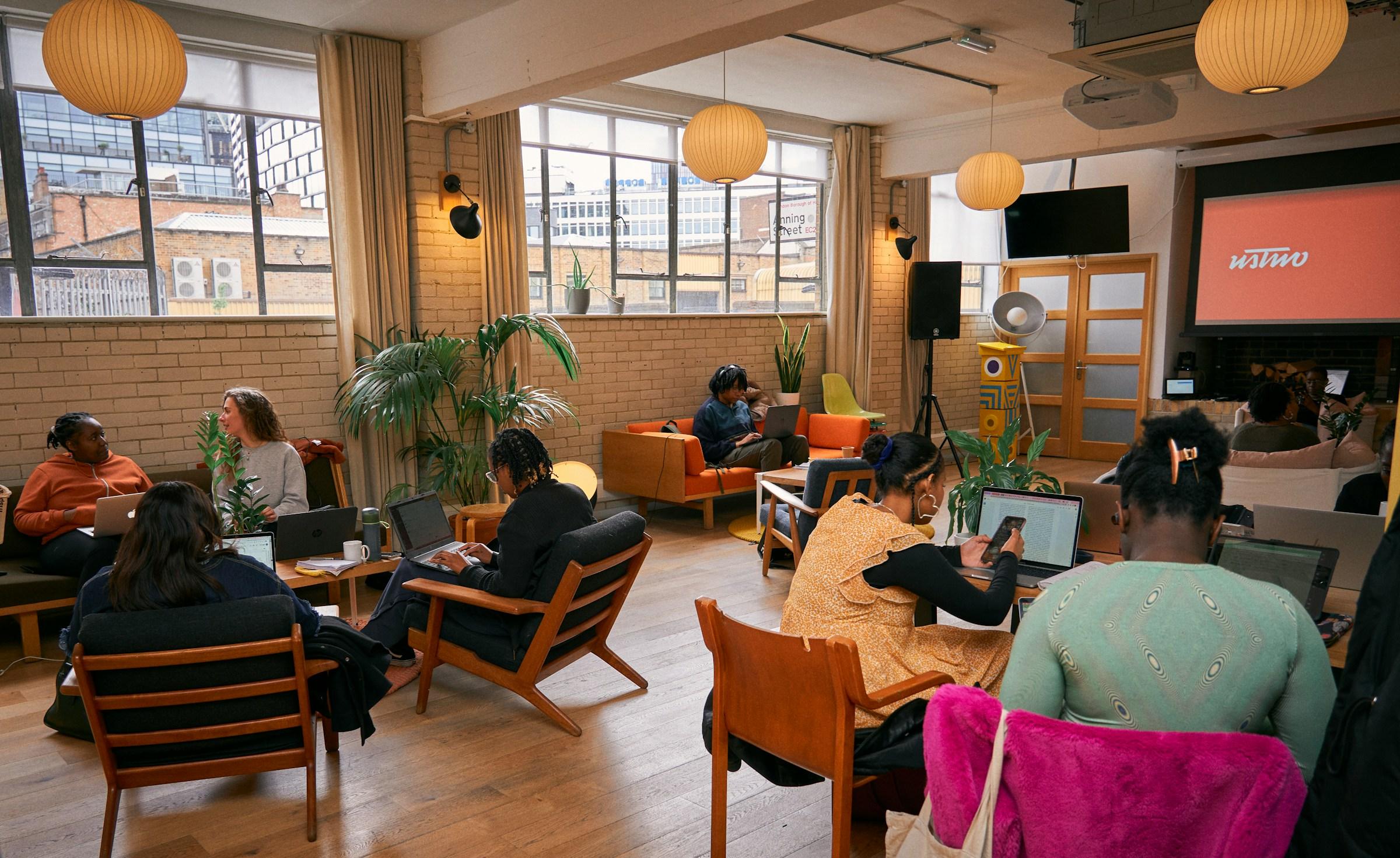
Toxic work culture in Singapore rarely looks dramatic at first glance. Offices are still full, projects still go out, and revenue may even be rising. Yet underneath the surface, many employees live with a constant sense of pressure and unease. Their phones light up at night with messages that feel compulsory. Performance reviews reward those who say yes to everything and punish anyone who questions unrealistic demands. Over time, people learn that being a committed team player means being permanently available and quietly enduring whatever comes their way.
In recent years, toxic culture has shifted from being a soft, intangible concern to a concrete risk. Regulators, tripartite partners, and mental health advocates have all highlighted the link between unhealthy workplaces and both psychological harm and productivity loss. For leaders and founders in Singapore, culture can no longer sit in the category of nice to have. It is tightly tied to risk, compliance, and long term sustainability. The real test of leadership is not what you say about culture, but what your systems actually reward and enable.
Toxic culture does not usually come from one bad actor. It grows out of patterns that reinforce each other. In many organisations, workloads are consistently pitched slightly above capacity, and this is framed as short term stretch that never really ends. Managers are judged solely on output, with little attention paid to how that output is achieved. Employees who sacrifice their evenings and weekends are praised as heroes, while those who quietly improve processes so that everyone can go home on time receive little recognition. Taken together, these signals tell your people that boundaries are optional and that wellbeing is their private problem to solve.
The structure of work plays a big role, but so does the wider context of Singapore. A familiar narrative says that high costs, regional competition, and a fast moving economy leave little room for slack. People internalise this story early. Young professionals learn that if they will not take on a demanding role or say yes to last minute work, someone else will. This mindset follows them across different companies and industries and makes excessive workloads feel almost normal.
Culturally, many workplaces still carry strong hierarchical habits. Titles and seniority matter. Employees hesitate to contradict leaders in public or to challenge decisions that feel unfair. When deep hierarchy meets heavy workload, the result is silent resentment rather than open discussion. Concerns are raised in private chats or over coffee, not in official channels where they could lead to change. This silence allows unhealthy patterns to persist and spread.
Mental health conversations are becoming more visible in Singapore, but stigma has not disappeared. Several national studies have shown work stress as a contributing factor to mental health challenges, yet many employees are still afraid that disclosing a condition or asking for adjustments will affect their career prospects. Official guidelines urge employers to protect confidentiality and provide support, but an employee’s day to day experience depends on how their managers and HR teams behave in real situations. At the same time, workplace fairness regulations and codes of practice are tightening expectations around discrimination, non retaliation, and psychological safety. What used to be an optional, moral choice is slowly becoming a formal duty of care.
Toxic culture carries real financial and operational costs, even if they do not immediately appear on a quarterly profit and loss statement. One obvious impact is attrition. High potential employees quietly leave after a few years because they believe nothing will change. Another is presenteeism. People are physically at work or logged in from home, attending meetings and replying to messages, but mentally disengaged. Errors increase as tired teams cut corners to keep up with unrealistic timelines. In some cases, safety, quality, or data protection standards are compromised because people feel they have no space to slow down and do things properly. When you add up recruitment costs, training, lost productivity, and risk exposure, the price of a toxic culture is far from abstract.
The mistake many leadership teams make is treating toxicity as a behaviour problem rather than a design problem. They focus on personalities, conduct workshops about values, and tell managers to be kinder, while leaving workload, incentives, and decision rights untouched. To really tackle toxic work culture in Singapore, organisations have to redesign both the content of work and the context in which it happens.
A natural starting point is job and workload design. If roles are vague and expectations keep shifting, people spend their days reacting instead of working with purpose. Every role needs a clear definition of what good looks like, covering both outcomes and behaviour. In fast growing teams, it is common to rely on an all hands on deck mindset. This may be reasonable during a genuine crisis or key launch, but if it becomes the permanent way of operating, burnout is not a possibility, it is an eventuality.
Leaders should look beyond a single week or month and examine workload patterns over a full quarter. If certain teams are consistently working late, that is not simply a matter of individual resilience. It is a result of decisions made higher up, such as how many projects are launched at once, how deadlines are negotiated with clients, and how much contingency is built into plans. Fixing it requires revisiting those upstream choices, not just telling people to manage their time better.
Boundaries need to be addressed directly. Hybrid work and constant connectivity have blurred the line between office hours and personal time. Without clear rules, it becomes easy for managers to treat every message as urgent and for employees to feel compelled to respond instantly. Leaders can set simple norms that make a big difference. For example, no non urgent messages after a certain hour, clear guidelines for weekend communication, and explicit expectations about response times. When these norms are modelled consistently, employees learn that protecting their rest is part of doing good work, not a sign of weakness.
Beyond workload and hours, fairness and psychological safety sit at the core of a healthy culture. People need to believe that opportunities, evaluations, and rewards are based on transparent criteria rather than personal preference or background. Singapore’s fair employment framework already pushes employers to focus on merit and job relevance instead of personal characteristics. Organisations can bring this to life by making hiring, promotion, and performance processes more objective and visible. When the rules of the game are clear, employees are more likely to accept tough decisions and less likely to attribute them to bias.
At the same time, they must have safe, reliable ways to speak up. In many workplaces, employees worry that raising concerns will be seen as disloyal, especially if the issue involves someone senior. To change that, companies need multiple channels for feedback and escalation, such as regular skip level conversations, confidential check ins with HR, and anonymous reporting mechanisms. However, the presence of channels is not enough on its own. What matters most is the quality and consistency of follow up. If people see that raised issues disappear into a black hole, trust deteriorates further.
Mental health support deserves special attention. Clear policies on confidentiality, reasonable accommodations, and non discrimination when someone discloses a condition send a strong signal that seeking help will not be punished. Training managers on how to respond when an employee opens up is equally important. A clumsy or dismissive first reaction can discourage someone from ever asking again. When leaders tie mental health protections into formal policy and everyday practice, they shift the topic from personal weakness to shared responsibility.
None of these changes will work without middle managers. For most employees, their direct manager is the real face of the organisation. Managers decide who gets which tasks, how feedback is delivered, whether leave is approved, and what counts as normal behaviour. Yet many managers in Singapore are promoted for technical competence, without being equipped for people leadership. They receive targets and reporting templates, but minimal help on how to support wellbeing.
Equipping managers requires both skill building and clear permission. On the skill side, organisations can train managers to conduct regular one to one conversations that cover not only targets but also workload and stress levels. They can learn to recognise warning signs such as sudden drops in performance, changes in mood, or withdrawal from team interactions. Managers can also be coached on how to negotiate temporary adjustments in workload or hours without undermining performance expectations in the long term.
Permission is about clarifying where managers have authority to act in support of their teams. If leaders say that welfare matters but punish managers whenever they slow work to protect a struggling employee, the message is clear. Metrics still come first. On the other hand, if managers know they will be supported when they make reasonable adjustments and escalate early, they are far more likely to intervene before issues become crises. This alignment between words and consequences is crucial if you want managers to act as culture carriers rather than pressure amplifiers.
The final piece is measurement and learning. Culture is not a one time project or a fixed asset. Teams change, economic conditions shift, and new leaders arrive with different styles. Organisations need a rhythm of listening and adjustment. This might involve regular pulse surveys, focused discussions with at risk teams, a review of exit interview themes, and tracking patterns such as absenteeism or internal transfers. The objective is to spot emerging stressors early and address them before they harden into toxic norms.
Transparency strengthens this process. When leaders share high level findings, outline what they will test in response, and report back on what has changed, employees see that speaking up makes a difference. Even small, visible improvements show that feedback is not a formality. Over time, this builds a culture where employees feel both responsible for and empowered in shaping their environment.
If an organisation tries to address toxic culture with posters, one off wellbeing campaigns, or inspirational town halls, little will change. The old design, with its incentives, workloads, and unspoken rules, will simply pull everyone back into the familiar pattern. Real change comes from asking hard questions about what the system truly values. A useful starting question for any leadership team is this: if we stopped talking about culture entirely, what would our policies, our managers’ calendars, and our people processes tell our employees about what we actually prioritise?
In Singapore’s high pressure, high performance environment, toxic work culture can feel almost inevitable, a side effect of ambition and competitiveness. That story is not true. Culture is built choice by choice, through systems and behaviours. When organisations choose to structure work more thoughtfully, enforce fairness, empower managers, and listen regularly, they can keep standards high without exhausting their people. The payoff is not just a nicer atmosphere. It is a more resilient, more sustainable organisation that does not rely on quietly burning out its talent in order to stay ahead.
 WhatsApp
 Instagram
 Threads