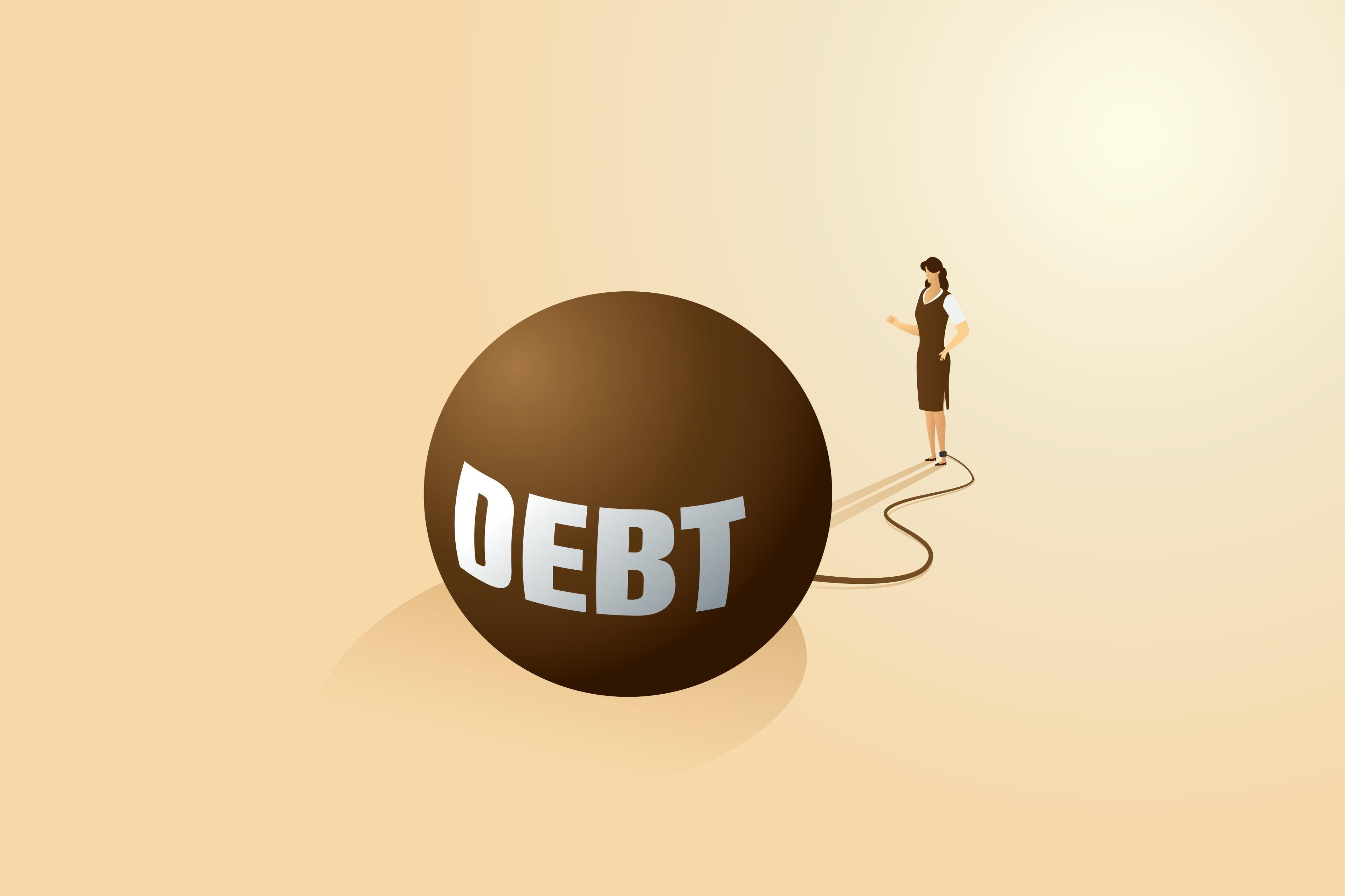
Gen Z has grown up with money living inside a screen. Paychecks arrive through apps, purchases happen in seconds, and borrowing can be approved with a few taps. That convenience is powerful, but it also creates the perfect environment for debt traps because it removes friction from spending and makes borrowing feel normal. When debt is packaged as a feature rather than a serious commitment, it becomes easier to slide into habits that quietly drain future income. This is why Gen Z should prioritize financial literacy. It is not about mastering complex investment jargon or living with extreme budgeting rules. It is about understanding how everyday financial products work so that decisions are made with clarity instead of impulse.
Financial literacy matters because debt traps rarely begin with one dramatic mistake. They usually start with small blind spots. A buy now pay later plan looks harmless because the payment is split into smaller chunks. A credit card balance feels manageable when the minimum payment is low. A cash advance seems like a quick fix when bills arrive before payday. Each choice can appear reasonable on its own, but together they build a pattern where a growing share of monthly income is already committed before it even arrives. Once that happens, people often borrow again to stay afloat, and the cycle repeats. Financial literacy is the skill that helps someone spot this cycle early, before it becomes a permanent burden.
One reason debt traps are so effective is that compounding works against borrowers as much as it works for investors. People often hear about compounding in the context of building wealth through savings, but debt compounds automatically and aggressively. Interest accumulates quickly, especially when only minimum payments are made. Fees can pile on when payments are late or when credit is used in costly ways. Without understanding these mechanics, someone can believe they are handling debt responsibly simply because they are paying something each month, even while the balance stays stubbornly high. Financial literacy changes that mindset. It teaches that minimum payments are not a plan, but a warning sign. It encourages borrowers to focus on reducing the principal faster and avoiding interest-heavy patterns that keep them trapped.
Another major issue is that modern debt products are designed to feel easy. Buy now pay later services, for example, are often marketed as flexible and friendly alternatives to traditional credit. They can be useful when someone already has the money and is simply smoothing out timing, but they become risky when they are used because the money is not actually available. The danger is not only the possibility of late fees. The bigger problem is psychological. By splitting purchases into smaller payments, these services reduce the immediate sense of cost and make it easier to overbuy. This turns spending into a series of commitments that stack, and it becomes harder to track how much of next month’s income has already been promised away. Financial literacy helps Gen Z recognize the difference between using credit strategically and using credit to cover for a lack of cash.
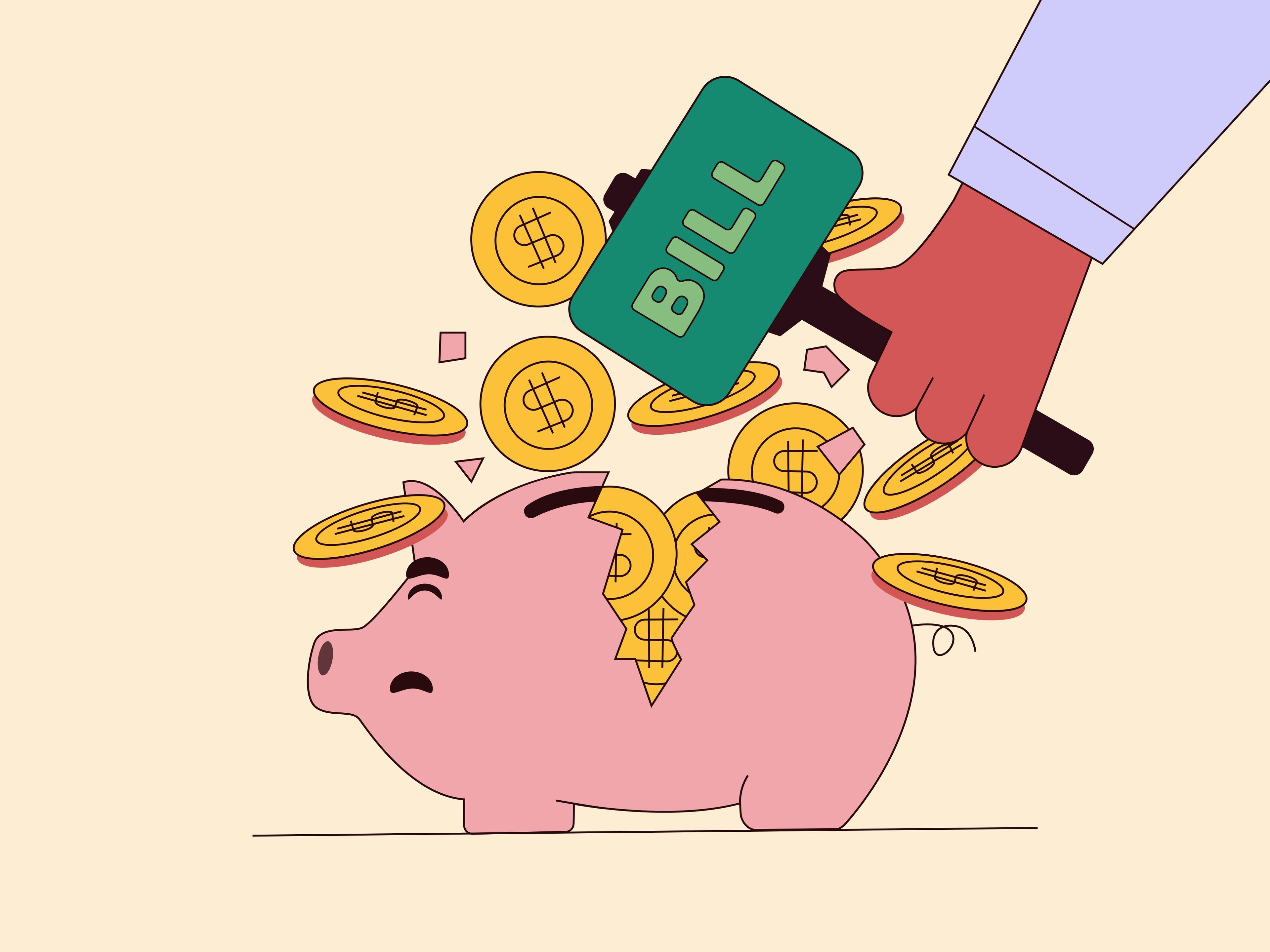
Fees play a similar role in pulling people into debt traps. Late fees, overdraft fees, cash advance fees, and other penalties often look small on paper, but they can become repetitive and damaging when someone is already living paycheck to paycheck. When a financial system is tight, one late payment can trigger a chain reaction. A late fee increases the balance. A larger balance makes the next payment harder. The next payment being harder increases the risk of another missed due date. Over time, the borrower is not only paying for what they bought, but also paying for the instability created by the debt itself. Financial literacy encourages people to ask a simple question before committing to any borrowing arrangement: what happens if I cannot pay on time? That question alone can prevent a lot of financial pain.
Social pressure adds another layer of risk. Gen Z lives in a world where lifestyles are constantly on display. Social media makes it easy to feel as if everyone is traveling, upgrading their tech, dressing well, and living freely. Even when people know that online life is curated, it still shapes what feels normal. Debt becomes tempting because it can act as a shortcut to that image of normal. The trap is not just overspending. It is overspending with borrowed money, which turns a moment of enjoyment into months of repayment. Financial literacy helps people separate image-driven spending from value-driven spending. It encourages decisions based on long-term stability rather than short-term comparison.
Financial literacy also protects Gen Z from predatory or misleading financial products. Some lenders and services depend on users not fully understanding the true cost of borrowing. They highlight low monthly payments while hiding the long repayment timeline. They advertise promotional rates while relying on fees or penalty interest when terms are missed. They promise fast solutions while encouraging borrowers to roll debt into new debt without a clear payoff path. A financially literate person is not automatically immune to marketing, but they are harder to manipulate because they know what to look for. They understand that anything promising guaranteed outcomes, easy money, or “no risk” deserves skepticism.
Beyond avoiding traps, financial literacy also preserves freedom. Debt is not only a number. It is a constraint on future choices. A person with heavy monthly payments has less flexibility to leave a toxic job, relocate for better opportunities, take a pay cut to pivot careers, or manage an emergency without panic. Financial freedom is often imagined as something reserved for the wealthy, but in reality it can be as simple as having options. Keeping fixed debt obligations low gives people room to adapt, and that room becomes more valuable when the economy is uncertain and costs are rising.
Prioritizing financial literacy does not mean refusing all debt forever. It means understanding debt well enough to use it intentionally, with clear boundaries and an endpoint. It means knowing how cash flow works, how interest accumulates, how time changes the cost of borrowing, and how risk can appear through emergencies. These fundamentals shape outcomes more than complicated strategies do. When Gen Z learns these basics early, they build habits that protect them for decades. A young adult who learns to pay balances in full, track fixed commitments, and build a buffer for predictable expenses is creating a baseline of stability. A young adult who normalizes carrying balances, stacking payment plans, and treating credit limits as spending limits is building the opposite baseline.
Ultimately, Gen Z should prioritize financial literacy because the financial world they live in is fast, digital, and designed to encourage spending. The apps will keep improving. The marketing will keep getting smoother. Borrowing will keep getting easier. Financial literacy is the tool that keeps people in control when everything around them is built to reduce their caution. It allows Gen Z to enjoy life without paying extra for it through interest and fees. It helps them avoid debt traps before they form, and it protects their future income from being booked out by past decisions. With financial literacy, money becomes less of a source of stress and more of a system they can manage with confidence.
 WhatsApp
 Instagram
 Threads