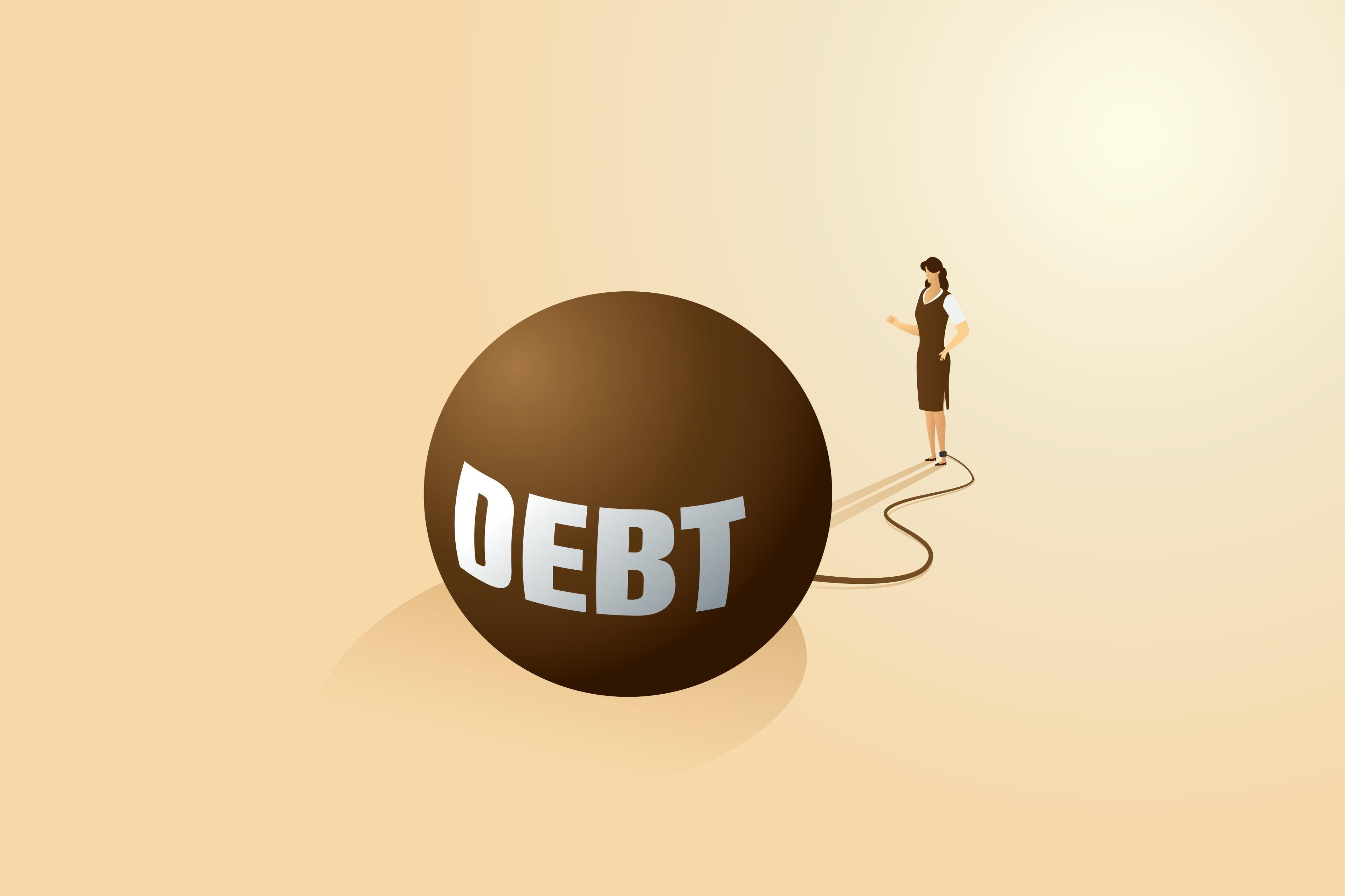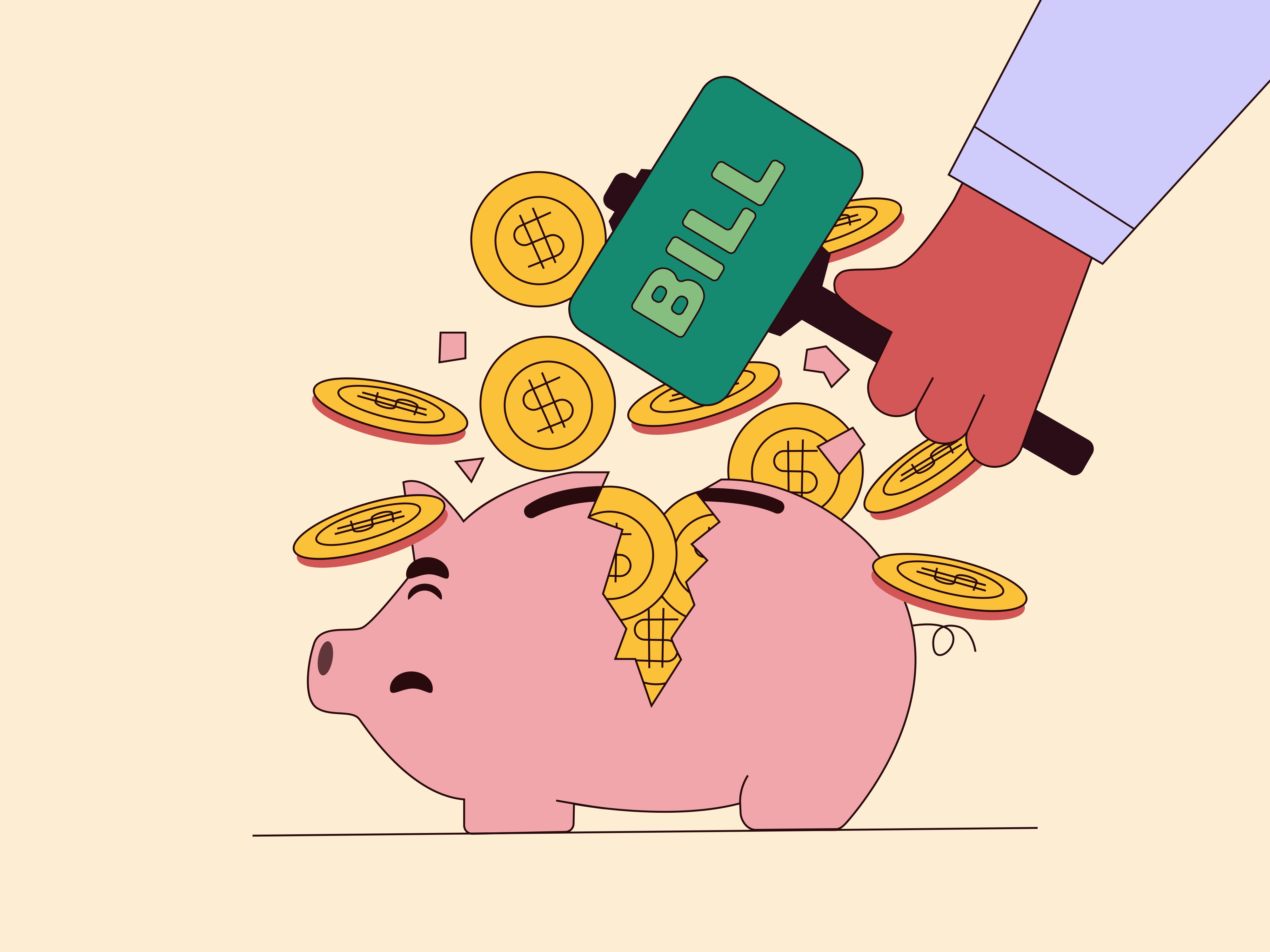
Gen Z debt often starts quietly, not with a single reckless purchase but with everyday habits that make borrowing feel normal and repayment feel distant. Because money now moves through apps, split payments, auto renewals, and one tap checkouts, it is easier than ever to lose track of what you truly owe. The risk is not simply spending too much. The risk is building routines that weaken cash flow, hide real costs, and turn short term borrowing into a default solution.
One of the most common habits is treating the monthly payment as the actual price. When something is framed as “only” a small amount each month, it feels affordable even if the total cost is high. The problem is that bank accounts do not run on vibes. They run on timing. Rent, utilities, transportation, and other essentials land on specific dates, and when you add multiple small recurring payments scattered across the month, your balance can get squeezed at the worst moments. That pressure creates the need for credit as a bridge, and once that bridge is used repeatedly, it becomes a pattern.
Buy now, pay later plans can intensify this issue. They are marketed as convenient, interest free ways to manage spending, but they often work like a permission slip to spend beyond your current means. The repayments are small enough to feel harmless at first, yet they stack quickly. When several BNPL payments overlap with fixed bills, you may end up using a credit card to cover the gap. Over time, this creates a cycle where one form of debt is used to manage another, and the total burden becomes harder to see because it is spread across different providers.
Credit cards become especially risky when minimum payments are treated as a normal repayment strategy. Minimum payments keep your account in good standing, but they also keep your balance alive so interest continues to accumulate. For a young adult still building income stability, this can trap cash flow. The balance does not disappear, it simply lingers, and each month’s interest steals money that could have gone toward savings or investments. A credit limit increase can even make this worse because it creates the illusion of greater financial capacity, when in reality it is just a larger opportunity to borrow.
Another habit that increases debt risk is subscription overload. Modern spending is filled with recurring charges, from entertainment platforms to cloud storage, delivery memberships, fitness subscriptions, and app upgrades. Many of these services feel cheap on their own, but together they turn discretionary spending into fixed obligations. The more fixed payments you have, the less flexible your budget becomes. When something unexpected happens, such as a medical expense or reduced work hours, you are more likely to rely on debt because too much of your income is already committed. Overdraft habits can also push people toward debt, especially when fees are treated like minor inconveniences rather than warning signs. Overdraft charges can stack rapidly, and even overdraft protection can encourage careless spending if it makes your balance feel less important. Once you stop paying close attention to your available cash, you become more vulnerable to running short and leaning on credit to recover.
A major reason these habits are dangerous is that many people stop tracking spending in a clear, consistent way. When transactions happen across multiple platforms, accounts, and repayment plans, it becomes easy to rely on guesswork. You may believe you are doing fine because nothing feels urgent in the moment, but the reality shows up later when your account balance drops unexpectedly. Without visibility, debt becomes the simplest solution to cover shortfalls, and the habit strengthens each time it saves you from discomfort.
Lifestyle pressure also plays a role, especially in a digital environment where spending is tied to identity. Social media often frames purchases as part of a lifestyle rather than as financial decisions. When income is still growing, it is easy to use debt to maintain an image of stability or success. This is not about vanity alone. It is about the emotional pull of feeling like you belong. Debt becomes a tool to keep up, and once it becomes part of how you sustain your lifestyle, it is difficult to reverse without intentional change.
Convenience spending, particularly through food delivery and ride hailing, can quietly reshape cash flow. These services are designed to minimize friction and make checkout effortless. The true cost is often hidden behind fees, tips, and small add-ons that do not feel significant in isolation. Repeated convenience spending may not seem like debt behavior, but it reduces the money available for essentials and increases the odds that you will eventually borrow to cover a tight month.
Debt risk can grow even faster when borrowing is used to fund goals that have not yet produced income. Some people take on debt to start a side hustle, buy equipment, or pay for programs they believe will quickly pay off. Sometimes these bets work, but the risk is that the debt arrives immediately while the income may arrive slowly or not at all. If the plan falls short, you are left paying interest on an outcome that never materialized. Speculative behavior can create similar problems. Investing can be healthy, but leverage, margin, and the temptation to treat markets like a game can lead to losses that a normal budget cannot absorb. When people use borrowed money, whether through credit cards or borrowing against available credit, to chase returns, the financial consequences can be severe. The habit here is confusing access with affordability. Just because an app allows a transaction does not mean your finances are ready for the risk.
Another common pattern is relying on consolidation or personal loans as a reset button without changing the behavior that caused the debt. Debt consolidation can be useful if it reduces interest and supports a disciplined payoff plan, but it becomes dangerous when someone treats the loan as a fresh start and then runs up their credit cards again. In that case, the total debt becomes heavier, not lighter, because the old balance has simply been moved rather than eliminated. Underlying all of these habits is a tendency to ignore interest rates and fees because they feel abstract. Many people choose financial products based on convenience, brand appeal, or perks, without focusing on the true cost of carrying a balance. Yet interest is not a background detail. It is the price of borrowing time. When you carry debt month after month, the interest becomes a steady drain that limits your ability to build savings and financial security.
Finally, the absence of even a small emergency buffer makes debt far more likely. Without savings, every surprise becomes a borrowing event. A sudden expense is not just inconvenient, it becomes a trigger for new debt. A buffer does not need to be large to matter. Even a modest amount of savings can prevent a short term problem from turning into long term revolving debt. In the end, the financial habits that increase debt risk for Gen Z are mostly habits that reduce clarity and flexibility. They make spending feel easier than it should, and they make repayment feel further away than it really is. The solution is not to reject modern financial tools, but to use them with awareness. When costs are made visible, commitments are limited, and cash flow is protected, debt becomes a tool you control rather than a pattern that controls you.
 WhatsApp
 Instagram
 Threads