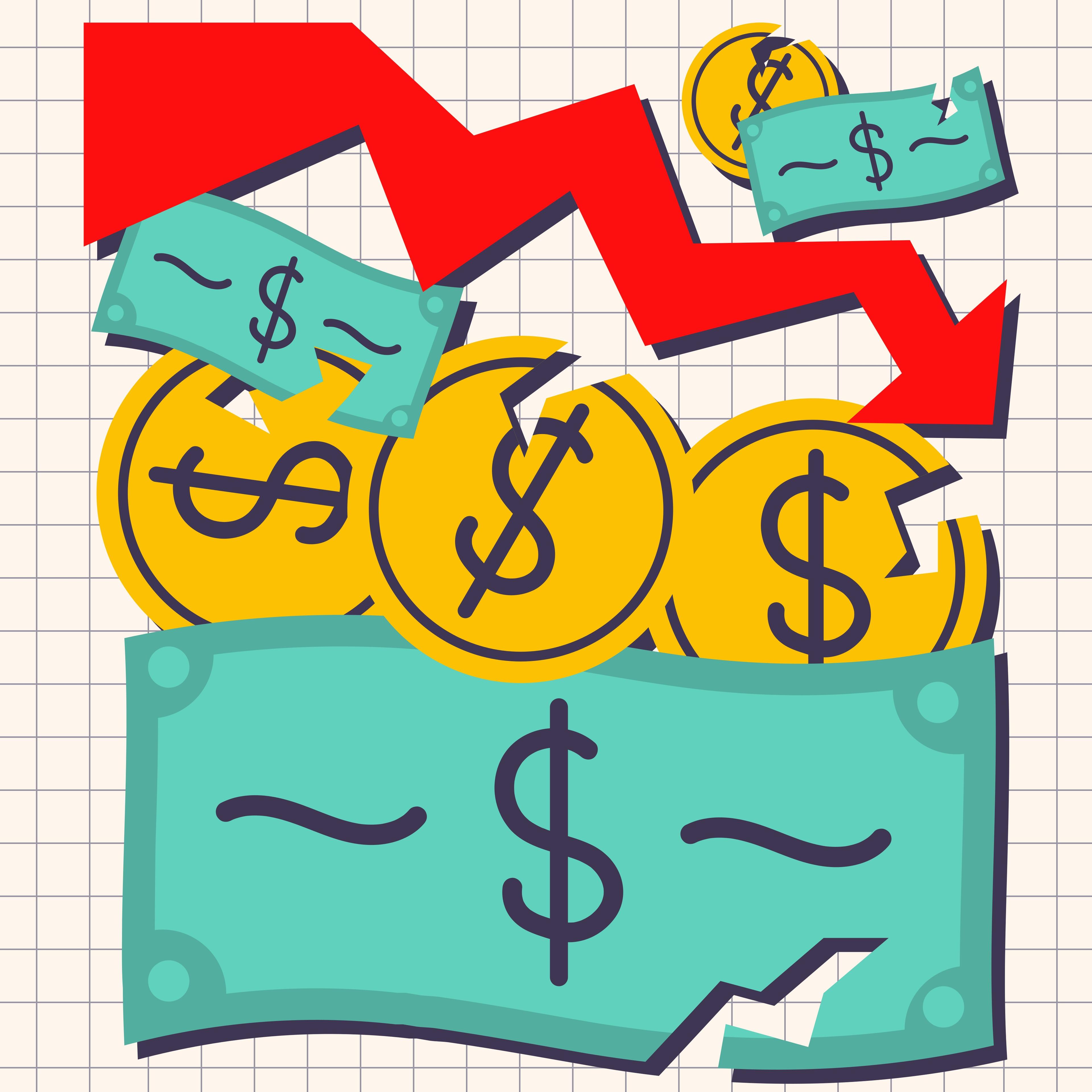
Paying off a mortgage early sounds like the ultimate financial victory. It carries a sense of relief and pride, as if you are finally cutting a heavy chain that has followed you for decades. Many homeowners imagine the moment they make the last payment as the day they truly become free. While that goal can be worthwhile, it is also surprisingly easy to make mistakes along the way. The biggest problem is that mortgage payoff decisions are often emotional. When something feels as important as eliminating a home loan, people sometimes rush forward without checking how the loan works, how the payments are applied, or what trade-offs they are making elsewhere in their finances. Avoiding a few common errors can help you reduce your loan balance faster without creating new financial stress.
One of the first mistakes people make is treating extra payments as spontaneous rather than strategic. In the beginning, it often starts with excitement. A homeowner gets a bonus, enjoys a strong month at work, or simply feels motivated and sends an additional payment. The next month might be tighter, so they do nothing. Then they repeat the cycle whenever they feel financially comfortable. There is nothing wrong with paying extra when you can, but inconsistency can make early payoff harder to sustain. A mortgage becomes easier to manage when the payoff plan is stable and predictable. The best approach is often to choose an amount you can afford regularly without strain, then keep that pace month after month. If your income varies, a steady base extra payment combined with occasional lump sums when you have surplus money can prevent you from overreaching and then burning out.
Another major mistake is failing to ensure that extra money is applied correctly. Many homeowners assume that any additional amount they send automatically reduces the principal. In reality, lenders and loan servicing systems may process extra funds in ways that do not shorten the loan term. An extra payment might be applied to a future month’s bill, placed into an unapplied account, or treated as advance payment rather than a direct principal reduction. When that happens, the homeowner feels productive but does not get the full interest-saving effect they expected. The smartest step is to confirm that the lender applies the extra amount specifically as a principal-only payment. Sometimes this is as simple as checking a box in the payment portal. Other times it requires a separate payment method or a written instruction. It is a small detail, but it can be the difference between truly shrinking the balance and merely shifting the payment schedule forward.
Some homeowners also make the mistake of ignoring the contract rules of the loan itself. While prepayment penalties have become less common in many markets, they still exist in certain loans, especially some nontraditional arrangements. Even when there is no penalty, lenders may have specific payoff procedures that affect timing and final payment amounts. As you get close to fully paying off the mortgage, guessing the last payment can lead to unpleasant surprises, because interest accrues daily. Without a formal payoff statement, you might accidentally leave a small remaining balance that triggers fees or complications. It is always safer to request the official payoff amount from the servicer and follow that number precisely rather than assuming your final estimate is close enough.
Perhaps the most dangerous mistake is sacrificing financial stability just to eliminate the mortgage faster. Some people drain their emergency savings in order to make a large lump-sum payment. They may feel proud that the balance is smaller, but they also become vulnerable. A job disruption, medical expense, car breakdown, or major home repair can quickly force them into high-interest borrowing. In that situation, the homeowner might end up trading a manageable, low-rate mortgage for credit card debt that grows at a painful pace. A strong emergency fund exists to protect you from exactly those moments. Paying off your mortgage early should never come at the cost of being financially fragile.
Early payoff can also go wrong when it is prioritized above higher-interest debts. A mortgage, even with today’s rates, is often cheaper than credit card balances, personal loans, or some types of student loans. Yet homeowners frequently focus on the mortgage because it feels like the biggest obligation and the most emotionally heavy. The problem is that paying extra on a lower-rate loan while carrying higher-rate debt can be inefficient. You may save a modest amount of interest on the mortgage while paying far more interest elsewhere. Clearing high-interest debt first usually frees up more cash flow, which then allows you to accelerate mortgage payoff in a safer and faster way.
A related issue is pausing retirement contributions to speed up mortgage payoff. It can feel logical in the moment, because early payoff seems like a permanent win. However, retirement savings operate under a different rule: time matters enormously. Missing years of contributions can reduce the long-term growth of your investments, and if you have employer matching contributions, stopping those contributions is like turning down part of your compensation. Even for people who strongly dislike debt, it is often wiser to keep retirement contributions consistent while paying a smaller extra amount toward principal. That balance preserves long-term compounding while still making progress on the mortgage.
Homeowners also sometimes overlook more targeted mortgage goals that could improve their finances faster than full payoff. For example, if you are paying private mortgage insurance, the most valuable short-term milestone might be reaching the loan-to-value ratio that allows you to request cancellation. Eliminating a monthly PMI charge can free up cash that you can then redirect toward principal payments or other priorities. Some mortgage insurance structures behave differently, such as certain FHA-related arrangements, where the removal process may require refinancing. The mistake is paying extra blindly without understanding which milestones could remove costs more quickly than full payoff alone.
It is also easy to confuse “paying extra” with “shortening the loan,” because lenders can handle extra payments in different ways. In some cases, after enough extra funds are paid, a lender may re-amortize the loan, which reduces the required monthly payment while the term remains similar. This is not automatically bad, but it can create a false sense of progress. If your goal is early payoff, you must continue paying as if nothing changed, because a lower required payment can tempt you to slow down. On the other hand, if your goal is flexibility, reducing the required payment might actually help you. The key is clarity. Early payoff works best when you know whether you want a shorter term, a lower monthly obligation, or a mix of both.
Another mistake comes from oversimplifying the true cost of mortgage interest. Many homeowners label all interest as wasted money, yet the real cost of interest depends on factors like tax treatment and your broader financial situation. For some people, mortgage interest deductions may matter, while for others they may not. The point is not to keep a mortgage just for a deduction, but to avoid making decisions based on assumptions that are not true in your case. Another reality check is that paying off a mortgage does not eliminate all housing costs. Property taxes, insurance, maintenance, and repairs remain. If you expect your monthly housing expenses to drop dramatically to almost nothing, you may feel disappointed even after you reach full payoff.
A more practical mistake is ignoring refinancing opportunities when rates drop or when your financial profile improves. Refinancing is not always the right move, and it comes with costs, but it can reduce the interest rate, adjust the term, or help remove certain insurance expenses. Some homeowners focus so heavily on making extra payments that they never run the numbers on whether a refinance could produce more savings over time. The risk, however, is refinancing into a new long term and then failing to maintain extra payments, which can extend the payoff timeline. Refinancing should be treated as a tool, not as a guaranteed step forward, and it should always be evaluated with clear math rather than excitement.
One of the quietest mistakes is turning nearly all your wealth into home equity. A paid-off home can be a powerful asset, but equity is not the same as cash. Accessing equity often requires selling, borrowing, or refinancing, and those options depend on the market and your credit situation at the time. If you pour every spare dollar into the house, you may end up with strong net worth on paper but limited flexibility in real life. Financial resilience often comes from balance, not from maximizing a single category of wealth. Having liquid savings and investments alongside home equity protects you from being forced into a difficult decision during a bad market or a personal emergency.
Finally, many homeowners fail to match their payoff strategy to their timeline. If you expect to move within a few years, aggressive extra payments may not deliver the emotional or financial payoff you imagined, because the mortgage ends when the home is sold anyway. In that situation, liquidity and flexibility may be more valuable. If you plan to stay in the home long-term, early payoff becomes more meaningful because you capture the long-run interest savings and enjoy the stability of owning the home outright in a place you truly intend to keep.
Paying off your mortgage early can absolutely be a smart and fulfilling goal, but it works best when it is approached calmly rather than emotionally. A good plan respects how payments are applied, protects your emergency savings, prioritizes high-interest debt, and keeps retirement contributions intact. It accounts for insurance milestones, refinancing opportunities, and the reality that housing expenses do not vanish when the loan disappears. Most importantly, it keeps your financial life balanced, so your progress does not come at the expense of your flexibility. When you avoid these common mistakes, early payoff becomes what it should be: not a reckless sprint, but a steady and well-supported path toward long-term security.
 WhatsApp
 Instagram
 Threads



-1.jpg&w=3840&q=75)