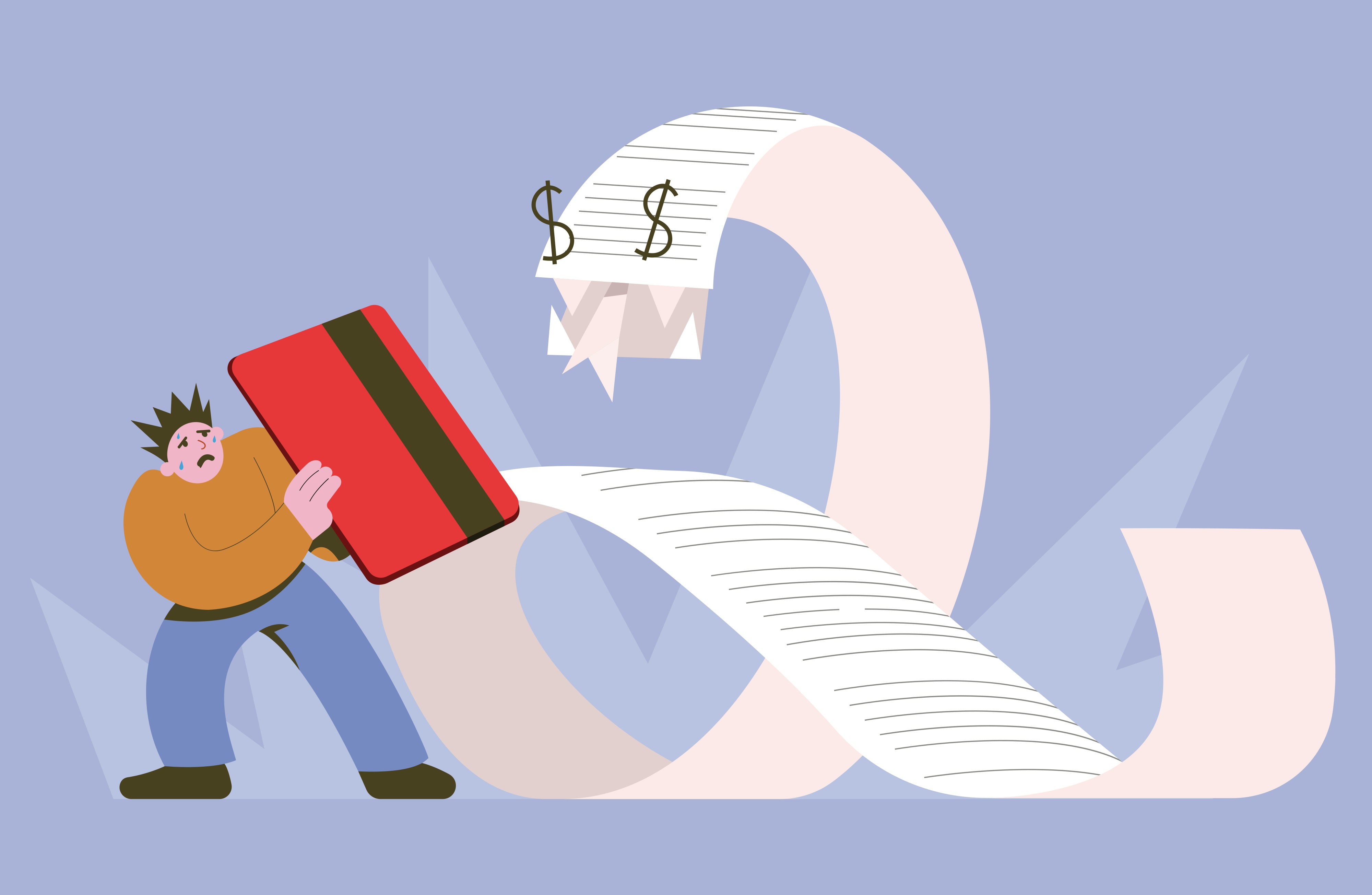
Buy now, pay later has a way of showing up at the exact moment you are most tempted to say yes. You are already at checkout, your mind is already imagining the delivery arriving, and then a friendly option appears offering to split the payment into smaller pieces. In Malaysia, BNPL has grown quickly because it feels lighter than a credit card and less intimidating than applying for a personal loan. It sits inside apps you already use, it asks for minimal effort, and it promises a simple trade: you get the item now and you deal with the cost later in neat, predictable slices.
But the most important thing to understand is that BNPL is still borrowing. The interface is smooth and the language is gentle, yet the underlying arrangement is credit. Someone pays the merchant upfront, and you commit to repaying that someone according to a schedule. When everything goes perfectly, BNPL can feel like a convenient way to align spending with cashflow. When things do not go perfectly, it behaves like any other credit product, with consequences that can become expensive emotionally and financially. To see how BNPL works in Malaysia, it helps to follow the journey of one purchase from the moment you tap the option at checkout until the last installment is paid. Imagine buying a pair of shoes for RM240. At the payment page, you select BNPL. In that instant, the provider runs a quick assessment. Depending on the platform, this may include identity checks, internal risk scoring, and a review of your repayment behavior if you have used the service before. Some users are approved almost immediately because the provider already knows their spending patterns within the app ecosystem, while others may be asked for additional verification steps, especially as their usage grows.
Once you are approved, the transaction is funded. The BNPL provider pays the merchant, usually quickly, so the merchant can ship your purchase as if you had paid in full. That is a key point many users forget. From the merchant’s perspective, the sale is completed. The merchant is not waiting for your installments to arrive. The provider takes on the repayment risk and the administrative work of collecting your payments over time. Then the responsibility shifts to you. Your RM240 is now a repayment plan. Depending on the provider and the plan, you may pay the first portion immediately and the rest over the next few weeks, or you may start paying later with installments scheduled on fixed dates. Many BNPL products in Malaysia promote short tenures, such as three or four payments, because they feel manageable. The danger is that manageable does not always mean affordable, especially when multiple plans overlap. A single RM240 purchase split into smaller chunks may not change your life, but five separate purchases like that across different apps can quietly create a month where your salary is already spoken for before you even start paying rent, petrol, or groceries.
This is where BNPL’s design becomes both its strength and its weakness. It is strong because it reduces friction. It is weak because it reduces friction. The same smoothness that makes it convenient can also make it easy to commit to future payments without fully feeling the weight of the total obligation. With a credit card, you might feel a mental pause because you know you are adding to a balance. With BNPL, each transaction often looks like a small decision, and small decisions are easier to repeat. Behind the scenes, BNPL providers generally earn money in a few ways. One major source is merchant fees. Merchants often pay a fee to offer BNPL because it can increase conversion rates and encourage customers to spend more than they would have if they had to pay the full amount immediately. The merchant is effectively paying for a sales boost and a smoother checkout experience. That is why BNPL buttons appear so prominently and why some platforms promote it heavily with vouchers, cashback, or special deals tied to installment payments.
The second source is consumer charges, and this is where many people get confused. Some BNPL plans are promoted as zero interest, which can be true in the narrow sense that you are not charged an interest rate when you pay on time. Yet that does not mean the arrangement is costless. Late payment charges can apply if you miss a due date, and some longer installment options may include service fees or interest-like charges. A plan may be “interest free” only within a specific tenure, while longer plans can carry costs that resemble traditional financing. The most practical way to protect yourself is to stop relying on the marketing label and start reading the numbers. If you are paying extra to stretch the repayment timeline, that extra cost is the price of credit, whatever it is called. The most underestimated risk of BNPL is not the cost of one plan. It is the stacking of many plans. Stacking happens when you use BNPL across different merchants, different apps, and different due dates until your future income is fragmented into a patchwork of auto deductions. In Malaysia, where BNPL often lives inside lifestyle apps and shopping platforms, it is easy to forget that each plan is a real commitment. Your brain may treat each installment as a small bite. Your bank account experiences all bites at once.
Cashflow timing is the silent trap. BNPL is usually structured around scheduled payments, and many services encourage auto deduction from a linked card or wallet. If your salary comes in monthly and your deductions are weekly, you can end up in a situation where a small mid-month dip becomes a missed payment. The missed payment is not only stressful. It can trigger late charges, account suspension, and in some cases a tightening of your available limit. The product that once felt helpful starts to feel like a leash. When a BNPL payment is missed, what happens next depends on the provider’s policy, but the pattern is generally similar. You may receive reminders, your account may be restricted, and a late fee may be charged. Some providers use late charges as a deterrent and as a way to cover collection costs. From a personal finance perspective, the key is not to assume you will always be on time. Life has seasons. Your car needs repairs. Your child gets sick. You have an unexpected work gap. The true cost of any credit tool includes what it does to you when life interrupts your plan. A responsible BNPL user thinks about the worst month, not the best month.
In Malaysia, regulators have been paying increasing attention to BNPL as it becomes mainstream. This matters because BNPL grew so quickly that it began to function like a parallel credit channel for consumers who might not have used traditional credit products as frequently. The regulatory direction has been toward clearer disclosures, fairer fee structures, stronger checks on affordability, and better consumer safeguards. One reason this is significant is that it signals an official recognition that BNPL should not be treated as casual spending magic. It should be treated as credit, which means the provider has responsibilities and the consumer deserves transparent information. A particularly meaningful idea in this direction is affordability. When credit is frictionless, the risk of overextension rises. Regulatory frameworks push providers to assess whether a consumer can realistically repay before granting larger limits or allowing cumulative exposure to grow too high. For everyday users, that can feel annoying, but it is also a warning sign that you should take seriously. If an app suddenly asks for income verification or adjusts your limits, it is often because your usage has crossed a threshold where the product is no longer considered a small convenience. It has become real borrowing.
Another important part of consumer protection is design. BNPL options are powerful at checkout because they change the emotional tone of a purchase. Instead of feeling a single painful payment, you see smaller numbers. That can influence decision making. Regulators have increasingly emphasized that BNPL should not be pushed as the default option in a way that manipulates consumers into borrowing without thinking. Even without reading any policy document, you can feel the logic. Defaults shape behavior. If BNPL becomes the easiest button to tap, it stops being a conscious financial decision and becomes a habit.
There is also a broader shift in Malaysia toward bringing more consumer credit activities under clearer oversight, including products that sit outside the traditional banking sphere. As that landscape evolves, BNPL users should expect more standardized rules around disclosures, late charges, marketing practices, and dispute handling. That is good news, but it is not a substitute for personal discipline. Regulation can reduce harm at the edges. It cannot make an unaffordable purchase affordable. Interest and fee structures deserve special attention because BNPL is not always as cheap as it looks. Short plans may indeed cost nothing extra if you pay on time. Longer plans can change the math. When you pay a fee to stretch repayment over months, the effective cost of credit rises. A small monthly fee can become a meaningful annualized cost. This is why BNPL should never be evaluated purely by whether the app claims “0%” on the screen. You should evaluate it by total repayment amount, the timeline, and what happens if you miss a payment.
For some Malaysians, another dimension is Shariah compliance. Some providers may structure BNPL offerings to align with Islamic finance principles. That can matter deeply for personal values and financial practices. Still, even within compliant structures, the cashflow reality remains. You are committing part of your future income. Whether the charge is called a fee, a profit rate, or something else, the household impact is the same. Your next paycheck is partly pre-spent. So when does BNPL actually make sense? It makes sense when it functions as a scheduling tool rather than a spending tool. If you already planned the purchase, you have enough money to pay for it today, and the installment structure simply helps you keep liquidity for a short period, BNPL can be a reasonable option. It can also be useful when a necessary expense arrives at an awkward time, such as replacing a broken appliance, as long as you are not using BNPL to cover for a missing emergency fund. In those moments, BNPL can act as a bridge, not as a lifestyle upgrade.
The line is crossed when BNPL becomes the method you rely on to make ordinary life feel affordable. If you are using installments for groceries, daily deliveries, frequent fashion purchases, or recurring treats because the smaller numbers make you feel safe, that is a sign your budget is under pressure. BNPL does not solve pressure. It delays it, and delayed pressure often returns with interest in the form of stress, missed payments, and tighter cashflow. A simple mental test is to imagine BNPL disappearing tomorrow. Would your spending plan still work? If the answer is yes, you are probably using BNPL as a tool. If the answer is no, BNPL is quietly acting as your credit lifeline. That is when you are most vulnerable to stacking, because any one plan might be fine but the combined commitments create a fragile month where one unexpected bill can knock everything off balance.
The safest way to use BNPL is to treat it like a bill the moment you take it. Do not think of installments as “later.” Think of them as already owed. In practical terms, that means you should know the exact due dates and amounts, and you should ensure they fit within your typical monthly surplus after essentials, not within an optimistic version of your future budget. If you only have RM400 left after fixed expenses and you take on RM350 in BNPL installments across multiple plans, you are leaving yourself almost no room for real life. It also helps to limit how many BNPL plans you have running at once, especially across multiple platforms. The more fragmented your repayment schedule is, the easier it becomes to lose track of what is due and when. Even if reminders exist, reminders do not fix cashflow. The best reminder is a plan that is simple enough to hold in your head.
In the end, BNPL in Malaysia is neither a villain nor a miracle. It is a credit product wrapped in modern design. It can be genuinely helpful for short-term cashflow management when used with intention and restraint. It can also quietly erode financial stability when it becomes the default way you fund lifestyle spending. If you want BNPL to stay harmless, treat it with the seriousness you would give any borrowing decision. Ask what you are really buying, what you are truly committing, and whether your future self will thank you when the payment date arrives. When you understand BNPL as borrowing against tomorrow’s cash, you stop being surprised by its consequences and start using it on your terms.
 WhatsApp
 Instagram
 Threads





-1.jpg&w=3840&q=75)