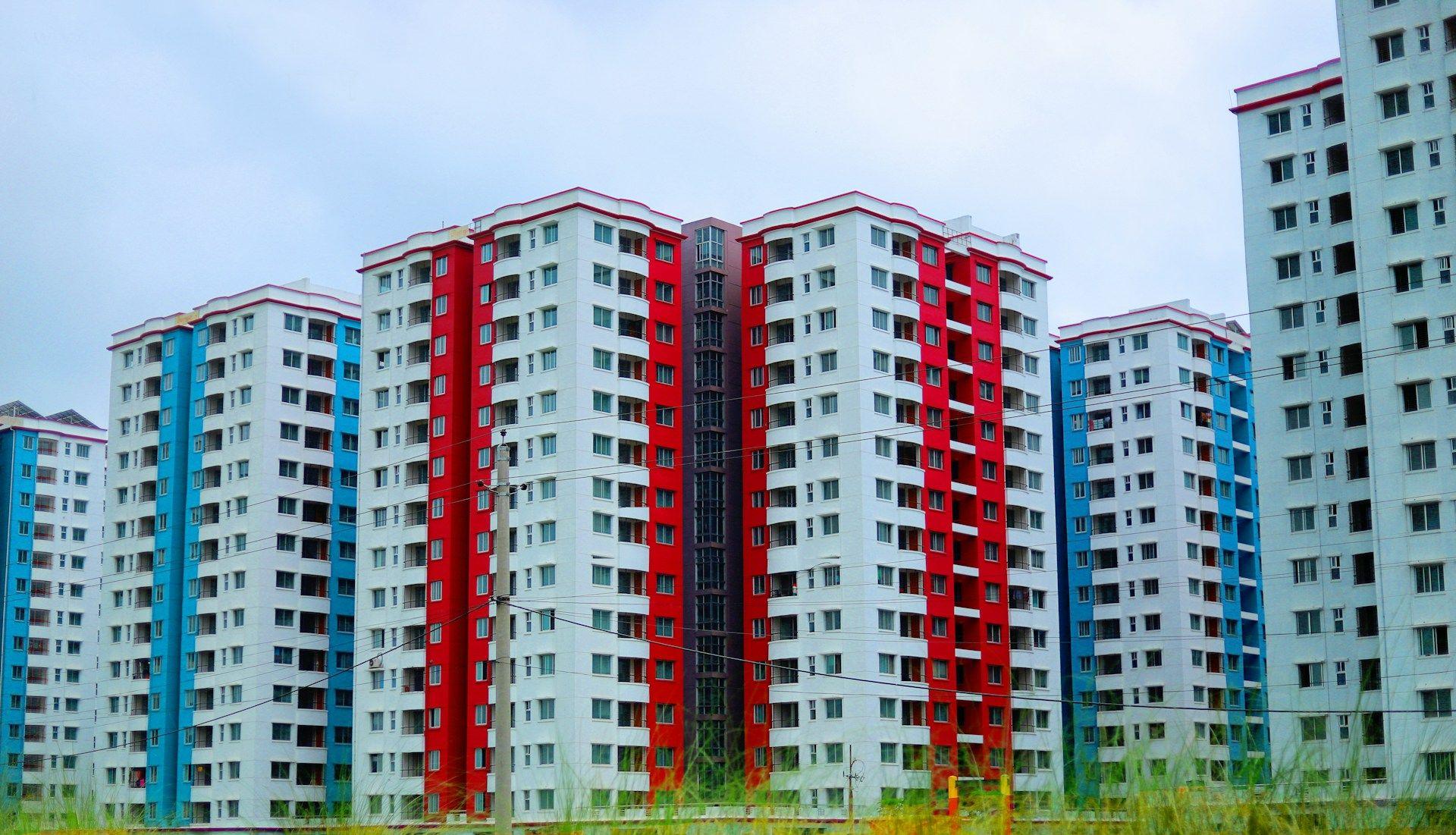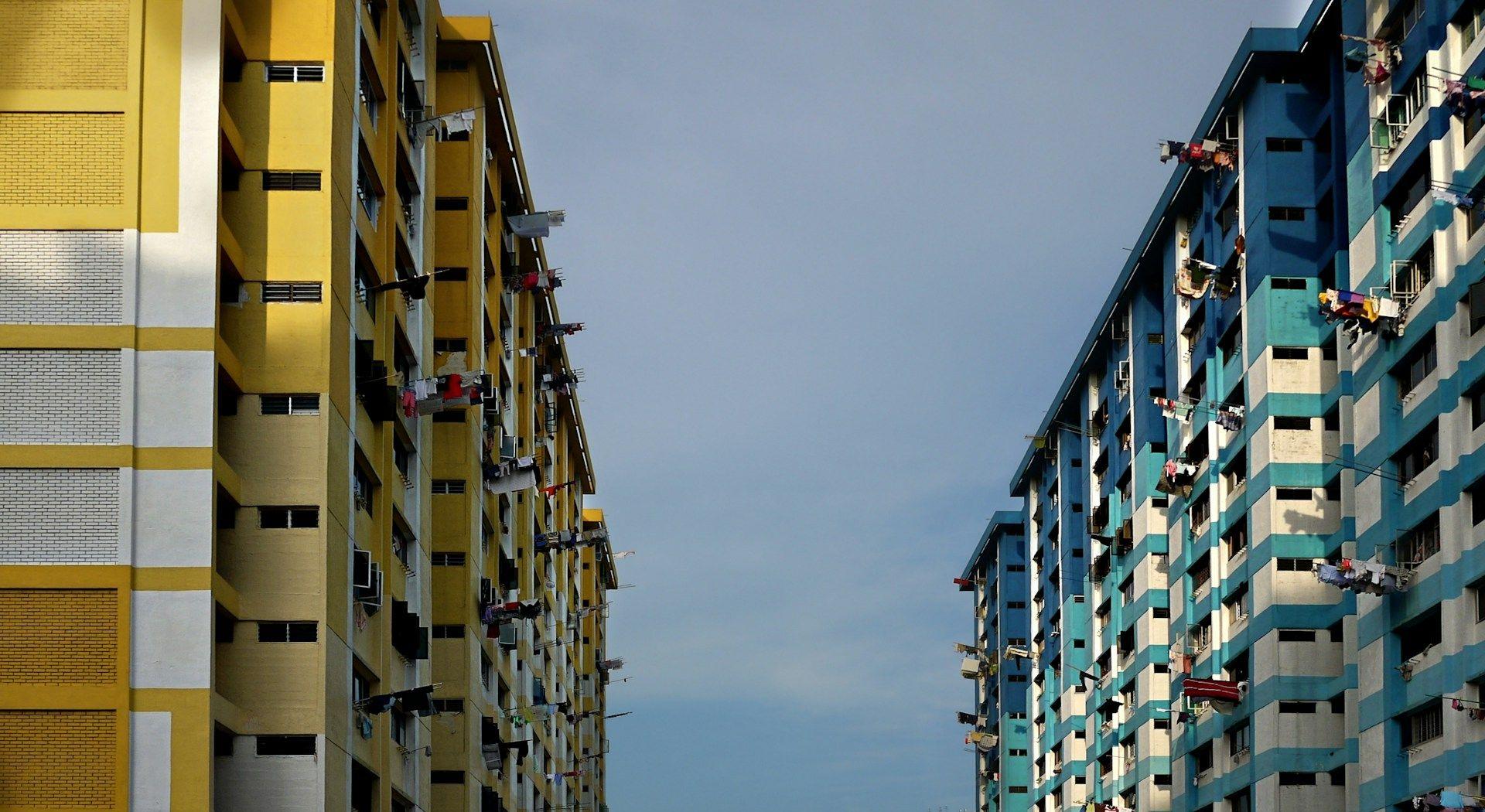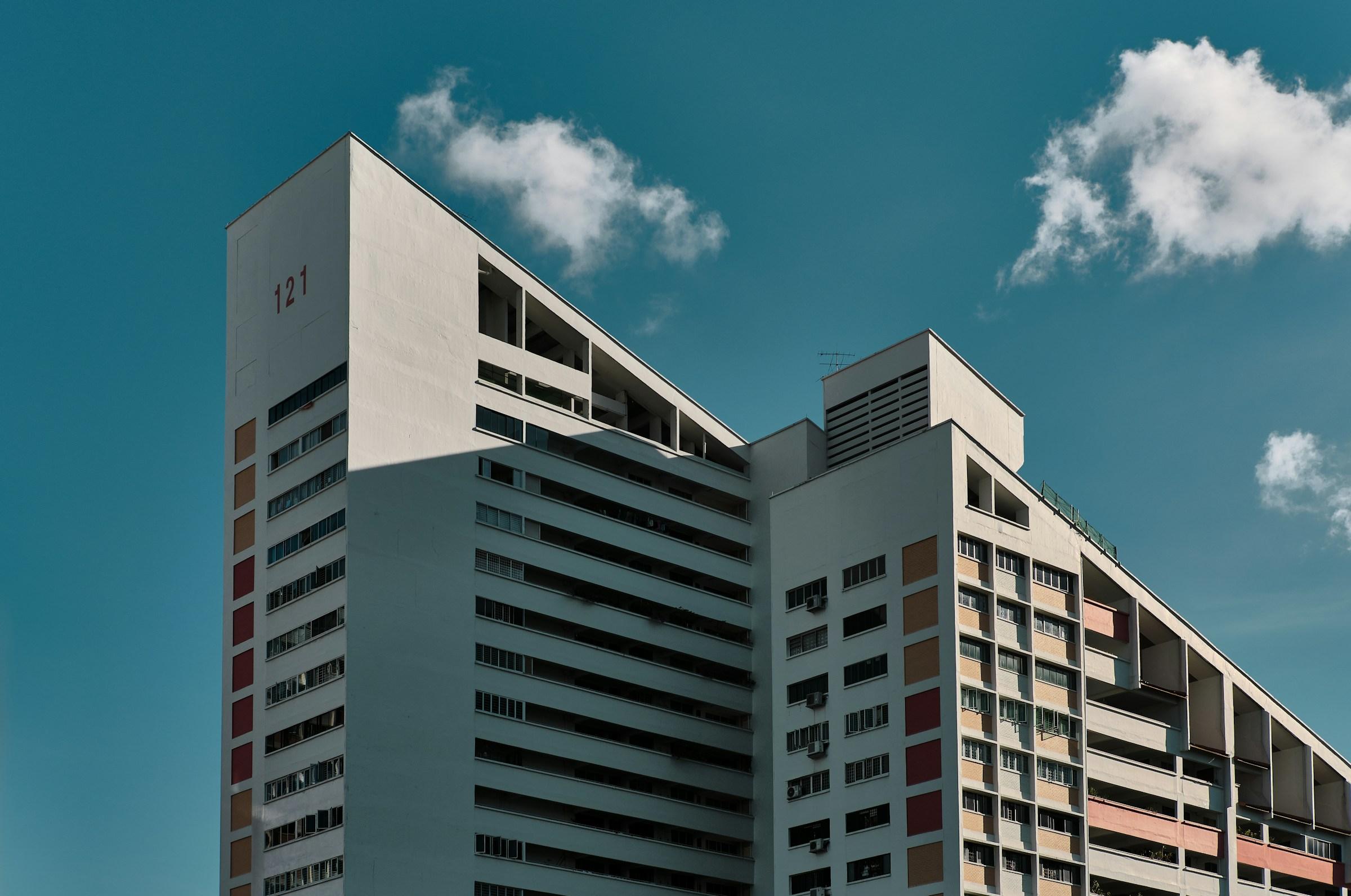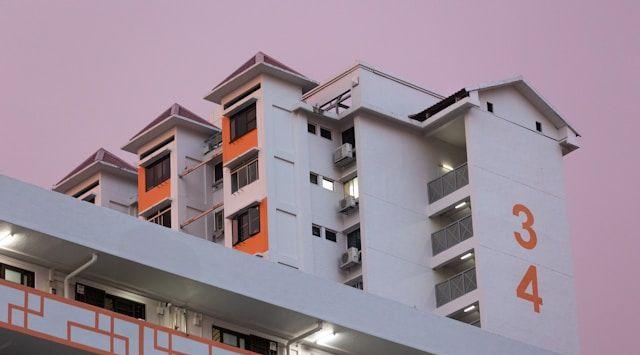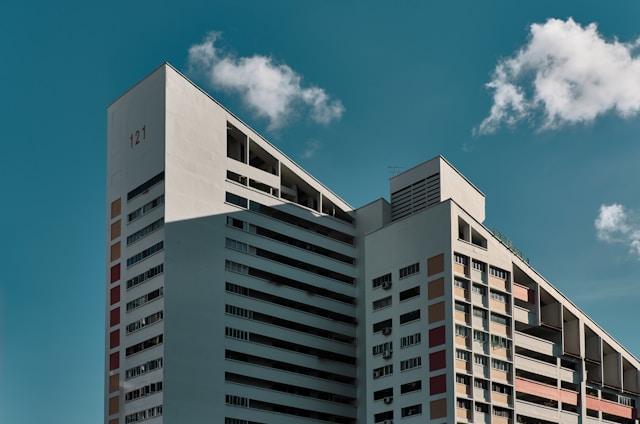
Singapore’s housing model is often described as one of the country’s great policy achievements. It delivered mass homeownership, created a sense of shared stake in the nation’s future, and helped anchor social stability across generations. For decades, “affordable housing” in Singapore was understood in fairly straightforward terms: a family could buy a home, service the loan, and build a secure base for the future. But what affordability means today has become more complicated. It is no longer only about whether a mortgage is manageable. It is also about how long people must wait to secure a flat, how uncertain the pathway feels for first time buyers, how sharply resale prices diverge from subsidised new flats, and how much location has begun to resemble a life defining lottery.
That shift creates a strategic challenge. Singapore cannot simply force prices down across the board without destabilising the wealth and retirement planning assumptions that many households have built around their homes. Yet it also cannot allow the entry price of citizenship to creep upward indefinitely, because housing is tied to family formation, social mobility, and trust in the broader national bargain. If citizens begin to feel that housing is drifting out of reach, the damage is not only financial. It becomes cultural and political. The way forward, then, is not a single dramatic intervention. It is a careful redesign of how the housing system translates public subsidy into private security, while keeping the market from turning that subsidy into windfall gains.
In recent years, policy adjustments have already signalled that the government recognises where pressure is accumulating. The introduction of a tiered approach for new flats by location, with different rules and resale conditions depending on whether a flat is in a more central or more highly subsidised area, is one way to reduce the sense that certain launches deliver outsized gains for a lucky few. Meanwhile, tighter borrowing rules and enhanced support for eligible first time buyers reflect an attempt to keep demand from outpacing supply while ensuring that households who truly need help can still get a foothold. These are important moves, but affordability will not be restored by tuning only the demand side or only the subsidy side. The deeper issue is structural. Singapore’s affordability pressures now come from timing mismatches, location premiums, and the growing influence of resale expectations on what people believe a home should cost.
Any serious attempt to improve affordability must begin with supply, but not in the simplistic way people often assume. It is tempting to think that more flats alone will solve the problem, yet supply is not just a question of total units. It is also a question of delivery rhythm and waiting time. The household experience of affordability is shaped by whether people can get a home when they need it, not when the pipeline eventually catches up. If couples delay marriage, delay having children, or stretch their finances because they cannot match life timelines to housing timelines, the system is failing in a way that raw construction numbers do not capture. This is why the practical focus should be on shortening the distance between application and keys for at least part of the market, especially for first timers at critical life stages. Faster build projects, a steadier launch cadence across towns, and a clear public commitment to reducing waiting time where feasible can help restore confidence that the system responds to real life. It also reduces desperation demand in the resale market, where urgency often pushes buyers to accept higher prices simply because they cannot wait.
Supply strategy also has to protect Singapore’s long term advantage: the ability to act decisively on land use and development without becoming trapped in the paralysis that afflicts many global cities. If a country loses its capacity to build at scale, it tends to compensate through demand side subsidies that can accidentally inflate prices. Singapore should avoid drifting into that pattern. Building productivity, construction capacity, and a disciplined land release approach are not just industry issues. They are core affordability tools.
Even with stronger supply delivery, however, resale dynamics can still undermine the public narrative of affordability. In Singapore, the resale market has become a powerful pricing engine, not only for those who buy resale but also for those who interpret resale prices as the “real” value of housing. When resale prices surge, they reshape expectations and can create pressure for higher valuations across the entire housing ladder. Grants and support schemes can soften the blow for first time buyers, but they also carry risk. If subsidies rise while resale supply remains tight, some of that support can be absorbed into higher prices. Buyers feel helped in the short term, yet the market quietly adjusts to keep the hurdle high.
A more durable solution is to ensure that flats designed to be highly accessible, especially those in the most desirable locations, do not behave like open market speculative assets on exit. If a flat is subsidised more heavily because it sits near the city centre or near key amenities, it is reasonable that resale conditions reflect that subsidy. This is not about punishing owners. It is about consistency. When public support is given to deliver access and inclusion, the market outcome should not be a private windfall that undermines the next cohort’s access. Clearer rules around occupation periods and resale restrictions for the most subsidised segments can help align intent with outcome, and reduce the perception that some households are gaining life changing advantages through timing alone.
Affordability also improves when citizens do not feel that ownership is the only path to stability. Singapore has long emphasised homeownership as a pillar of social policy, and that should remain central. But today’s pressures make it necessary to strengthen rental as a credible, respectable, and stable option for more people, not only as a last resort or a temporary bridge. When rental supply is limited or socially stigmatised, households are pushed into purchasing even when it strains their finances, simply because renting feels insecure. That pressure increases demand, raises resale prices, and amplifies the feeling that housing is a race.
A stronger public and public linked rental pathway can relieve that pressure. It can give households flexibility during periods of income uncertainty, caregiving, or job transitions. It can allow younger adults to delay major purchases without feeling left behind. It can also reduce the urgency that often drives buyers into emotionally charged decisions. Importantly, normalising rental does not mean abandoning the homeownership goal. It means giving citizens a second legitimate option so that the system is not defined by panic buying.
Location is another piece of the affordability puzzle that can no longer be treated as secondary. In practice, much of Singapore’s price pressure comes from the premium placed on access. Access to jobs, transport connectivity, established amenities, and high demand schools shapes where people want to live, and therefore what they are willing to pay. When certain areas are perceived as the only places where life will be convenient or where children will have a better start, the market will bid up those locations, and the affordability gap widens.
The most effective way to ease that dynamic is not to tell people location should not matter. It is to make more locations matter. That is ultimately an economic development and urban planning strategy as much as a housing strategy. When jobs are more geographically distributed, when town centres become stronger, when transport connectivity reduces the penalty of living further from the core, and when neighbourhood amenities are planned with real ambition, demand pressure can spread more evenly. If opportunity is less concentrated, households do not feel forced to pay a premium just to protect their time, commute, or family routines.
Singapore also has to defend affordability against broader financial forces. In a world of volatile capital flows and periods of easy money, property markets can become financialised quickly. When housing is treated as a store of value above all else, demand can detach from local incomes. Singapore has historically used macroprudential tools to manage this, and it should continue doing so carefully. Yet there is a balance to strike. If restrictions become the only line of defence, the market can become less mobile and more unequal, because wealthier households often find ways to work around friction while ordinary buyers simply face higher hurdles.
A smarter approach is targeted restraint where speculation is most likely, paired with clearer, smoother pathways for genuine owner occupiers, especially first time buyers. In other words, the system should be designed to reward stable living, not financial engineering. The goal is not a dramatic collapse in prices. The goal is reduced volatility, smaller extremes, and a housing ladder that remains climbable without turning into a high stakes gamble. This is where Singapore’s real challenge becomes political economy as much as policy mechanics. Rapid price increases hurt new entrants. Sharp price declines scare existing owners who have built their retirement planning assumptions around property. A sustainable affordability strategy must compress extremes rather than pick sides. It needs to protect first time access while maintaining confidence for those already inside the system. That is why supply stability, resale rules that match subsidy intent, and credible rental alternatives matter so much. They create affordability without creating whiplash.
The future of affordability in Singapore will depend on whether the country can shift from a reactive posture to a design posture. Affordability cannot be permanently “fixed” by bigger grants alone, because grants can become part of the pricing loop. It cannot be fixed only by tightening borrowing, because that can trap mobility and shift risk rather than reduce it. And it cannot be fixed by building more flats without addressing the human reality of timing, because waiting itself becomes a cost that households pay through delayed life plans or stretched finances.
A more coherent approach recognises that housing is both a home and a social contract. The system must be structured so that public support produces long term inclusion, not short term windfalls. It must ensure that the most subsidised homes deliver stability for the households who live in them, without turning into vehicles for large speculative gains that make the next cohort worse off. It must treat rental as a legitimate form of security so that ownership is a choice made with confidence rather than a decision made out of fear. And it must widen the geography of opportunity so that housing pressure is not concentrated into a handful of locations that everybody feels they must fight for.
If Singapore succeeds, housing affordability will feel less like a race and more like a predictable pathway. Citizens will still strive for homeownership, but they will not feel punished if they take longer to get there. New flats will remain accessible, but they will also be designed so that the benefits of subsidy are shared across time rather than captured in a single resale transaction. And the market will still function, but it will be shaped to reward stability and real living rather than speculation and luck. That is the next version of Singapore’s housing promise, and it will be built not through one grand gesture, but through disciplined decisions that align supply, subsidy, and outcomes with the lived reality of ordinary households.
 WhatsApp
 Instagram
 Threads