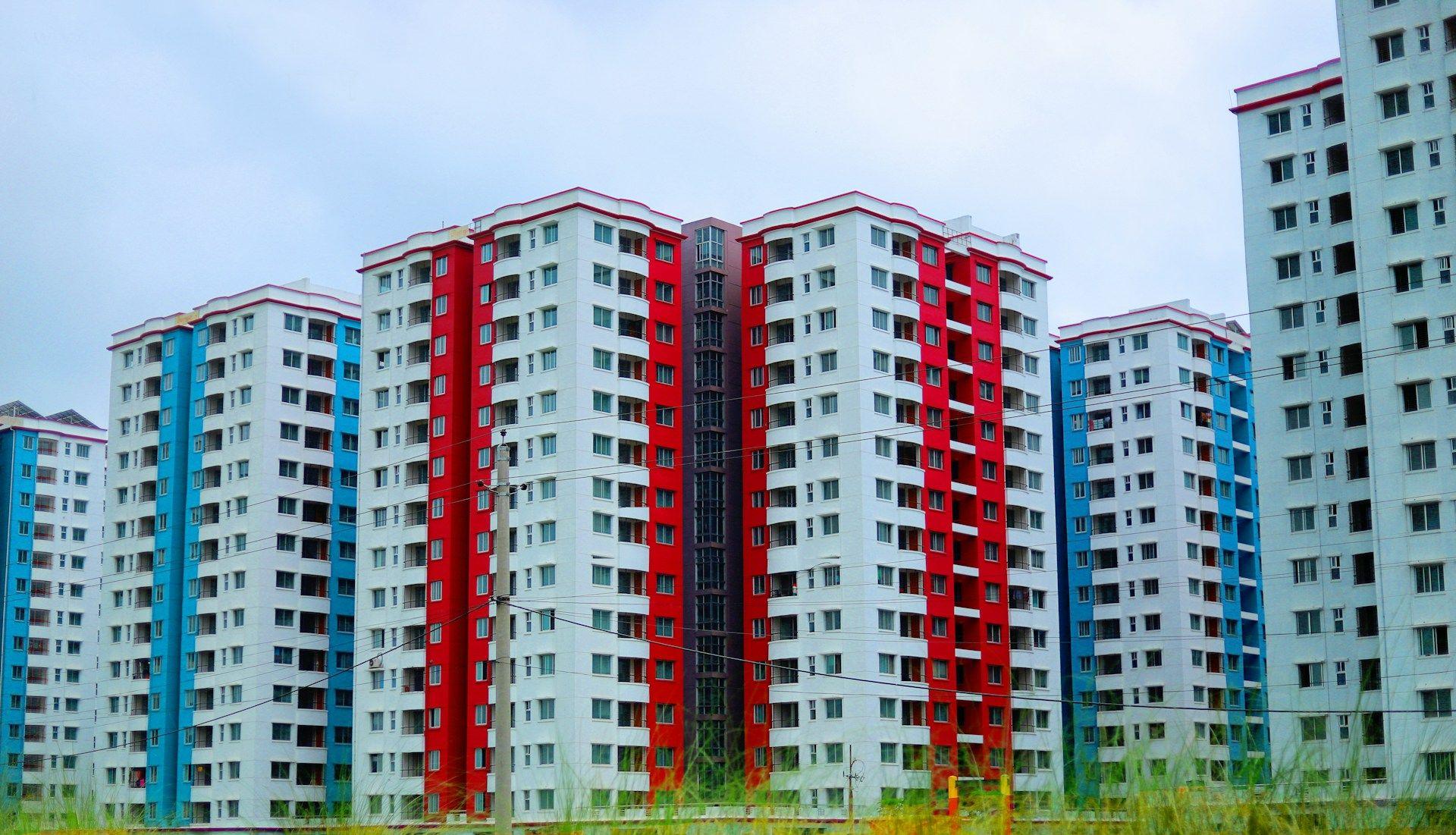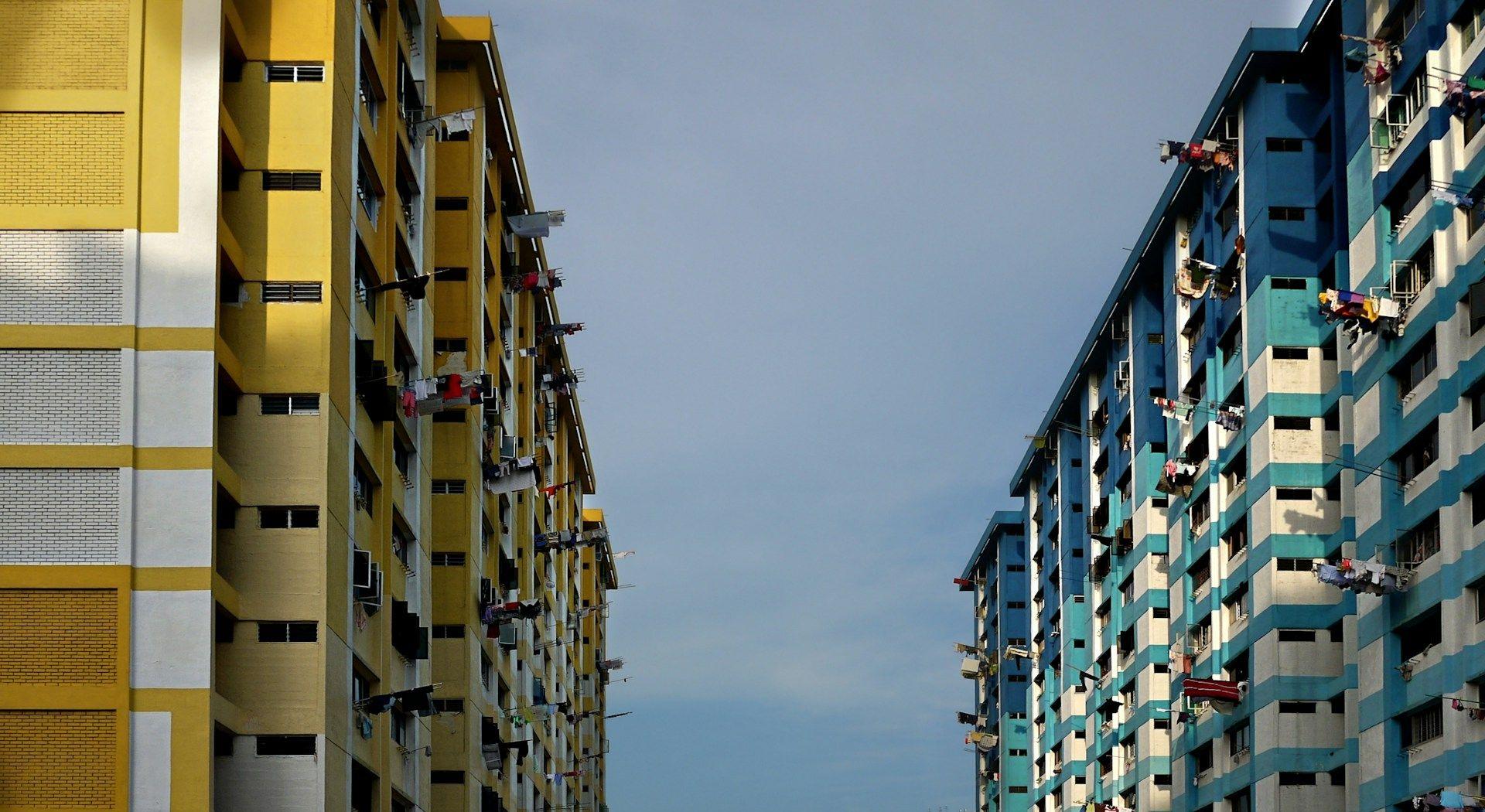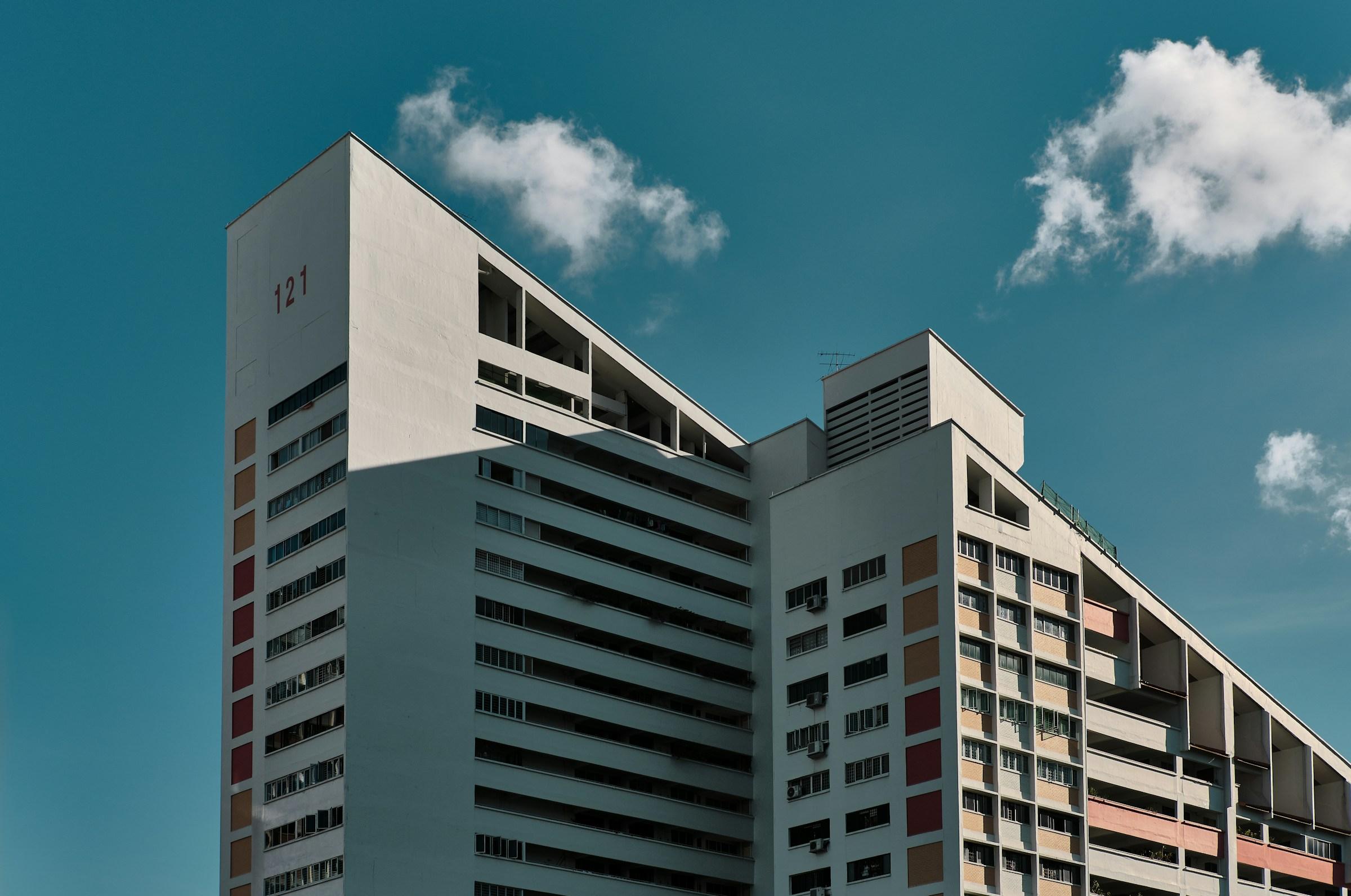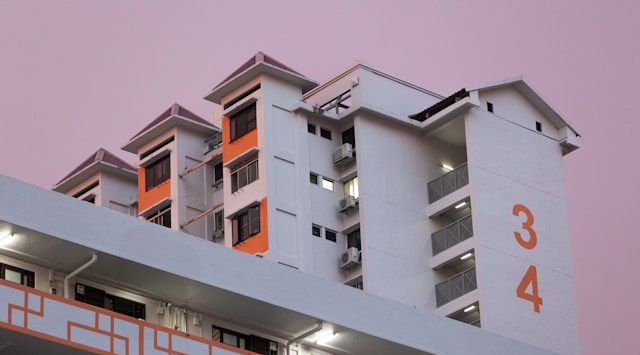
Singapore’s reputation for affordable housing is not the result of a single policy lever or a one off burst of building. It comes from a deliberately engineered system that treats housing as a national infrastructure priority and manages the full chain of decisions that determine whether homes remain within reach for ordinary households. In many cities, affordability is addressed late, after prices have already been set by the market, with governments trying to patch the gap using scattered subsidies or short term schemes. Singapore works differently. It shapes affordability upstream through land use planning, public sector delivery capacity, controlled pricing for new public flats, targeted grants, and rules that limit speculative behaviour. When these parts are combined, the outcome is a parallel pathway to home ownership that remains accessible for most citizens even in a land scarce, high demand environment.
At the centre of the system is the Housing and Development Board, which does more than build flats. It anchors a long term commitment to public housing as the default option rather than a last resort. This matters because affordability is easiest to sustain when a city can add supply regularly and predictably. HDB’s town planning approach allows new housing to be delivered alongside transport links, schools, markets, clinics, parks, and community facilities. When estates are planned as complete neighbourhoods, liveability is not confined to a handful of premium districts, and demand pressure is spread more evenly across the island. A broader spread of genuinely attractive locations reduces the intensity of bidding wars for a small number of “good” areas, which indirectly supports affordability across the system.
Scale also brings practical advantages. Building continuously over decades allows standardisation, process learning, and purchasing efficiency. While construction costs still rise with global inflation and labour constraints, a large public builder can reduce avoidable inefficiencies that often push prices higher in fragmented markets. More importantly, consistent building signals to households that housing supply will not be left entirely to market cycles. When families believe there will be future opportunities to buy, fear driven demand cools. In housing, expectations shape behaviour, and behaviour shapes prices.
The next pillar is pricing design. Singapore’s public housing is not priced as if it were private condominiums. New flats sold through the main public sales channels are subsidised relative to comparable market benchmarks, particularly in the early years of ownership when first time buyers are most vulnerable to affordability constraints. The principle is not to make every home cheap, but to make entry into stable housing achievable for citizens with ordinary incomes. By ensuring new flats are offered at an accessible level, the system reduces the need for households to compete head on with private market pricing at the starting line of their housing journey.
Grants then deepen affordability where it is most needed. Instead of applying a flat subsidy to everyone, support is calibrated so lower income households receive greater help, while the middle group still receives meaningful assistance. This targeted approach is crucial because broad, untargeted subsidies can inflate demand and raise prices, effectively transferring public funds into higher market values. Singapore’s grant architecture is designed to avoid that trap by focusing assistance on first timers and by adjusting the size of support based on income and household circumstances. It also recognises that affordability is not only about buying new flats. Many households choose resale flats because they want specific locations, need to move quickly, or prefer established estates. Resale grants support these households, widening choice while still keeping ownership within reach.
Financing is where Singapore removes one of the most common obstacles to home ownership, which is not the monthly payment but the upfront cash hurdle. The Central Provident Fund plays a major role here. Because CPF is a compulsory savings scheme, many working households accumulate balances that can be used for housing related payments. This includes down payments and mortgage instalments within the rules. The effect is to reduce the need for large cash savings, which can be hard to build in expensive cities where everyday costs are high. When people can use CPF to fund a meaningful share of housing costs, the barrier to entry drops, and affordability becomes less dependent on family wealth or luck. In practical terms, this also stabilises the system because households are less likely to overstretch using high risk borrowing simply to get a foot in the door.
Affordability is also protected through allocation priorities. When demand is strong, a fair system must decide who gets access first. Singapore tilts new supply toward first time buyers and family formation needs. This prevents a scenario where repeat buyers capture a disproportionate share of subsidised flats. It also aligns the housing system with social goals by supporting young households as they form families and build stable lives. In markets where speculative or investment demand crowds out genuine home seekers, even large building programmes can struggle to translate into affordability. Prioritising first timers helps ensure that public housing fulfils its intended purpose as a place to live rather than a tradeable asset.
Timing is another aspect of affordability that is often overlooked. A flat that is “affordable” on paper may not be accessible if waiting times are too long. Singapore’s use of Build to Order supply means households accept a waiting period in exchange for lower priced new flats. Yet the system has also adapted when waiting became a larger pain point, including offering shorter waiting time projects in certain launches. This kind of adjustment is important because a housing system must remain credible. When households feel locked out by delays, they may be forced into the resale market at higher prices, weakening affordability. Managing both price and access helps maintain balance.
Perhaps the most distinctive feature of Singapore’s model is how it prevents subsidised housing from turning into quick private windfalls. Any large subsidy programme faces a basic challenge. If the state provides heavy discounts without safeguards, buyers can profit by reselling at market prices, and public money leaks into private gains. This not only feels unfair but also makes the subsidy politically harder to sustain. To manage this, Singapore uses rules such as minimum occupation periods, restrictions on renting out whole flats, and policy frameworks that adjust conditions based on location desirability. The newer classification of Standard, Plus, and Prime flats reflects an attempt to match subsidy levels with tighter conditions in more sought after locations. If a flat receives additional subsidy because its location would otherwise be out of reach, tighter rules help ensure the subsidy supports long term owner occupation rather than short term arbitrage. This is a business minded design choice. It safeguards the return on public investment by keeping the benefit aligned with the intended social outcome.
Social cohesion policies also play a supportive role in the durability of public housing. A system that houses a broad cross section of society is more resilient than one that becomes stigmatised or segregated. Measures that encourage balanced communities reduce the risk of estates becoming concentrated pockets of disadvantage, which can lead to long term decline, lower confidence, and complex downstream costs. While these policies are sometimes debated, the broader point is that Singapore treats public housing as a shared national platform. When people from many backgrounds see HDB living as normal, public housing retains legitimacy, and continued investment in affordability remains politically sustainable.
For households that cannot buy immediately, the availability of public rental housing provides a baseline of housing security. Affordability is not only a question of ownership. It is also about preventing housing precarity. Rental support offers stability for vulnerable groups, and programmes that help rental households progress toward ownership create a pathway rather than a dead end. A system that only serves those already ready to buy can leave behind a segment of society that then faces deeper inequality. By including both rental and ownership pathways, Singapore builds a ladder with multiple rungs.
Viewed as a whole, Singapore’s approach works because each part reinforces the others. Public provision at scale reduces supply constraints. Subsidised pricing for new flats creates an accessible entry point. Targeted grants improve affordability without indiscriminately inflating demand. CPF enabled financing reduces cash barriers and reliance on high risk borrowing. Allocation priorities ensure first time households are not crowded out. Rules around occupation, renting, and resale protect subsidies from speculative extraction. Social policies support long term legitimacy and neighbourhood stability. Together, these elements create a system where affordability is not left to chance.
This does not mean there are no trade offs. A public housing model must constantly manage costs, construction capacity, and shifting demographics. Waiting times can frustrate households, and restrictions can reduce flexibility for people whose circumstances change. Resale market dynamics can also move faster than policy, requiring periodic recalibration of grants, supply, and rules. Yet Singapore’s track record shows that affordability is more achievable when housing is managed as an integrated system rather than a series of disconnected interventions.
Ultimately, Singapore provides affordable housing by treating it as a strategic national project with clear objectives and disciplined execution. It does not rely on one magic subsidy or one clever financing trick. It builds, prices, supports, and regulates in a coordinated way that keeps public housing focused on its core purpose, giving ordinary citizens a realistic path to a stable home in a highly competitive city.
 WhatsApp
 Instagram
 Threads